Bulk Ceramic Tableware Supplier Selection Checklist for Importers
In global ceramic sourcing, supplier selection is one of the most important decisions affecting product quality, logistics stability, and long-term brand performance. Importers, wholesalers, and private label brands must evaluate suppliers systematically rather than focusing only on price.
This guide provides a structured evaluation framework for selecting a reliable bulk ceramic tableware supplier, based on real factory production logic and export experience from the ceramic manufacturing industry in China.
Table of Contents
- Why Supplier Selection Matters
- Factory Production Capacity
- OEM / ODM Capability
- Quality Control System
- Material Stability
- Certifications & Compliance
- Packaging & Export Capability
- Risk Control Strategy
- EEAT in Ceramic Sourcing
- Contact Supplier
Why Supplier Selection Matters in Ceramic Sourcing
Ceramic tableware is a highly sensitive manufacturing product. Small variations in raw materials, firing temperature, or glaze formulation can result in completely different outcomes between production batches.
Poor supplier selection can lead to inconsistent color, structural defects, and high breakage rates during international shipping. These issues directly impact brand reputation and cost efficiency.
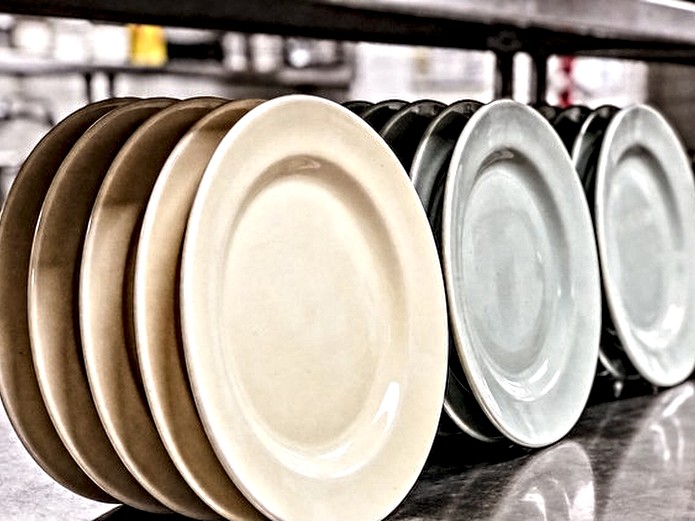
- Batch color inconsistency due to glaze instability
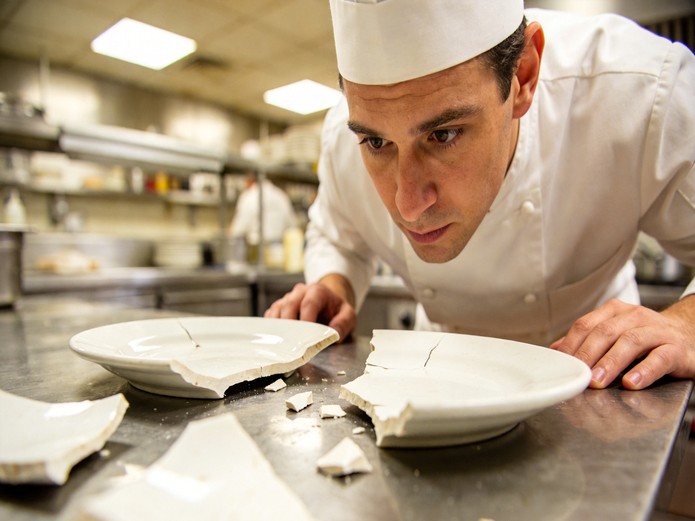
- Cracks and deformation after kiln firing
- High breakage rates in container transportation
- Packaging failure during long-distance logistics
In ceramic industry practice, over 30% of export disputes are related to preventable quality control issues rather than design problems.
Factory Production Capacity Evaluation
Production capacity determines whether a supplier can handle both small trial orders and large-scale seasonal demand. Many importers ignore this and face delayed shipments during peak demand periods.
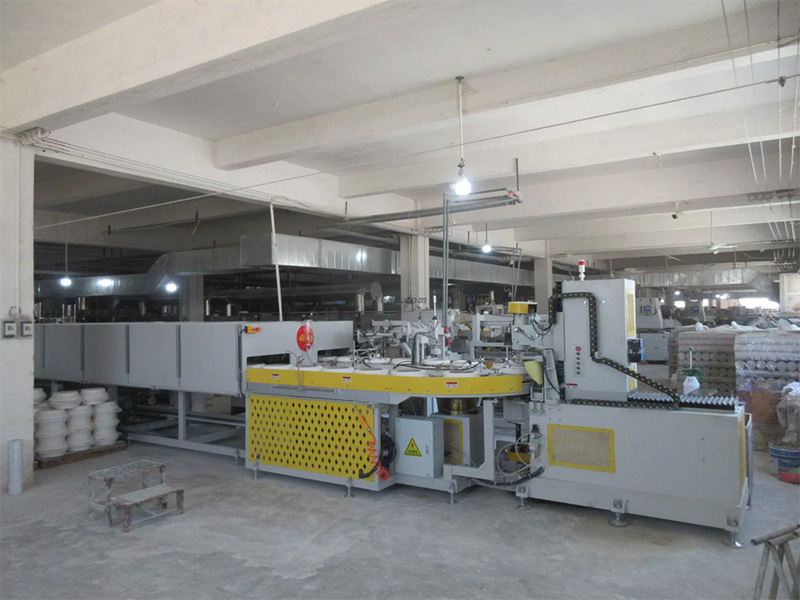
A professional ceramic factory typically operates multiple kiln lines with controlled firing schedules. Stability is more important than maximum output.
- Daily kiln output consistency and firing cycle control
- Number of production lines and workforce stability
- Standard lead time (typically 30–90 days)
- Ability to scale during peak seasonal demand
Factories with unstable kiln scheduling often cause color variation between batches, which is difficult to correct after production.
OEM / ODM Capability
OEM and ODM capability reflects how well a supplier can support branding requirements for international buyers. This is critical for private label and wholesale distribution models.
Advanced ceramic suppliers support mold development, glaze matching, and packaging customization.
- Custom mold development and structural design capability
- Pantone-based glaze color matching system
- Logo printing (decal, engraving, embossing)
- Retail-ready packaging customization
Reference: ISO Quality Standards
Quality Control System
A structured QC system is the foundation of stable ceramic production. Without QC, even experienced factories may produce inconsistent batches.
Typical QC systems include raw material inspection, in-process monitoring, and final AQL sampling before shipment.
- Raw material inspection before production
- In-process forming and glazing inspection
- Firing defect monitoring during kiln cycles
- Final AQL inspection before shipment
Learn more: Ceramic Quality Inspection Guide
Material Stability
Raw material stability directly affects durability, surface texture, and color consistency of ceramic products.
In industrial production, clay composition is carefully controlled to avoid shrinkage variation and firing instability.
- Clay purity and impurity control
- Moisture regulation during molding
- Glaze chemical composition stability
Certifications & Compliance
For export markets such as Europe and the United States, compliance certification is required to ensure food safety and import clearance.
- FDA food contact compliance (US market)
- LFGB certification (EU market)
- ISO 9001 quality management system
Reference: FDA Food Safety Guidelines
Packaging & Export Capability
Packaging quality directly affects breakage rates during international logistics. Even high-quality ceramics can fail if packaging is not engineered correctly.
- Double-wall export carton design
- Foam and divider protection system
- Drop test validation before shipment
- Container loading optimization
Risk Control Strategy
Professional importers reduce sourcing risk through structured procurement processes instead of single-supplier dependence.
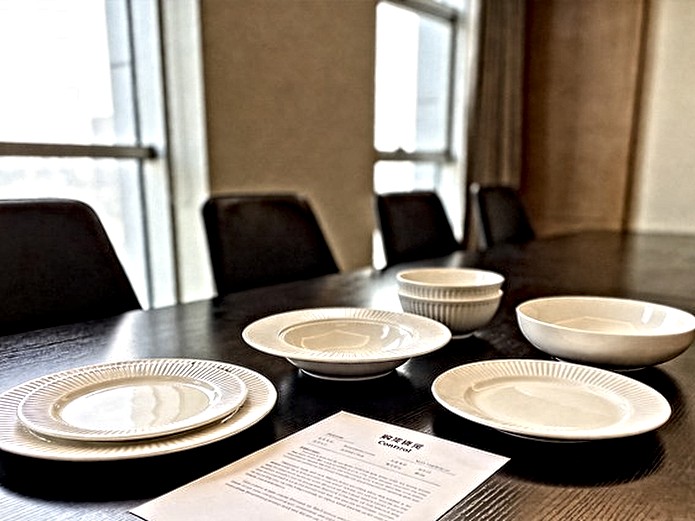
- Pre-production sample confirmation
- AQL defect tolerance agreement
- Multi-supplier comparison strategy
- Third-party inspection before shipment
EEAT in Ceramic Sourcing
Experience, expertise, authority, and trust are essential in ceramic sourcing due to complex production variables.
Experienced sourcing teams understand kiln behavior, glaze chemistry, and export logistics constraints, reducing production uncertainty.
- Factory audit experience in ceramic production zones
- Understanding kiln firing variation risks
- Export coordination and logistics expertise
Contact for OEM Ceramic Supply
We provide OEM and ODM ceramic tableware manufacturing solutions for global importers and wholesalers.
WhatsApp: +86 15919857245
FAQ
How do I choose a reliable ceramic supplier?
Evaluate production capacity, QC system, OEM capability, certifications, and export experience.
What is the biggest risk in ceramic sourcing?
Most risks come from inconsistent firing quality and packaging failure during shipping.
What certifications are required?
FDA, LFGB, and ISO certifications are commonly required for international markets.
Can ceramic products be customized?
Yes, OEM/ODM factories support full customization including shape, glaze, logo, and packaging.
Why is QC important in ceramics?
It ensures consistency across batches and reduces defect rates in mass production.