Category Technical Insights

In-depth technical analysis of ceramic manufacturing processes, material comparisons (porcelain vs. stoneware), high-temperature firing techniques, and commercial-grade durability standards that define premium hospitality dinnerware.

Ceramic Color Fastness: Fade Resistance Testing & Standards for B2B Tableware Buyers
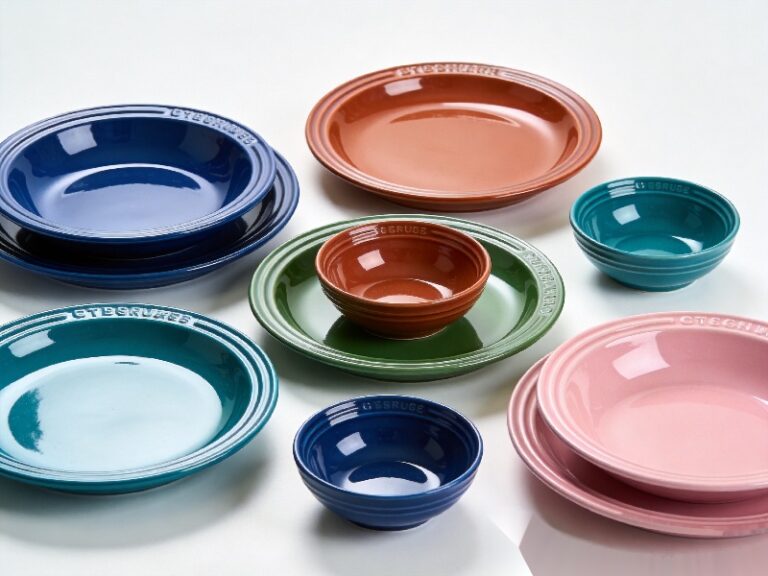
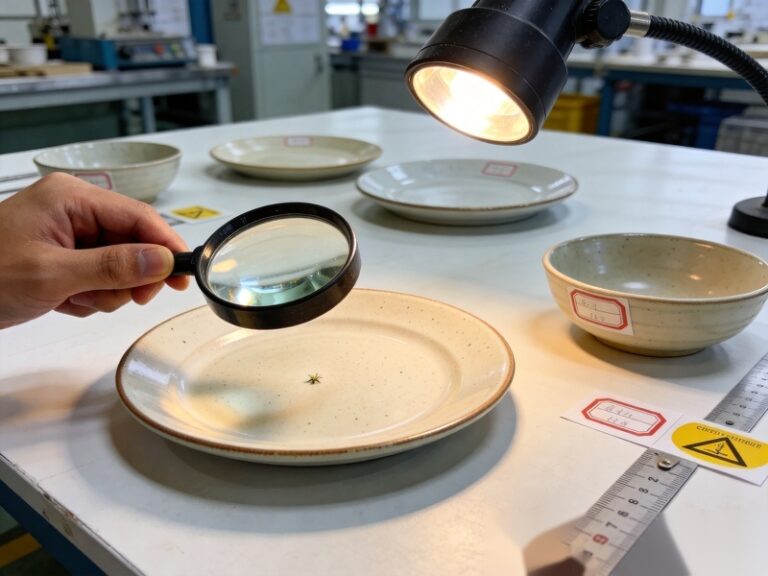
ceramic color fastness testing on glazed tableware

Ceramic color fastness is a crucial quality attribute for B2B tableware buyers in hospitality, retail, and e-commerce. This comprehensive guide details key lab testing methods—including dishwasher resistance (DIN EN 12875-1), UV light exposure (ISO 105-B02), chemical stability, and ASTM C1027 abrasion resistance. Learn how to interpret Delta E values, evaluate manufacturing factors like firing temperatures (1250°C–1320°C), ensure compliance with EU/US export standards, and conduct effective factory audits to secure high-durability ceramic inventory.
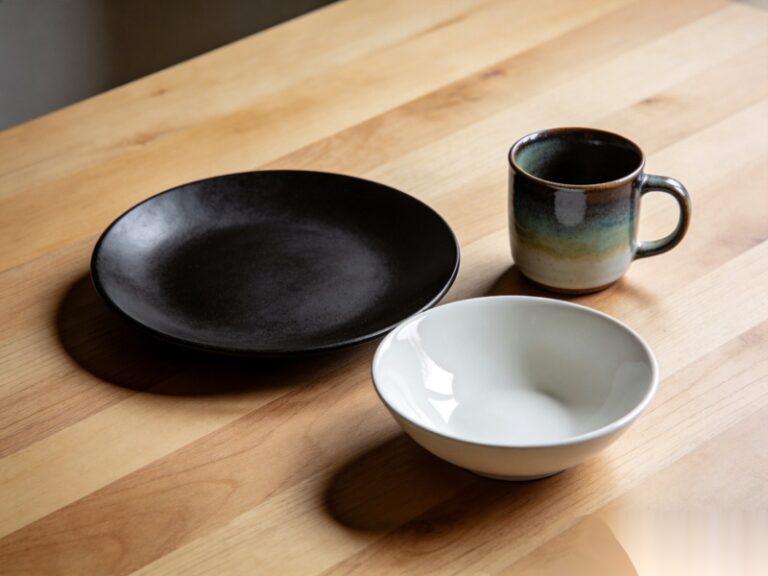
Ceramic Thermal Shock Resistance: Complete Testing & Standards Guide for B2B Buyers

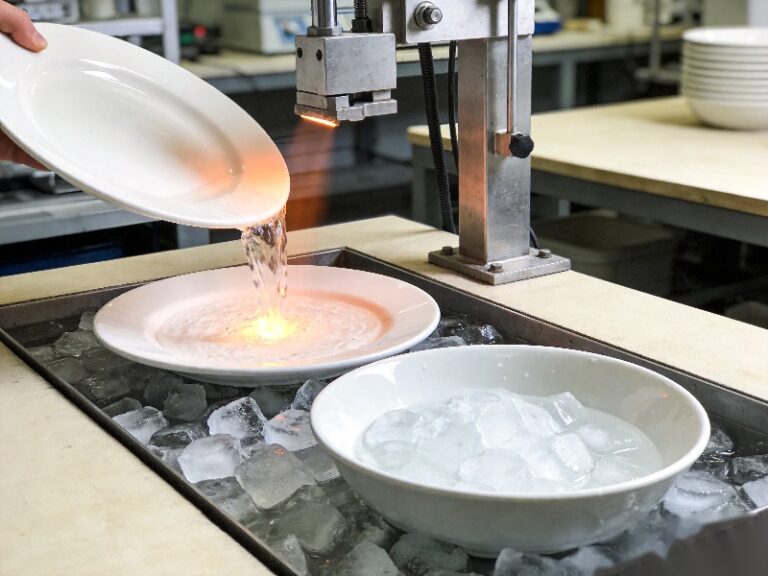
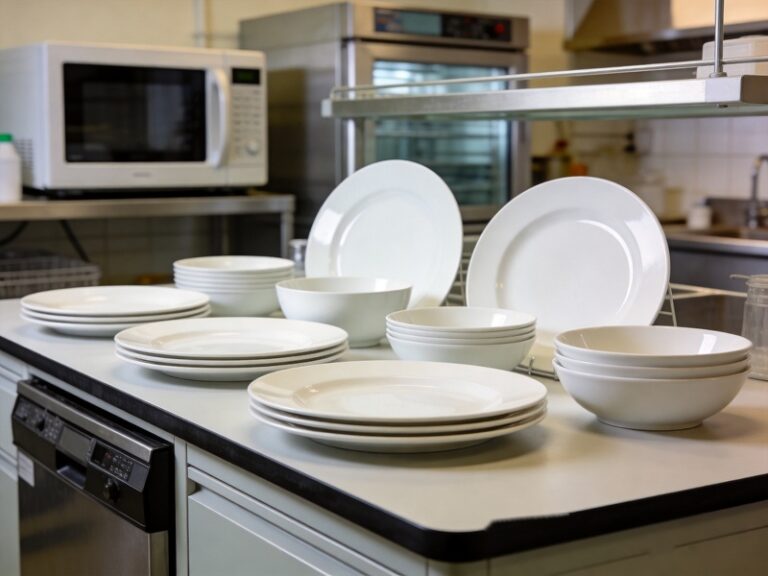
Ceramic thermal shock resistance testing in quality control laboratory

Ceramic thermal shock resistance is a vital performance metric that dictates the durability, safety, and lifespan of tableware in commercial foodservice and retail. This comprehensive guide explores the physics behind thermal stress, analyzes international testing standards (ISO 2747, ASTM C724), and compares material performances across Porcelain, Bone China, and Stoneware. Learn how to specify thermal requirements ($\Delta T$) in contracts, debunk common durability myths, and audit suppliers to ensure high-performance inventory.

Ceramic Certification Standards: FDA, LFGB, SGS & EU Compliance Guide for B2B Buyers

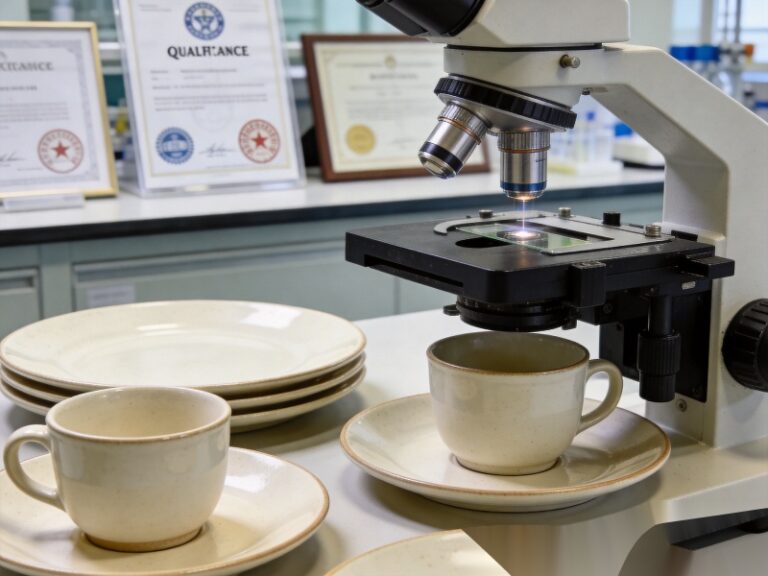
ceramic certification standards laboratory testing process

Ceramic certification standards are mandatory for B2B buyers importing tableware into regulated international markets. This comprehensive guide covers essential food-contact safety regulations, comparing FDA lead and cadmium limits with Germany's stricter LFGB standards and EU directives. Learn SGS third-party testing protocols, analyze certification costs ($200–$900) and timelines, and establish a 4-step compliance program to eliminate customs risks and ensure seamless market access.

Ceramic Glaze Types and Safety Standards: A Complete Guide for B2B Buyers

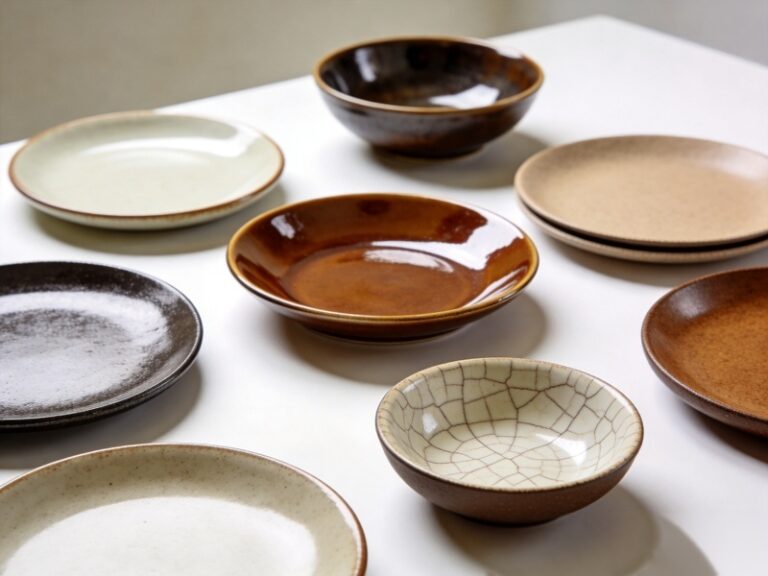
ceramic glaze types comparison on tableware

Selecting the right ceramic glaze types is critical for B2B tableware buyers to ensure food safety compliance, scratch durability, and market positioning. This comprehensive guide evaluates 6 major glaze families—Transparent, Opaque, Matte, Reactive, Crystalline, and Natural Ash—against FDA, LFGB, and EU 84/500/EEC leaching standards. Learn how to audit glaze defects like crazing or pinholes, evaluate pre-shipment lab reports, and match the optimal glaze finish to your retail or hospitality supply chain.

Ceramic Factory Audit Checklist: Complete Evaluation Guide for B2B Tableware Buyers

ceramic factory audit inspection process

A thorough ceramic factory audit is your first line of defense against supplier risk. This comprehensive guide provides a step-by-step checklist for B2B tableware buyers to evaluate potential partners, covering everything from raw material management and production capacity to quality control systems and certification verification. Learn how to conduct a professional audit, score suppliers objectively, and identify critical red flags to ensure your bulk order is a success.

Ceramic Tableware Durability Testing: Complete Guide for Commercial & B2B Buyers

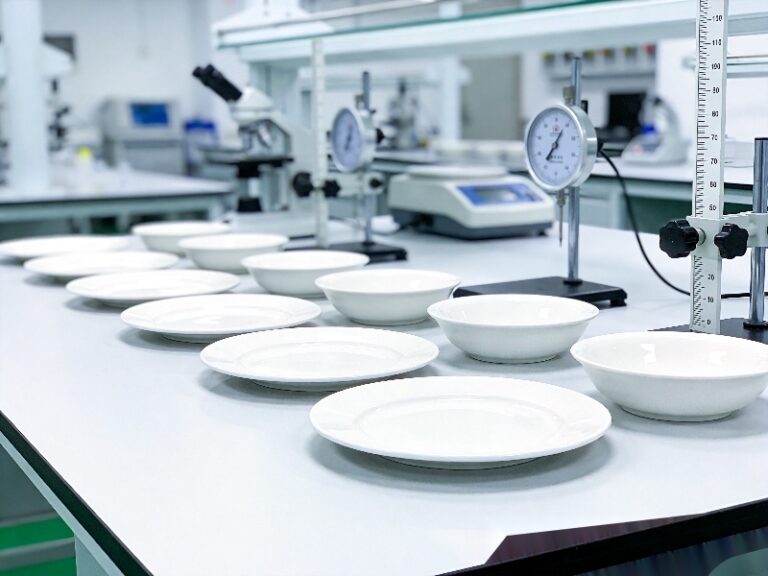
ceramic tableware durability testing in professional laboratory

Ceramic tableware durability is the single most important factor separating a profitable bulk order from a costly replacement cycle. This comprehensive guide breaks down the six critical durability tests—from thermal shock to chip resistance—that every B2B buyer must understand. We compare the performance of bone china, porcelain, and stoneware against international standards, providing you with a clear framework to specify quality requirements in your purchase orders and significantly reduce your total cost of ownership.

Ceramic Packaging and Shipping Best Practices: Complete Guide for B2B Tableware Importers

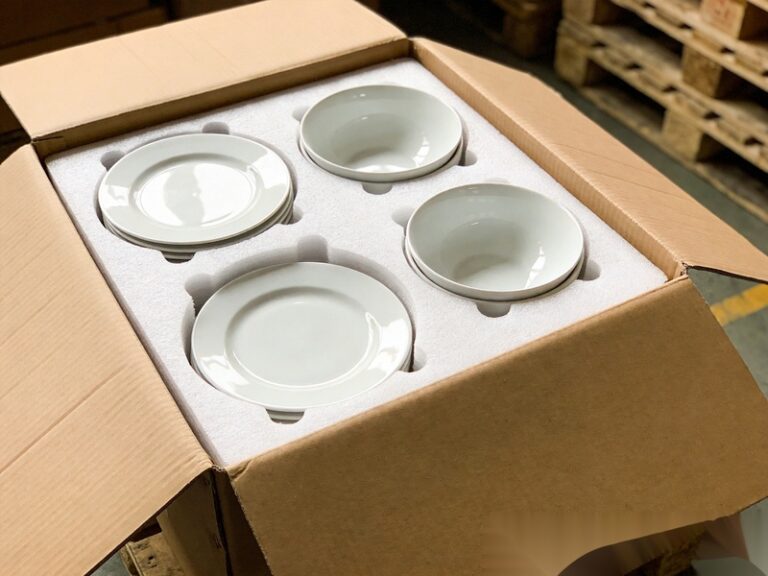
ceramic packaging and shipping professional export carton with foam inserts

Proper ceramic packaging and shipping is the final, critical defense against costly breakage. This guide details the professional 4-layer protection system, container loading strategies, and quality control tests needed to reduce damage rates to under 1%. Learn how to evaluate your supplier's logistics capabilities and ensure your fragile tableware arrives intact, protecting your investment and your brand's reputation.