Ceramic tableware finish options represent one of the most important specifications that B2B buyers must evaluate when sourcing bulk dinnerware for commercial, hospitality, or retail markets. The surface finish of a ceramic piece directly influences its visual appeal, tactile experience, durability, maintenance requirements, and ultimately its commercial positioning. Whether you are outfitting a hotel chain, stocking a restaurant supply warehouse, or curating a retail tableware collection, understanding the full spectrum of ceramic tableware finish options is essential for making informed purchasing decisions.
In this comprehensive guide, we break down the major ceramic finish types available in the wholesale market, compare their performance characteristics, explore which markets they serve best, and provide actionable sourcing advice for bulk buyers navigating China’s ceramic manufacturing landscape.
Understanding Ceramic Tableware Finish Options: The Basics
A ceramic finish refers to the final surface treatment applied to a ceramic piece after the glazing and firing process. This finish determines how the surface looks, feels, and performs under daily use. The three primary ceramic tableware finish options dominating the B2B market are glossy (high-gloss), matte (satin), and reactive glaze finishes — each with distinct manufacturing processes, aesthetic qualities, and commercial applications.
The choice of finish impacts multiple commercial factors:
- Visual presentation: How the tableware photographs and displays on shelves or dining tables
- Durability under use: Resistance to scratching, chipping, and wear from cutlery and dishwashing
- Maintenance requirements: Ease of cleaning, stain resistance, and fingerprint visibility
- Market positioning: Whether the finish signals premium, rustic, modern, or mass-market appeal
- Price point: Manufacturing complexity and cost implications for bulk orders
Glossy Finish: The Industry Standard for Ceramic Tableware
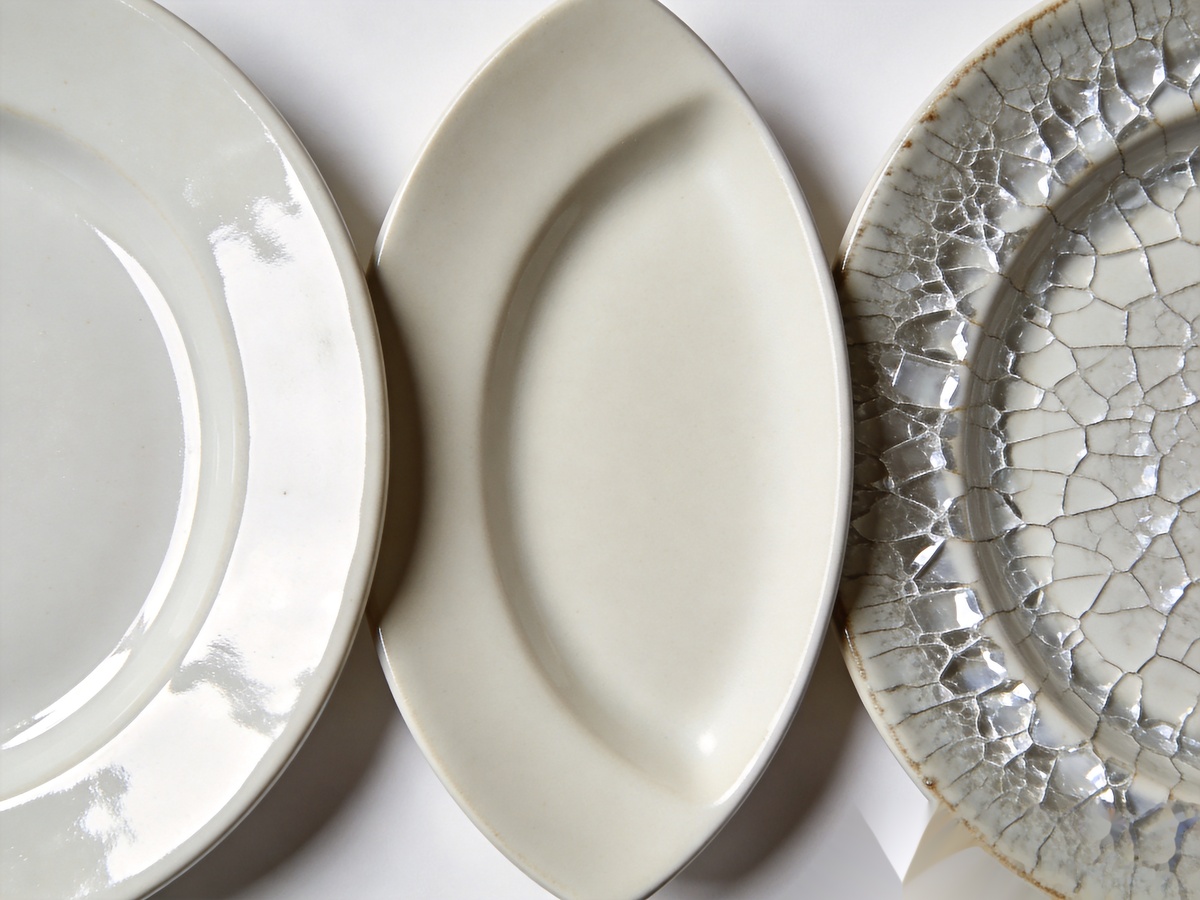
Glossy finish remains the most widely produced and commercially popular option among all ceramic tableware finish options. Characterized by a smooth, reflective, glass-like surface, glossy finishes are achieved through high-temperature firing of transparent or colored glazes that vitrify into a hard, impermeable layer.
Key Characteristics
- Surface: Smooth, highly reflective, glass-like texture
- Durability: Excellent scratch resistance and chip resistance due to hard vitrified surface
- Cleaning: Easiest to clean — food particles slide off, dishwasher-safe, stain-resistant
- Stacking: Low friction surface allows easy stacking with minimal scratching between pieces
- Cost: Most economical for mass production — standard glazing process with high yield rates
Commercial Applications
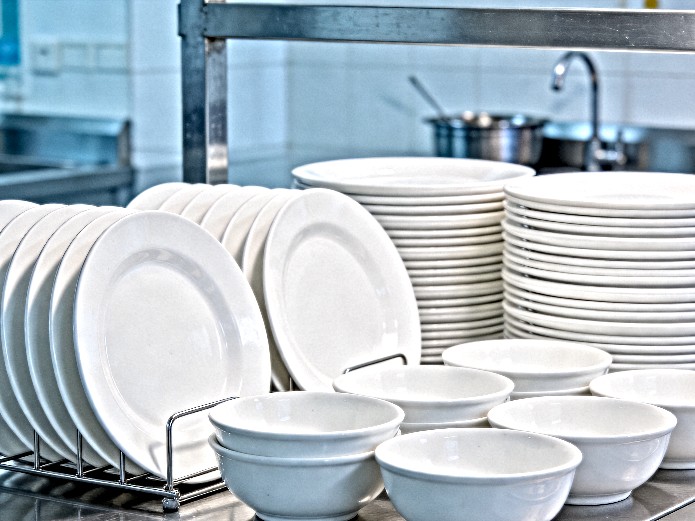
Glossy ceramic tableware dominates the hospitality sector. Hotels, restaurants, and catering companies overwhelmingly specify glossy finishes for their tableware procurement because of the superior hygiene performance, ease of maintenance, and professional appearance. For B2B buyers supplying the foodservice industry, glossy finish white porcelain remains the single largest volume category.
In retail markets, glossy finishes work across all price points — from budget-friendly everyday dinnerware sets to premium branded collections. The finish photographs exceptionally well for e-commerce listings, making it a reliable choice for online sellers.
Matte Finish: The Modern Choice for Premium Ceramic Tableware
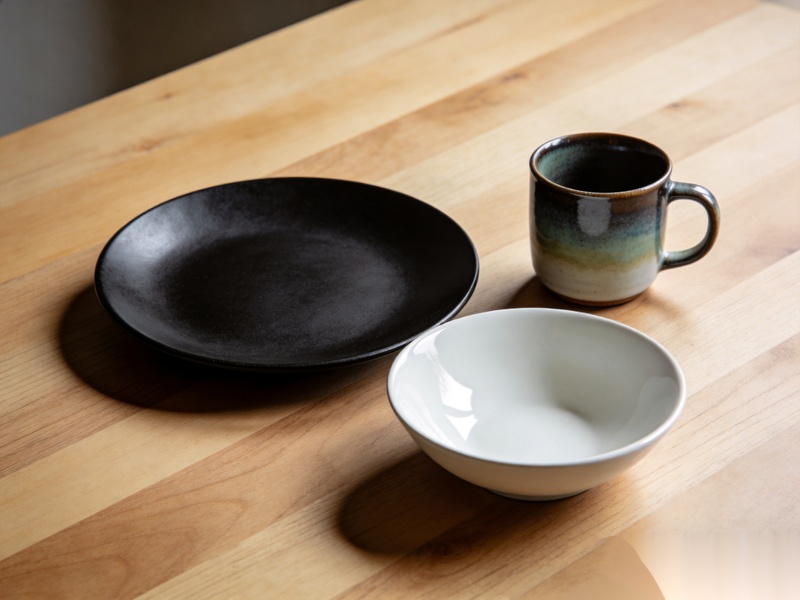
Matte finish has emerged as one of the fastest-growing ceramic tableware finish options in the B2B market over the past five years. This finish produces a soft, non-reflective, satin-like surface that conveys understated elegance and contemporary style. Matte finishes are achieved either through special matte glaze formulations (containing materials like magnesium or zinc compounds) or by controlling the cooling rate during firing to prevent full glass formation.
Key Characteristics
- Surface: Soft, velvety texture with minimal light reflection
- Durability: Good structural integrity, though the surface may show cutlery marks more visibly than glossy finishes
- Cleaning: Requires slightly more attention — some matte surfaces can retain fingerprints or oil marks
- Aesthetics: Earthy, artisanal, handcrafted appearance that commands premium positioning
- Cost: 10-20% higher than standard glossy finishes due to specialized glaze materials and tighter firing control
Commercial Applications
Matte finish ceramic tableware is strongly associated with modern stoneware collections, artisanal brands, and upscale dining concepts. B2B buyers targeting boutique hotels, specialty restaurants, design-forward retailers, and lifestyle brands will find matte finishes carry significant market appeal. The finish pairs particularly well with earth-tone colorways (charcoal, sand, sage, terracotta) and organic shapes.
For wholesale buyers, matte stoneware sets typically command 15-30% higher FOB prices compared to equivalent glossy porcelain pieces, reflecting both the material costs and the premium market positioning.
Reactive Glaze Finish: The Artisan Option for Unique Ceramic Tableware
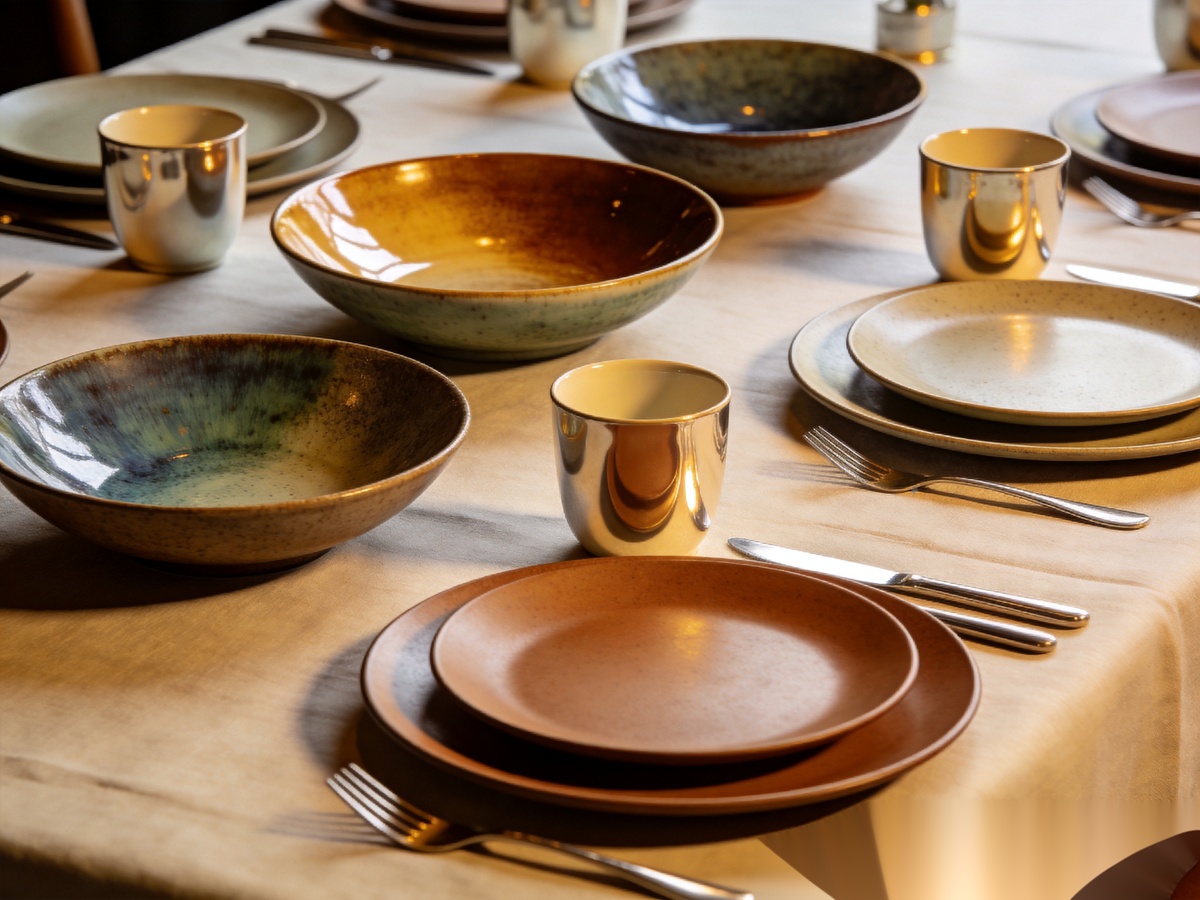
Reactive glaze finish stands apart from other ceramic tableware finish options because each piece develops a unique, unpredictable surface pattern during firing. Reactive glazes contain metallic oxides (typically iron, copper, or cobalt) that interact chemically with the kiln atmosphere during firing, creating crystalline patterns, color variations, pooling effects, and organic textures that cannot be precisely replicated.
Key Characteristics
- Surface: Variable texture ranging from smooth to slightly textured, with organic color patterns
- Uniqueness: No two pieces are identical — each develops its own character during firing
- Durability: Generally durable, though some reactive glazes may have slightly softer surfaces
- Aesthetics: Highly artistic, one-of-a-kind appearance that appeals to design-conscious buyers
- Cost: 20-40% premium over standard glossy finishes due to specialized materials, lower yield rates, and higher rejection rates during QC
Commercial Applications
Reactive glaze tableware is positioned at the premium end of the wholesale market. It is especially popular with farm-to-table restaurants, boutique hotels, high-end retailers, and gift markets where uniqueness is a selling point. B2B buyers who supply curated retail channels or concept-driven hospitality venues will find reactive glaze collections command strong margins.
One important consideration for bulk buyers: the inherent variability of reactive glazes means that quality control standards must be adapted. Rather than rejecting pieces for color variation (which would eliminate most of the production run), buyers should establish acceptable ranges and work with experienced manufacturers who can deliver consistent quality within those parameters. Learn more about ceramic defect classification standards to understand QC benchmarks.
Ceramic Tableware Finish Options: Head-to-Head Comparison
To help B2B buyers make faster sourcing decisions, here is a side-by-side comparison of the three major ceramic tableware finish options across key commercial criteria:
Durability Ranking: Glossy > Matte > Reactive Glaze
Price Ranking (lowest to highest): Glossy < Matte < Reactive Glaze
Cleaning Ease: Glossy > Reactive Glaze > Matte
Photography/Display Appeal: Matte > Reactive Glaze > Glossy
Market Versatility: Glossy > Matte > Reactive Glaze
Premium Positioning: Reactive Glaze > Matte > Glossy
For buyers sourcing large-volume orders (10,000+ pieces), glossy finishes offer the best combination of cost efficiency, durability, and broad market appeal. For mid-volume orders targeting design-forward channels (2,000-8,000 pieces), matte finishes deliver strong differentiation. For curated, low-volume premium collections (500-3,000 pieces), reactive glazes provide unmatched uniqueness.
How Finish Selection Impacts Your Ceramic Tableware Sourcing Strategy
When planning a bulk ceramic tableware order, the finish you specify will influence several aspects of your sourcing strategy beyond just the unit price:
Lead Time Considerations
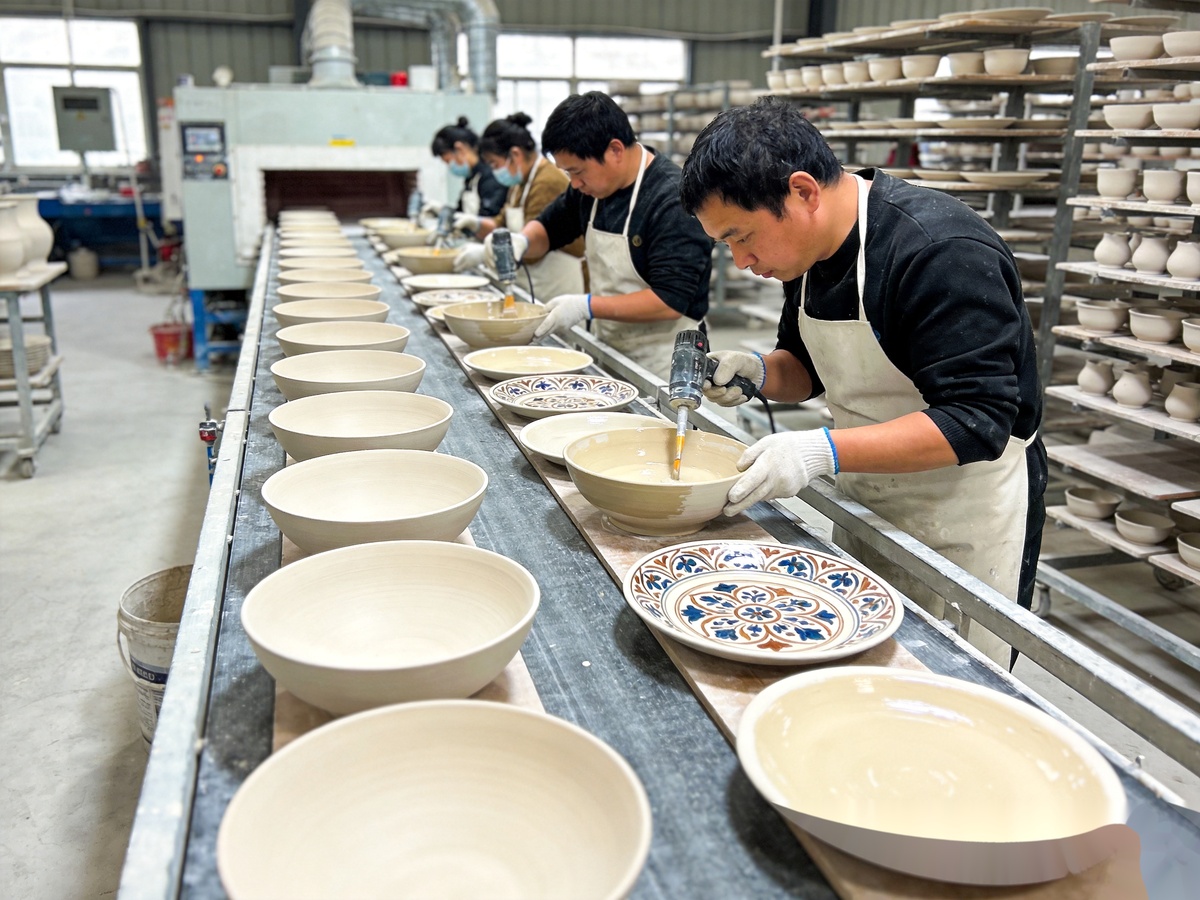
Glossy finishes have the shortest production lead times because the glazing process is standardized and factories maintain large inventories of common glossy glaze formulations. Matte and reactive glaze finishes may add 7-14 days to production timelines, especially for custom colorways. For time-sensitive orders, factor this into your planning — see our guide on ceramic production lead time for detailed scheduling advice.
MOQ and Production Batches
Standard glossy finishes typically have the lowest MOQ requirements (often 1,000-3,000 pieces per SKU). Matte and reactive glaze finishes may require higher MOQs (3,000-5,000 pieces) because factories need to prepare specialized glaze batches. If you are testing a new product line with specialty finishes, consider starting with a smaller trial order before committing to full production volumes.
Quality Control Adjustments
Each finish type requires different QC criteria. Glossy finishes are evaluated primarily for pinholes, crawling, and color consistency. Matte finishes require additional checks for surface uniformity and cutlery mark resistance. Reactive glazes need acceptance ranges for color variation rather than strict color matching. Establishing clear QC specifications with your supplier before production begins is essential for all ceramic tableware finish options.
Emerging Ceramic Tableware Finish Options: What B2B Buyers Should Watch
Beyond the three mainstream finish categories, several emerging ceramic tableware finish options are gaining traction in the wholesale market:
- Satin finish: A middle ground between glossy and matte, offering subtle sheen with reduced fingerprint visibility. Growing in popularity for mid-range collections.
- Crackle glaze: An intentional network of fine surface cracks that creates an antique, handcrafted aesthetic. Popular in gift and specialty retail markets.
- Metallic luster: Glazes containing precious metals (gold, platinum, copper) that create shimmering, luxury-grade surfaces. Used primarily for high-end hospitality and premium retail.
- Textured/embossed finishes: Physical surface textures created during the forming process, combined with glazes to produce tactile depth. Increasingly popular in modern stoneware lines.
- Dual-finish: Combining different finishes on a single piece (e.g., glossy interior with matte exterior) for functional and aesthetic benefits. This hybrid approach is trending strongly in 2026 collections.
B2B buyers who stay ahead of finish trends can differentiate their product offerings and capture emerging market segments before competitors. Explore our sourcing guides and industry insights for more trend analysis.
Frequently Asked Questions About Ceramic Tableware Finish Options
Q1: Which ceramic tableware finish is most durable for commercial restaurant use?
Glossy finish is the most durable option for commercial restaurant environments. The vitrified glass surface provides excellent resistance to cutlery scratching, chipping from stacking, and staining from food pigments. Most high-volume restaurant chains and hotel operations specify glossy-finish porcelain for their daily-use tableware because it withstands hundreds of industrial dishwasher cycles without degradation.
Q2: Can I mix different ceramic tableware finish options in the same bulk order?
Yes, most ceramic manufacturers accept mixed-finish orders, though each finish type typically needs to meet its own MOQ threshold. For example, you might order 3,000 glossy white plates and 2,000 matte charcoal plates in the same shipment. Combining finishes in a single order is an effective strategy for buyers building diverse product lines while sharing shipping and logistics costs.
Q3: How do ceramic tableware finish options affect packaging and shipping costs?
Finish type has minimal impact on packaging requirements — all ceramic tableware requires similar protective packaging regardless of surface finish. However, reactive glaze and specialty finishes may warrant slightly more careful handling during packing to preserve the unique surface character. Shipping costs are determined primarily by weight, volume, and breakage insurance rather than finish type. Visit our ceramic packaging and shipping guide for detailed packaging strategies.
Q4: What ceramic tableware finish options work best for e-commerce product photography?
Matte finishes photograph exceptionally well for e-commerce because they minimize glare and reflections under studio lighting, producing clean, consistent product images. Glossy finishes can be more challenging to photograph due to light reflections, but they photograph well when shot against neutral backgrounds with diffused lighting. Reactive glazes photograph beautifully due to their unique patterns, but each piece will look slightly different in listings — consider using representative samples rather than promising exact matches to online customers.
Q5: Are there food safety differences between ceramic tableware finish options?
All properly manufactured ceramic finishes — glossy, matte, and reactive — can meet international food safety standards (FDA, LFGB, EU Regulation 1935/2004) when produced by certified manufacturers. The key factor is not the finish type itself but the quality of the raw materials and the completeness of the firing process. Always verify that your supplier holds current food safety certifications and can provide test reports for lead and cadmium release levels regardless of which ceramic tableware finish options you select.
Ready to Source the Right Ceramic Tableware Finish Options for Your Market?
Choosing the right ceramic tableware finish options requires balancing aesthetics, durability, cost, and market positioning. Whether you need high-volume glossy porcelain for foodservice operations, sophisticated matte stoneware for premium retail, or unique reactive glaze collections for specialty markets, working with an experienced manufacturer ensures consistent quality and competitive pricing.
At CeraSupply, we offer the full range of ceramic tableware finish options with flexible MOQ, custom color development, and rigorous quality control for every finish type. Contact us today for a free quote on your next ceramic tableware order — tell us your preferred finish, quantity, and timeline, and we’ll provide a detailed proposal within 24 hours.