Why Ceramic Dinnerware Trends Matter
Ceramic Dinnerware Trends continue to reshape the hospitality, foodservice, and retail industries. Today’s consumers no longer choose tableware based solely on durability or price. Instead, restaurants, hotels, cafés, retailers, and lifestyle brands are investing in dinnerware that enhances food presentation, reflects brand identity, and creates memorable dining experiences.
For B2B buyers, following the latest ceramic dinnerware trends is no longer optional—it has become a competitive advantage. Importers and distributors who continuously update their product collections are better positioned to attract restaurants, hospitality groups, homeware retailers, and online brands looking for modern ceramic tableware.
As global dining habits evolve and social media increasingly influences purchasing decisions, commercial tableware has transformed from a functional product into an important branding tool. Plates, bowls, mugs, and serving pieces are now expected to complement interior design, highlight food presentation, and create a unique visual identity.
Top Ceramic Dinnerware Trends in 2026
The commercial tableware market continues to move toward premium, design-driven collections that combine aesthetics with functionality. Below are the most influential Ceramic Dinnerware Trends shaping global wholesale demand.
1. Reactive Glaze Finishes
Reactive glaze remains one of the strongest trends in premium ceramic tableware. During firing, special mineral compounds react naturally inside the kiln, creating unique color variations that cannot be perfectly duplicated.
This handcrafted appearance makes every plate slightly different while maintaining consistent quality standards.
Reactive glaze collections are especially popular among:
- Boutique hotels
- Farm-to-table restaurants
- Specialty cafés
- Lifestyle retailers
- Gift brands
Because every piece develops its own character, reactive glaze dinnerware creates a premium dining experience that photographs exceptionally well on social media.
2. Matte and Satin Finishes
Glossy white porcelain will always remain an industry standard, but matte and satin finishes continue gaining popularity across hospitality markets.
Soft-touch surfaces reduce reflections, allowing food colors to stand out naturally. Earth-inspired matte finishes also communicate craftsmanship, simplicity, and contemporary luxury.
Many premium restaurants now combine matte exterior finishes with glossy interiors to achieve both practical performance and elegant presentation.
3. Organic Shapes
Perfectly round plates are gradually being complemented by more natural forms.
Organic silhouettes, irregular rims, hand-crafted edges, and asymmetrical serving bowls create a relaxed dining atmosphere while helping restaurants differentiate themselves from competitors.
Organic designs pair particularly well with modern stoneware collections and natural glaze colors.
4. Earth-Tone Color Palettes
Neutral colors continue dominating ceramic dinnerware trends worldwide.
Instead of bright decorative patterns, buyers increasingly prefer calm natural colors such as:
- Sand
- Ivory
- Cream
- Sage Green
- Charcoal
- Terracotta
- Warm Grey
- Deep Navy
These colors complement a wide variety of cuisines while allowing chefs to highlight ingredients rather than distracting from the presentation.
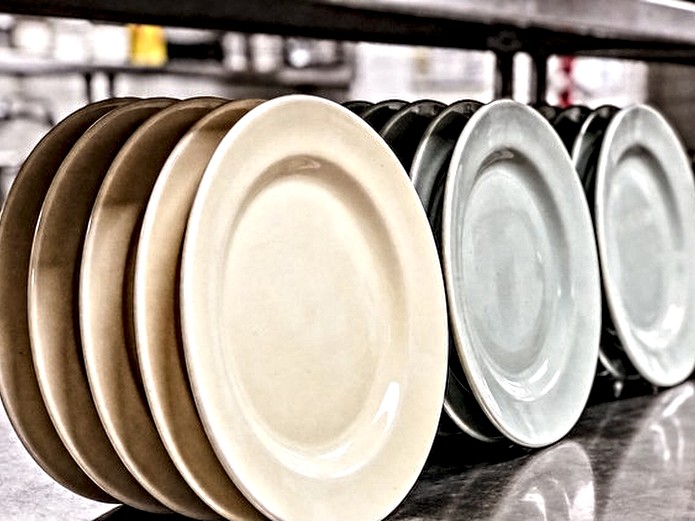
5. Stackable Commercial Designs
Modern commercial kitchens demand efficiency.
As a result, stackable dinnerware has become one of the fastest-growing Ceramic Dinnerware Trends among hotels and restaurant groups.
Stackable plates and bowls help operators:
- Save storage space
- Improve kitchen organization
- Reduce transportation costs
- Lower breakage during storage
- Increase operational efficiency
Manufacturers are now designing commercial tableware that balances elegant appearance with practical stackability, making it ideal for high-volume hospitality environments.
6. Sustainable Manufacturing and Eco-Friendly Materials
Sustainability has become one of the most influential Ceramic Dinnerware Trends worldwide. Hotels, restaurants, retailers, and hospitality brands are increasingly seeking suppliers that implement environmentally responsible manufacturing processes.
Modern ceramic factories are investing in energy-efficient tunnel kilns, recycled raw materials, wastewater recycling systems, and lead-free, cadmium-free glazes that comply with international food-contact regulations.
For importers and private-label brands, partnering with manufacturers that emphasize sustainable production not only supports environmental goals but also strengthens brand reputation in increasingly eco-conscious markets.
7. Minimalist Scandinavian Design
Minimalism continues to dominate contemporary tableware collections. Clean lines, subtle curves, neutral colors, and functional shapes appeal to consumers seeking timeless designs rather than short-lived decorative styles.
Scandinavian-inspired ceramic dinnerware complements modern restaurants, coffee shops, boutique hotels, and home décor retailers. Because these collections are highly versatile, they remain popular across North America, Europe, Australia, and many Asian markets.
8. Multi-Purpose Dinnerware
Another important trend is versatility. Restaurants increasingly prefer ceramic pieces that serve multiple purposes.
For example:
- Pasta bowls that also work as salad bowls
- Serving plates suitable for both appetizers and desserts
- Large mugs that can be used for coffee, soup, or cereal
- Deep plates designed for pasta, curry, and rice dishes
Multi-functional products simplify inventory management while reducing purchasing costs for commercial foodservice operators.
How B2B Buyers Can Benefit from Ceramic Dinnerware Trends
Understanding market trends helps wholesalers and distributors make better purchasing decisions.
Instead of competing only on price, businesses can introduce higher-value collections that offer stronger margins and greater customer appeal.
When selecting new ceramic collections, buyers should evaluate:
- Target customer preferences
- Restaurant and hospitality market demand
- Durability for commercial use
- Stackability and storage efficiency
- Food presentation performance
- OEM and private label opportunities
- Long-term product consistency
Balancing aesthetics with durability allows distributors to serve both premium hospitality projects and retail customers while maintaining stable long-term sales.
Frequently Asked Questions
What are the latest ceramic dinnerware trends?
Current trends include reactive glaze finishes, matte surfaces, organic shapes, earth-tone colors, stackable commercial designs, and sustainable manufacturing. These styles are widely adopted by restaurants, hotels, cafés, and retailers around the world.
Why are reactive glaze collections so popular?
Reactive glaze creates unique color variations on every piece, giving ceramic tableware a handcrafted appearance that enhances food presentation and appeals to premium hospitality brands.
Which ceramic dinnerware trend is best for restaurants?
Restaurants often prefer durable porcelain or stoneware with matte finishes, neutral colors, reinforced edges, and stackable designs because they combine attractive presentation with excellent commercial performance.
Can ceramic dinnerware be customized for private-label brands?
Yes. Professional ceramic manufacturers offer OEM and ODM services including custom shapes, glaze colors, logo printing, decal decoration, embossing, and branded packaging.
How often should wholesalers update their product collections?
Most successful distributors introduce new ceramic collections every 12 to 24 months while maintaining their best-selling classic products. This keeps their catalog competitive without increasing inventory risk.
Conclusion
The latest Ceramic Dinnerware Trends demonstrate that commercial tableware is no longer just functional—it has become an important part of branding, customer experience, and restaurant identity.
From reactive glaze finishes and organic silhouettes to sustainable production and stackable commercial designs, today’s ceramic collections combine aesthetics with long-term durability. Businesses that stay ahead of these trends are better positioned to attract hospitality clients, retailers, and private-label brands.
At CeraSupply, we help global importers, distributors, retailers, and hospitality brands source modern ceramic tableware that reflects current market demand. Our OEM and ODM capabilities include custom shapes, glaze development, logo decoration, and private-label packaging, supported by strict quality control and reliable manufacturing.
Explore our complete ceramic product collection, learn more about our OEM & ODM services, or contact our team today to discuss your next wholesale ceramic dinnerware project.