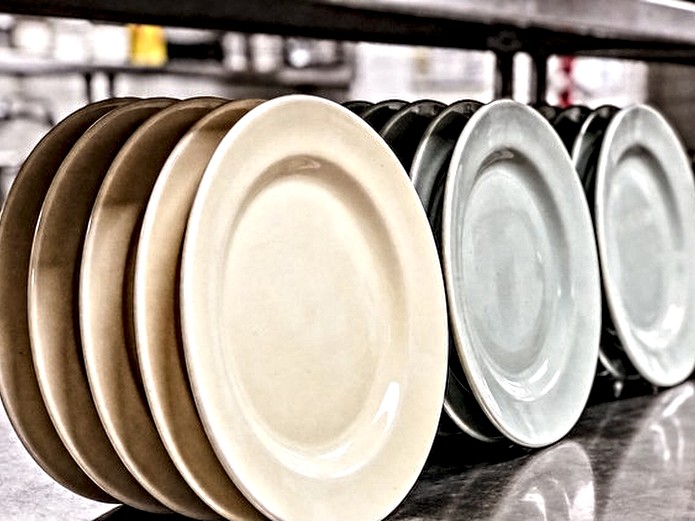
Why Ceramic Tableware Packaging Matters
Ceramic Tableware Packaging plays a critical role in protecting products during international transportation. For wholesalers, importers, retailers, and hospitality brands, even a small percentage of broken products can lead to significant financial losses, delayed deliveries, and customer complaints.
Because ceramic products are fragile by nature, professional export packaging is just as important as manufacturing quality. Well-designed packaging minimizes movement inside cartons, absorbs external impacts, and helps products arrive safely after long-distance sea, air, or courier transportation.
Choosing an experienced ceramic manufacturer with proven export packaging solutions reduces supply chain risks and improves customer satisfaction.
Common Causes of Breakage During Shipping
Understanding why ceramic products break during transportation helps buyers evaluate packaging quality more effectively.
The most common causes include:
- Insufficient internal protection
- Poor carton strength
- Improper pallet loading
- Container vibration during ocean freight
- Repeated handling at ports and warehouses
- Courier drop impacts
- Moisture damage during transit
Professional packaging systems are designed to reduce these risks through multiple layers of protection.
Export Cartons for Ceramic Tableware
Export cartons are the first line of defense during transportation. High-quality ceramic manufacturers typically use multi-layer corrugated cartons that provide excellent compression strength while protecting products against impacts during handling.
Depending on the product type, cartons may include:
- 5-layer corrugated cartons
- 7-layer heavy-duty export cartons
- Double-wall carton construction
- Moisture-resistant materials
- Reinforced sealing tape
For long-distance ocean freight, stronger cartons help maintain stacking stability throughout the shipping process.
Protective Inner Packaging
The internal protection system determines whether products remain secure inside each carton.
Professional ceramic packaging commonly uses:
- Corrugated cardboard dividers
- Molded pulp inserts
- EPE foam inserts
- Expanded polystyrene (EPS) protection
- Air bubble wrapping
- Individual paper sleeves
The most suitable packaging solution depends on product shape, weight, and transportation method. Premium dinnerware collections often combine several protective materials to achieve maximum protection.
Pallet Packaging for International Shipping
After individual cartons are packed, they are typically stacked onto wooden or plastic pallets for easier loading and unloading.
Professional pallet packaging usually includes:
- Heat-treated wooden pallets
- Plastic pallets for selected markets
- Corner protectors
- Shrink wrapping
- Stretch film stabilization
- Packing straps
Proper palletization reduces carton movement inside containers and helps prevent damage during forklift handling and long-distance transportation.
ISTA Drop Testing for Export Packaging
Reliable Ceramic Tableware Packaging should be validated through recognized transportation testing rather than relying solely on visual inspection. Many professional ceramic manufacturers design their export cartons according to ISTA (International Safe Transit Association) testing standards, which simulate the impacts, vibrations, compression, and drops that products may experience during transportation.
Depending on the shipping method, packaging may undergo:
- Drop testing
- Compression testing
- Vibration testing
- Impact testing
- Stacking strength evaluation
Testing helps identify weak points in the packaging system before mass production, reducing the risk of damage during international shipping.
Choosing the Right Shipping Terms
Besides protective packaging, selecting the appropriate Incoterms is equally important for international buyers. Different shipping terms determine which party is responsible for transportation costs, insurance, customs clearance, and delivery.
| Incoterm | Responsibility | Best For |
|---|---|---|
| EXW | Buyer arranges all transportation | Experienced importers |
| FOB | Seller delivers goods to the departure port | Most wholesale buyers |
| CIF | Seller arranges sea freight and insurance | Buyers wanting simplified shipping |
| DDP | Seller manages transportation, customs, and delivery | Customers seeking door-to-door service |
Many importers choose FOB because it offers flexibility in selecting freight forwarders while maintaining good control over shipping costs. Businesses new to importing often prefer CIF or DDP for greater convenience.
Quality Control Before Shipment
Even the best packaging cannot compensate for poor quality control. Before loading a container, experienced manufacturers perform final inspections to ensure every carton meets export requirements.
Typical pre-shipment inspections include:
- Product quantity verification
- Appearance inspection
- Packaging integrity check
- Carton labeling verification
- Barcode confirmation
- Pallet stability inspection
- Container loading inspection
Some buyers also appoint independent inspection companies to conduct random sampling before shipment, providing an additional level of quality assurance.
How Importers Can Reduce Breakage Rates
Reducing transportation damage requires cooperation between the manufacturer, freight forwarder, and importer. While no shipping method can completely eliminate risk, several practical measures significantly improve delivery performance.
- Choose manufacturers with proven export experience.
- Request packaging photos before shipment.
- Use customized inner protection for fragile products.
- Select appropriate carton strength based on shipping distance.
- Require secure pallet wrapping and container loading.
- Purchase cargo insurance for high-value shipments.
- Inspect products promptly after arrival.
Investing slightly more in professional packaging often costs far less than replacing damaged products, handling customer complaints, or arranging repeat shipments.
Frequently Asked Questions
What is the best packaging for ceramic tableware?
The most effective solution combines strong export cartons, protective inner dividers or foam inserts, secure palletization, and proper container loading to minimize movement during transportation.
Can ceramic tableware be shipped safely overseas?
Yes. With professional export packaging and appropriate shipping methods, ceramic tableware can be transported safely by sea, air, or courier to customers worldwide.
What is ISTA packaging?
ISTA packaging refers to packaging systems designed and tested according to International Safe Transit Association standards, helping products withstand common transportation hazards.
Should I choose FOB, CIF, or DDP?
The best option depends on your importing experience. FOB is popular among experienced buyers, while CIF and DDP provide greater convenience for businesses seeking simplified logistics.
How can I reduce ceramic breakage during shipping?
Work with experienced manufacturers, use customized protective packaging, verify pallet loading quality, and select reliable logistics partners for international transportation.
Conclusion
Ceramic Tableware Packaging is an essential part of successful international sourcing. High-quality packaging protects products throughout transportation, reduces breakage rates, lowers replacement costs, and improves customer satisfaction.
From reinforced export cartons and customized foam protection to pallet stabilization and professional container loading, every stage of the packaging process contributes to safer global delivery. Choosing the appropriate shipping terms and working with experienced export manufacturers further helps streamline the supply chain.
At CeraSupply, we provide comprehensive packaging solutions for wholesale ceramic tableware, including customized export cartons, protective inner packaging, pallet loading, and worldwide shipping support. Our team works closely with customers to ensure products arrive safely and efficiently.
Browse our ceramic tableware collection, learn more about our OEM & ODM services, or contact us to discuss your packaging and international shipping requirements.