Detailed Inspection Checklist by Production Stage
In international ceramic sourcing, quality control is one of the most critical factors affecting product success, shipping stability, and long-term supplier performance.
This ceramic quality inspection checklist helps importers, wholesalers, and distributors evaluate ceramic tableware step by step before mass production and shipment.
Table of Contents
- Why Ceramic Quality Inspection Matters
- Raw Material Inspection
- Forming and Shape Consistency
- Glazing and Surface Quality
- Firing Defects Check
- Functional Testing
- Packaging Inspection
- Pre-Shipment Final QC
- How Buyers Can Reduce Ceramic Sourcing Risks
- Get OEM Ceramic Tableware Support
Why Ceramic Quality Inspection Matters
Bulk ceramic products are highly sensitive to production variation and logistics conditions. Without strict quality inspection, buyers may face inconsistent batches, breakage during shipping, and increased replacement costs.
Common risks include:
- Uneven glaze or color differences between batches
- Cracks or deformation after firing
- High breakage rate during container shipping
- Incorrect packaging or labeling errors
Raw Material Inspection
Raw materials determine the final stability and durability of ceramic products.
- Clay purity and composition consistency
- Moisture control before forming
- Removal of impurities such as iron spots or debris
Forming and Shape Consistency
During shaping and molding, dimensional accuracy is essential for stacking, packaging, and usability.
- Uniform wall thickness across products
- Correct diameter and height tolerance
- No deformation or asymmetry
- Stable base without wobbling
Glazing and Surface Quality
Glazing directly affects appearance, durability, and customer perception of ceramic products.
- Even glaze coverage without streaks
- No bubbles, pinholes, or cracks
- Color consistency across production batches
- Clean surface free of dust particles
Firing Defects Check
Firing is a critical stage that determines final product strength and durability.
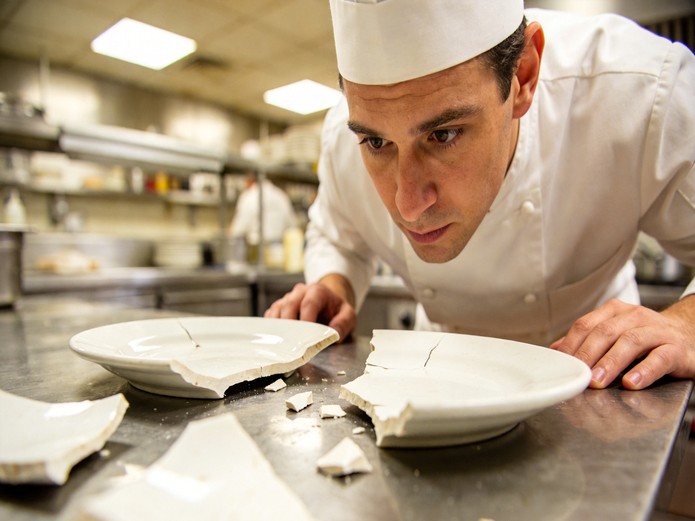
- Cracks caused by temperature imbalance
- Warping after kiln cooling
- Black spots or burn marks
- Incomplete vitrification issues
Functional Testing
Ceramic tableware must meet practical usage requirements for commercial and retail markets.
- Heat resistance testing for hot liquids
- Dishwasher durability testing
- Microwave safety verification (if applicable)
- Edge strength and impact resistance check
Packaging Inspection
Packaging quality directly impacts breakage rate during international shipping.
- Foam or divider protection inside cartons
- Double-wall export carton usage
- Drop test validation before shipment
- Correct SKU labeling and carton marking
Pre-Shipment Final QC
Before container loading, a final inspection ensures order accuracy and product quality consistency.
- Quantity verification against purchase order
- AQL sampling inspection process
- No visible defects before packing
- Correct product assortment per order
- Stable pallet stacking for container loading
How Buyers Can Reduce Ceramic Sourcing Risks
Beyond inspection, professional buyers should build a structured sourcing process to reduce long-term risk in ceramic procurement.
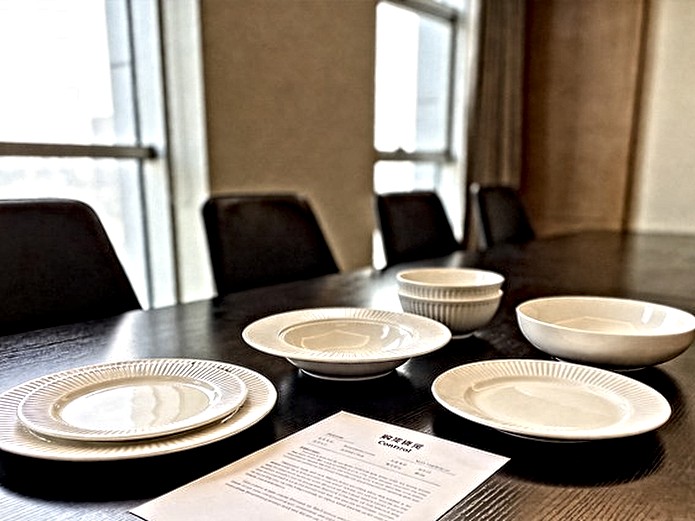
- Request pre-production samples before bulk orders
- Define clear quality standards and tolerance levels
- Confirm packaging specifications for export shipping
- Conduct final inspection before shipment release
Get OEM Ceramic Tableware Support
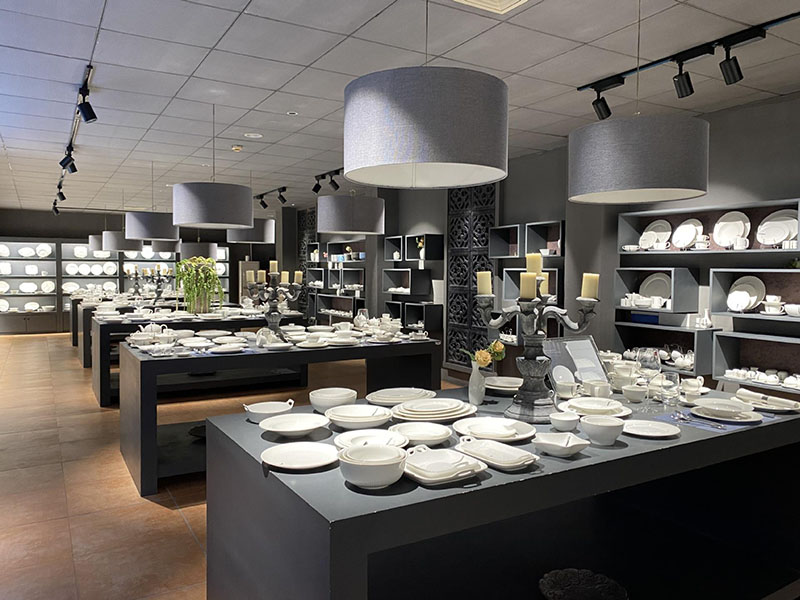
We provide OEM and ODM ceramic tableware solutions for wholesalers, importers, and distributors worldwide.
Our production process includes strict quality inspection standards to ensure stable product quality and reliable export performance.
Contact us for product catalogs, pricing, and bulk order support.