Ceramic Quality Control Checklist for Bulk Tableware Manufacturing
Ceramic Quality Control Checklist is a structured inspection system used in bulk ceramic tableware manufacturing to ensure stable production quality, reduce defects, and improve export reliability.
In global ceramic sourcing, inconsistent quality is one of the biggest risks for importers and wholesalers. A complete Ceramic Quality Control Checklist helps factories control every production stage from raw material to final shipment.
Table of Contents
- Why Ceramic Quality Control Checklist Matters
- Raw Material Inspection
- Forming and Molding Control
- Glazing Quality Control
- Firing Defects Inspection
- Functional Testing Standards
- Packaging Inspection System
- Final Export QC Process
- Common QC Failure Risks
- FAQ
- Contact Factory
Why Ceramic Quality Control Checklist Matters
The Ceramic Quality Control Checklist is essential in preventing production defects that can cause serious losses in international trade.
- Batch-to-batch color inconsistency
- Cracks after kiln firing
- High breakage during container shipping
- Incorrect SKU or packaging errors
According to ISO 9001 quality management standards, manufacturing consistency is a core requirement for export industries.
Raw Material Inspection
Raw material quality directly determines the durability and appearance of ceramic products.
- Clay purity and composition control
- Moisture level regulation before forming
- Removal of iron spots and impurities
Unstable raw materials can lead to structural weakness after firing, increasing defect rates significantly.
Forming and Molding Control
During forming, dimensional precision is critical for stacking, packaging, and retail consistency.
- Uniform wall thickness control
- Stable base structure without wobbling
- Accurate diameter and height tolerance
- No deformation during drying stage
Glazing Quality Control
Glazing affects both appearance and durability of ceramic tableware.
- Even glaze distribution without streaks
- No bubbles, pinholes, or cracks
- Color consistency across batches
- Dust-free surface before firing
Firing Defects Inspection
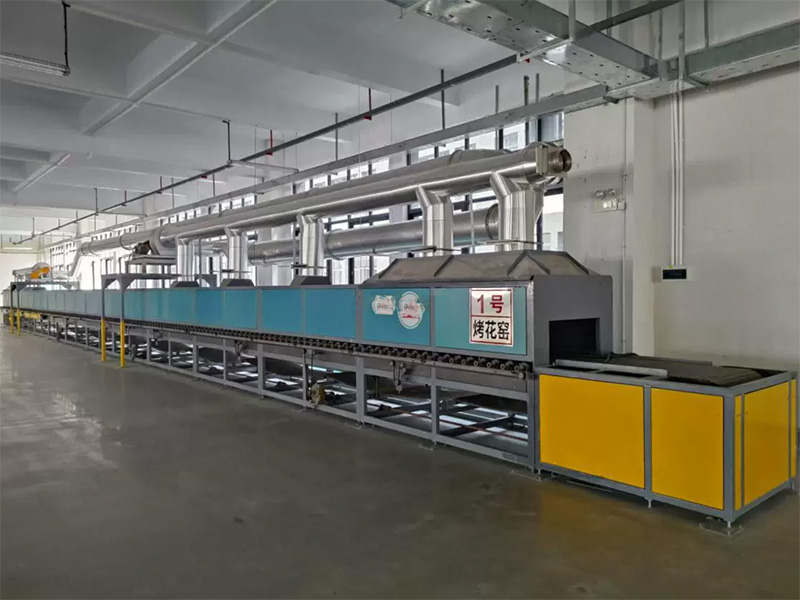
Firing is the most critical stage in the Ceramic Quality Control Checklist.
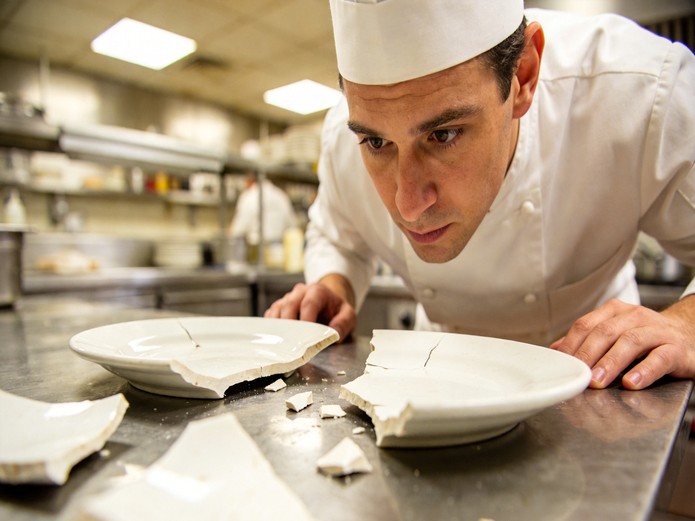
- Cracking caused by temperature imbalance
- Warping after kiln cooling
- Black spots or burn marks
- Incomplete vitrification
Functional Testing Standards
Ceramic products must meet functional safety requirements for global markets.
- Heat resistance testing
- Dishwasher durability testing
- Microwave safety verification
- Impact resistance testing
Packaging Inspection System
Packaging is a key factor in reducing damage during international shipping.
- Foam and divider protection system
- Double-wall export cartons
- Drop test validation before shipment
- Correct SKU labeling system
Final Export QC Process
The final stage ensures all Ceramic Quality Control Checklist requirements are met before shipment.
- AQL sampling inspection
- Quantity verification against PO
- Pallet stability check
- Container loading supervision
Common QC Failure Risks in Ceramic Production
- Inconsistent glaze thickness
- Hidden cracks after firing
- Undetected surface defects
- Poor packaging leading to breakage
These risks can be reduced by implementing a strict Ceramic Quality Control Checklist system at every production stage.
FAQ – Ceramic Quality Control Checklist
What is a Ceramic Quality Control Checklist?
It is a structured inspection system used to control ceramic product quality from raw materials to final shipment.
Why is ceramic QC important?
It reduces defects, improves consistency, and prevents shipping damage in bulk production.
What is AQL inspection in ceramics?
AQL is a statistical sampling method used to check product quality before shipment.
Which stage is most important in ceramic QC?
Firing is the most critical stage because it determines final strength and durability.
Get Professional Ceramic QC Support
We provide OEM ceramic manufacturing with strict Ceramic Quality Control Checklist systems for global importers and wholesalers.
WhatsApp: 15919857245