Ceramic tableware packaging is one of the most critical yet overlooked aspects of international bulk sourcing. When your shipment of plates, mugs, or bowls arrives cracked and chipped, the damage rarely comes from the product itself—it comes from inadequate packaging and shipping protocols. For B2B importers and hospitality brands, breakage during transit is one of the most costly and frustrating challenges in bulk ceramic procurement. A single container of damaged goods doesn’t just mean lost product—it means delayed openings, unhappy customers, and strained supplier relationships.
At CeraSupply, we’ve shipped millions of ceramic pieces across oceans and continents. Over the years, we’ve developed a comprehensive ceramic tableware packaging and shipping system that keeps damage rates below 1%. In this guide, we’ll walk you through every step of the process—from inner packaging design to container loading protocols—so you can evaluate your current supplier’s logistics capabilities or build a more resilient shipping strategy of your own.
1. Understanding the Damage Risks in Ceramic Tableware Packaging and Shipping
Before building a ceramic tableware packaging strategy, it’s essential to understand where damage typically occurs. In international bulk ceramic orders, the most common damage points include:
- Vibration damage: Long-haul trucking and sea freight create constant micro-vibrations that cause glaze scratching and edge chipping between pieces when ceramic tableware packaging lacks proper cushioning.
- Impact damage: Container handling at ports—crane lifts, forklift movements, and stacking—creates sudden shocks that crack or shatter ceramics in poorly designed packaging.
- Compression damage: Improper stacking or overloading causes the bottom layers to bear excessive weight, leading to structural failure of cartons and crushing of products.
- Moisture damage: Ocean freight exposes shipments to high humidity and condensation (“container rain”), which can degrade cardboard strength and stain unglazed ceramic surfaces.
- Temperature fluctuation: Extreme temperature swings during transit can cause thermal stress cracks, particularly in thicker stoneware items.
Understanding these risks is the first step toward eliminating them. A professional ceramic manufacturer should have specific countermeasures for each damage type built into their ceramic tableware packaging standards.
2. Inner Packaging: The First Line of Defense in Ceramic Tableware Packaging
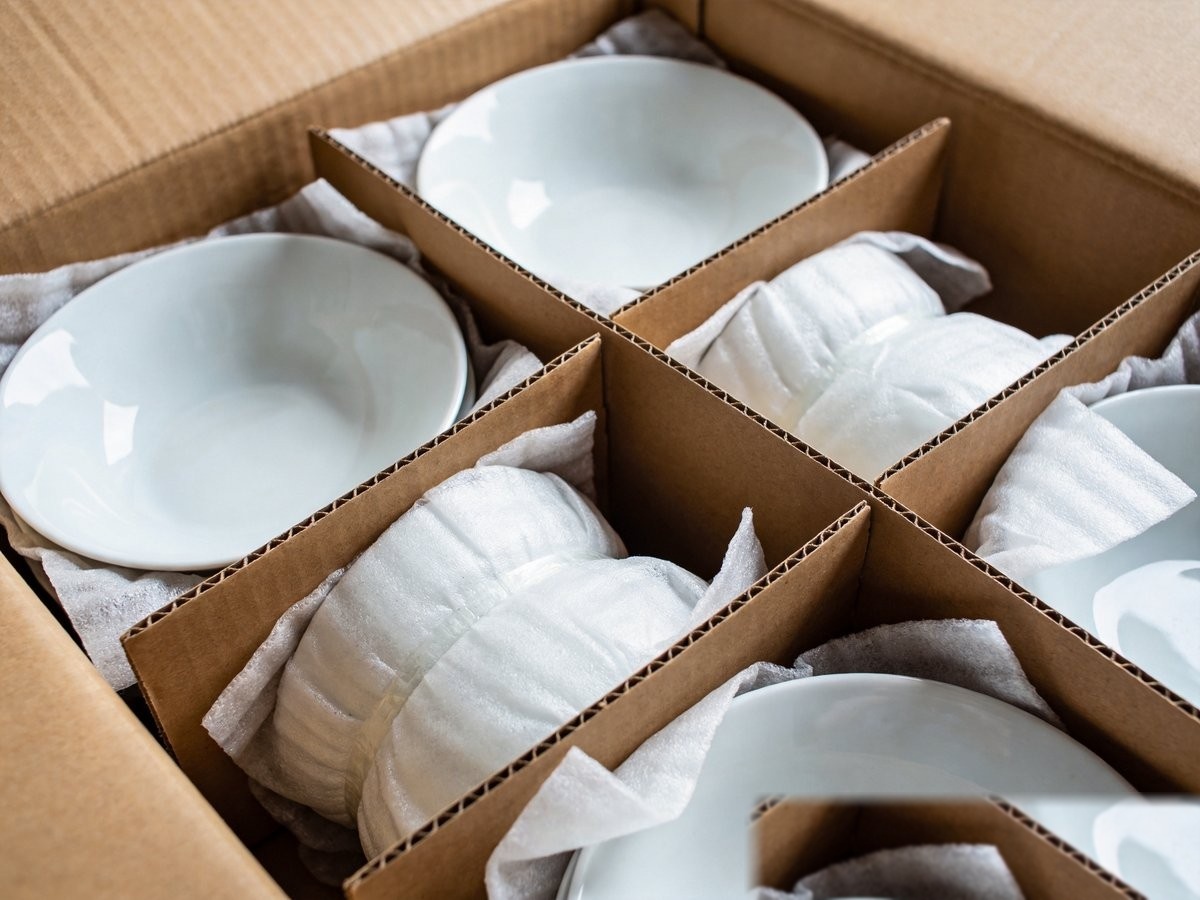
Inner packaging is where ceramic tableware packaging damage prevention begins. Every individual ceramic piece must be isolated from its neighbors to prevent contact damage. Here are the industry-standard approaches:
Individual Wrapping
Each piece should be wrapped in EPE (expanded polyethylene) foam or corrugated cardboard dividers. For premium lines, bubble wrap with anti-static properties provides additional protection. Avoid newspaper or low-grade tissue—it leaves ink residue and provides minimal cushioning for ceramic tableware packaging.
Partition Systems
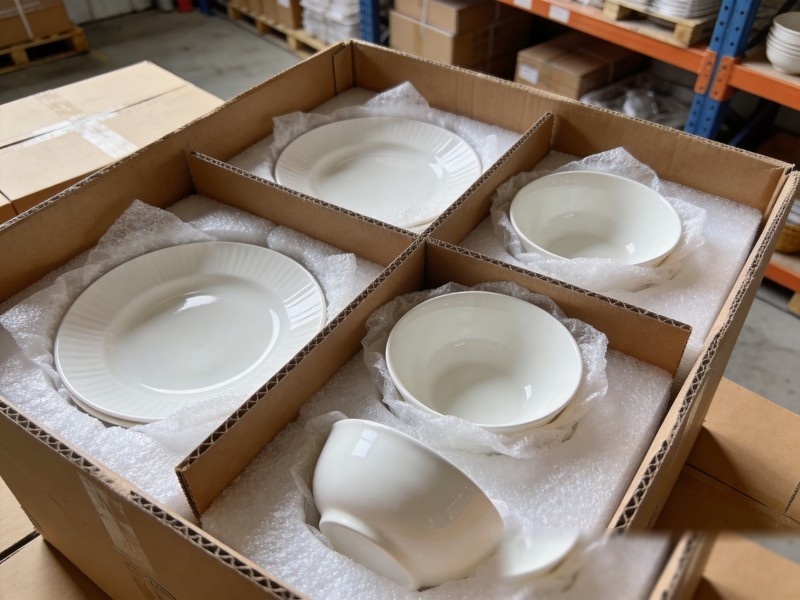
For plates and platters, cardboard or foam partition grids are essential. These create individual “cells” within each carton, preventing pieces from shifting even when the box is tilted. At CeraSupply, we use custom-cut EPE foam partitions sized to each product’s exact dimensions—ensuring zero lateral movement in our ceramic tableware packaging.
Edge and Rim Protection
The rim of a plate or the handle of a mug is the most vulnerable point. Reinforced edge protectors—U-shaped foam channels that wrap around rims—absorb impact energy that would otherwise cause chipping. This is especially critical for hospitality-grade dinnerware with thin, refined edges in professional ceramic tableware packaging.
3. Outer Carton Standards: Beyond Basic Cardboard
The outer carton is the structural backbone of your ceramic tableware packaging shipment. Substandard cartons collapse under stacking weight, turning a well-packed inner layer into rubble. Here’s what professional ceramic exporters require:
- Double-wall or triple-wall corrugated board: Standard single-wall cartons are insufficient for heavy ceramic loads. Double-wall (BC-flute) provides the compression strength needed for palletized shipments.
- Bursting strength rating: Cartons should meet a minimum bursting strength of 14 kg/cm². This ensures the box maintains integrity even when subjected to lateral pressure during container loading.
- Weight limit labeling: Each carton should be clearly marked with its maximum stacking weight. This prevents warehouse workers from over-stacking during container loading.
- Water-resistant coating: For ocean freight, cartons should have a water-resistant outer layer or be treated with a moisture-barrier spray. This prevents “container rain” from weakening the carton structure.
- Reinforced taping: H-taping (taping all seams and edges with reinforced filament tape) prevents carton opening during rough handling.
4. Palletizing and Container Loading Protocols
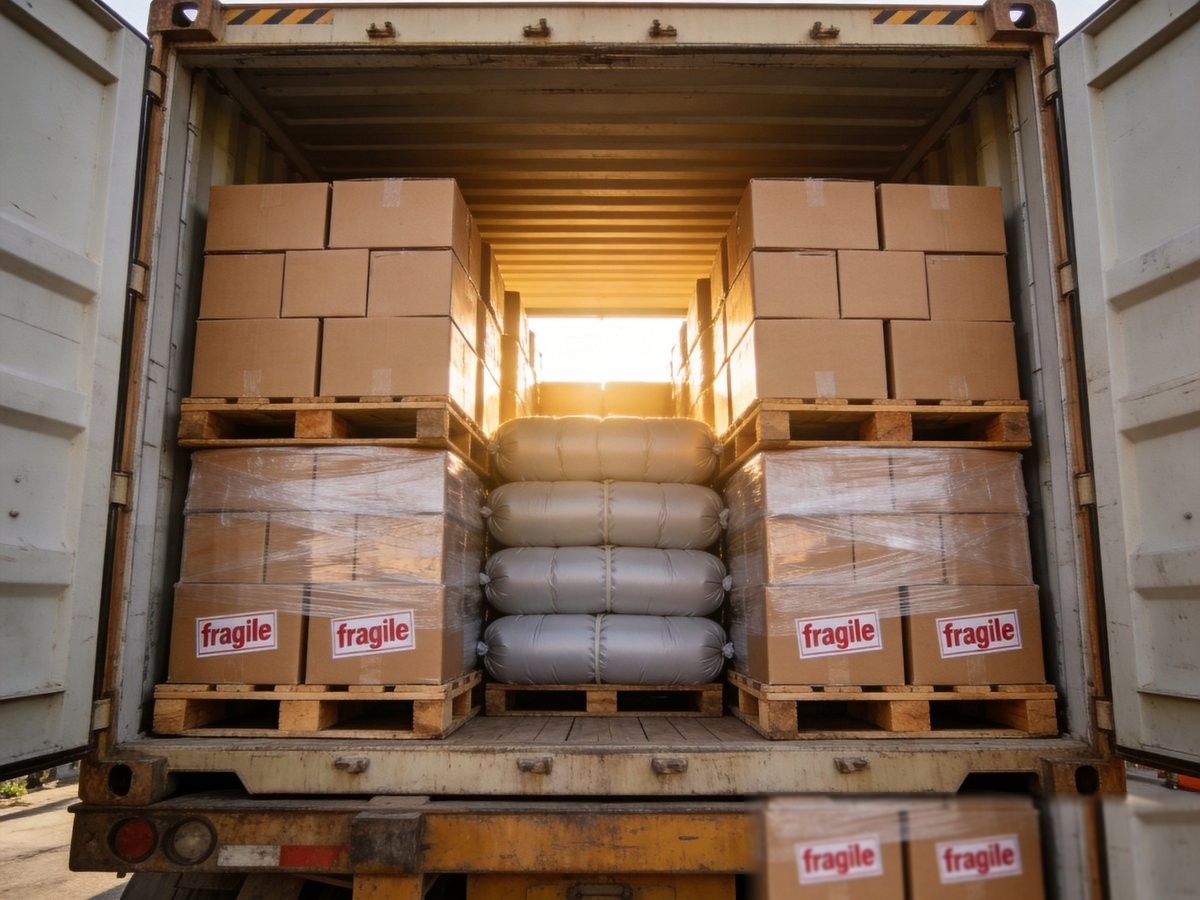
How cartons are arranged inside the shipping container is just as important as the ceramic tableware packaging itself. Poor container loading is responsible for more damage than most importers realize.
Pallet Configuration
Standard export pallets (1200mm × 1000mm or 1200mm × 800mm) should be used, with cartons arranged in an interlocking pattern to maximize stability. Each pallet layer should be separated by a cardboard slip sheet to distribute weight evenly.
Container Securing
Once pallets are loaded into the container, they must be secured with dunnage bags (inflatable air bags) and lashing straps. These prevent pallets from shifting during the rolling motion of ocean vessels—a movement that can generate forces of up to 2G in heavy seas.
Load Distribution
Heavier items (large platters, stoneware bowls) should be loaded at the bottom, with lighter items (mugs, saucers) on top. Never mix heavy and light items in the same vertical column—this creates crushing risk.
5. Moisture Control for Ocean Freight
Container rain is one of the most underestimated risks in ceramic tableware packaging and shipping. When a sealed container moves from a warm port to cooler ocean waters, the temperature differential causes moisture to condense on the container ceiling and walls—raining down onto your cargo.
To combat this, professional shippers use:
- Desiccant packs: Calcium chloride-based desiccants hung from the container ceiling absorb excess moisture. For a standard 20ft container, 8-12 units of 1kg desiccants are recommended.
- Container liners: Polyethylene liners create a moisture barrier between the container walls and the cargo, preventing direct condensation contact.
- Ventilation management: Some containers have adjustable ventilation ports. For ceramic shipments, these should typically be closed to prevent humid air from entering during tropical port stops.
6. Insurance and Documentation Best Practices
Even with perfect ceramic tableware packaging, insurance is essential for international ceramic shipments. Here’s how to protect yourself financially:
- All-risk marine insurance: Ensure your policy covers “all risks” including breakage, water damage, and handling damage. Basic policies often exclude ceramics as “inherently fragile.”
- Pre-shipment photos: Document the packaging condition before container sealing. Photos of the loaded and secured container provide evidence if a claim is needed.
- Bill of Lading notations: Note any visible container damage on the Bill of Lading at the time of loading. This prevents carriers from denying claims based on “pre-existing conditions.”
- Damage threshold agreements: Establish a clear damage tolerance (e.g., 2% breakage rate) with your supplier in the purchase contract. Anything above this threshold triggers a replacement or credit.
7. Quality Inspection at Loading: The Final Checkpoint
A Pre-Shipment Inspection (PSI) should include a dedicated ceramic tableware packaging audit. Before the container is sealed, a qualified inspector should verify:
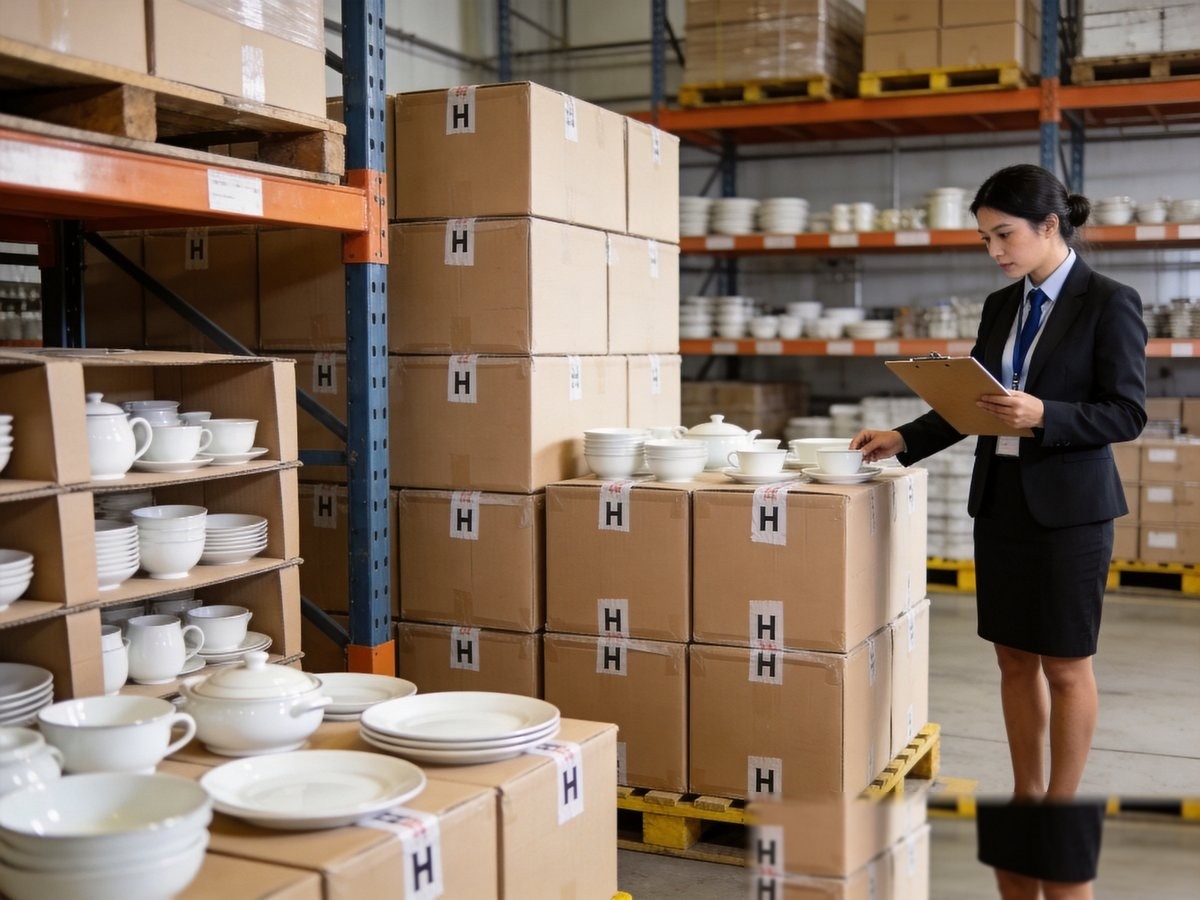
- All cartons are properly sealed with H-taping
- Partition systems are correctly installed in each carton
- Pallets are wrapped with stretch film (minimum 3 layers)
- Dunnage bags are properly inflated and positioned
- Desiccant packs are hung and container liner is installed
- Container door seals are intact and the container number is recorded
At CeraSupply, every shipment undergoes a 12-point ceramic tableware packaging inspection before container sealing. We provide our clients with a full photo report—including packaging details, pallet configuration, and container loading sequence—for complete transparency.
Why Ceramic Tableware Packaging Standards Matter for Your Brand
Consistent delivery quality is the foundation of brand trust. When your ceramic tableware arrives in perfect condition—shipment after shipment—your customers build confidence in your reliability. Conversely, even a single damaged shipment can erode years of relationship-building. By demanding professional ceramic tableware packaging standards from your supplier, you’re not just protecting products; you’re protecting your brand’s reputation.
Frequently Asked Questions About Ceramic Tableware Packaging and Shipping
Q: What is an acceptable breakage rate for international ceramic tableware packaging and shipments?
A: With proper ceramic tableware packaging, breakage should be below 1-2%. Rates above 5% indicate serious packaging deficiencies that need to be addressed with your supplier.
Q: Should I choose FCL or LCL for ceramic shipments?
A: FCL (Full Container Load) is strongly recommended for ceramics. LCL (Less than Container Load) involves multiple handlings and shared container space, significantly increasing damage risk even with good ceramic tableware packaging.
Q: How long does ocean freight typically take for ceramic orders from China?
A: Transit times vary by destination—typically 15-20 days to Southeast Asia, 25-35 days to Europe, and 18-25 days to the US West Coast. Factor in 7-14 days for ceramic tableware packaging and production before shipment.
Q: Can I request custom ceramic tableware packaging for retail-ready shipments?
A: Yes. Many importers request retail-ready ceramic tableware packaging—gift boxes, branded sleeves, or window boxes—that eliminates the need for repackaging at destination. Discuss this with your supplier during the sampling phase.
Need a Reliable Ceramic Tableware Packaging Partner?
CeraSupply delivers bulk ceramic orders worldwide with industry-leading ceramic tableware packaging standards and damage rates below 1%. Whether you’re importing ceramic mugs, plates, or full hospitality dinnerware sets, our logistics team ensures your shipment arrives safely. Get a free quote and ceramic tableware packaging consultation today.