Ceramic Color Consistency: How Restaurant Chains Match Reorders
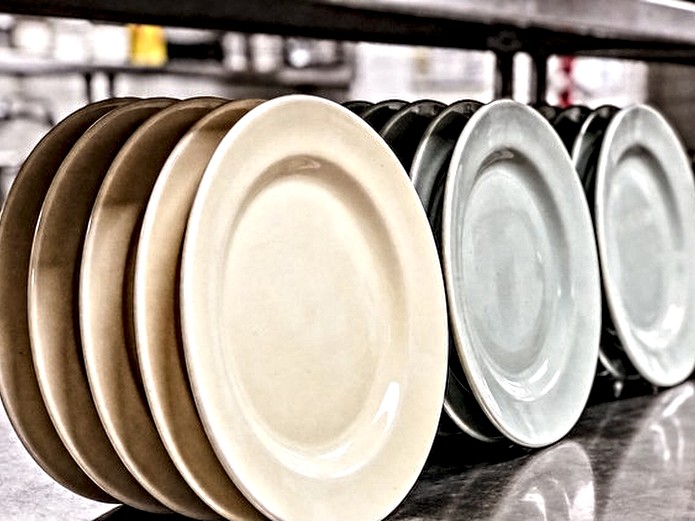
Ceramic color consistency is critical for chains reordering tableware. Learn strategies to match glaze shades across batches and prevent mismatched plates.

Expert B2B sourcing guides, compliance checklists, and wholesale logistics advice for global importers, distributors, and hospitality procurement managers looking to source high-quality ceramic tableware from China safely and efficiently.
Ceramic color consistency is critical for chains reordering tableware. Learn strategies to match glaze shades across batches and prevent mismatched plates.
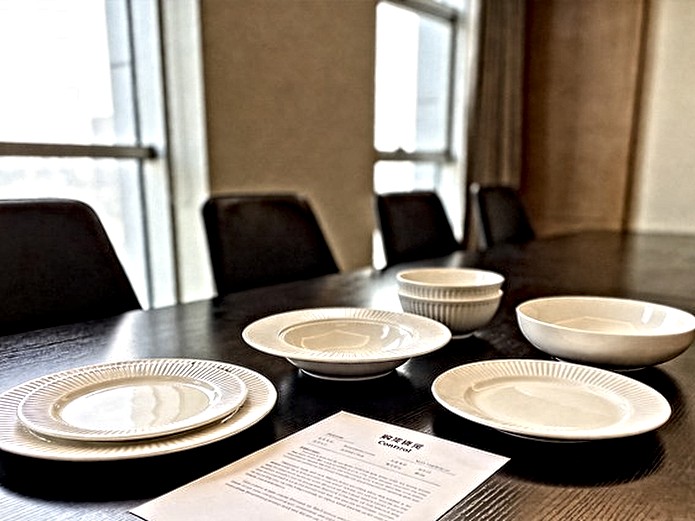
A ceramic tableware purchase contract protects your deposit, delivery schedule, and quality standards. This guide covers the 8 clauses every B2B buyer should negotiate before signing.
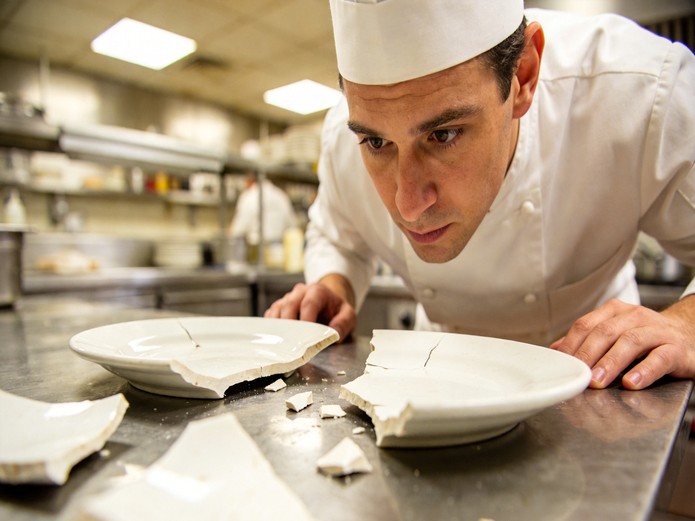
Learn how to calculate your ceramic tableware breakage rate, diagnose root causes, and implement proven strategies to cut replacement costs.
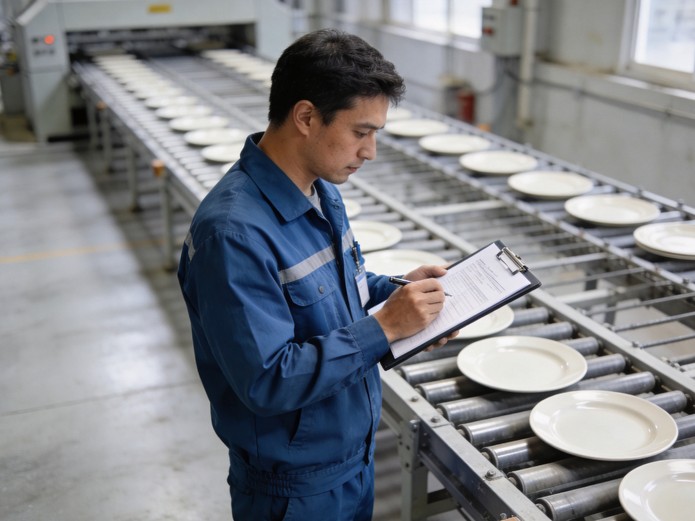
Use this ceramic supplier audit checklist to evaluate a new factory in 7 days. Daily tasks, sample tests, and red flags for B2B buyers.
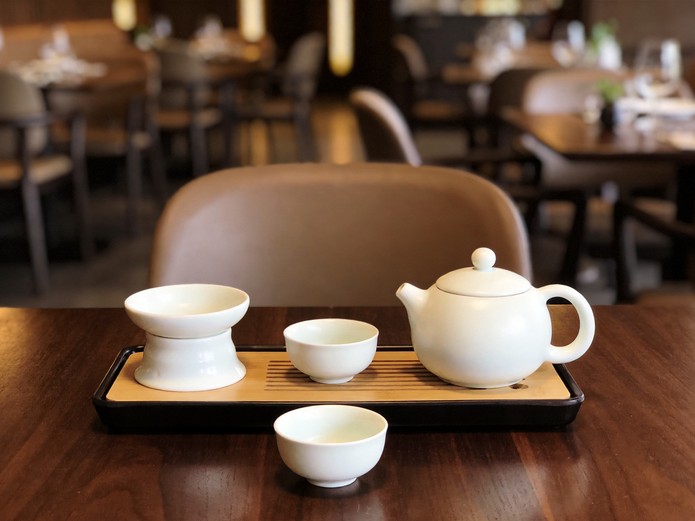
Learn how restaurants source ceramic tea sets, teapots, and accessories. Compare styles, materials, MOQs, and pricing for tea service programs.

Farm to table ceramic tableware helps rustic restaurants create authentic dining experiences. Learn styles, glazes, and sourcing strategies.
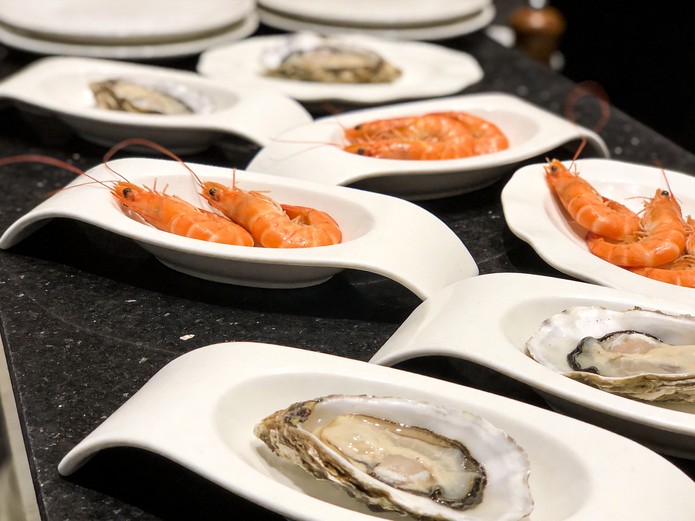
Seafood restaurant ceramic tableware sourcing guide for raw bars, oysters, and shellfish service. MOQs, glaze specs, and supplier vetting included.

Brunch restaurant ceramic tableware must handle runny eggs, hot coffee refills, and photo-worthy plating. Learn how to choose plates, bowls, and cups that survive high-turnover service.
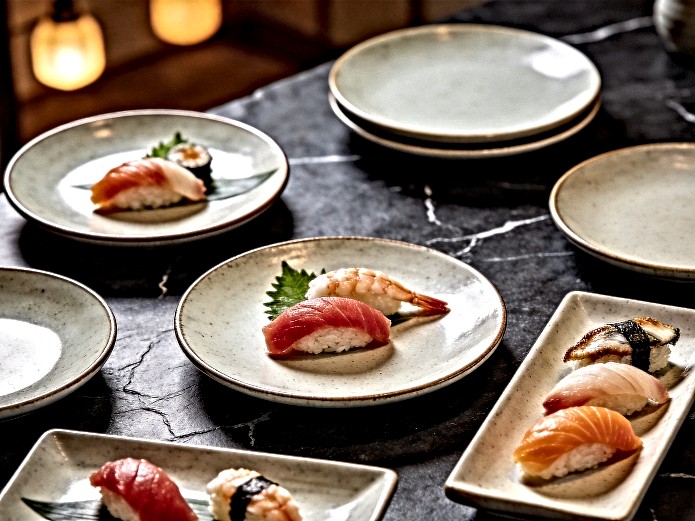
Ceramic tableware sushi restaurants need plates that survive soy sauce stains and commercial dishwashers while looking refined for raw fish. This guide covers sizes, materials, and sourcing mistakes.
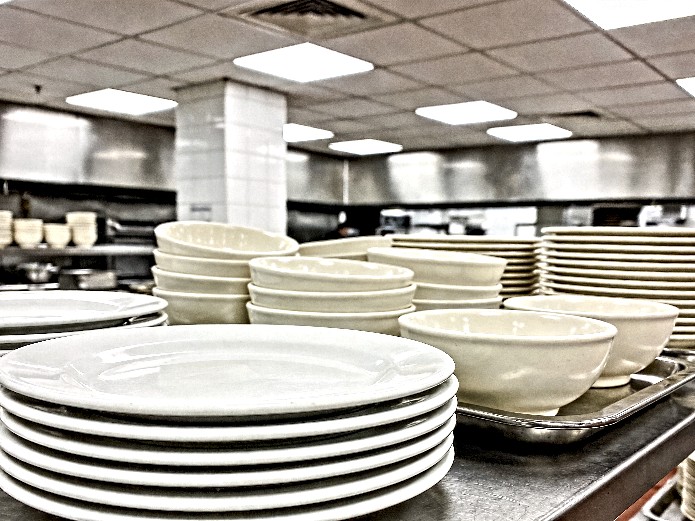
Food court operators source ceramic tableware food courts need daily. This guide covers material testing, sizing, and vendor vetting to reduce costs.