Category Sourcing Guides

Expert B2B sourcing guides, compliance checklists, and wholesale logistics advice for global importers, distributors, and hospitality procurement managers looking to source high-quality ceramic tableware from China safely and efficiently.

Ceramic Production Lead Time: Complete Planning Guide for Bulk Tableware Orders

ceramic production lead time planning for bulk tableware orders

Ceramic production lead time directly shapes inventory planning, cash flow, and supply chain reliability for B2B buyers sourcing from China. This comprehensive guide covers the 8 critical production stages—from raw material procurement and mold making to kiln firing and quality control. Discover typical lead times by product category (15–75 days), analyze seasonal impact like Chinese New Year, and implement 6 proven strategies to compress lead times by 20–40% while maintaining product quality.

Ceramic Tableware Wholesale from China: A Complete Purchasing Guide for B2B Buyers

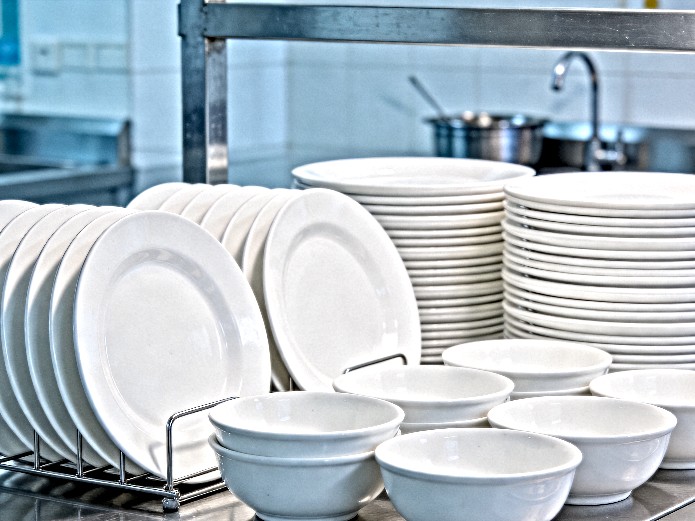
Ceramic tableware wholesale display - premium bulk porcelain plates bowls and cups

China accounts for over 70% of the global ceramic tableware supply, making ceramic tableware wholesale a highly lucrative avenue for international B2B buyers. This comprehensive guide analyzes the 3 core material categories (Porcelain, Stoneware, Bone China), breaks down unit costs and landed cost structures, and outlines key compliance standards like FDA and EU 84/500/EEC. Discover practical MOQ management strategies, essential export packaging protocols to keep breakage under 2%, and a 6-step framework for auditing reliable Chinese factories

Sustainable Ceramic Tableware: Complete Eco-Friendly Sourcing Guide for B2B Buyers

sustainable ceramic tableware set with eco-friendly earthy tones on natural wood table

Sustainable ceramic tableware has evolved into a mandatory procurement standard for global B2B buyers across retail, hospitality, and e-commerce. This comprehensive guide breaks down eco-friendly ceramic manufacturing innovations—from energy-efficient roller kilns and water recycling to zero-waste production and lead-free glazes. Discover key international certifications (ISO 14001, EU Ecolabel), navigate regional environmental compliance (EU CBAM, US Prop 65), and implement a 4-step sourcing framework to secure sustainable inventory within a ±3% cost margin.

Ceramic Decoration Techniques: Screen Printing vs Decal vs Hand-Painting — A B2B Buyer’s Guide

ceramic decoration techniques for B2B tableware buyers

Selecting the right ceramic decoration techniques directly impacts unit costs, lead times, design reproducibility, and dishwasher durability for B2B tableware buyers. This comprehensive guide analyzes the 3 primary decoration methods—Screen Printing, Decal Application, and Hand-Painting—comparing them across setup fees, per-unit economics, and production scalability[cite: 1, 2]. Learn how to align decoration choices with order volumes and brand positioning, ensure FDA/LFGB compliance, and choose the optimal technique for private-label or hospitality supply chains[cite: 1, 2].

Ceramic Production Lead Time: Complete Planning Guide for B2B Tableware Buyers

ceramic production lead time cover

Accurate ceramic production lead time planning is essential for B2B tableware buyers to optimize inventory, lower landed costs, and protect supply chain reliability. This comprehensive guide details the 7 core production stages (ranging from 30 to 90 days), evaluates key delay factors—such as seasonal volume surges and Chinese New Year shutdowns—and outlines 6 actionable strategies to compress lead times without sacrificing quality. Master backward-scheduling frameworks and risk management protocols for seamless sourcing from China.

China Ceramic Regions: A Buyer’s Guide to Jingdezhen, Chaozhou, Dehua & Liling

China ceramic production regions overview map showing major manufacturing hubs

China ceramic regions produce over 70% of the world's tableware, making regional selection a critical driver of sourcing profitability. This comprehensive guide breaks down the four major manufacturing hubs—Jingdezhen (hand-painted luxury), Chaozhou (mass-production powerhouse), Dehua (blanc de chine white porcelain), and Liling (underglaze value porcelain). Compare pricing, MOQs, lead times, and port proximity to match your product specs with the right industrial cluster for maximum supply chain efficiency.

Ceramic MOQ Strategy: How to Negotiate Minimum Orders and Reduce Sourcing Risk

ceramic MOQ strategy for bulk tableware orders

Minimum Order Quantity (MOQ) is a primary challenge for B2B buyers sourcing ceramic tableware. This comprehensive guide demystifies how Chinese manufacturers calculate MOQs based on kiln capacity, mold costs, and glaze preparation. More importantly, it provides five actionable negotiation strategies to help you secure lower minimums, reduce financial risk, and optimize your bulk ordering process, whether you're a startup or an established distributor.

Ceramic Tableware Design Trends 2026: What B2B Buyers Need to Know

ceramic tableware design trends 2026 collection featuring modern earthy tones

Ceramic design trends for 2026 are here, and they present a major opportunity for B2B buyers. This guide breaks down the top 5 styles—from minimalist and nature-inspired to artisan finishes—that will dominate the market. More importantly, it translates these trends into actionable sourcing strategies, helping you select the right products, manage mold investments, and secure a competitive edge for your business next year.

Ceramic Material Types: Stoneware vs Porcelain vs Bone China — A B2B Buyer’s Comparison Guide

ceramic material types comparison stoneware porcelain bone china

Choosing the right ceramic material is a critical decision for any tableware business. This comprehensive guide compares the three main types—stoneware, porcelain, and bone china—across key factors like durability, cost, and aesthetic appeal. Learn which material is best suited for casual dining, fine dining, or luxury retail, and make a confident sourcing decision for your next bulk order.