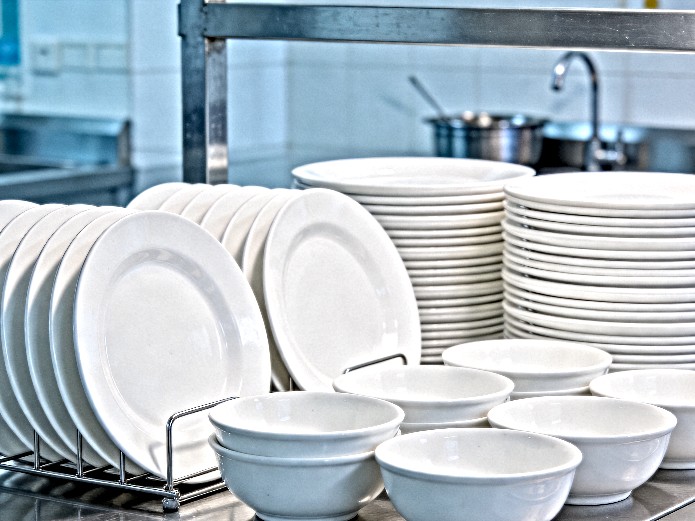
When importing ceramic tableware in bulk, product quality is only half the battle. The other half — getting fragile ceramics from the factory floor to your warehouse intact — depends entirely on proper ceramic packaging and shipping practices. Even the finest porcelain dinnerware is worthless if it arrives cracked, chipped, or shattered.
Ceramic packaging and shipping is a specialized discipline that combines material science, logistics engineering, and cost optimization. Whether you’re a first-time importer or a seasoned B2B buyer, understanding these best practices can reduce breakage rates from the industry average of 5-8% down to under 1%, saving thousands of dollars per container load.
In this comprehensive guide, we’ll walk you through every step of the ceramic packaging and shipping process — from inner protective layers to export carton specifications, palletization standards, and container loading strategies used by professional ceramic exporters.
Why Ceramic Packaging and Shipping Requires Specialized Handling
Ceramics are inherently brittle materials. Unlike metal or plastic tableware, ceramics cannot flex under impact — they fracture. This fundamental property makes ceramic packaging and shipping fundamentally different from most other consumer goods exports.
Key challenges in ceramic packaging and shipping include:
- Impact sensitivity — Ceramics fracture at relatively low impact forces (2-5 G for most tableware)
- Vibration damage — Extended road/rail transit creates micro-cracks that weaken products
- Compression risks — Stacking too many cartons can crush bottom layers
- Moisture vulnerability — Unfired or low-fire ceramics can absorb moisture during ocean transit
- Temperature fluctuation — Rapid temperature changes during shipping can cause thermal stress
Professional ceramic exporters address all five factors through a multi-layered packaging system and carefully planned shipping logistics. Understanding this system is essential for any serious B2B buyer evaluating suppliers — you can learn more about supplier evaluation in our supplier selection checklist.
The 4-Layer Ceramic Packaging and Shipping Protection System
Professional ceramic packaging and shipping follows a proven 4-layer protection system, with each layer serving a specific defensive function against different types of damage.
Layer 1: Individual Product Wrapping
Each ceramic piece receives individual protection before any grouping occurs:
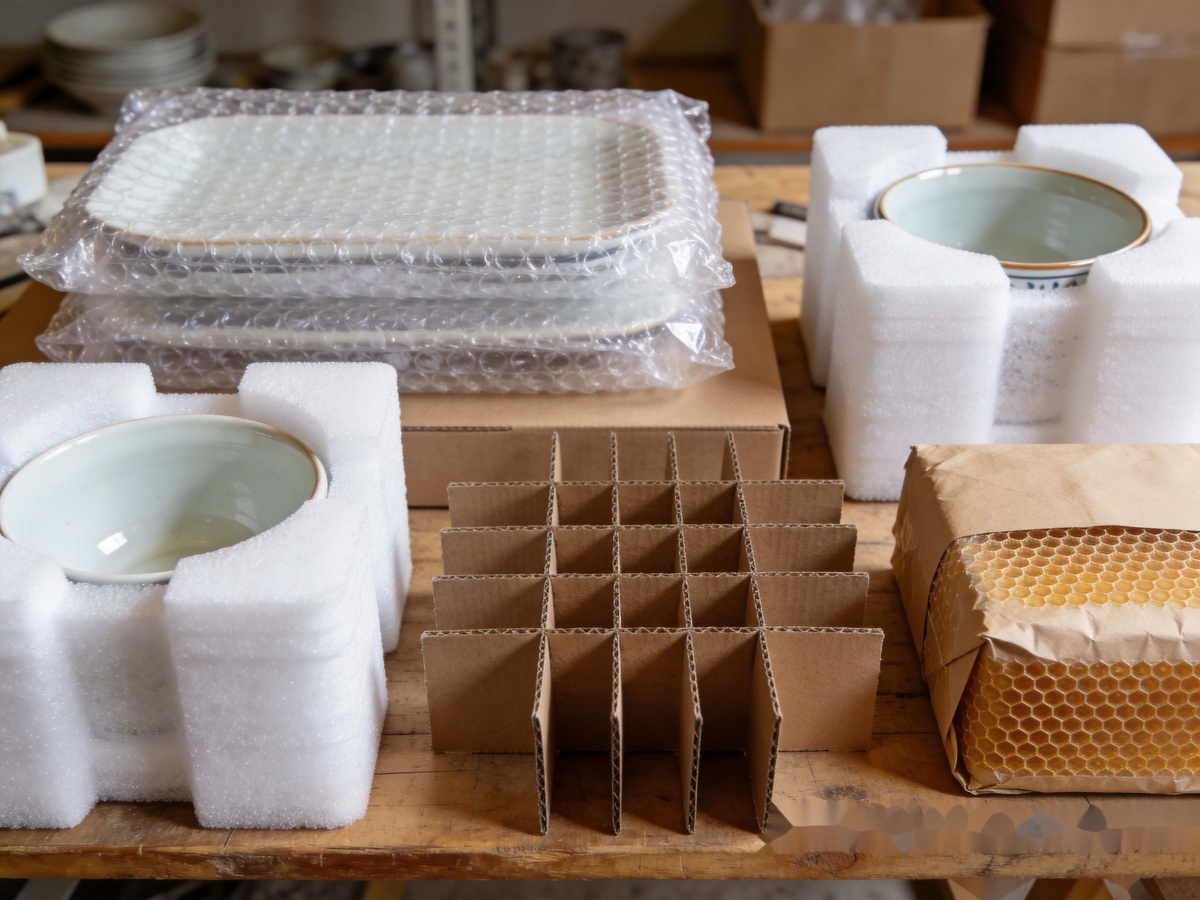
- PE foam sheets (0.5-1mm thick) — wraps each plate, bowl, or cup individually to prevent surface scratches
- Bubble wrap (medium bubble, 10mm diameter) — for delicate items like teapots, vases, or items with protruding handles
- Honeycomb paper wrap — an eco-friendly alternative to bubble wrap gaining popularity in ceramic packaging and shipping for European markets
- Foam corner protectors — placed on vulnerable edges and rims of larger pieces
Layer 2: Inner Carton Dividers and Cushioning
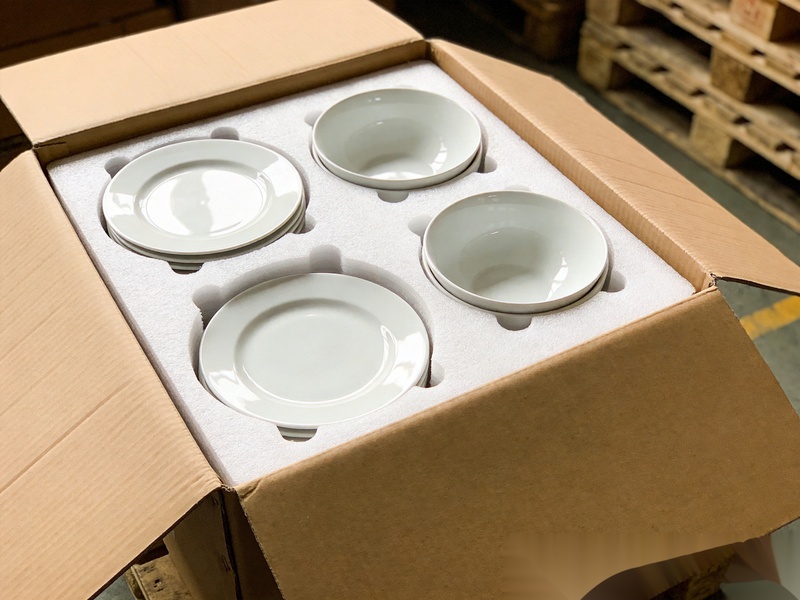
Products are then organized within inner cartons using structural separators:
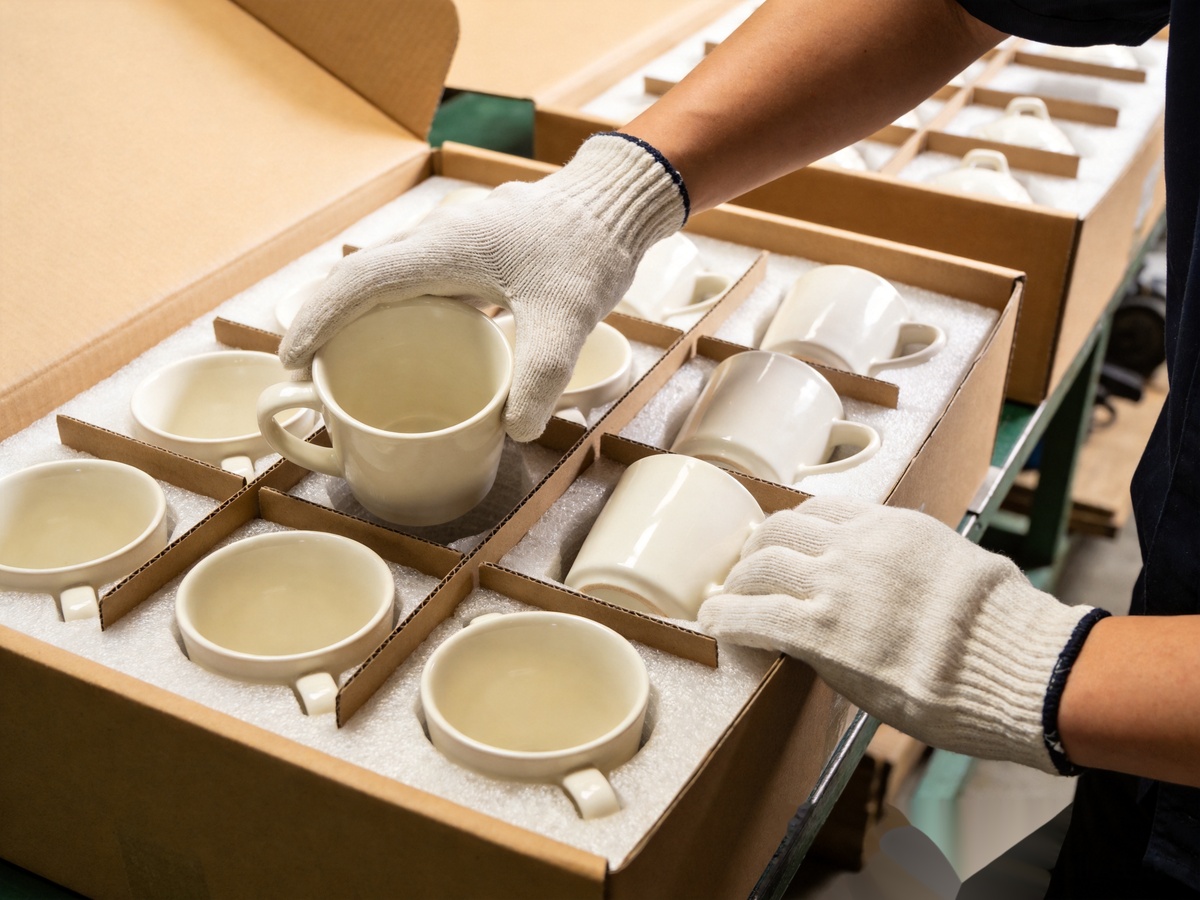
- Corrugated cardboard dividers — create individual cells for each piece, preventing product-to-product contact
- EPE foam inserts — custom-molded foam trays that cradle each item in its exact shape (used for premium lines)
- EPS foam sheets — placed between stacked plates as additional shock absorption
- Paper pulp trays — biodegradable option increasingly demanded by sustainability-conscious buyers
Layer 3: Export Carton Specifications
The outer carton is the primary structural defense in ceramic packaging and shipping. Professional exporters use:
- 5-layer corrugated cartons (double-wall, BC or BE flute) — minimum standard for export ceramics
- 7-layer cartons (triple-wall) — for heavier items like stoneware or large serving platters
- Bursting strength — minimum 14 kg/cm² for standard tableware, 18 kg/cm² for heavy stoneware
- Weight limit — each carton should not exceed 20-25 kg to prevent handling damage and worker injuries
Carton dimensions should be optimized for standard pallet sizes (1200×1000mm for Asia-Europe routes, 1200×800mm for intra-European distribution) to maximize container space utilization and minimize movement during transit.
Layer 4: Palletization and Container Loading
The final layer of protection in ceramic packaging and shipping is proper palletization:
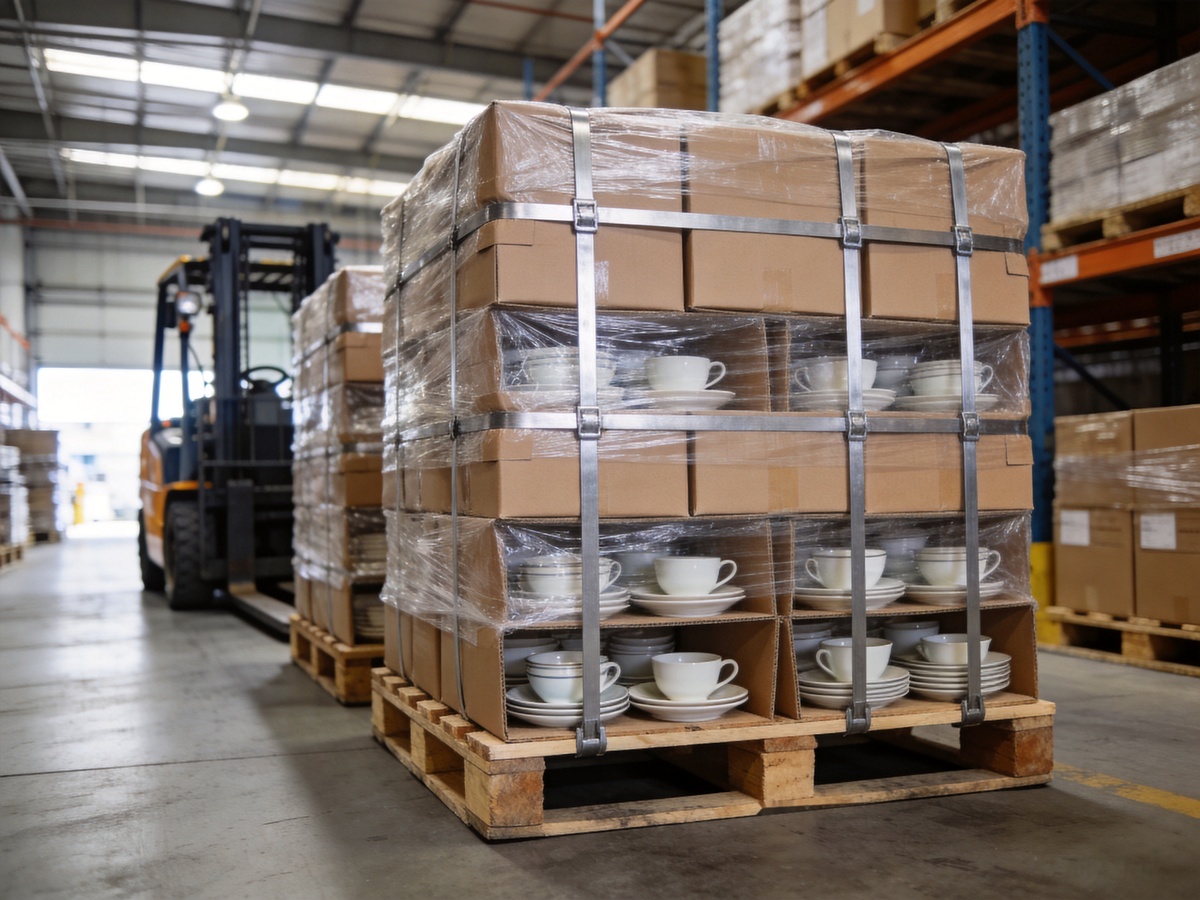
- Heat-treated wooden pallets (ISPM-15 certified) — required for most international shipments
- Corner boards and edge protectors — prevent strap damage to cartons
- Stretch wrap (minimum 4 layers) — secures cartons to pallet and prevents shifting
- Steel or PET straps — additional security for heavy loads, with corner protectors
- Anti-tip labels and “Fragile” markings on all sides
Container Loading Strategies for Ceramic Packaging and Shipping
How you load the container matters as much as how you package individual items. Poor container loading can negate even the best ceramic packaging and shipping preparations.
FCL (Full Container Load) Best Practices
For bulk ceramic orders, FCL shipping offers the best protection and cost efficiency:
- 20GP container — holds approximately 22-24 pallets, ideal for orders of 30,000-50,000 pieces
- 40HQ container — holds approximately 26-28 pallets, better per-unit shipping cost for orders of 60,000-100,000 pieces
- Loading pattern — pallets should be loaded wall-to-wall with minimal gaps; use airbags or dunnage bags to fill any voids
- Weight distribution — heavier items on the bottom, lighter items on top; distribute weight evenly across the container floor
- Door-end protection — use a cargo net or wooden bulkhead at the container doors to prevent load shift when doors are opened
LCL (Less than Container Load) Considerations
For smaller orders or sample shipments, LCL requires extra precautions in ceramic packaging and shipping:
- Request that your freight forwarder mark the shipment as “Fragile — Top Load Only”
- Use wooden crates instead of standard cartons for LCL shipments (better protection against other cargo)
- Consider adding a wooden frame around pallets for additional structural protection
- Insist on photos of your cargo before and after consolidation to document condition
Ceramic Packaging and Shipping Cost Breakdown
Understanding the cost structure of ceramic packaging and shipping helps B2B buyers evaluate supplier quotes and negotiate effectively. Here’s a typical breakdown for a 20GP container of ceramic tableware:
- Inner packaging materials (PE foam, bubble wrap, dividers): $0.03-0.08 per piece
- Export cartons (5-layer corrugated): $0.15-0.30 per piece equivalent
- Palletization (pallets, stretch wrap, strapping): $0.02-0.05 per piece
- Container loading labor: $0.01-0.03 per piece
- Total packaging cost: approximately $0.21-0.46 per piece (typically 3-8% of FOB product value)
For a deeper analysis of total landed costs including shipping terms, see our ceramic pricing breakdown guide.
Ceramic Packaging and Shipping Quality Control Checklist
Before any ceramic shipment leaves the factory, a thorough packaging inspection should be conducted. Here’s the essential ceramic packaging and shipping QC checklist that professional exporters follow:
- Carton drop test — Random cartons from each production batch are dropped from 76cm height on all faces, edges, and corners. Maximum allowable breakage: 0%
- Compression test — Stacked cartons must withstand 3x their own loaded weight for 24 hours without deformation
- Vibration test — Simulated transport vibration for 2 hours; no visible damage to contents
- Moisture resistance check — Carton material moisture content must be below 12%
- Labeling verification — All cartons properly labeled with product info, quantity, weight, handling symbols, and shipping marks
- Container condition inspection — Container floor clean, dry, free of holes, doors seal properly
- Loading supervision — Photo documentation at each loading stage (empty container, half-loaded, fully loaded, doors closing, seal applied)
For a complete quality control framework beyond packaging, see our ceramic quality control checklist.
Shipping Insurance and Claims for Ceramic Packaging and Shipping
Despite best practices in ceramic packaging and shipping, breakage can occur. Protecting your investment requires proper insurance coverage:
- All-Risk Marine Insurance — Recommended for ceramic shipments; covers breakage, theft, and water damage
- Typical premium rate — 0.3-0.5% of CIF value for ceramics (higher than general cargo due to fragility)
- Documentation required for claims — Pre-shipment photos, packing list, bill of lading, survey report at destination
- Claim threshold — Most policies have a deductible of 0.5-1% of insured value
Pro tip: Always photograph or video the unloading process at your destination warehouse. This documentation is invaluable for insurance claims and helps identify where in the supply chain damage occurred.
Ceramic Packaging and Shipping for Different Product Types
Not all ceramics require the same packaging approach. Here’s how ceramic packaging and shipping varies by product category:
Fine Porcelain and Bone China
The most fragile category requires maximum protection: individual PE foam wrap + bubble wrap + custom EPE foam inserts + 7-layer cartons. Weight per carton limited to 15-18 kg. Often shipped with silica gel packets to prevent moisture damage. For hospitality buyers, our hotel and restaurant tableware guide covers specific requirements for this segment.
Stoneware and Earthenware
Thicker and more durable than porcelain, but still requires careful packaging: PE foam wrap + corrugated dividers + 5-layer cartons. Weight per carton can go up to 25 kg due to the heavier nature of stoneware products.
Decorative and Gift Ceramics
Items with painted designs, decals, or metallic accents need extra surface protection: tissue paper wrap (to prevent decal scratching) + PE foam + individual gift box + master carton. These items often command premium packaging that adds $0.10-0.25 per piece to total costs.
Environmental Trends in Ceramic Packaging and Shipping
Sustainability is increasingly important in ceramic packaging and shipping, especially for buyers targeting European and North American markets where eco-conscious consumers expect responsible packaging:
- FSC-certified cartons — Ensures cardboard comes from responsibly managed forests
- Recycled paper pulp trays — Replacing EPS foam inserts for many product lines
- Honeycomb paper wrap — Biodegradable alternative to plastic bubble wrap
- Water-based inks — For carton printing, replacing solvent-based options
- Reusable wooden crates — For high-value shipments, crates can be returned and reused
Many leading ceramic production regions are adopting these sustainable practices. Learn more about China’s ceramic manufacturing hubs in our ceramic production regions guide.
Frequently Asked Questions About Ceramic Packaging and Shipping
Q: What is the acceptable breakage rate for ceramic packaging and shipping?
The industry standard is 3-5% breakage for bulk ceramic shipments. However, professional exporters with proper ceramic packaging and shipping systems typically achieve under 1% breakage. If your breakage consistently exceeds 3%, it’s a strong indicator that packaging standards need improvement. Always negotiate breakage thresholds into your purchase contracts.
Q: Should I request wooden crates instead of cartons for my ceramic shipment?
Wooden crates offer superior protection but cost 30-50% more than standard carton packaging. They are recommended for LCL shipments, high-value porcelain, shipments to destinations with rough inland transport infrastructure, and first-time orders where you want maximum protection while evaluating your supplier’s capabilities.
Q: How long can packaged ceramics sit in a container before damage risk increases?
Packaged ceramics in a sealed container can remain stable for months without increased damage risk. However, in humid climates, prolonged storage (over 60 days) can lead to moisture absorption, especially for earthenware products. Use silica gel desiccants and request moisture barrier bags for shipments expected to spend extended time in port or transit.
Q: What certifications should I look for in ceramic packaging and shipping?
Key certifications include ISPM-15 for wooden pallets (mandatory for most countries), FSC certification for carton materials, ISTA 3A testing compliance for packaging design, and ISO 9001 for the supplier’s overall quality management system. For food-contact ceramics, packaging should also comply with relevant food safety regulations — see our ceramic certification standards guide.
Q: Can I reduce ceramic packaging and shipping costs without increasing breakage risk?
Yes. Key cost optimization strategies include: optimize carton dimensions to maximize container space utilization (aim for 85%+ fill rate), negotiate bulk packaging material pricing with your supplier, use standardized packaging designs across product lines to reduce setup costs, and consolidate orders to ship FCL instead of LCL. However, never compromise on carton quality or inner protection to save costs — the savings are minimal compared to potential breakage losses.
Partner with CeraSupply for Reliable Ceramic Packaging and Shipping
At CeraSupply, ceramic packaging and shipping is built into every order. Our 4-layer protection system, pre-shipment quality inspections, and container loading supervision ensure your ceramic tableware arrives in perfect condition — whether you’re ordering 5,000 pieces or 500,000.
We work with factories across China’s top ceramic production regions and ship to over 40 countries worldwide. Our team handles everything from custom packaging design to freight forwarding coordination, so you can focus on growing your business.
Ready to discuss your ceramic packaging and shipping needs? Get a free quote today — our team will assess your order requirements and recommend the optimal packaging and logistics solution.