Choosing the right hotel restaurant ceramic tableware is one of the most impactful decisions any hospitality procurement manager can make. Whether you run a five-star hotel, a boutique restaurant, or a catering business, the tableware you select directly shapes the dining experience, influences customer perception, and affects your bottom line. This comprehensive guide covers everything B2B buyers need to know — from materials and sizing to durability standards, custom branding, and bulk sourcing strategies.
Why Hotel Restaurant Ceramic Tableware Matters for Your Business
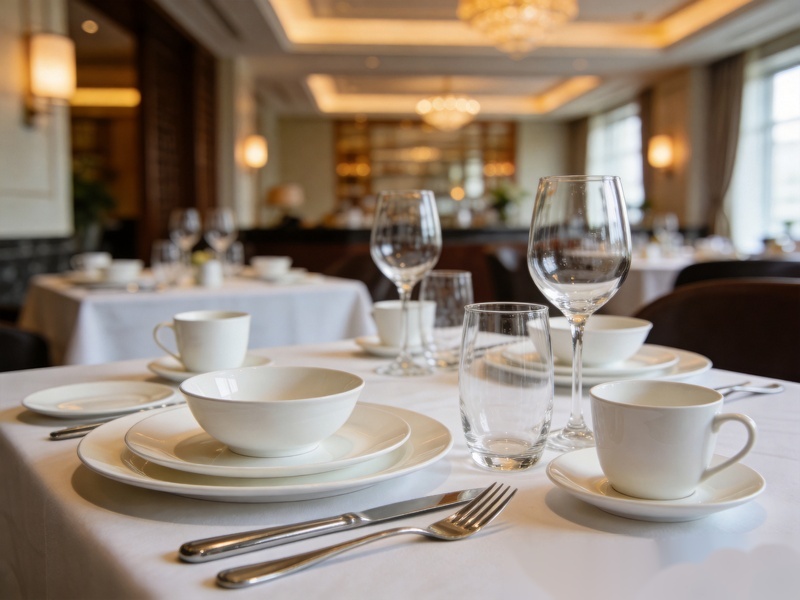
In the hospitality industry, presentation is everything. The hotel restaurant ceramic tableware you serve on communicates quality, attention to detail, and brand identity before a single dish reaches the table. Research shows that diners form impressions within the first 30 seconds of sitting down, and tableware plays a central role in that judgment.
For B2B buyers, the stakes are even higher. You’re not just buying plates — you’re investing in assets that must withstand daily commercial use while maintaining their aesthetic appeal over thousands of wash cycles. A well-chosen tableware collection can last 5–10 years in a commercial environment, making the initial sourcing decision critical to long-term cost efficiency.
- Durability: Commercial-grade ceramic tableware must survive high-temperature dishwashing, frequent handling, and occasional impacts
- Aesthetics: Tableware sets the tone for the entire dining experience and reinforces brand positioning
- Cost efficiency: Quality ceramics reduce replacement frequency and long-term procurement costs
- Compliance: Food-safe glazes and certifications (FDA, LFGB) are non-negotiable for hospitality operations
Types of Hotel Restaurant Ceramic Tableware Materials
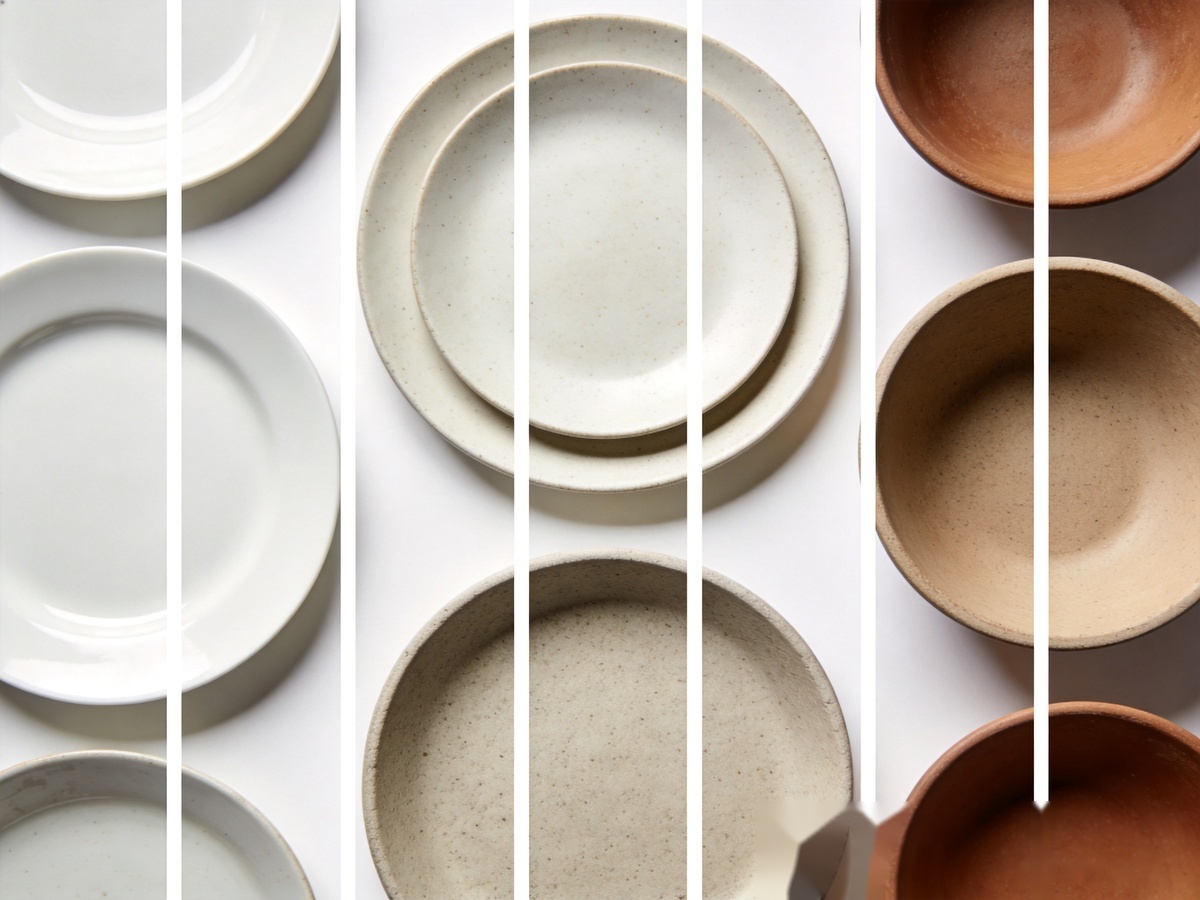
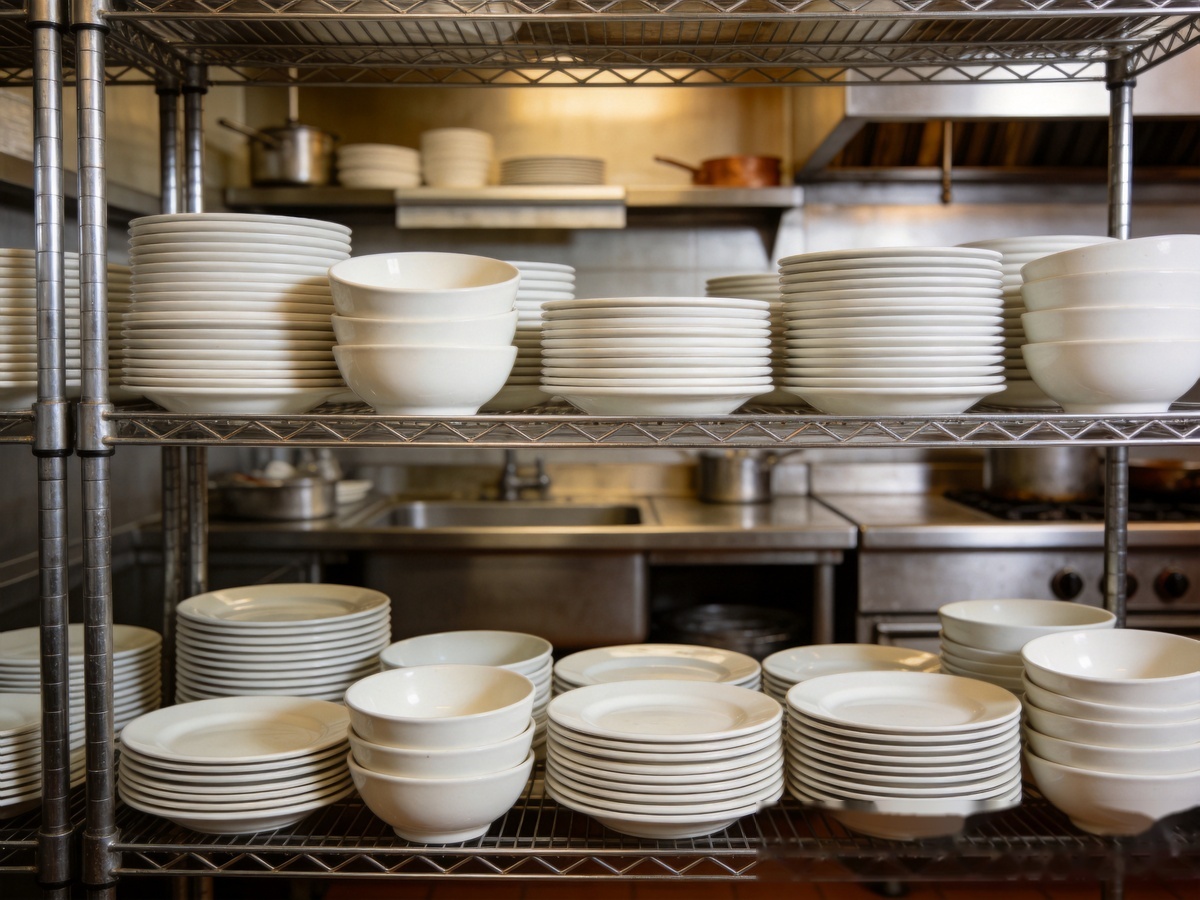
Understanding the material options for hotel restaurant ceramic tableware is essential for making informed purchasing decisions. Each material type offers distinct advantages for different hospitality segments.
Branding Options
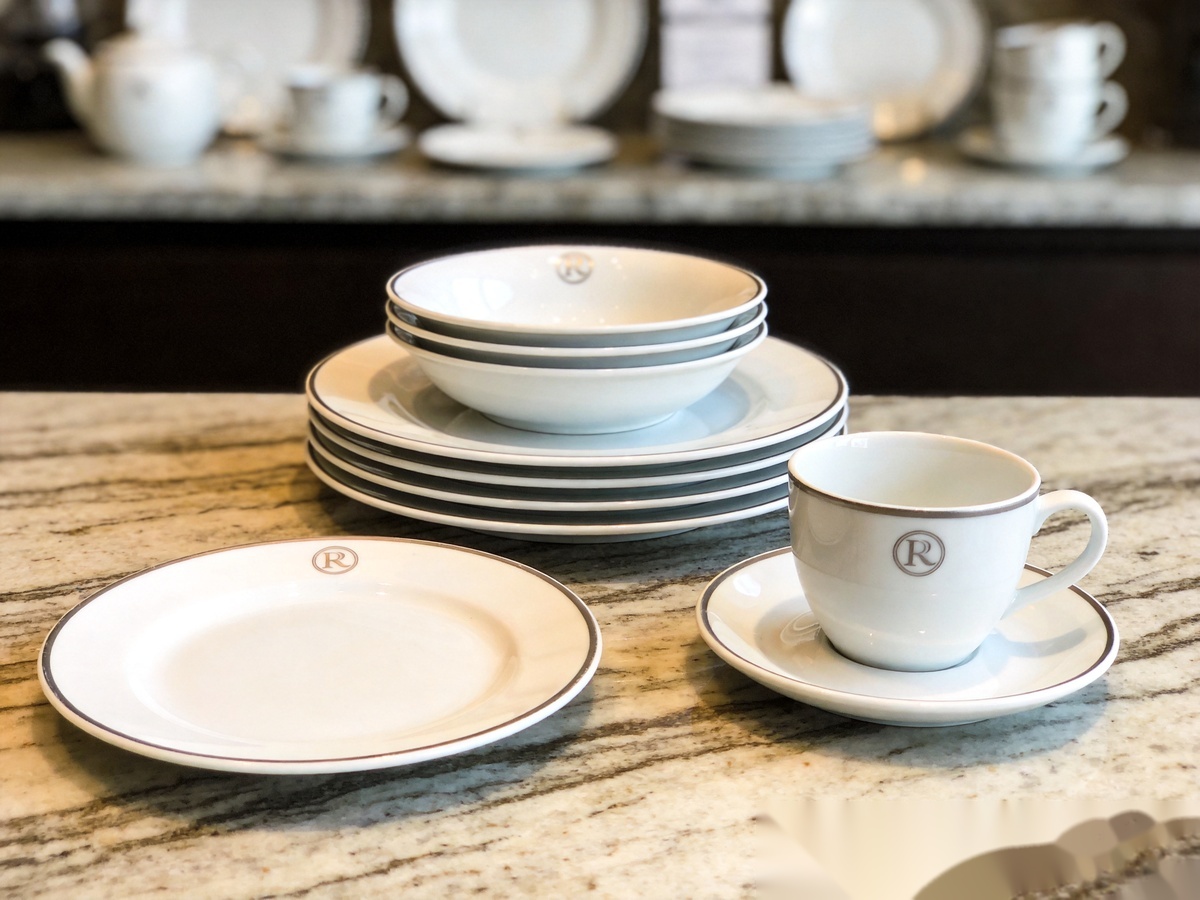
- Logo embossing: Subtle raised logo on the rim or base — elegant and long-lasting
- Decal printing: Full-color designs applied under or over the glaze — ideal for detailed logos and patterns
- Custom colors: Match your brand’s Pantone colors with bespoke glaze formulations
- Custom shapes: Unique silhouettes designed exclusively for your establishment
Minimum Order Quantities for Custom Tableware
Most ceramic manufacturers require minimum order quantities (MOQs) for custom branding:
- Logo embossing: 500–1,000 pieces per item
- Decal printing: 300–500 pieces per design
- Custom colors: 1,000–2,000 pieces per colorway
- Custom shapes: 2,000–5,000 pieces (includes mold development cost)
For more insights on customization and OEM options, explore our ceramic sourcing guides.
How to Source Hotel Restaurant Ceramic Tableware in Bulk
Sourcing hotel restaurant ceramic tableware in bulk requires a strategic approach to ensure quality, competitive pricing, and reliable delivery. Here are the key steps for B2B buyers:
- Define your requirements: Determine quantities, material preferences, sizes, and any branding needs before contacting suppliers
- Request samples: Always order samples (typically 5–10 pieces per item) to evaluate quality, weight, glaze finish, and packaging before committing to a bulk order
- Verify certifications: Request copies of FDA, LFGB, or SGS test reports — reputable ceramic tableware suppliers will provide these without hesitation
- Negotiate pricing: Bulk orders of 5,000+ pieces typically command 15–30% discounts over standard wholesale rates
- Plan logistics: Coordinate shipping timelines — production takes 30–45 days, plus 15–30 days for ocean freight depending on destination
- Establish quality control: Arrange third-party inspections before shipment, with AQL standards clearly defined in the purchase contract
For a complete breakdown of factory direct vs trading company sourcing, check our detailed comparison guide.
Hotel Restaurant Ceramic Tableware Maintenance Tips
Proper maintenance extends the lifespan of your hotel restaurant ceramic tableware investment. Implement these best practices across your operation:
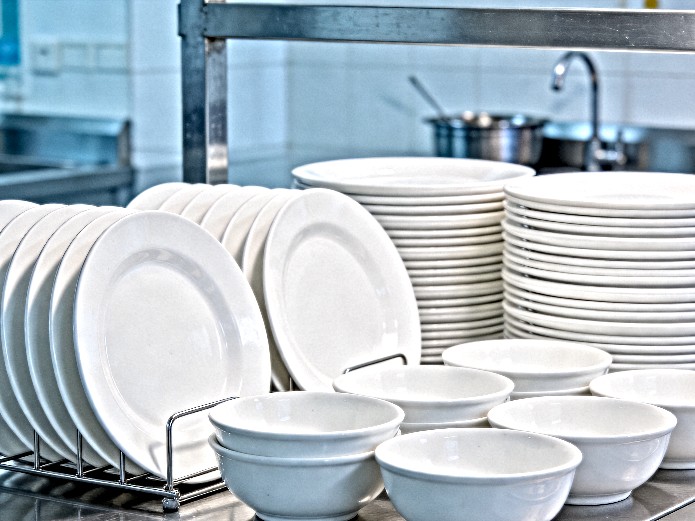
- Rack properly: Use peg-type dish racks that prevent plate-on-plate contact during washing and storage
- Control water temperature: Industrial dishwashers should operate at 60–65°C wash / 82–90°C rinse for optimal cleaning without thermal stress
- Avoid metal marking: Use non-abrasive cleaners to remove cutlery marks — steel wool or harsh scouring pads will damage the glaze surface
- Rotate stock: Implement a first-in, first-out (FIFO) system to distribute wear evenly across your tableware inventory
- Inspect regularly: Conduct weekly audits to identify chipped or cracked pieces — remove them immediately for safety and presentation standards
- Store at safe heights: Keep heavy plate stacks below shoulder height to reduce handling accidents
Learn more about ceramic packaging and shipping best practices to protect your tableware during transit and storage.
FAQ: Hotel Restaurant Ceramic Tableware
What is the best ceramic material for hotel restaurant tableware?
Porcelain is generally considered the best all-around material for hotel restaurant ceramic tableware due to its combination of durability, chip resistance, and elegant appearance. For luxury establishments, bone china offers superior strength with a lighter, more refined feel. Stoneware is an excellent choice for casual dining concepts that want a more rustic, artisanal aesthetic.
How many pieces of tableware should a restaurant order?
A common industry guideline is to maintain 2.5–3 times the number of seats for each plate and bowl type. For example, a 100-seat restaurant should stock approximately 250–300 dinner plates, 200 salad plates, and 200 soup bowls. This accounts for items in use, in the dishwasher, and in reserve for breakage replacement.
How long does commercial ceramic tableware last?
High-quality commercial ceramic tableware typically lasts 3–7 years in a busy restaurant environment, with an average annual breakage rate of 10–20%. Premium porcelain and bone china from reputable manufacturers can last 8–10 years with proper handling and maintenance protocols.
Can hotel restaurant tableware be customized with logos?
Yes, most ceramic tableware manufacturers offer custom branding services including logo embossing, decal printing, and custom color matching. Minimum order quantities typically start at 300–500 pieces for decal printing and 500–1,000 pieces for embossing.
What certifications are required for importing ceramic tableware?
Import requirements vary by destination market. The United States requires FDA compliance for food-contact ceramics, the European Union mandates LFGB certification, and many countries accept SGS or Intertek test reports for lead and cadmium leaching.
Ready to Upgrade Your Hotel Restaurant Ceramic Tableware?
Sourcing premium hotel restaurant ceramic tableware doesn’t have to be complicated. Whether you need 500 pieces for a boutique hotel or 50,000 pieces for a restaurant chain, working with a trusted manufacturer ensures consistent quality, competitive pricing, and on-time delivery.
Explore our full range of ceramic tableware products or get a free quote today — our team is ready to help you find the perfect tableware solution for your hospitality business.