Ceramic tableware weight is one of the most overlooked yet commercially significant specifications that B2B buyers must evaluate before placing bulk orders. Whether you are sourcing for a fine-dining restaurant chain, a hotel group, an e-commerce retail brand, or a wholesale distribution network, the weight and thickness of ceramic pieces directly affect shipping costs, breakage rates, customer perception, and ultimately your profit margin.
In this comprehensive guide, we break down everything B2B buyers need to know about ceramic tableware weight — from industry-standard weight ranges by product type and material, to how weight influences logistics, market positioning, and end-user satisfaction. By the end of this article, you will have a clear framework for specifying the right ceramic tableware weight for your target market.
Why Ceramic Tableware Weight Matters for B2B Buyers
Ceramic tableware weight is far more than a physical property — it is a strategic sourcing variable that impacts nearly every stage of the supply chain and the end-user experience. Here is why professional buyers treat ceramic tableware weight as a first-order specification:
- Shipping and logistics costs: Heavier tableware increases freight charges per container, directly affecting your landed cost. A single 20-foot container of heavyweight stoneware may carry 15–20% fewer units than the same container loaded with lightweight porcelain, yet cost more to ship.
- Breakage and damage rates: Counter-intuitively, thinner and lighter ceramics are not always more fragile. Modern high-fired porcelain achieves remarkable strength at lower weights, while some thick earthenware chips more easily due to lower firing temperatures and softer glazes.
- Customer perception and brand positioning: Weight communicates quality. A heavyweight plate feels premium and substantial in a fine-dining setting, while ultra-light bone china conveys elegance and sophistication. Mismatching weight to market expectations leads to returns and brand damage.
- Operational efficiency: In commercial kitchens and hospitality operations, staff handle thousands of plates daily. Even a 50-gram difference per plate translates to significant ergonomic impact over a full shift, affecting staff fatigue and handling speed.
Ceramic Tableware Weight Ranges by Material Type
Understanding ceramic tableware weight begins with the base material. Different ceramic types have inherently different density profiles, wall thickness capabilities, and firing characteristics. Here is a detailed comparison:
Bone China
Bone china is the lightest ceramic tableware material available. A standard 27cm (10.5-inch) dinner plate typically weighs between 350–450 grams. Bone ash content (minimum 30% for genuine bone china) creates a uniquely strong yet thin body, allowing wall thickness as low as 2–3mm. This makes bone china the preferred choice for luxury hospitality, high-end retail, and premium brand positioning.
Porcelain
Standard porcelain dinner plates (27cm) weigh between 450–650 grams, with wall thickness ranging from 3–5mm. High-fired porcelain (1280–1350°C) achieves excellent chip resistance and mechanical strength, making it the most versatile choice for both commercial foodservice and consumer retail. Porcelain offers the best strength-to-weight ratio among non-bone-china ceramics.
Stoneware
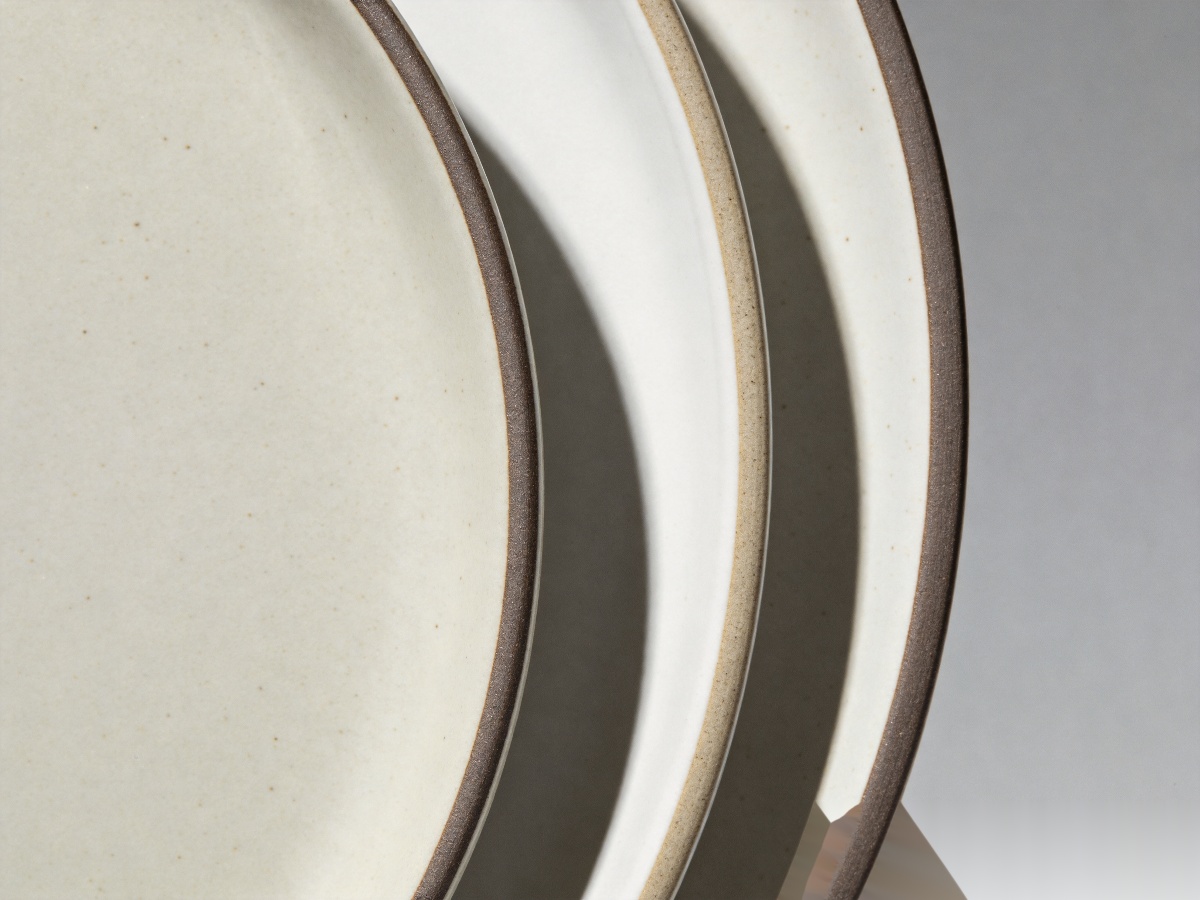
Stoneware plates are noticeably heavier, with a 27cm dinner plate typically weighing 650–900 grams and wall thickness of 5–8mm. The heavier weight conveys a rustic, artisanal, and handcrafted aesthetic that is extremely popular in casual dining, cafes, and the farm-to-table restaurant segment. Stoneware’s weight is a feature, not a flaw — buyers targeting these markets specifically request heavier pieces.
Earthenware
Earthenware sits in a middle range at 500–750 grams for a standard dinner plate. It is fired at lower temperatures (1000–1150°C), resulting in a more porous body that requires full glazing for food safety. While lighter than stoneware, earthenware is generally less durable and more prone to chipping, making it better suited for decorative or light-use applications rather than heavy commercial service.
Ceramic Tableware Weight Standards by Product Category
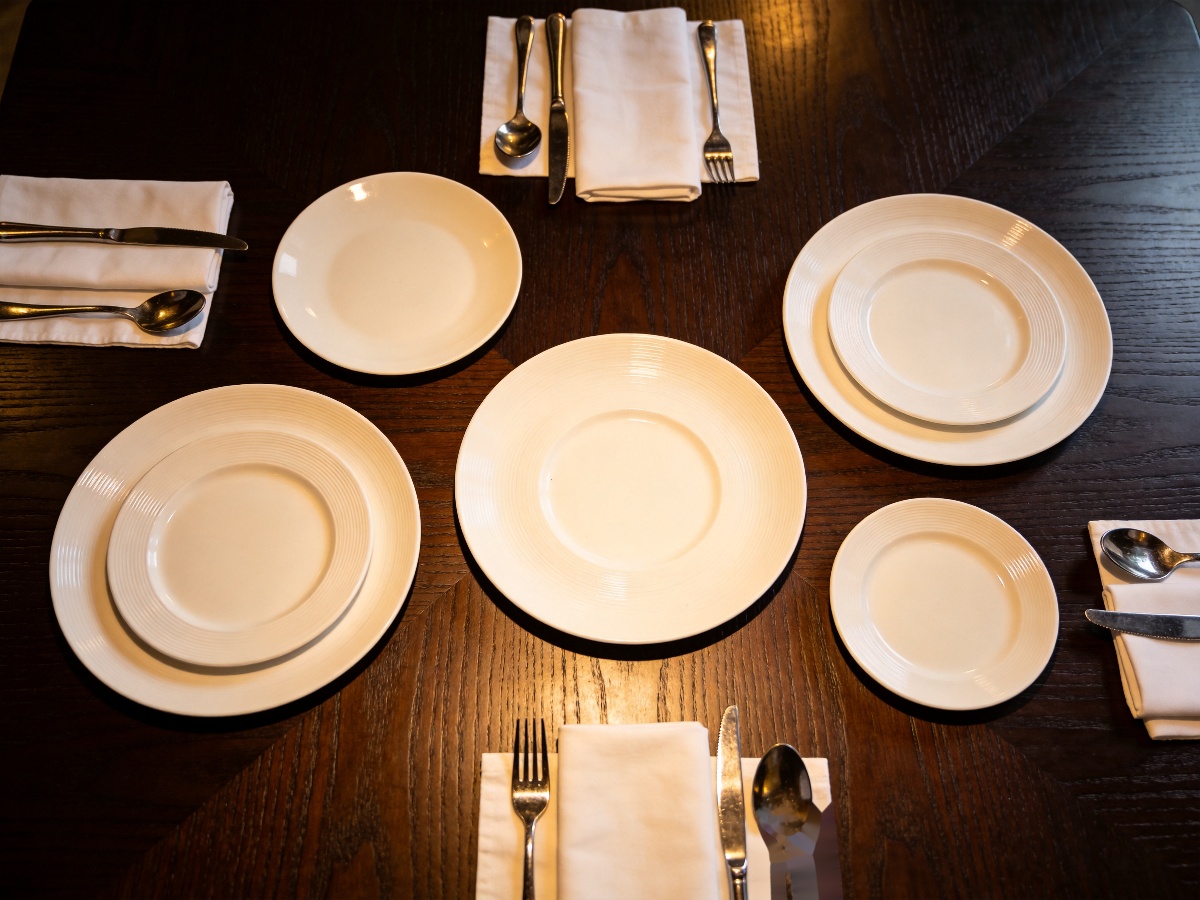
Beyond material type, ceramic tableware weight varies significantly by product category. Professional B2B buyers should be familiar with the typical weight ranges for each item to ensure consistency across orders and meet buyer specifications:
- Dinner plates (26–28cm): 400–900g depending on material and thickness
- Salad/dessert plates (20–22cm): 250–550g
- Soup bowls (15–18cm diameter, 5–7cm deep): 300–700g
- Cereal/serving bowls (12–14cm): 200–450g
- Mugs (300–400ml capacity): 250–500g
- Cups and saucers (180–220ml): 150–350g per set
- Serving platters (30–40cm): 600–1500g
When requesting quotations, always specify weight tolerance — typically ±5–8% is acceptable for mass production. Tighter tolerances (±3%) are achievable but may increase unit cost by 5–10% due to additional quality control steps.
How Ceramic Tableware Weight Affects Shipping Costs
For international B2B transactions, ceramic tableware weight is a direct cost driver in logistics. Understanding the relationship between weight and shipping economics helps buyers optimize their total landed cost:
Container Loading Optimization
A standard 20-foot container has a maximum payload of approximately 21–22 metric tons. Lightweight porcelain allows you to maximize the number of units per container, while heavyweight stoneware may hit the weight limit before filling the available volume. This means your cost-per-unit shipped is directly influenced by ceramic tableware weight selection.
Dimensional vs Actual Weight
Sea freight typically charges by container (FCL) or by weight/volume (LCL). For LCL shipments, carriers charge based on whichever is greater — actual weight or volumetric weight. Since ceramics are dense and heavy, actual weight almost always exceeds volumetric weight, making lighter ceramic options more economical for partial-container shipments.
Last-Mile and E-commerce Implications
For buyers selling ceramic tableware through e-commerce channels, ceramic tableware weight directly impacts parcel shipping costs to end consumers. A dinner plate set of 6 that weighs 3kg versus 4.5kg can mean a 20–40% difference in domestic courier charges. This cost difference either erodes margin or gets passed to the consumer, affecting competitiveness.
Ceramic Tableware Weight and Market Positioning
Different markets and customer segments have distinct expectations regarding ceramic tableware weight. Aligning your product specifications with market expectations is essential for commercial success:
Fine Dining and Luxury Hospitality
Fine dining establishments typically prefer either ultra-light bone china (for an elegant, delicate feel) or medium-weight high-fired porcelain (for a modern, precise aesthetic). The key is consistency — every plate in a set must feel identical in weight, as even small variations are noticeable to trained hospitality staff and discerning guests.
Casual Dining and Cafes
Heavier stoneware and thick-rimmed porcelain dominate the casual dining segment. The substantial weight conveys durability and a handcrafted feel that matches the relaxed, authentic atmosphere these venues cultivate. Buyers in this segment should prioritize chip resistance over weight reduction.
Retail and Consumer Markets
Consumer retail buyers show the widest range of ceramic tableware weight preferences. Gift-oriented packaging tends to favor lighter pieces (reduces shipping costs for online orders), while premium boxed sets for department stores often use medium-to-heavy weight to justify higher price points through perceived quality.
How to Specify Ceramic Tableware Weight in Purchase Orders
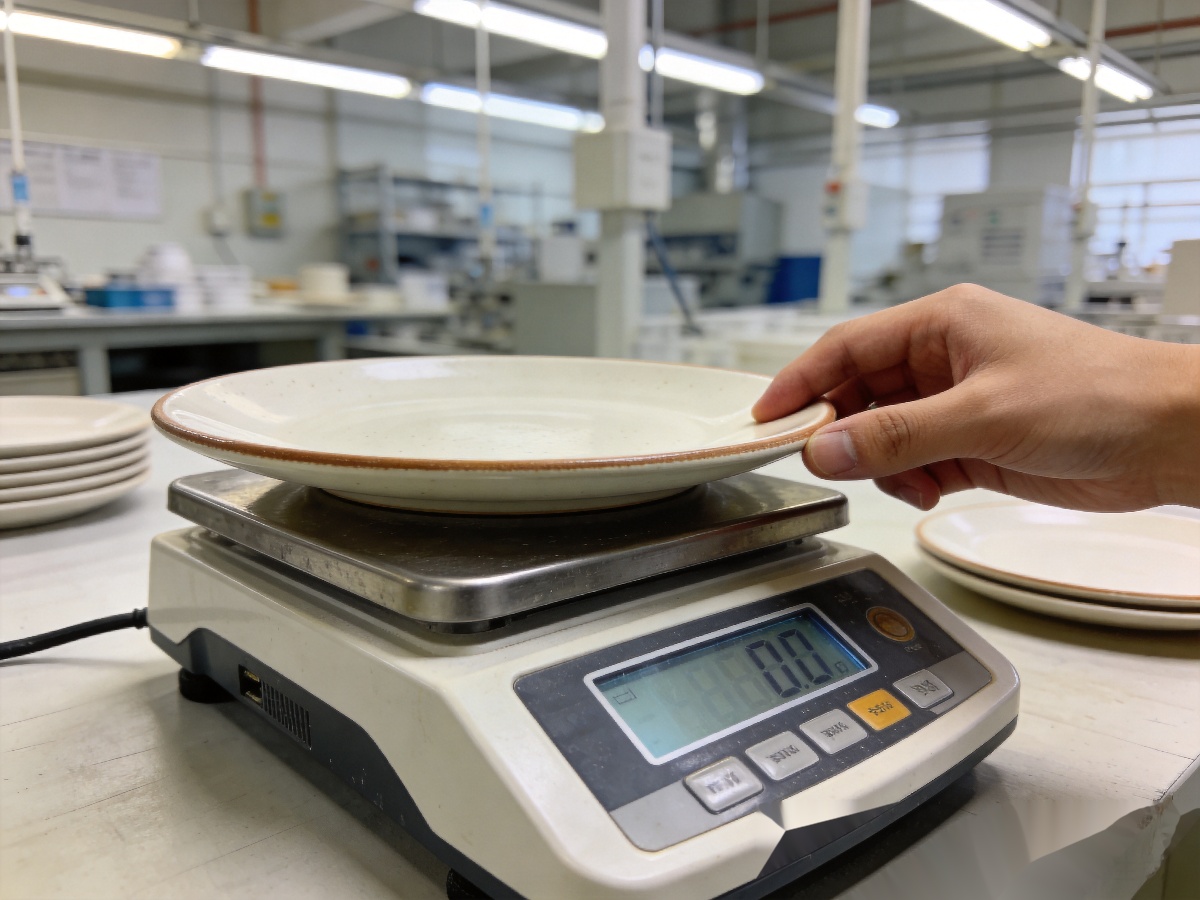
Professional ceramic tableware weight specifications should include the following elements to avoid misunderstandings and quality disputes:
- Target weight per piece: State the exact target weight in grams for each product type (e.g., “Dinner plate 27cm: 520g ± 5%”)
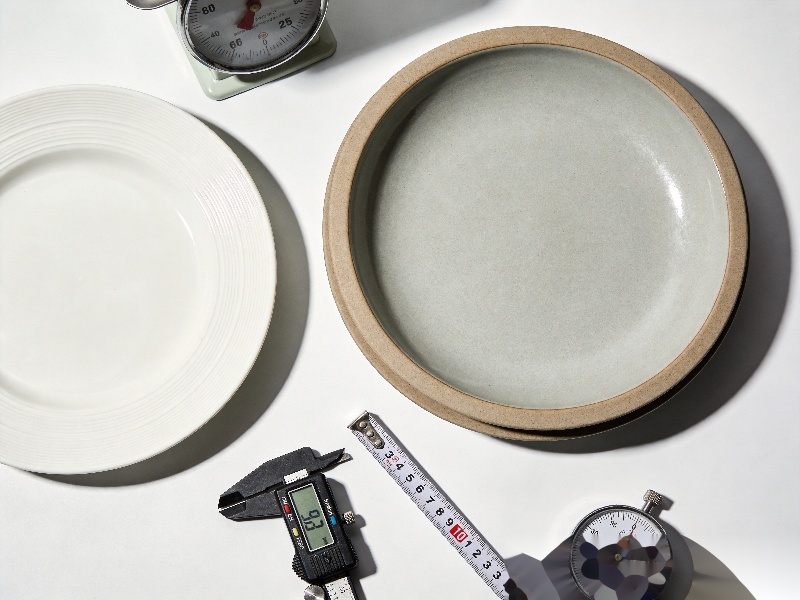
- Measurement method: Specify whether weight is measured before or after glazing, and at what moisture content level
- Sampling protocol: Define how many pieces per batch are weighed and the acceptable deviation range
- Wall thickness: Complement weight specs with wall thickness measurements at the rim, body, and base (typically measured with calipers)
- Weight distribution: For plates and bowls, specify whether weight should be evenly distributed or base-heavy (for stability)
A well-written purchase order that includes precise ceramic tableware weight specifications dramatically reduces the risk of receiving goods that feel wrong to end customers, even if they technically pass other quality inspections. For more details on sourcing best practices, explore our sourcing guides for additional insights.
Ceramic Tableware Weight and Durability: Debunking Myths
A common misconception among B2B buyers is that heavier ceramic tableware weight always equals greater durability. While weight does correlate with thickness, the actual durability of ceramic tableware depends on several factors beyond weight alone:
- Firing temperature: High-fired ceramics (1280°C+) are denser and stronger than low-fired pieces, regardless of weight. A 450g high-fired porcelain plate can outperform a 700g low-fired earthenware plate in chip and impact resistance tests.
- Glaze hardness: The glaze surface bears the brunt of daily wear. A hard, well-formulated glaze on a lighter body often outperforms a softer glaze on a heavier body in commercial dishwashing environments.
- Body composition: Alumina content, quartz particle size, and clay purity all affect mechanical strength independent of the final ceramic tableware weight.
- Rim design: Rolled rims, reinforced edges, and thicker rim profiles significantly improve chip resistance without necessarily increasing overall weight.
Smart buyers evaluate ceramic tableware weight alongside these technical factors rather than using weight as the sole durability indicator. Requesting standardized test reports (such as ASTM C368 for impact resistance or EN 12980 for dishwasher resistance) provides a far more accurate picture of real-world performance.
Ceramic Tableware Weight Optimization Strategies
For buyers looking to optimize ceramic tableware weight without compromising quality or market appeal, consider these proven strategies:
- Material upgrade: Switching from standard porcelain to high-alumina porcelain can reduce wall thickness (and weight) by 15–20% while maintaining or improving strength. The unit cost increase is typically offset by lower shipping costs.
- Design optimization: Working with the factory’s design team to redistribute mass — for example, thinning the body while maintaining a thicker base for stability — can reduce overall ceramic tableware weight by 10–15% without perceptible quality loss.
- Hollow foot ring: Specifying a hollow or recessed foot ring instead of a solid base reduces weight without affecting the visible appearance or functional performance of the piece.
- Mixed-material sets: For retail boxed sets, combining lighter pieces (porcelain cups) with accent pieces in heavier materials (stoneware serving bowls) creates a premium perception while keeping overall set weight manageable for shipping.
For more details on optimizing your ceramic sourcing strategy, visit our product catalog to explore available options and specifications.
Frequently Asked Questions About Ceramic Tableware Weight
What is the ideal ceramic tableware weight for restaurant use?
For most commercial restaurants, a dinner plate weighing 550–750 grams provides the best balance of durability, customer perception, and shipping efficiency. Fine dining establishments typically prefer 400–550g (bone china or high-fired porcelain), while casual dining venues often opt for 650–900g (stoneware or thick porcelain).
Does ceramic tableware weight affect breakage during shipping?
Ceramic tableware weight alone does not determine breakage risk. Breakage is primarily influenced by packaging quality, stacking method, firing temperature, and glaze hardness. However, heavier pieces do exert more force on adjacent items during transit vibrations, making proper dividers and cushioning even more critical for heavyweight orders.
How do I verify ceramic tableware weight during factory inspection?
Use a calibrated digital scale (accuracy ±1g) and weigh a minimum of 10 random samples from each production batch. Compare results against your purchase order specifications and request the factory’s internal QC weight records. Consistent deviation beyond ±5% indicates production control issues that need addressing before shipment.
Can I request custom ceramic tableware weight from manufacturers?
Yes, most ceramic manufacturers can produce to custom weight specifications. However, achieving very specific weights requires precise control over clay body formulation, pressing pressure, and trimming processes, which may increase MOQ requirements and unit cost by 5–15%. Always request production samples before committing to a full order.
What is the weight difference between glazed and unglazed ceramic tableware?
Glaze typically adds 3–8% to the total ceramic tableware weight, depending on glaze thickness and composition. A double-dipped or heavily textured glaze will add more weight than a thin single-layer application. When specifying weight, always clarify whether the target refers to the finished (glazed) piece or the bisque-fired body.
Get Expert Guidance on Ceramic Tableware Weight Specifications
Choosing the right ceramic tableware weight for your market requires expertise across materials, manufacturing capabilities, logistics, and end-user expectations. At CeraSupply, we help B2B buyers optimize every specification — from material selection and weight targets to packaging and shipping — to maximize value and minimize risk.
Contact us today for a free consultation and detailed quotation tailored to your ceramic tableware weight requirements, target market, and order volume. Our team will provide weight-optimized samples, packaging recommendations, and transparent shipping cost analysis to help you make the best sourcing decision.