Ceramic color fastness is one of the most critical quality attributes that B2B tableware buyers must evaluate before placing bulk orders. Whether you supply hotels, restaurants, retail chains, or e-commerce brands, the ability of ceramic glazes to retain their original color through repeated dishwasher cycles, UV exposure, and daily use directly impacts customer satisfaction and return rates. This comprehensive guide covers ceramic color fastness testing methods, international standards, and practical sourcing strategies for importers and wholesalers.
What Is Ceramic Color Fastness and Why It Matters
Ceramic color fastness refers to the resistance of glazed surfaces to fading, discoloration, or color shift when exposed to environmental stressors such as heat, chemicals, light, and mechanical abrasion. In commercial foodservice environments, tableware typically endures 300 to 500 industrial dishwasher cycles per year, making ceramic color fastness a direct indicator of product longevity and value.
For B2B buyers, poor ceramic color fastness translates into warranty claims, customer complaints, and brand damage. Hotels and restaurants expect their tableware investment to last 3 to 5 years minimum. When colors fade prematurely, it signals underlying issues with glaze formulation, firing temperature, or raw material quality — all factors that a knowledgeable buyer should verify before committing to a supplier.
Ceramic Color Fastness Testing Methods
Professional ceramic color fastness evaluation follows standardized laboratory protocols. The most widely referenced methods in the tableware industry include:
Dishwasher Resistance Test (DIN EN 12875-1)
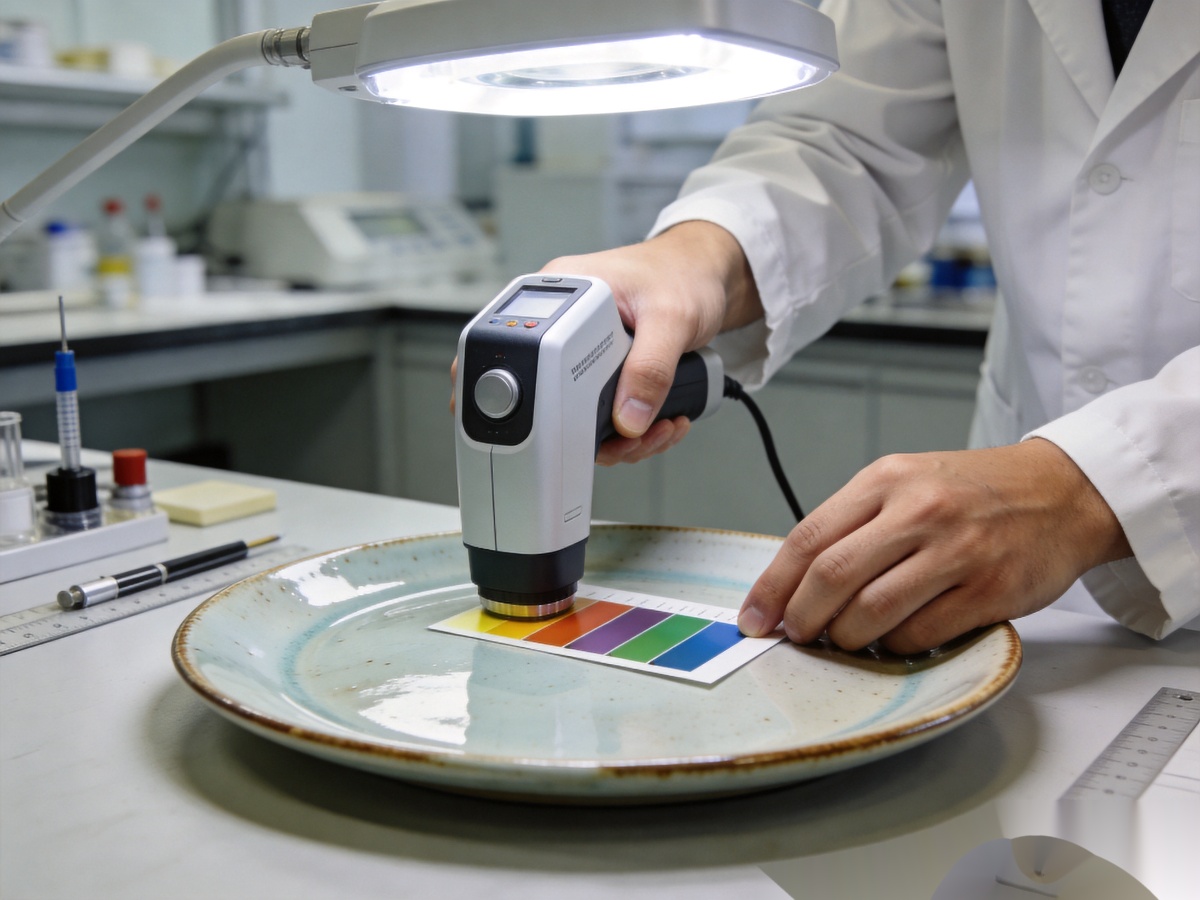
This European standard measures ceramic color fastness after repeated industrial dishwasher cycles. Test specimens undergo 125 to 500 cycles at 65°C with commercial alkaline detergents. Color change is measured using a spectrophotometer and reported as Delta E values. A Delta E below 1.0 indicates no perceptible change, while values above 3.0 represent visible fading that would trigger customer complaints.
UV Light Exposure Test (ISO 105-B02)
Xenon arc testing simulates years of sunlight exposure in a compressed timeframe. Ceramic samples are exposed to controlled UV radiation for 40 to 160 hours, then compared against unexposed controls. This ceramic color fastness test is particularly important for retail tableware displayed in store windows or outdoor dining settings where UV degradation accelerates color loss.
Chemical Resistance Test (ISO 105-B04)
Acidic foods, cleaning agents, and aggressive detergents can attack glaze surfaces over time. Chemical resistance testing involves immersing ceramic specimens in standardized acid and alkali solutions for 24 hours, then evaluating color stability. High-quality ceramic color fastness requires glazes that maintain chemical inertness across a pH range of 2 to 12.
Abrasion Resistance Test (ASTM C1027)
Surface abrasion from cutlery, stacking, and handling gradually wears away glaze layers. This test uses standardized abrasive media to simulate years of use, measuring both color change and surface degradation. The results classify ceramic color fastness into five grades, with Grade 5 representing the highest resistance suitable for heavy commercial use.
Understanding Delta E Values in Ceramic Color Fastness
Delta E is the universal metric for quantifying color difference. For ceramic color fastness specifications, understanding Delta E thresholds helps buyers set realistic quality requirements:
- Delta E 0.0–0.5: No perceptible difference — ideal for premium lines and color-matched sets
- Delta E 0.5–1.0: Barely noticeable — acceptable for most commercial applications
- Delta E 1.0–2.0: Slight change visible under close inspection — acceptable for budget lines
- Delta E 2.0–3.5: Moderate change — likely to generate complaints in hospitality settings
- Delta E above 3.5: Significant fading — unacceptable for any professional use
When negotiating with Chinese ceramic manufacturers, request Delta E test reports from accredited laboratories such as SGS, Intertek, or TUV. Reputable factories routinely conduct ceramic color fastness testing and can provide documentation for specific glaze formulations and firing temperatures.
Factors That Affect Ceramic Color Fastness
Several manufacturing variables directly influence how well ceramic colors resist fading over time. Understanding these factors helps B2B buyers identify quality suppliers and avoid costly mistakes.
Firing Temperature and Glaze Maturity
High-fired ceramics (1250°C–1320°C) produce denser, more stable glaze layers with superior ceramic color fastness compared to low-fired products (900°C–1050°C). The higher temperature creates stronger molecular bonds between color pigments and the glass matrix, resulting in colors that resist chemical attack and mechanical wear. Always verify firing temperatures when comparing supplier quotations — the price difference often reflects this critical quality factor.
Glaze Composition and Pigment Quality
Inorganic ceramic pigments (iron oxides, cobalt blues, chrome greens) offer inherently better ceramic color fastness than organic alternatives. Premium suppliers use encapsulated pigments that lock color particles within a glass frit matrix, providing additional protection against dishwasher chemicals and UV radiation. Budget manufacturers may cut costs by using lower-grade pigments that fade within 6 to 12 months of commercial use.
Glaze Layer Thickness
Thicker glaze applications provide a deeper protective layer over the ceramic body, extending the functional life of the color. Standard commercial tableware typically features glaze thickness of 0.3–0.5mm, while premium lines may reach 0.6–0.8mm. However, excessive thickness can cause crazing or peeling, so optimal ceramic color fastness requires precise application control during production.
Ceramic Color Fastness Standards for Different Markets
Different export markets have varying regulatory requirements and customer expectations for ceramic color fastness. B2B buyers should align their specifications with the target market standards:
- European Union: DIN EN 12875-1 for dishwasher resistance; Regulation (EC) 1935/2004 for food contact materials. European buyers typically require Delta E below 1.0 after 250 dishwasher cycles.
- United States: ASTM C948 for ceramic durability; FDA 21 CFR 175.300 for food safety coatings. US foodservice distributors often specify 500-cycle dishwasher testing.
- United Kingdom: BS 6748 for ceramic ware; UKCA marking requirements post-Brexit. British hospitality buyers emphasize color consistency across replacement orders.
- Middle East: SASO/GSO standards for GCC countries. High ambient temperatures make UV resistance testing particularly important for this market.
- Australia/New Zealand: AS/NZS 4371 for food contact materials. Australian buyers focus on both ceramic color fastness and lead/cadmium leaching limits.
For a detailed overview of certification requirements, explore our ceramic certification guides covering FDA, LFGB, and SGS compliance.
How to Evaluate Ceramic Color Fastness During Supplier Audits
Factory visits provide the best opportunity to verify ceramic color fastness claims before placing bulk orders. Include these checks in your supplier audit checklist:
- Request test reports: Ask for SGS or Intertek dishwasher cycle test certificates for the specific glaze formulations you plan to order.
- Examine aged samples: Reputable factories keep reference samples from previous production runs. Compare new samples against 1-2 year old specimens to assess real-world ceramic color fastness.
- Check glaze application consistency: Uniform glaze thickness across all pieces indicates proper process control, which directly affects color retention.
- Verify firing records: Kiln temperature logs should show consistent firing at 1250°C or above for stoneware and porcelain products.
- Conduct on-site spot tests: Bring a portable colorimeter to measure Delta E values on the spot, comparing production samples against approved color standards.
Ceramic Color Fastness: Practical Sourcing Tips for B2B Buyers
Beyond laboratory testing, experienced buyers develop practical strategies to ensure ceramic color fastness across their supply chain:
- Specify minimum firing temperatures in purchase contracts — 1250°C for stoneware, 1300°C for porcelain.
- Require pre-production samples with ceramic color fastness test data before approving bulk production.
- Build color fastness clauses into supplier agreements, specifying maximum acceptable Delta E after standardized testing.
- Order from factories with in-house testing labs — this indicates commitment to quality and reduces lead time for verification.
- Consider reactive glazes carefully — while visually appealing, reactive and crystalline glazes often show lower ceramic color fastness than solid-color formulations.
- Test across the full product range — different colors within the same glaze family may have varying fastness properties due to different metal oxide pigments.
Understanding how different ceramic glaze types perform under stress helps buyers make informed decisions about which finishes suit their target market and price point.
Ceramic Color Fastness FAQ
How many dishwasher cycles should quality ceramic tableware withstand?
Commercial-grade ceramic tableware should maintain acceptable ceramic color fastness (Delta E below 2.0) for at least 500 industrial dishwasher cycles. Premium hospitality-grade products often exceed 1,000 cycles with minimal color change. Budget retail lines may specify 250 cycles as a minimum requirement.
Which ceramic colors have the best fade resistance?
Earth tones (browns, tans, warm grays) and cobalt blues typically show the best ceramic color fastness because they use stable inorganic pigments like iron oxides and cobalt aluminate. Bright reds, oranges, and certain greens may fade faster due to less stable pigment chemistry. Always test the specific color in your product range.
Can ceramic color fastness be improved after production?
No. Ceramic color fastness is determined during manufacturing by glaze composition, application technique, and firing temperature. Once fired, the glaze structure is permanent. This is why pre-production sampling and supplier verification are essential — you cannot fix color fastness problems after the product leaves the kiln.
What is the cost difference between high and low ceramic color fastness products?
High-fired ceramics with premium pigments typically cost 15–30% more than low-fired alternatives. However, this investment pays for itself in reduced replacement costs and customer complaints. For commercial buyers purchasing 10,000+ pieces, the per-unit premium is often just $0.20–$0.50 — a small price for 3–5 years of reliable service versus 6–12 months.
How do I test ceramic color fastness without a laboratory?
While professional spectrophotometer testing provides the most accurate results, buyers can conduct basic field tests: wash samples 20 times in a household dishwasher at the highest temperature setting, expose samples to direct sunlight for 2 weeks, and rub surfaces with a damp white cloth 100 times. Compare results against untreated control samples under consistent lighting.
Get Professional Ceramic Tableware Sourcing Support
Evaluating ceramic color fastness requires expertise, testing equipment, and factory relationships that take years to develop. At CeraSupply, we provide end-to-end sourcing support including pre-shipment color fastness verification, factory audits, and quality control for every bulk order. Whether you need 5,000 pieces or 50,000, our team ensures your ceramic tableware meets international durability standards.
Ready to source fade-resistant ceramic tableware with confidence? Contact us today for a free quote and discover how we help B2B buyers build reliable ceramic supply chains.