Ceramic glaze types play a critical role in determining the appearance, durability, and food safety compliance of tableware products. For B2B buyers sourcing ceramic dinnerware in bulk, understanding the different ceramic glaze types available is essential to making informed purchasing decisions that meet both aesthetic requirements and international food safety regulations.
Whether you are importing ceramic tableware for a restaurant chain, retail distribution, or private label branding, the glaze finish directly impacts product performance, customer satisfaction, and regulatory compliance. This comprehensive guide breaks down the major ceramic glaze types used in mass production, explains food safety standards that every importer must know, and provides practical selection criteria for different market segments.
What Are Ceramic Glazes and Why They Matter for Bulk Tableware
A ceramic glaze is a thin glass-like coating applied to the surface of ceramic products before firing. This coating serves multiple purposes: it creates a non-porous surface that prevents liquid absorption, adds color and visual appeal, and provides a smooth, easy-to-clean finish that is essential for food-contact tableware.
For bulk tableware manufacturing, the choice of ceramic glaze types directly affects production cost, kiln temperature requirements, defect rates, and ultimately the retail positioning of the finished product. A high-gloss clear glaze may cost less and suit budget-friendly product lines, while reactive crystalline glazes require more precise firing conditions and command premium pricing in the market.
- Surface protection: Prevents staining, bacterial growth, and moisture penetration into the ceramic body
- Aesthetic differentiation: Enables brands to create distinct product identities through texture, color, and finish
- Food safety compliance: Proper glaze formulation and firing ensures no harmful substances leach into food or beverages
- Durability: Determines resistance to chipping, scratching, thermal shock, and dishwasher wear
Major Ceramic Glaze Types Used in Commercial Tableware Production
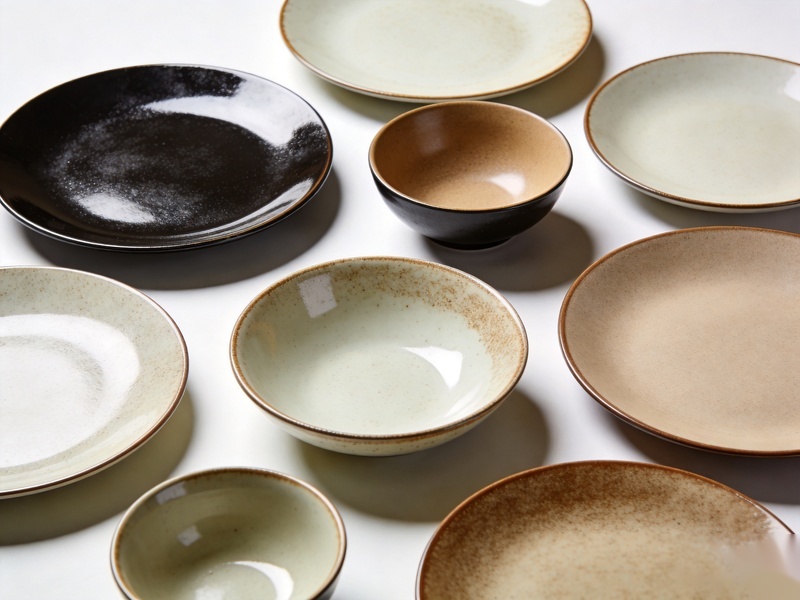
The ceramic industry employs several distinct glaze categories, each with unique characteristics suited to different product segments. Understanding these ceramic glaze types helps buyers specify exactly what they need and evaluate supplier capabilities more effectively.
Clear and Transparent Glazes
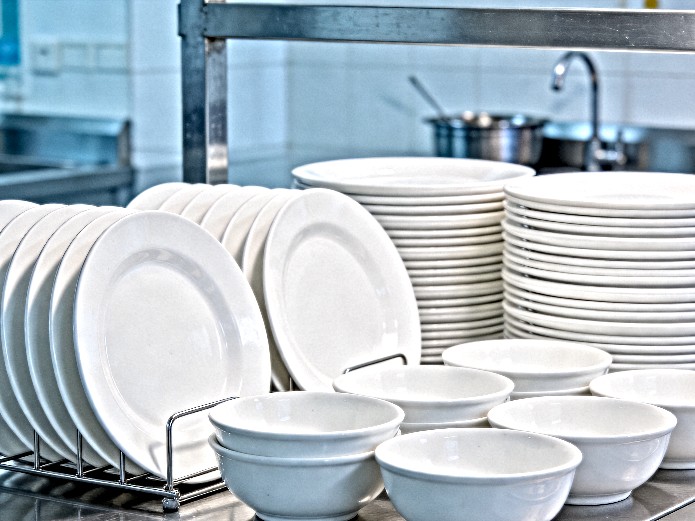
Clear glazes are the most widely used ceramic glaze types in mass-produced tableware. They create a glossy, glass-like surface that enhances the underlying clay body color or any underglaze decoration. These glazes are fired at temperatures between 1,200°C and 1,300°C, creating a hard, durable surface suitable for daily use.
Clear glazes are ideal for white porcelain and bone china products where the purity of the clay body is the primary design feature. They are also the standard choice for printed and decal-decorated tableware, as they protect the decoration while maintaining visual clarity. For bulk orders, clear-glazed products typically offer the best cost-to-performance ratio.
Matte and Satin Glazes
Matte glazes produce a soft, non-reflective surface with a velvety texture that has become increasingly popular in contemporary tableware design. These ceramic glaze types achieve their distinctive finish through specific chemical formulations that create micro-crystallization during the cooling phase of firing.
While aesthetically striking, matte glazes require careful quality control. The micro-crystalline structure can be slightly more porous than high-gloss alternatives, potentially affecting food safety performance if not properly formulated and fired. Reputable manufacturers address this by ensuring matte glazes meet the same FDA and LFGB leaching standards as glossy options. When sourcing matte-finished tableware, always request third-party lab test reports to verify compliance.
Reactive and Crystalline Glazes
Reactive glazes are premium ceramic glaze types that create unique, unpredictable patterns through chemical reactions during firing. The glaze contains metal oxides (typically iron, copper, or cobalt) that interact with the kiln atmosphere to produce crystalline formations, color variations, and organic textures.
Each piece fired with reactive glaze develops its own distinctive character, making these products highly valued in the artisan and hospitality market segments. However, the variability inherent in reactive glazes presents quality control challenges for bulk production. Buyers should establish clear acceptance criteria for color range and pattern variation when ordering reactive-glazed tableware in volume. Expect slightly higher defect rates and correspondingly higher unit costs compared to standard glaze types.
Colored Opaque Glazes
Opaque colored glazes use tin oxide, zirconium silicate, or other opacifiers to create solid, vibrant colors that completely cover the clay body. These ceramic glaze types are essential for producing tableware in brand-specific colors or seasonal collections. From classic cobalt blue to contemporary sage green and terracotta tones, opaque glazes offer virtually unlimited color options.
The key consideration with colored opaque glazes is ensuring that the colorants used are food-safe and comply with international heavy metals regulations. Lead-based and cadmium-based colorants, once common in ceramic production, are now heavily restricted or banned in most major markets. Always verify that your supplier uses certified lead-free and cadmium-free colorants, especially for products destined for the European Union, United States, and Australia.
Crackle and Textured Glazes
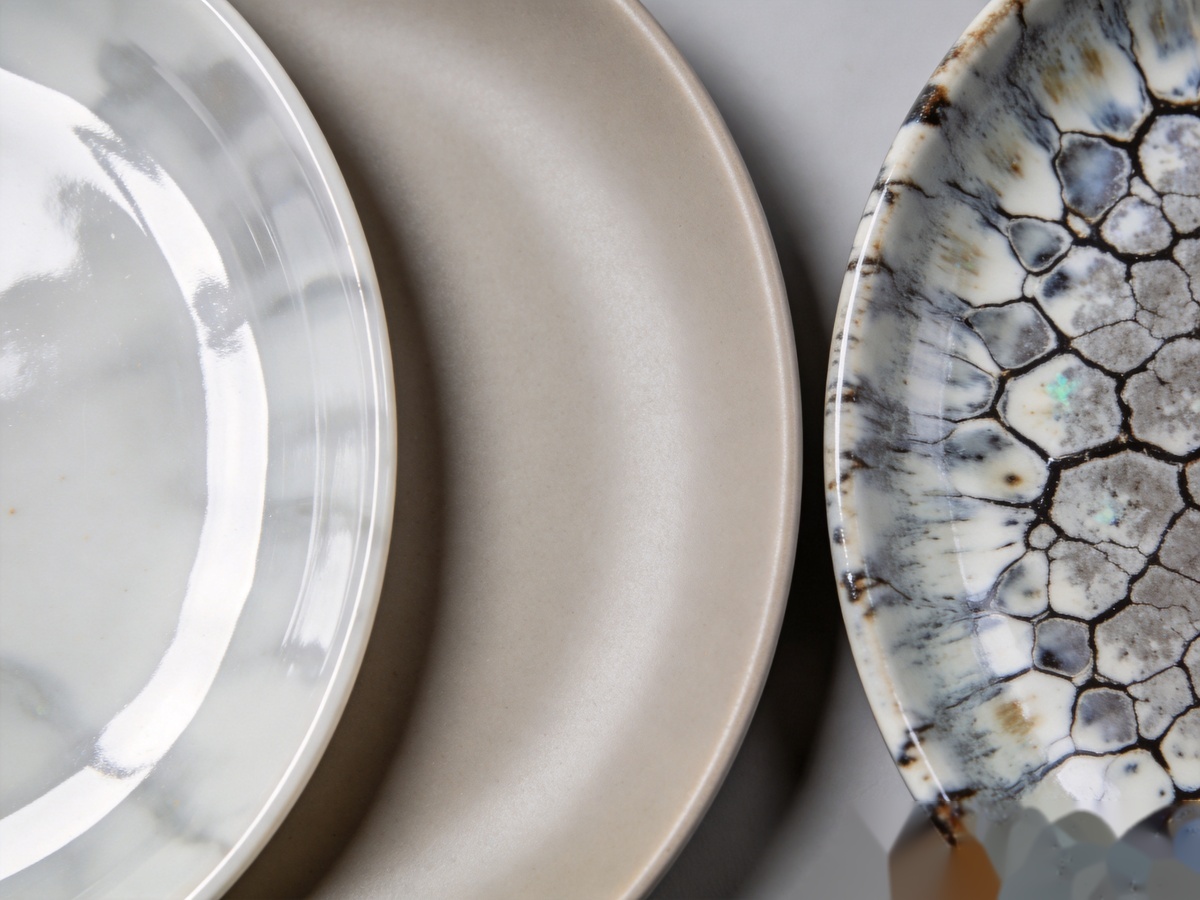
Crackle glazes deliberately create a network of fine lines on the surface, adding antique or artisan character to tableware. Textured glazes produce tactile surfaces ranging from rough stone-like finishes to subtle rippled effects. While these ceramic glaze types are primarily decorative, they require special attention regarding food safety.
The cracks and texture variations in these glazes can harbor bacteria and trap food particles if the surface is not properly sealed. For food-contact applications, crackle-glazed products should feature a secondary clear seal coat, or be marketed specifically as decorative-only items. Always clarify the intended use case with your supplier and ensure appropriate safety testing protocols are followed.
Ceramic Glaze Types and Food Safety: Critical Standards for Importers
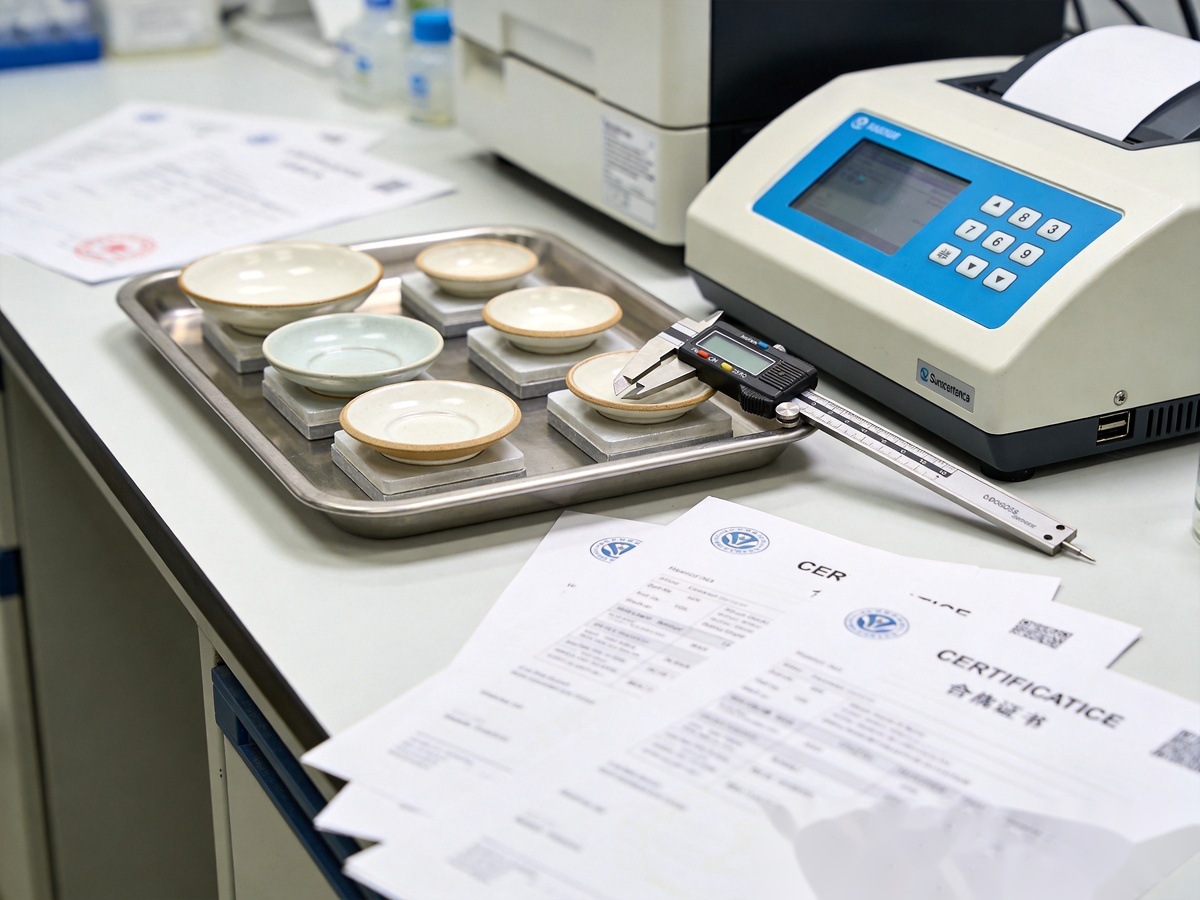
Food safety is the paramount concern when selecting ceramic glaze types for tableware intended for food contact. International regulations set strict limits on the amount of heavy metals—particularly lead and cadmium—that can leach from glazed ceramic surfaces into food and beverages.
Key International Food Safety Standards for Ceramic Glazes
- FDA 21 CFR (United States): Sets leaching limits for lead and cadmium based on product category—flatware, small hollowware, and large hollowware each have different thresholds
- EU Regulation 848/2005 and Directive 2005/31/EC: Establishes maximum migration limits for lead and cadmium from ceramic articles intended for food contact
- LFGB (Germany): Often more stringent than EU-wide standards, with additional testing for other potentially harmful substances
- Proposition 65 (California): Requires warning labels if products exceed specific lead exposure thresholds, influencing many importers to demand ultra-low lead formulations
- AS/NZS 4371 (Australia/New Zealand): Specifies vitreous ceramic ware requirements including glaze durability and metal release limits
How Glaze Formulation Affects Food Safety Performance
The relationship between ceramic glaze types and food safety extends beyond simply avoiding lead-based formulations. Several factors influence whether a glaze will pass food contact safety tests:
- Firing temperature: Higher firing temperatures (above 1,250°C) generally produce harder, more vitrified glazes that are less likely to leach harmful substances. Stoneware and porcelain fired at these temperatures typically achieve superior food safety performance.
- Glaze chemistry balance: The ratio of silica, alumina, and flux components determines glaze stability. Imbalanced formulations may release metals even when no lead or cadmium is intentionally added.
- Surface integrity: Smooth, fully vitrified glazes resist acid attack better than matte or textured surfaces, making them safer for prolonged food contact with acidic items like citrus fruits and tomato-based foods.
- Colorant encapsulation: Modern manufacturing uses encapsulated pigments where colorant particles are sealed within a zirconium silicate matrix, preventing direct contact between potentially harmful metal oxides and food.
Comparing Ceramic Glaze Finishes: Glossy vs Matte vs Reactive
When evaluating ceramic glaze types for a bulk tableware order, understanding the practical differences between the three most popular finish categories helps buyers match products to their target market positioning.
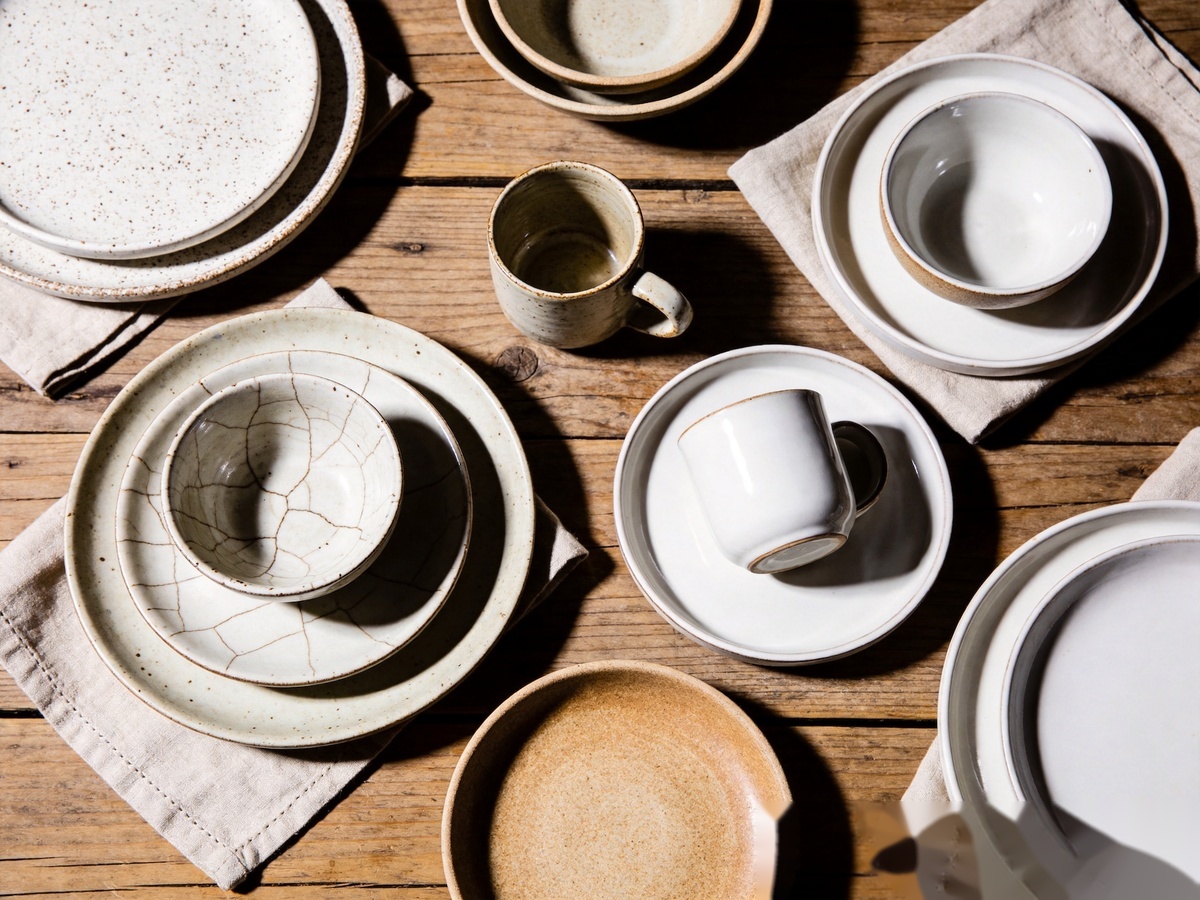
Glossy glazes remain the industry standard for everyday-use tableware. They offer superior stain resistance, dishwasher safety, and long-term durability. Hotels, restaurants, and institutional buyers overwhelmingly prefer glossy finishes for their ease of maintenance and consistent appearance over thousands of wash cycles.
Matte glazes have gained significant market share in the premium retail segment, driven by contemporary design trends favoring understated elegance. While slightly less durable than glossy alternatives in high-abuse environments, properly formulated matte glazes perform well in home and boutique hospitality settings. They pair particularly well with earth-tone color palettes and organic shapes.
Reactive glazes occupy the luxury tier, commanding higher price points due to their artisan appearance and production complexity. These ceramic glaze types are ideal for signature restaurant collections, boutique retail brands, and limited-edition product lines where uniqueness is a selling point rather than a liability.
How to Select the Right Ceramic Glaze Types for Your Product Line
Choosing the appropriate ceramic glaze types for your bulk tableware order requires balancing multiple factors including target market, price point, usage scenario, and regulatory requirements. Here is a systematic approach to glaze selection:
Step 1: Define Your Market Segment
Mass-market retail and foodservice channels prioritize durability and consistency, making clear glossy glazes or simple colored opaque glazes the optimal choice. Premium retail and design-forward hospitality concepts can explore matte, reactive, and specialty ceramic glaze types to differentiate their offerings.
Step 2: Verify Regulatory Requirements
Before specifying any glaze type, confirm the food safety regulations applicable to your destination market. This determines which colorants, opacifiers, and glaze chemistries are permissible. Markets like the EU and California (Prop 65) have the strictest requirements, so products compliant with these standards can typically be sold globally.
Step 3: Request Samples and Test Reports
Always evaluate physical samples of each ceramic glaze type under consideration. Assess surface feel, color accuracy, consistency between samples, and performance under realistic conditions (dishwasher cycles, microwave heating, stacking). Simultaneously, request third-party lab test reports—SGS, Intertek, or TÜV—for lead and cadmium leaching compliance.
Step 4: Assess Production Scalability
Some ceramic glaze types, particularly reactive and crystalline varieties, have inherent variability that increases with production volume. Discuss acceptable ranges for color variation, pattern distribution, and defect rates with your supplier before placing large orders. Establishing clear quality benchmarks in a written specification document prevents disputes and ensures consistent deliveries.
Working with Suppliers on Ceramic Glaze Specifications
Effective communication about ceramic glaze types with your manufacturing partner is essential for consistent quality. Here are the key specification points to include in your purchase orders:
- Glaze type and formulation code: Request the supplier’s internal glaze reference number for reproducibility
- Firing temperature range: Confirm whether the glaze is designed for mid-fire (1,200–1,250°C) or high-fire (1,250–1,300°C) production
- Food safety certification level: Specify which standard (FDA, LFGB, EU 848/2005) the glaze must comply with
- Acceptable variation range: For reactive and matte glazes, define color and texture tolerances with reference samples
- Dishwasher and microwave testing: Require proof of testing for commercial dishwasher resistance (minimum 500 cycles for foodservice products)
For more details on evaluating supplier capabilities, explore our sourcing guides and learn about our ceramic product range designed for international B2B buyers.
Frequently Asked Questions About Ceramic Glaze Types
Are all ceramic glaze types food safe?
Not all ceramic glaze types are inherently food safe. While most modern production glazes are formulated without lead or cadmium, food safety depends on proper formulation, firing temperature, and surface integrity. Always verify food safety compliance through third-party lab testing rather than relying solely on supplier claims. Glossy, high-fire glazes generally offer the most reliable food safety performance.
What is the difference between underglaze and overglaze decoration?
Underglaze decoration is applied directly to the ceramic body before the clear glaze layer, sealing the design beneath a protective glass surface. Overglaze decoration is applied on top of the already-glazed surface and fired at a lower temperature. Underglaze decoration is generally considered more durable and food-safe since the design layer never contacts food directly. Overglaze offers more vibrant colors but may wear over time with heavy use.
Can matte glaze ceramic tableware go in the dishwasher?
Properly formulated matte glaze tableware can be dishwasher safe, but it depends on the specific glaze chemistry and firing temperature. High-fire matte glazes (fired above 1,250°C) generally perform well in dishwashers. Lower-fire matte glazes may develop surface degradation over repeated dishwasher cycles. Always confirm dishwasher testing results with your supplier before marketing matte-finished products as dishwasher safe.
How do I know if ceramic glazes contain lead or cadmium?
The only reliable way to determine whether ceramic glazes contain leachable lead or cadmium is through standardized laboratory testing. Reputable testing labs like SGS, Intertek, and TÜV perform acid-food contact simulation tests that measure actual metal migration, not just total metal content. Request test certificates for every production batch, and consider conducting independent verification testing for large orders.
Which ceramic glaze types are best for restaurant use?
For restaurant and foodservice applications, clear glossy glazes on high-fire stoneware or porcelain bodies offer the best combination of durability, food safety, and ease of maintenance. These ceramic glaze types withstand thousands of commercial dishwasher cycles, resist chipping and scratching, and maintain their appearance over years of heavy use. Avoid reactive and crackle glazes for commercial foodservice as their surface variability can compromise hygiene over time.
Start Sourcing the Right Ceramic Glaze Types for Your Business
Understanding ceramic glaze types empowers B2B buyers to make smarter sourcing decisions that align with their market positioning, regulatory obligations, and quality expectations. From the reliable durability of clear glossy glazes to the artisan appeal of reactive finishes, each glaze category serves a distinct purpose in the tableware market.
At CeraSupply, we help importers navigate the full spectrum of ceramic glaze options, providing certified food-safe products with complete testing documentation. Whether you need 500 pieces or 50,000, our team ensures your order meets your exact specifications.
Get a free quote today and let us help you find the perfect ceramic glaze types for your product line.