Ceramic tableware seasonal buying calendar is one of the most overlooked yet powerful tools for importers, wholesalers, and hospitality procurement teams. In the global ceramic tableware market — valued at USD 38.72 billion in 2025 and projected to reach USD 54.62 billion by 2035 — timing your purchases can mean the difference between securing competitive pricing and paying peak-season premiums. Seasonal and festive demand alone accounts for roughly 35% of annual ceramic tableware sales, making a well-planned buying calendar essential for any serious B2B buyer.
Whether you supply hotels and restaurants, run a retail chain, or operate as a wholesale distributor, understanding when to place orders, when factories have capacity, and when shipping windows are most favorable can dramatically improve your margins. This guide breaks down the ceramic tableware seasonal buying calendar month by month, with actionable strategies for each quarter.
Why a Ceramic Tableware Seasonal Buying Calendar Matters for B2B Buyers
The ceramic tableware supply chain is inherently cyclical. Production capacity in major manufacturing regions — particularly China, which holds approximately 38% of the Asia-Pacific market share — fluctuates throughout the year based on holidays, weather conditions, and energy costs. Meanwhile, demand from downstream buyers spikes around holidays, trade shows, and seasonal transitions.
A well-structured ceramic tableware seasonal buying calendar helps you:
- Avoid peak-season price surges — factory prices can increase 15-25% during high-demand periods
- Secure production slots — top manufacturers book orders months in advance during busy seasons
- Optimize shipping logistics — freight rates fluctuate significantly throughout the year
- Align inventory with demand cycles — have products ready when your customers need them most
- Reduce stockout risks — anticipate supply disruptions before they impact your business
Q1 (January–March): The Ceramic Tableware Seasonal Buying Calendar Sweet Spot
January: Post-Holiday Opportunity Window
January marks the beginning of what many experienced buyers consider the best sourcing window on the ceramic tableware seasonal buying calendar. After the holiday rush, factories in China’s major ceramic production regions — Jingdezhen, Chaozhou, Dehua, and Liling — experience a significant drop in order volume. This creates a rare combination of advantages:
- Factories have open production capacity and are eager to fill schedules
- Lead times are shorter, typically 30-40 days versus 60-90 days during peak season
- Pricing is more negotiable as manufacturers seek to maintain workforce utilization
- Quality control attention is higher with fewer concurrent production runs
Google Trends data shows that search interest for “ceramic dinner plates” peaks in February, indicating that retail buyers are actively researching products during this period. Smart B2B buyers should already have orders in production by this time to capture the upcoming spring demand wave.
February–March: Chinese New Year Impact on Ceramic Tableware Production
The Chinese New Year holiday (typically late January to mid-February) creates a predictable but significant disruption in the ceramic tableware supply chain. Most factories shut down for 2-4 weeks, with workers returning gradually after the holiday. Key considerations for your ceramic tableware seasonal buying calendar during this period:
- Pre-holiday rush: Orders placed in December and early January face intense production pressure as factories try to ship before the holiday
- Post-holiday ramp-up: Full production capacity typically resumes by mid-March, though some workers may not return, causing temporary staffing shortages
- Strategic move: Place orders in early January for production slots immediately after the holiday, securing priority positioning
Q2 (April–June): Building Inventory for Peak Retail Seasons
April–May: Prime Production Window on the Ceramic Tableware Seasonal Buying Calendar
April and May represent the most stable production period in the ceramic tableware industry. Factories are fully staffed post-Chinese New Year, weather conditions are favorable for manufacturing (lower humidity means fewer kiln issues), and shipping logistics are operating at normal capacity. This is the ideal time to:
- Place large-volume orders for Q3 and Q4 delivery
- Request custom samples and prototypes for new product lines
- Negotiate annual supply agreements with preferred manufacturers
- Conduct factory audits and quality inspections without seasonal pressure
For hotel and restaurant supply chains, April is the optimal time to order ceramic tableware for the autumn and winter hospitality seasons. The global horeca (hotel, restaurant, catering) sector accounts for approximately 55% of total ceramic tableware usage, and smart operators stock up during this production-friendly window.
June: Mid-Year Assessment and Strategic Ordering
June is a strategic checkpoint on the ceramic tableware seasonal buying calendar. By this time, Q1 orders should have arrived, and you can assess inventory levels against projected demand for the second half of the year. Key actions include:
- Review H1 sales data to refine Q3-Q4 order quantities
- Place supplementary orders for holiday-season products (Christmas dinnerware, Thanksgiving serving sets)
- Begin exploring new designs and trends for the following year
- Lock in shipping arrangements before summer freight rate increases
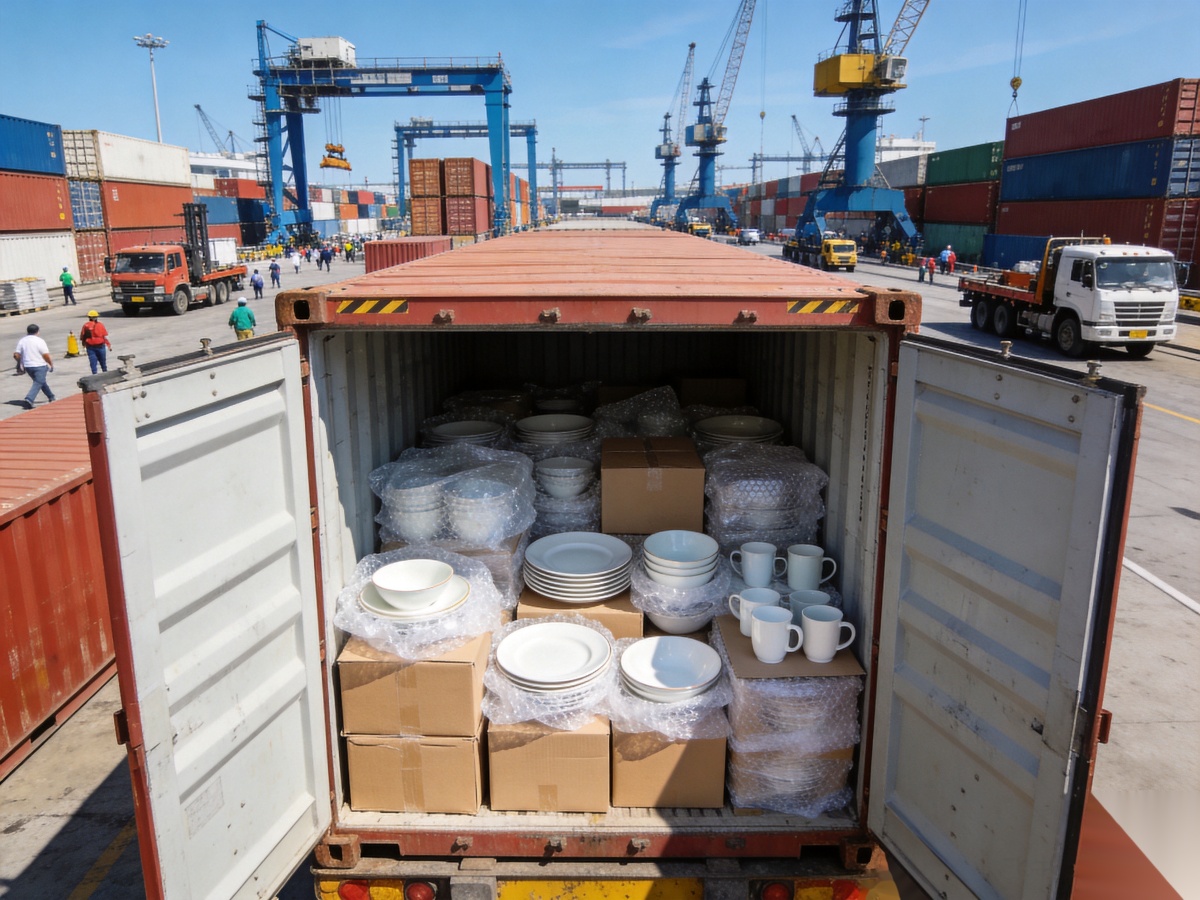
Q3 (July–September): Navigating Peak Season Challenges in the Ceramic Tableware Seasonal Buying Calendar
July–August: High Demand, Higher Prices
The summer months bring intense competition for production capacity and shipping space. Many buyers who didn’t plan ahead on their ceramic tableware seasonal buying calendar find themselves paying premiums during this period. Here’s what to expect:
- Factory capacity: Top-tier manufacturers are often fully booked 8-12 weeks in advance
- Freight costs: Ocean shipping rates from Asian ports can increase 30-50% during peak season
- Quality risk: High humidity in southern China can affect glazing and kiln firing consistency
- Energy costs: Summer electricity surcharges in manufacturing regions increase production costs
However, this period also presents opportunities. Manufacturers producing for the European market (which holds approximately 27% of global ceramic tableware share) may have capacity gaps between spring and autumn order cycles. Savvy buyers can negotiate favorable terms for standard product lines during these gaps.
September: The Pre-Holiday Rush Begins
September marks the beginning of the most critical period on the ceramic tableware seasonal buying calendar. Orders placed in September target delivery for the crucial Q4 holiday season — Thanksgiving, Christmas, and New Year — when ceramic tableware demand surges dramatically. Industry data shows that Q4 sales account for approximately 68% of annual ceramic gift and tableware revenue, with November-December alone representing 3-4 times normal monthly sales volume.
For buyers who haven’t yet secured their holiday inventory, September represents the last viable window for ocean freight shipments. Air freight remains an option but at significantly higher cost, compressing margins on already competitive products.
Q4 (October–December): Harvesting Your Ceramic Tableware Seasonal Buying Calendar Strategy
October–November: Execution and Early Planning
By October, well-prepared buyers should have their holiday inventory in warehouses and ready for distribution. The ceramic tableware seasonal buying calendar now shifts focus to the following year:
- Finalize next year’s product assortment based on current season sell-through data
- Begin discussions with manufacturers about spring collections and new designs
- Reserve production capacity for Q1 of the following year
- Attend international trade fairs such as the Canton Fair (October session) for supplier discovery
Amazon search data consistently shows that interest in stoneware dinner sets peaks in November, with actual purchases surging in January. This pattern reinforces the importance of early ordering — products need to be manufactured, shipped, and in fulfillment centers well before consumer demand materializes.
December: Year-End Review and Pre-Holiday Ordering
December is a strategic planning month on the ceramic tableware seasonal buying calendar. While current-year operations wind down, forward-looking buyers use this time to:
- Place early orders for post-Chinese New Year production (arriving in March-April)
- Negotiate annual volume commitments with key suppliers for better pricing
- Analyze the year’s purchasing performance: on-time delivery rates, quality metrics, cost trends
- Develop contingency plans for supply chain disruptions
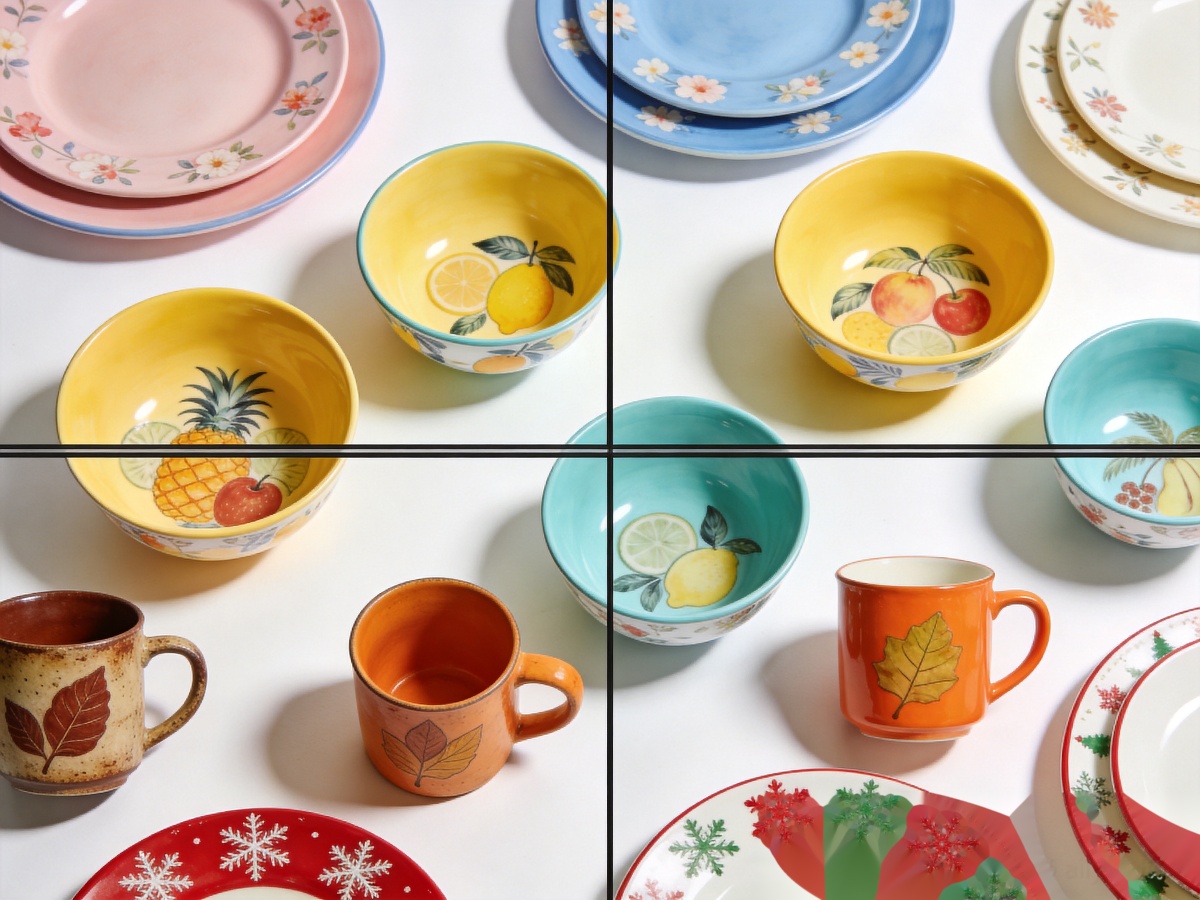
Regional Demand Patterns on the Ceramic Tableware Seasonal Buying Calendar
Different markets have distinct seasonal patterns that should influence your ceramic tableware seasonal buying calendar. Understanding these regional variations helps you align procurement with end-market demand:
North America (22% Global Market Share)
- Peak demand: Thanksgiving (November), Christmas (December), spring weddings (April-June)
- Order lead time: Place orders 4-5 months before peak selling season
- Key products: Dinner sets, serving platters, coffee mugs, holiday-themed collections
Europe (27% Global Market Share)
- Peak demand: Christmas (December), Easter (March-April), summer outdoor dining (June-August)
- Order lead time: European buyers typically order 5-6 months ahead due to stricter compliance requirements (FDA, LFGB, SGS certifications)
- Key products: Minimalist porcelain, sustainable stoneware, eco-certified lines
Middle East & Africa (13% Global Market Share)
- Peak demand: Ramadan (varies by year), Eid celebrations, wedding season (October-March)
- Order lead time: 3-4 months, with emphasis on gold-decorated and ornate designs
- Key products: Decorative serving sets, tea sets, luxury dinnerware with metallic accents
Building Your Own Ceramic Tableware Seasonal Buying Calendar
Creating an effective ceramic tableware seasonal buying calendar requires a systematic approach. Follow these steps to build a calendar that maximizes your buying power:
- Map your demand peaks: Analyze 2-3 years of sales data to identify your highest-revenue months and product categories
- Calculate lead times: Add production time (30-60 days), quality inspection (3-5 days), shipping (25-45 days by sea), and customs clearance (5-10 days) to determine order deadlines
- Build in buffer stock: Plan for 15-20% safety stock above forecasted demand to handle unexpected orders or supply delays
- Schedule supplier reviews: Plan factory visits or virtual audits during off-peak production months (January, April) when manufacturers have time to engage
- Align with trade shows: Use events like the Canton Fair (April and October), Ambiente (February), and Housewares Show (March) to discover new suppliers and trends
- Review quarterly: Update your ceramic tableware seasonal buying calendar every quarter based on actual performance and changing market conditions
Ceramic Tableware Seasonal Buying Calendar: Cost Optimization Strategies
Beyond timing, several strategies can help you extract maximum value from your ceramic tableware seasonal buying calendar:
Volume Consolidation
Consolidate orders across product lines to achieve container-load quantities. A full 20-foot container typically holds 8,000-12,000 pieces of mixed tableware, and shipping per-unit costs drop by 40-60% compared to LCL (less than container load) shipments.
Off-Peak Manufacturing Incentives
Many factories offer 5-10% discounts for orders placed during their slow periods (January-February, July-August). These savings directly improve your gross margin without requiring any product compromise.
Dual-Source Strategy
Maintain relationships with manufacturers in different geographic regions to hedge against localized disruptions. For example, if one Chinese production region faces energy rationing, an alternative supplier in a different province or country can maintain your supply continuity.
Frequently Asked Questions About the Ceramic Tableware Seasonal Buying Calendar
What is the best month to order ceramic tableware for the lowest prices?
January and early February (before Chinese New Year) generally offer the best pricing on the ceramic tableware seasonal buying calendar. Factories have open capacity after the holiday rush and are willing to negotiate on price and terms. The second-best window is July-August, when some factories experience a brief slowdown between spring and autumn order cycles.
How far in advance should I place ceramic tableware orders for holiday inventory?
For Christmas and holiday season inventory, place orders no later than August for ocean freight delivery. September is the absolute cutoff for sea shipping; orders placed after that may require expensive air freight. Ideally, holiday orders should be placed in June-July to allow buffer time for any production or shipping delays.
How does Chinese New Year affect ceramic tableware delivery timelines?
Chinese New Year typically causes a 4-6 week production gap. Factories shut down 1-2 weeks before the official holiday (as workers travel home) and take 2-3 weeks to resume full operations afterward. Orders placed in December may not ship until mid-March. Plan accordingly by ordering Q1 inventory by November at the latest.
What percentage of my annual ceramic tableware budget should I allocate to off-peak purchasing?
Industry best practice suggests allocating 60-70% of your annual ceramic tableware procurement budget to off-peak orders (Q1 and early Q2). This maximizes cost savings while maintaining enough budget flexibility for supplementary orders and emergency restocking during peak demand periods.
Can I use the ceramic tableware seasonal buying calendar for custom and OEM orders?
Absolutely. Custom and OEM orders require even more advance planning than standard products. Add 2-4 weeks for mold creation and sample approval to your ceramic tableware seasonal buying calendar timeline. The best window for custom orders is March-May, when factory engineering teams have capacity to focus on new product development without peak-season pressure.
Take Action on Your Ceramic Tableware Seasonal Buying Calendar Today
Every month that passes without a structured buying calendar means missed opportunities for cost savings, better quality, and reliable supply. The ceramic tableware market is growing at 3.5% annually, and competition for factory capacity and shipping space will only intensify. Buyers who plan strategically and order at the right time consistently outperform those who react to market conditions.
Whether you’re sourcing porcelain dinnerware, stoneware mugs, bone china tea sets, or custom-designed collections, aligning your procurement with the natural rhythms of the ceramic tableware supply chain is the single most impactful step you can take to improve margins and ensure reliable delivery.
Ready to optimize your ceramic tableware sourcing strategy? CeraSupply offers year-round manufacturing capacity across China’s top ceramic production regions, with flexible scheduling to match your seasonal buying calendar. Our team can help you plan orders for maximum cost efficiency and on-time delivery.