Ceramic thermal shock resistance is one of the most critical performance metrics in the tableware industry. For B2B buyers sourcing ceramic products for commercial foodservice, hospitality, or retail distribution, understanding how ceramics respond to rapid temperature changes can mean the difference between a reliable product line and a wave of customer complaints. Whether you are procuring dinnerware for a hotel chain or mugs for a café brand, ceramic thermal shock resistance directly determines product lifespan, safety, and long-term cost efficiency.
In this comprehensive guide, we break down the science behind thermal shock in ceramics, review international testing standards, compare the performance of different ceramic materials, and provide actionable insights for bulk buyers who need to make informed sourcing decisions.
What Is Ceramic Thermal Shock Resistance?
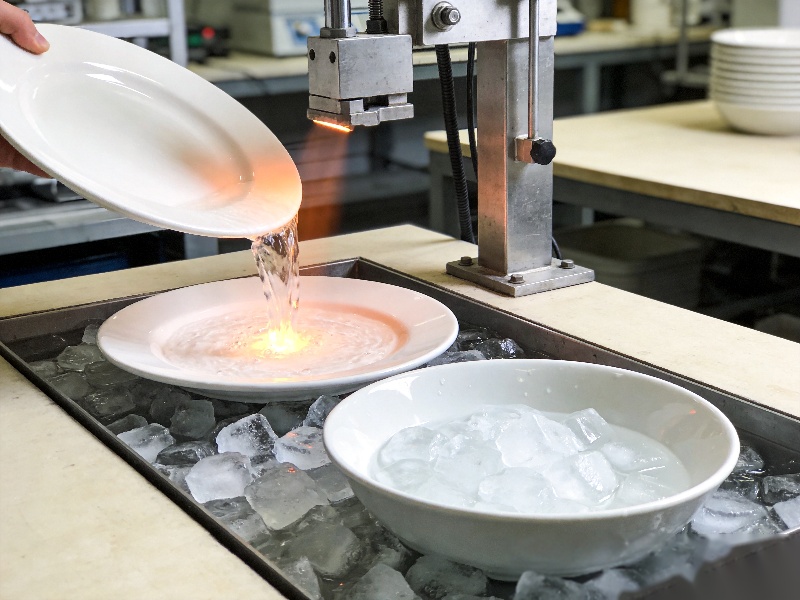
Ceramic thermal shock resistance refers to a ceramic material’s ability to withstand sudden and extreme temperature changes without cracking, shattering, or developing structural defects. When a ceramic piece experiences a rapid temperature shift — for example, a hot plate being placed under cold running water — the outer surface expands or contracts at a different rate than the interior. This differential creates internal stress. If that stress exceeds the material’s tensile strength, cracks form and propagate, potentially causing catastrophic failure.
The physics behind this phenomenon involves three key material properties: the coefficient of thermal expansion (CTE), thermal conductivity, and elastic modulus. A ceramic with a low CTE expands and contracts less with temperature changes, reducing internal stress. High thermal conductivity allows heat to distribute evenly throughout the body, minimizing the temperature gradient. And a lower elastic modulus gives the material more flexibility to absorb stress without fracturing.
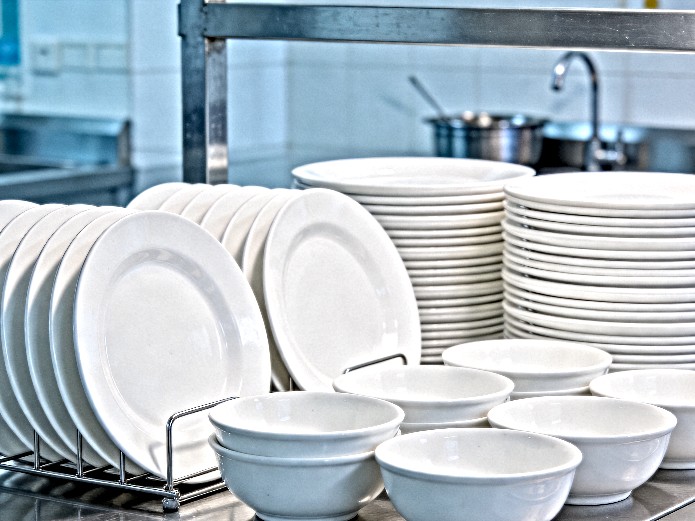
For commercial buyers, ceramic thermal shock resistance is not just a laboratory concept — it translates directly into real-world durability. Restaurant dishwashers expose plates to water temperatures of 60-82°C followed by rapid cooling. Oven-to-table products must survive transitions from 200°C+ ovens to room-temperature countertops. Understanding thermal shock performance is essential for specifying the right product for each application.
International Testing Standards for Ceramic Thermal Shock Resistance
Several internationally recognized standards define how ceramic thermal shock resistance is measured and graded. Familiarity with these standards helps buyers evaluate supplier claims and ensure products meet the regulatory requirements of target markets.
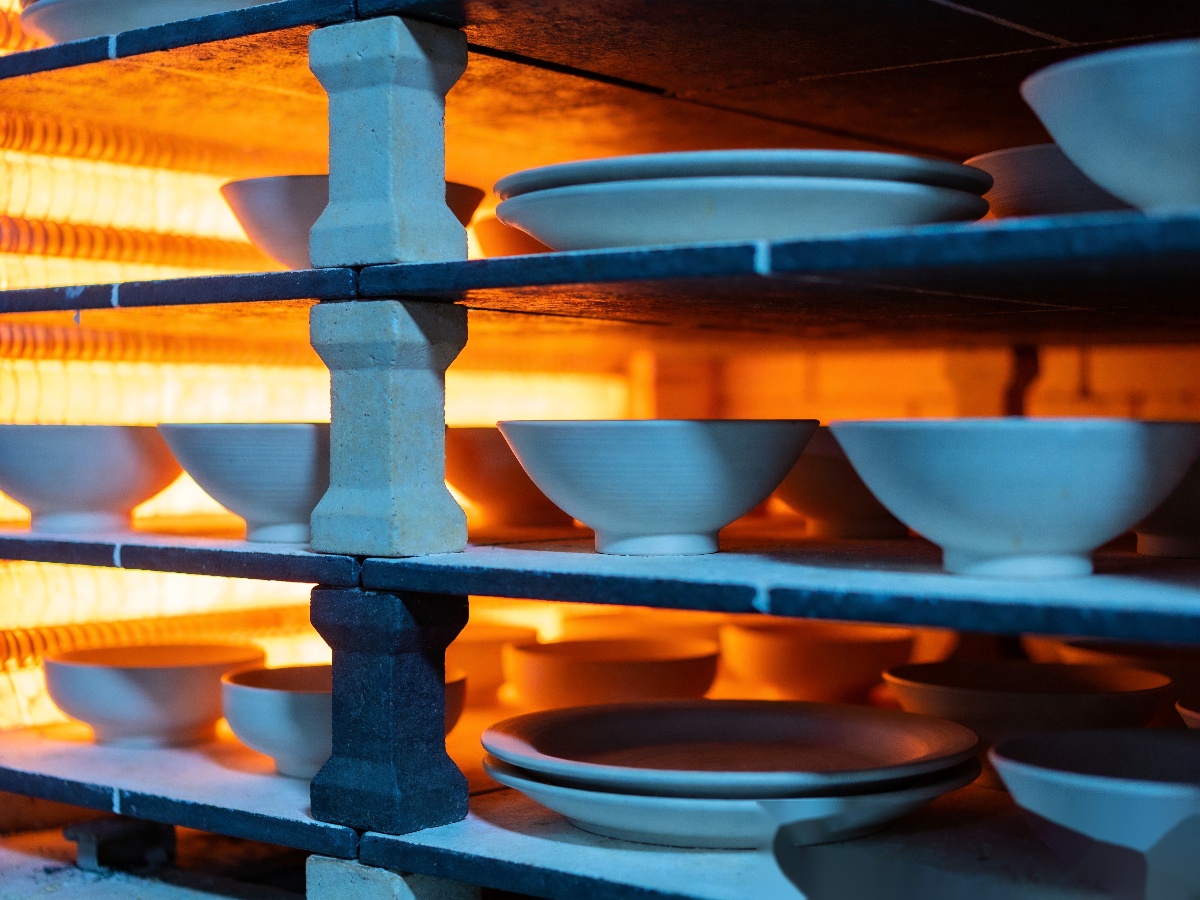
Comparing Ceramic Thermal Shock Resistance Across Material Types
Not all ceramics are created equal when it comes to thermal shock performance. The material composition, firing temperature, and manufacturing process all influence how well a finished product handles rapid temperature changes. Here is how the three major ceramic tableware categories compare:
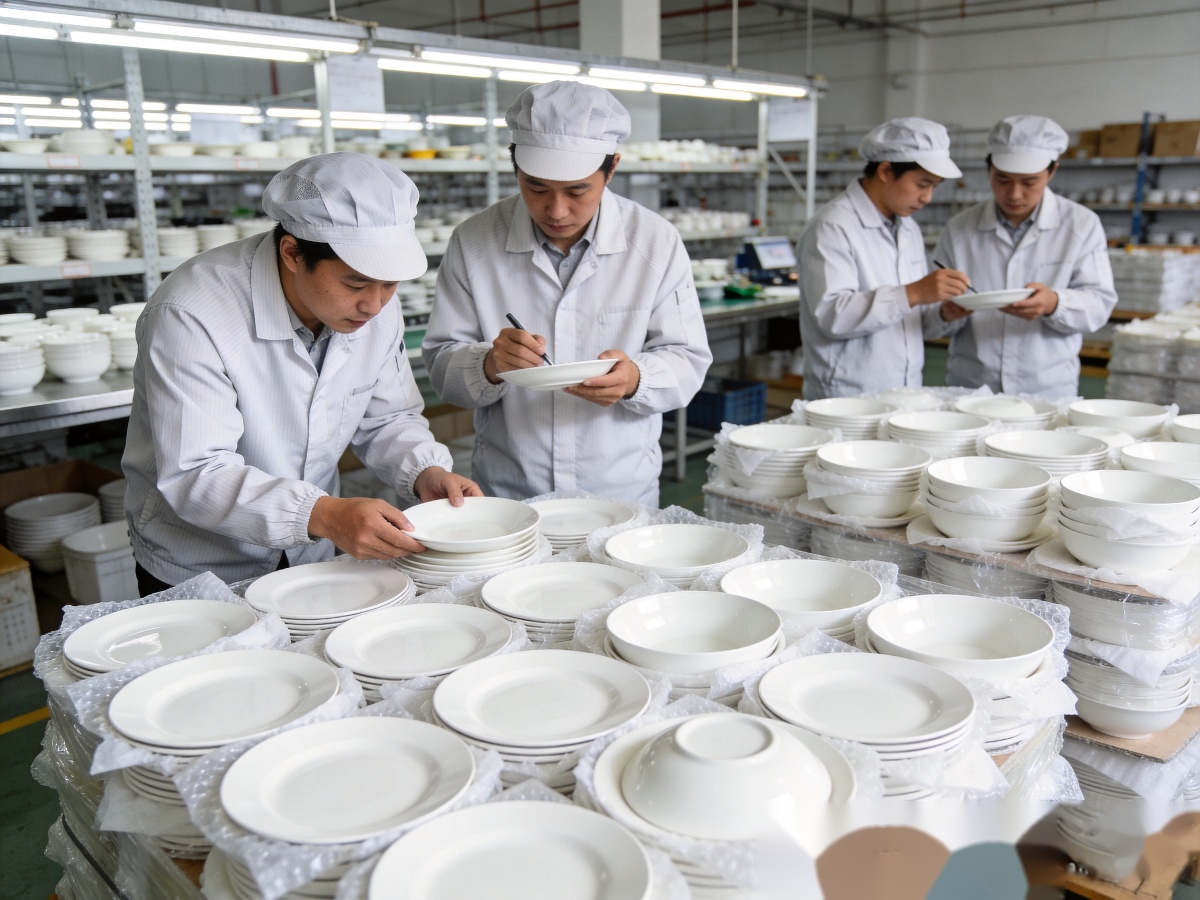
How to Specify Ceramic Thermal Shock Resistance Requirements in Purchase Contracts
One of the most common mistakes B2B buyers make is failing to specify thermal shock performance requirements in their purchase contracts. Without clear contractual benchmarks, suppliers may deliver products that meet basic quality standards but fail under real-world thermal cycling conditions. Here is how to build thermal shock requirements into your procurement process:
Common Misconceptions About Ceramic Thermal Shock Resistance
Several myths persist in the ceramic tableware industry that can lead buyers to make poor sourcing decisions. Let’s address the most common ones:
“Heavier ceramics are always more thermally resistant.” This is not necessarily true. While thicker walls provide more thermal mass, they also create larger temperature gradients between the surface and core, which can actually increase thermal stress. A well-designed thin-walled porcelain piece may outperform a thick, heavy stoneware plate in thermal shock tests.
“All white ceramics have the same thermal performance.” Color alone does not determine thermal behavior. The underlying material composition, firing temperature, and manufacturing quality are far more important. Two visually identical white plates from different factories can have vastly different ceramic thermal shock resistance depending on their production processes.
“If a product is microwave-safe, it is also oven-safe.” Microwave safety and oven safety involve very different thermal profiles. Microwave heating is relatively gentle and uniform, while oven environments subject ceramics to much higher temperatures and more rapid heating rates. Always verify oven-safe claims with specific thermal shock test data.
Frequently Asked Questions About Ceramic Thermal Shock Resistance
What temperature difference can standard porcelain tableware withstand?
Most commercial-grade porcelain can withstand temperature differentials (ΔT) of 150-200°C without damage. This means a plate heated to 180°C in an oven can safely be placed on a room-temperature surface (approximately 20°C). However, the exact performance depends on the specific manufacturer’s formulation and firing process, so always request test data for your specific product line.
How can I tell if a ceramic product has poor thermal shock resistance during a factory audit?
During a factory visit, look for signs of inconsistent firing (uneven color in the ceramic body), glaze crazing on finished products, and whether the factory conducts in-house thermal shock testing. Ask to see their test records and observe a live thermal shock test if possible. Factories that invest in regular thermal shock testing typically produce more reliable products.
Does ceramic thermal shock resistance degrade over time?
Yes, repeated thermal cycling can cause cumulative micro-damage in ceramics, even if individual cycles do not cause visible failure. This phenomenon, known as thermal fatigue, gradually reduces the material’s effective thermal shock resistance over its service life. For commercial applications with daily thermal cycling, plan for product replacement every 2-4 years depending on usage intensity and quality grade.
Are there any ceramic materials specifically engineered for extreme thermal shock resistance?
Yes. Cordierite ceramics, with their exceptionally low coefficient of thermal expansion, are engineered specifically for high thermal shock applications. They can withstand ΔT values exceeding 500°C. While not common in tableware, cordierite is used in pizza stones, kiln shelves, and catalytic converter substrates. For tableware, high-alumina porcelain with optimized firing protocols offers the best balance of thermal shock resistance and aesthetic quality.
What is the relationship between ceramic thermal shock resistance and food safety certifications?
Thermal shock resistance and food safety are related but distinct requirements. A product may pass FDA or LFGB food contact tests but still have poor thermal shock performance, and vice versa. However, thermal shock damage (cracks, crazing) can compromise food safety by creating harborage points for bacteria. For this reason, products that maintain structural integrity under thermal stress also tend to maintain better long-term food safety compliance.
Partner with CeraSupply for Thermally Tested Ceramic Tableware
At CeraSupply, every product in our catalog undergoes rigorous ceramic thermal shock resistance testing before it reaches our warehouse. We test to international standards including ASTM C724, ISO 2747, and GB/T 3299, and we provide full test certificates with every bulk order. Whether you need oven-safe porcelain for a restaurant chain or dishwasher-durable stoneware for a café brand, we can match you with the right material, grade, and specification for your application.
Our quality control team conducts thermal shock screening on every production batch, and we maintain detailed test records for full traceability. We also support custom thermal performance specifications — if your application requires higher-than-standard ΔT ratings, we can work with our factory partners to develop a tailored solution.
Ready to source ceramic tableware with verified thermal shock performance? Contact us today on WhatsApp for a free consultation and quote. Our team can provide thermal shock test data, sample arrangements, and pricing within 24 hours.