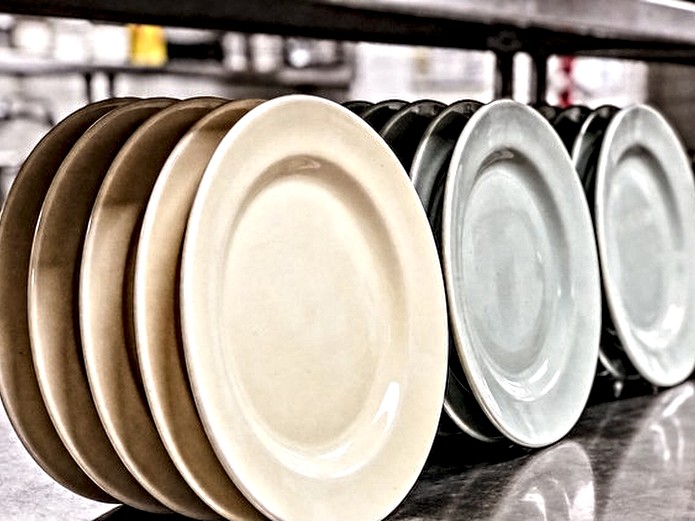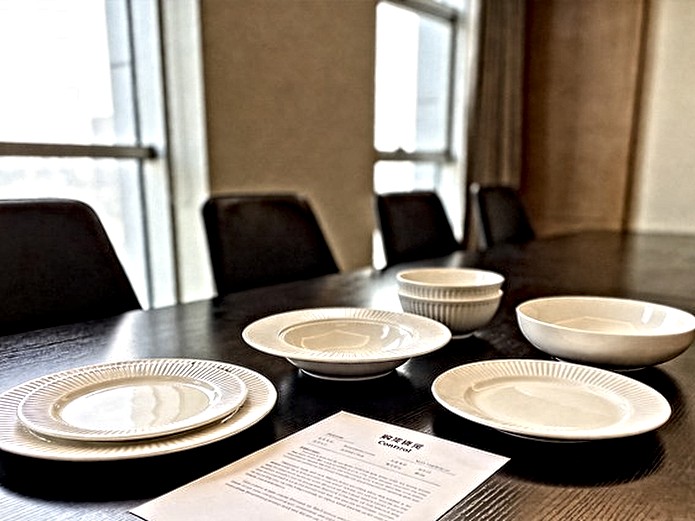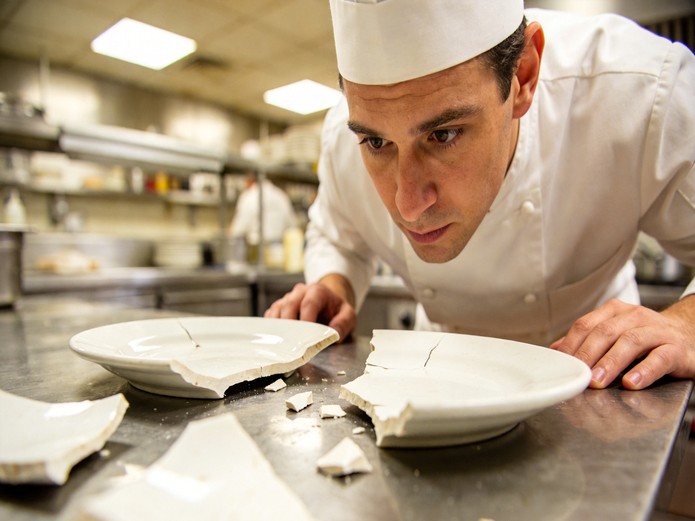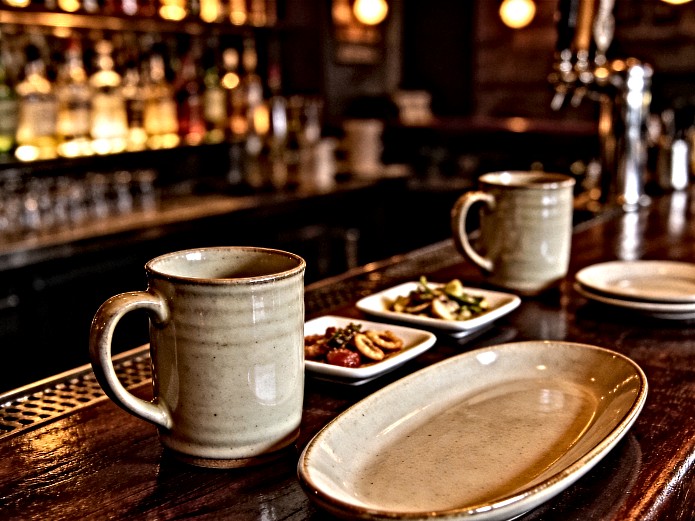
Ceramic tableware for bars and pubs needs to handle more than just food — it must survive dropped glasses, constant washing, and rough handling by staff and patrons alike. After ten years of sourcing ceramics for hospitality clients, I have seen too many bar owners buy standard restaurant dinnerware and watch it chip within weeks. Bar environments are harder on tableware than full-service restaurants. Plates get stacked on narrow ledges. Mugs get knocked against taps. Shareable platters pass through dozens of hands per night. This guide will show you exactly what to look for when sourcing ceramic tableware specifically for bar and pub concepts, from material selection to durability features that actually matter in a high-traffic drink-forward setting.
What Makes Bar Ceramic Tableware Different from Restaurant Dinnerware
Bar tableware faces a different stress profile than restaurant dinnerware. In a typical restaurant, plates travel from kitchen to table to dish pit. In a bar, ceramics get stacked on narrow rails, passed across crowded counters, knocked against bottle coolers, and washed in rapid cycles. The breakage rate in bars runs higher than in full-service dining [INTERNAL DATA REQUIRED].
Three factors distinguish bar ceramics:
- Smaller footprints. Bar plates and shareable dishes need to fit on high-top tables, ledges, and narrow counters. A 12-inch dinner plate is often too large. Most bar concepts use 7- to 9-inch plates, 5- to 6-inch bowls, and compact sharing platters.
- Drinkware integration. Bars need ceramic mugs for hot cocktails, ceramic pitchers for sangria and punches, and sturdy handled cups. These pieces must handle thermal shock from hot liquids and rapid temperature changes.
- Higher wash frequency. Bar ceramics often turn over 3-4 times per evening versus 1-2 times in restaurants. This means glaze durability and edge reinforcement matter more.
Essential Ceramic Pieces Every Bar and Pub Needs
Most bar operators underestimate the variety of ceramics they actually need. Here is the standard piece mix I recommend for a 100-seat bar or pub concept:
| Piece | Typical Size | Suggested Quantity | Purpose |
|---|---|---|---|
| Appetizer / bar plates | 7-8 inch | 150-200 pieces | Small plates for bar snacks and shareables |
| Shareable platters | 10-12 inch oval | 40-60 pieces | Wings, nachos, charcuterie |
| Soup / chili bowls | 12-16 oz | 60-80 pieces | Hearty bar menu items |
| Ceramic mugs | 12-16 oz | 80-100 pieces | Hot cocktails, coffee, mulled wine |
| Side / sauce dishes | 3-4 inch | 100-150 pieces | Dips, condiments, pickles |
| Dessert plates | 6-7 inch | 40-60 pieces | If dessert is on the menu |
MOQ reality check: Most factories in Chaozhou and Dehua require 500-1,000 pieces per SKU for custom designs [VERIFY BEFORE PUBLISHING]. For a full bar set, plan on 3,000-5,000 total pieces for your first order. Reorders of individual SKUs often drop to 300-500 pieces once the mold is established.
Lead time: Custom bar ceramics typically run 45-60 days from approved sample to finished goods. Add 2-3 weeks for ocean freight depending on your port [VERIFY BEFORE PUBLISHING].
Material Choices: Stoneware vs Porcelain for Bar Use
The stoneware versus porcelain debate changes in a bar context. Here is how I break it down for clients:
Stoneware is the safer default for most bars. It is thicker, heavier, and more chip-resistant than standard porcelain. The extra weight actually helps in a bar setting — a heavier mug or plate is less likely to get knocked over. Stoneware also retains heat better, which matters for hot bar drinks. The tradeoff is weight: stacked stoneware platters are heavier for staff to carry.
Porcelain works for upscale gastropubs and cocktail bars where presentation matters more than brute durability. High-fired porcelain (above 1,280°C) can be surprisingly resilient, but thin porcelain rims chip faster under bar conditions. If you choose porcelain, specify a reinforced rolled rim and a minimum 4mm base thickness.
Bone china is generally not recommended for bars. It is beautiful but too delicate for the taproom environment. I have only specified bone china for private dining rooms attached to bars, never for the main floor.
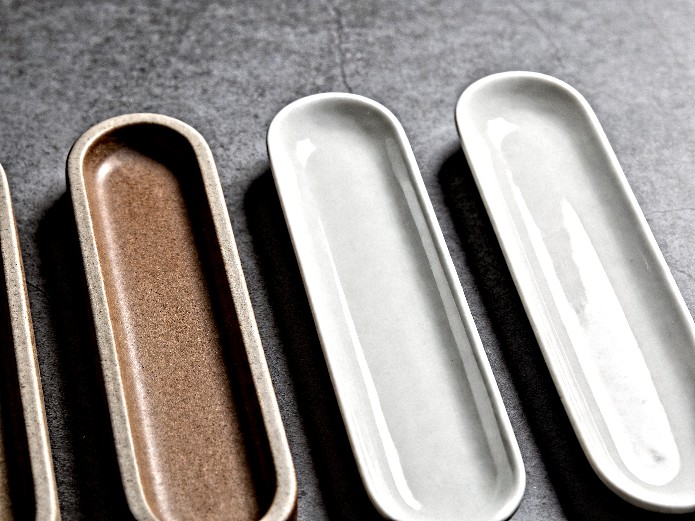
| Factor | Stoneware | Porcelain | Bone China |
|---|---|---|---|
| Chip resistance | High | Medium | Low |
| Weight | Heavy (250-400g per plate) | Medium (180-280g) | Light (120-180g) |
| Heat retention | Good | Fair | Fair |
| Cost per piece | $1.50-$3.50 | $2.00-$5.00 | $4.00-$8.00 |
| Best use case | Casual pubs, sports bars | Gastropubs, cocktail bars | Private dining only |
Cost ranges are approximate FOB China and vary by order volume and customization level [VERIFY BEFORE PUBLISHING].
Durability Features to Look For in Commercial Bar Ceramics
Not all ceramics rated “commercial grade” are suitable for bars. I look for four specific features:
1. Rolled or reinforced rims. A rounded, thickened rim resists chipping when plates get stacked or knocked. Avoid sharp, flat rims. Ask your supplier to show you the rim cross-section — it should be at least 3mm thick at the edge.
2. Fully vitrified body. Vitrified ceramics absorb less than 0.5% water, which prevents cracking during rapid temperature changes and reduces the risk of glaze crazing in commercial dishwashers. Request a water absorption test report [CERTIFICATE REQUIRED].
3. High-temperature glaze. Bar ceramics need glazes fired above 1,200°C for hardness. Softer glazes scratch and dull quickly under bar conditions. Ask for the glaze firing temperature in writing.
4. Foot ring design. A raised foot ring protects the base from scratches and allows water to drain in the dish rack. In bars, where ceramics sit on wet counters, this matters more than in restaurants.
Sourcing Bar Ceramic Tableware: MOQ, Lead Times, and Pricing
Bar ceramics follow the same sourcing rules as other commercial tableware, but with a few nuances:
MOQ negotiation: Factory minimums for bar-specific shapes (mugs, small plates, pitchers) are often higher than standard dinnerware because the molds are less commonly used. Expect 800-1,200 pieces per SKU for first orders. One strategy that works: combine your order with standard restaurant pieces if you operate both a bar and dining room. Factories often accept lower per-SKU minimums when the total order value crosses $15,000-$20,000 [VERIFY BEFORE PUBLISHING].
Sample consolidation: Before committing to a full order, request samples of every piece type. Pay attention to how the mug handle feels when full, whether the platter warps under heat, and how the glaze holds up after 50+ dishwasher cycles. I always run a thermal shock test on samples: pour boiling water into a frozen mug. If it cracks, that body is not suitable for bar use.
Packaging for bar ceramics: Bar pieces are oddly shaped — mugs have handles, pitchers have spouts. These protrusions break during shipping if not properly protected. Insist on individual bubble wrap for mugs and pitchers, with cardboard dividers between stacked plates. The breakage rate for poorly packed bar ceramics can exceed 5% [VERIFY BEFORE PUBLISHING].
Customization options: Logo printing on bar mugs is a common request. Screen printing works well on flat mug surfaces. For curved or textured surfaces, decals are more reliable. Lead time for custom logo work adds 7-10 days. Color matching for branded bars is possible with Pantone references, but expect a $200-$400 color-matching fee per glaze [VERIFY BEFORE PUBLISHING].
Common Mistakes When Buying Ceramic Tableware for Bars
These are the three errors I see most often from bar operators sourcing ceramics for the first time:
Mistake 1: Buying restaurant dinnerware for a bar environment. A standard 10.5-inch dinner plate does not fit on a high-top table alongside three drinks. Bar portions are smaller, and the physical space is tighter. Measure your table surfaces before ordering. Most bar concepts need plates 2-3 inches smaller than their restaurant equivalents.
Mistake 2: Ignoring handle durability on mugs. Bar mugs get knocked, dropped, and gripped tightly. A thin or poorly attached handle snaps off under stress. Test the handle attachment on samples by applying gentle lateral pressure. The handle-to-body joint should show no flex or hairline cracks.
Mistake 3: Skipping the dishwasher compatibility test. Bar ceramics wash more frequently than restaurant pieces. Some decorative glazes and metallic rims degrade in commercial dishwasher chemicals. Run samples through your actual dishwasher for a full week before placing a bulk order. If the glaze dulls or the rim discolors, switch suppliers.
Bar Ceramic Tableware Quality Checklist
Use this checklist when evaluating samples or inspecting your first shipment. Print it or save it on your phone.
Body and Structure
- No visible cracks, pinholes, or warping
- Rolled or reinforced rim at least 3mm thick
- Stable base — plate sits flat without rocking
- Handle attachment is solid with no gaps or wobble (for mugs/pitchers)
- Wall thickness is consistent across the piece
Glaze Quality
- Glaze is smooth and even with no bubbles or bare spots
- No crazing (fine cracks in the glaze surface)
- Color is consistent across all sample pieces
- Glaze passes 50+ commercial dishwasher cycles without dulling
Functional Testing
- Thermal shock test: boiling water into frozen piece with no cracks
- Stackability test: 10 pieces stack evenly without wobbling or sticking
- Weight check: piece weight matches specification within 10%
- Lip and rim feel smooth to the touch with no sharp edges
Documentation
- Lead and cadmium test report provided [CERTIFICATE REQUIRED]
- Water absorption test shows <0.5% [CERTIFICATE REQUIRED]
- Factory provides dishwasher-safe certification or statement
- Packing list matches order quantity with breakage allowance noted
FAQ
What is the typical lifespan of ceramic tableware in a busy bar?
With proper handling and commercial-grade ceramics, expect 2-3 years of service in a high-volume bar. Casual pubs with lower turnover may see 4-5 years. The biggest factor is edge chipping from stacking and impact [VERIFY BEFORE PUBLISHING].
Can I mix stoneware and porcelain in the same bar concept?
Yes, and many operators do. Use stoneware for high-traffic areas and daily service. Reserve porcelain for VIP seating, private events, or cocktail presentations where visual impact matters more than durability.
How many extra pieces should I order for breakage?
Order 10-15% above your calculated need for the first year. After you track actual breakage rates, adjust your reorder strategy. Most bar operators settle on 5-8% annual replacement once they find the right ceramic grade [VERIFY BEFORE PUBLISHING].
Are metallic-rimmed ceramics safe for bar use?
Metallic rims can degrade in commercial dishwashers and may not be microwave-safe. For bars that serve hot drinks and use microwave warming, avoid metallic decoration. If you want the look, use metallic-look glazes instead of actual metal rims.
What is the smallest order a factory will accept for custom bar mugs?
Custom mug orders typically start at 500-1,000 pieces per design. For smaller runs, some factories offer stock shapes with your logo added via decal. This drops the minimum to 300-500 pieces but limits your shape options [VERIFY BEFORE PUBLISHING].
Should bar ceramics be microwave-safe?
If your bar serves hot cocktails, mulled wine, or warmed snacks, microwave safety is worth specifying. Not all commercial ceramics are microwave-safe — especially those with metallic decoration or thick, low-fired bodies. Ask your supplier explicitly and test samples yourself.
Ready to source ceramic tableware for your bar or pub? Request our bar ceramic tableware catalogue and get a customized piece mix and sample quote for your concept.