When it comes to bulk ceramic sourcing, the biggest decision you face isn’t just the design—it’s the choice of partner. Whether you are a procurement manager or a hospitality brand, effective bulk ceramic sourcing is the foundation of your operational success. Should you deal directly with a ceramic factory in China, or go through a trading company? The choice impacts your margins, communication speed, and quality control. At CeraSupply, we believe that strategic bulk ceramic sourcing shouldn’t be a gamble; it should be a controlled, reliable process.
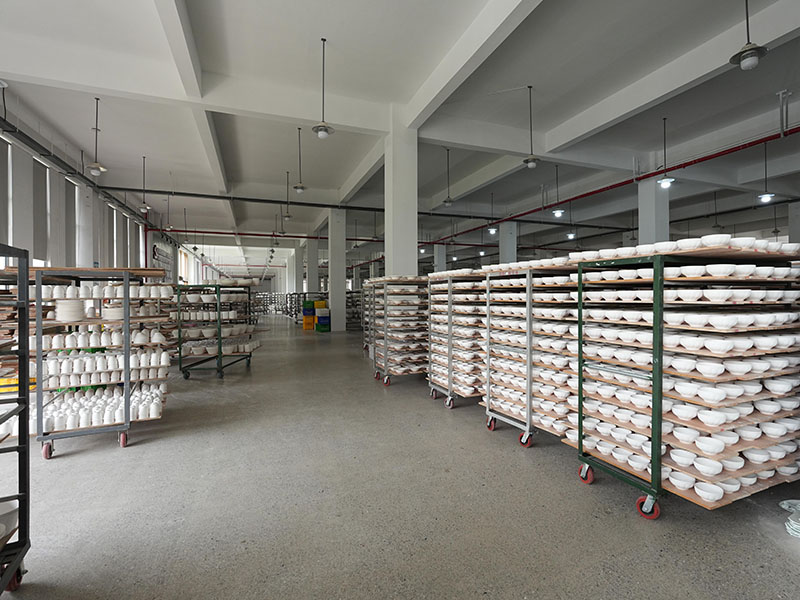
1. How to Evaluate Production Redundancy in Bulk Ceramic Sourcing Does your manufacturer rely on a single kiln line, or do they have high-capacity redundancy? A professional factory should maintain enough kiln capacity to handle volume spikes without compromising firing schedules. Our high-capacity kilns are managed with a strict schedule to ensure a consistent output of 100,000+ units monthly, ensuring that your large orders are never sidelined by smaller priorities.
2. Prioritize Technical Material Expertise Professional procurement requires a deep understanding of material composition. In hospitality settings, stoneware and porcelain differ significantly in their heat retention and impact resistance. By conducting chemical leach testing (Lead and Cadmium release), you ensure compliance with international food-safety laws. A factory that provides proactive documentation without being asked is the partner that prioritizes your brand’s longevity over quick gains.
3. The Importance of Pre-Shipment Audits Many supply chain issues arise from “batch drift”—where the 1,000th piece looks different from the 1st. You must demand a standardized Pre-Shipment Inspection (PSI) report. This includes:
- Glaze Consistency Check: Ensuring standard color matching across the entire batch.
- Structural Integrity Testing: Ensuring reinforced edges meet hospitality-grade standards.
- Compliance Documentation: Verified safety reports (FDA/SGS/LFGB) attached to every shipment.
4. Leveraging Real-Time Communication for Bulk Ceramic Sourcing In an era of global volatility, relying on “email-only” communication is a recipe for delay. Advanced manufacturers now utilize collaborative platforms to share real-time updates. By integrating ERP systems with our client communication channels, CeraSupply ensures that every stakeholder—from the floor manager to the final purchaser—has total visibility into the production life cycle.
5. Consider Logistics and Packaging The journey from the kiln to your warehouse is fraught with risks. Effective sourcing involves rigorous packaging standards, such as shock-absorbent cushioning and pallet stabilization. We test our packaging against drop-test standards to minimize damage, which is a critical step often overlooked by third-party traders.
6. Analyzing the Total Cost of Ownership (TCO) When analyzing bulk ceramic sourcing quotes, procurement teams often make the mistake of focusing solely on the “unit price.” However, the true cost of a ceramic product is determined by its life cycle. By investing in commercial-grade, factory-direct ceramics, you are essentially reducing your long-term operational expenditure. High-durability products from a reputable partner act as an asset for your business rather than a recurring expense.
7. Sustainability and Factory Transparency Modern B2B buyers are increasingly prioritizing ESG criteria. Reliable sourcing isn’t just about efficiency; it’s about the sustainability of the production process. A factory that utilizes heat-recovery kilns, recycles raw clay materials, and adheres to fair labor practices is a far more stable partner.
Why Stability Matters for Your Brand Consistent delivery is the backbone of your brand reputation. When your shelves are stocked and your professional ceramic dinnerware remains uniform, your business thrives. For more insights on global standards, check the ISO international quality standards [blocked] to understand how top-tier manufacturing should be measured.
Frequently Asked Questions About Bulk Ceramic Sourcing
- Q: What is the ideal lead time? A: A factory with rapid prototyping should deliver samples within 7-10 days, with full production within 30-45 days.
- Q: How do I verify if a factory is truly commercial-grade? A: Look for certifications like SGS/LFGB, and verify their experience with high-turnover environments.
Need a Reliable Sourcing Partner? Let’s build a stable supply chain together. Get a production audit and a custom quote today.