Ceramic shipping costs represent one of the most significant variables in the total landed cost of bulk tableware imports. For B2B buyers sourcing ceramic products from China, understanding the interplay between incoterms—particularly FOB, CIF, and DDP—is essential for accurate cost forecasting, risk management, and supplier negotiations. This guide breaks down each shipping term, compares their cost implications, and provides actionable strategies to optimize your ceramic import logistics.
Understanding Ceramic Shipping Costs: The Basics
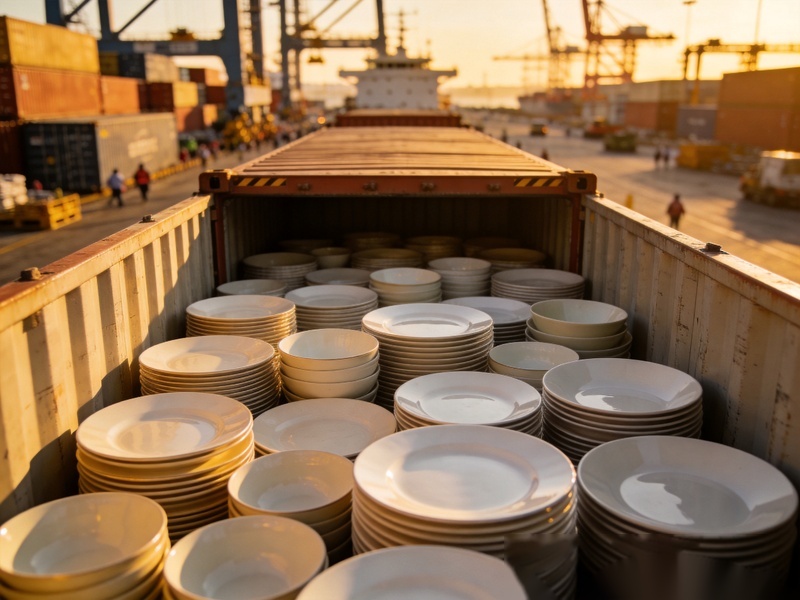
Ceramic shipping costs encompass far more than the simple freight charge from factory to destination. The total shipping expense includes inland transportation from the ceramic production base to the port, ocean or air freight, insurance premiums, customs duties, port handling fees, and last-mile delivery to your warehouse. For fragile goods like ceramic tableware, additional costs arise from specialized packaging, crating, and insurance against breakage.
The incoterm you agree upon with your ceramic supplier determines exactly where responsibility—and cost—transfers from seller to buyer. Misunderstanding these terms is one of the most common causes of unexpected expenses in international ceramic trade. A quotation that appears cheap under one incoterm may actually be more expensive than an alternative once all shipping costs are factored in.
FOB (Free on Board): What Ceramic Buyers Need to Know
FOB is the most widely used incoterm in ceramic tableware exports from China. Under FOB terms, the supplier is responsible for all costs up to loading the goods onto the vessel at the named port of shipment—typically ports like Shenzhen, Xiamen, or Ningbo, which serve major ceramic production regions.
The supplier covers inland trucking from the factory to the port, export customs clearance, terminal handling charges at origin, and the actual loading onto the ship. Once the goods are on board, all remaining ceramic shipping costs shift to the buyer: ocean freight, insurance, destination port charges, import duties, and final delivery.
- Typical FOB cost breakdown: Factory price + inland transport to port + export clearance + port handling = supplier’s responsibility
- Buyer’s responsibility: Ocean freight + marine insurance + destination port fees + customs duties + inland delivery
- Best for: Buyers who have established relationships with freight forwarders and want control over shipping carriers and routes
FOB gives buyers the flexibility to choose their own freight forwarder, negotiate shipping rates independently, and select insurance coverage that matches the fragility and value of their ceramic cargo. For experienced importers, FOB often results in the most competitive total ceramic shipping costs because it allows direct rate shopping across multiple logistics providers.
CIF (Cost, Insurance, and Freight): Ceramic Shipping Costs Explained
Under CIF terms, the ceramic supplier assumes responsibility for the cost of goods, marine insurance, and ocean freight to the named destination port. This means the supplier arranges and pays for the entire sea journey, including insurance coverage for the ceramic cargo during transit.

While CIF may appear simpler for buyers—since the supplier handles the logistics up to the destination port—it carries important nuances that directly affect ceramic shipping costs:
- Insurance limitations: Under CIF, the supplier is only required to provide minimum coverage (typically 110% of the CIF value under Institute Cargo Clauses C). For fragile ceramics prone to breakage, buyers should negotiate for broader coverage (Clauses A or All Risks) or arrange supplemental insurance.
- Freight forwarder selection: The supplier chooses the shipping line, which may not be the most cost-effective or fastest option for your route. Slower transit times or transshipment can increase the risk of ceramic breakage.
- Hidden destination costs: Once cargo arrives at the destination port, the buyer bears all unloading charges, import duties, customs clearance fees, and onward transportation—costs that are often underestimated.
CIF works well for buyers who lack experience arranging international freight or who are importing smaller quantities of ceramic tableware. However, it is critical to request a detailed breakdown of CIF ceramic shipping costs from the supplier and verify that the insurance coverage is adequate for fragile ceramic goods.
DDP (Delivered Duty Paid): Full-Service Ceramic Shipping Costs
DDP represents the most comprehensive incoterm for ceramic buyers. Under DDP, the supplier handles virtually everything: factory-to-door delivery, export and import customs clearance, all duties and taxes, insurance, and final delivery to the buyer’s specified address. The buyer’s only responsibility is to accept the goods upon arrival.
While DDP offers maximum convenience, it also results in the highest quoted ceramic shipping costs because the supplier builds in margins for every logistics component they manage. Here is what DDP typically includes:
- Full logistics chain: Factory pickup, inland transport, port handling, ocean freight, destination port charges, customs clearance, duties, taxes, and final delivery
- Import duties and taxes: The supplier pays all import tariffs and VAT/GST at destination, which varies significantly by country (e.g., EU anti-dumping duties on Chinese ceramics can add 17-36%)
- Administrative overhead: The supplier’s margin on managing customs brokers, local trucking, and compliance paperwork
DDP is ideal for buyers who want a single, all-inclusive price with no surprises. It is particularly suitable for e-commerce sellers, small businesses, or first-time importers who prefer not to navigate the complexities of international trade logistics. However, experienced buyers with established customs brokers often find that managing the import leg themselves (under FOB or CIF) yields lower total ceramic shipping costs.
Ceramic Shipping Costs Comparison: FOB vs CIF vs DDP
To illustrate the practical differences, consider a hypothetical order of 10,000 ceramic dinner plate sets shipped from Chaozhou, China to Los Angeles, USA. The following comparison shows how ceramic shipping costs differ across the three incoterms:
FOB Chaozhou/Shenzhen:
- Supplier covers: Factory to port transport (~$200-400), export clearance (~$150-250), port handling (~$100-200)
- Buyer covers: Ocean freight (~$2,500-4,500 per 20ft container), insurance (~$150-300), US customs clearance (~$300-500), duties (varies), inland delivery (~$500-1,200)
- Total estimated shipping cost: ~$3,800-7,000
CIF Los Angeles:
- Supplier covers: All FOB costs plus ocean freight and basic insurance
- Buyer covers: Destination port charges (~$400-700), customs clearance (~$300-500), duties, inland delivery
- Total estimated shipping cost: ~$4,500-7,500 (supplier’s freight markup included)
DDP Los Angeles Warehouse:
- Supplier covers: Entire logistics chain including duties and taxes
- Buyer covers: Nothing beyond the agreed DDP price
- Total estimated shipping cost: ~$6,000-10,000 (includes supplier margin on all services)
As the comparison shows, FOB typically offers the lowest total ceramic shipping costs for experienced buyers, while DDP provides the most predictable all-in pricing. CIF falls in between but carries the risk of inadequate insurance coverage for fragile ceramics.
How to Reduce Ceramic Shipping Costs Without Compromising Safety
Ceramic tableware is inherently fragile, and cutting corners on shipping to save costs can result in catastrophic breakage rates that far exceed any freight savings. However, there are proven strategies to optimize ceramic shipping costs while maintaining product integrity:
Hidden Ceramic Shipping Costs That B2B Buyers Overlook
Beyond the obvious freight charges, several hidden costs can significantly inflate your total ceramic shipping costs if not anticipated in advance:
- Port congestion surcharges: Major ports occasionally impose congestion fees during peak periods, adding $200-800 per container to ceramic shipping costs.
- Currency adjustment factors (CAF): Shipping lines apply CAF to account for exchange rate fluctuations, which can add 5-15% to base freight rates.
- Bunker adjustment factors (BAF): Fuel surcharges that fluctuate with global oil prices, sometimes representing 20-30% of the base ocean freight cost.
- Demurrage and detention charges: If containers are not picked up or returned within the free time period (typically 7-14 days), daily charges of $50-150 per container accumulate rapidly.
- Customs examination fees: Random customs inspections at the destination port can incur X-ray fees ($150-300) or intensive examination charges ($500-1,000+), plus potential delays.
Building a 10-15% contingency buffer into your ceramic shipping cost estimates helps absorb these unpredictable expenses without disrupting your procurement budget.
FAQ: Common Questions About Ceramic Shipping Costs
What is the most cost-effective incoterm for importing ceramic tableware?
For experienced B2B buyers with established freight forwarding relationships, FOB typically offers the lowest total ceramic shipping costs because it allows independent rate negotiation. For first-time importers or those without logistics infrastructure, CIF provides a reasonable balance of simplicity and cost control. DDP is best suited for buyers who prioritize convenience and predictable all-in pricing.
How can I estimate ceramic shipping costs before placing an order?
Request a detailed proforma invoice from your supplier that includes the product cost under your preferred incoterm, then obtain freight quotes from at least two forwarders for the same route. Add estimated customs duties (check your country’s tariff schedule for ceramic tableware HS codes 6911 and 6912), insurance premiums, and a 10% contingency for surcharges to build a realistic total cost estimate.
Does ceramic packaging significantly affect shipping costs?
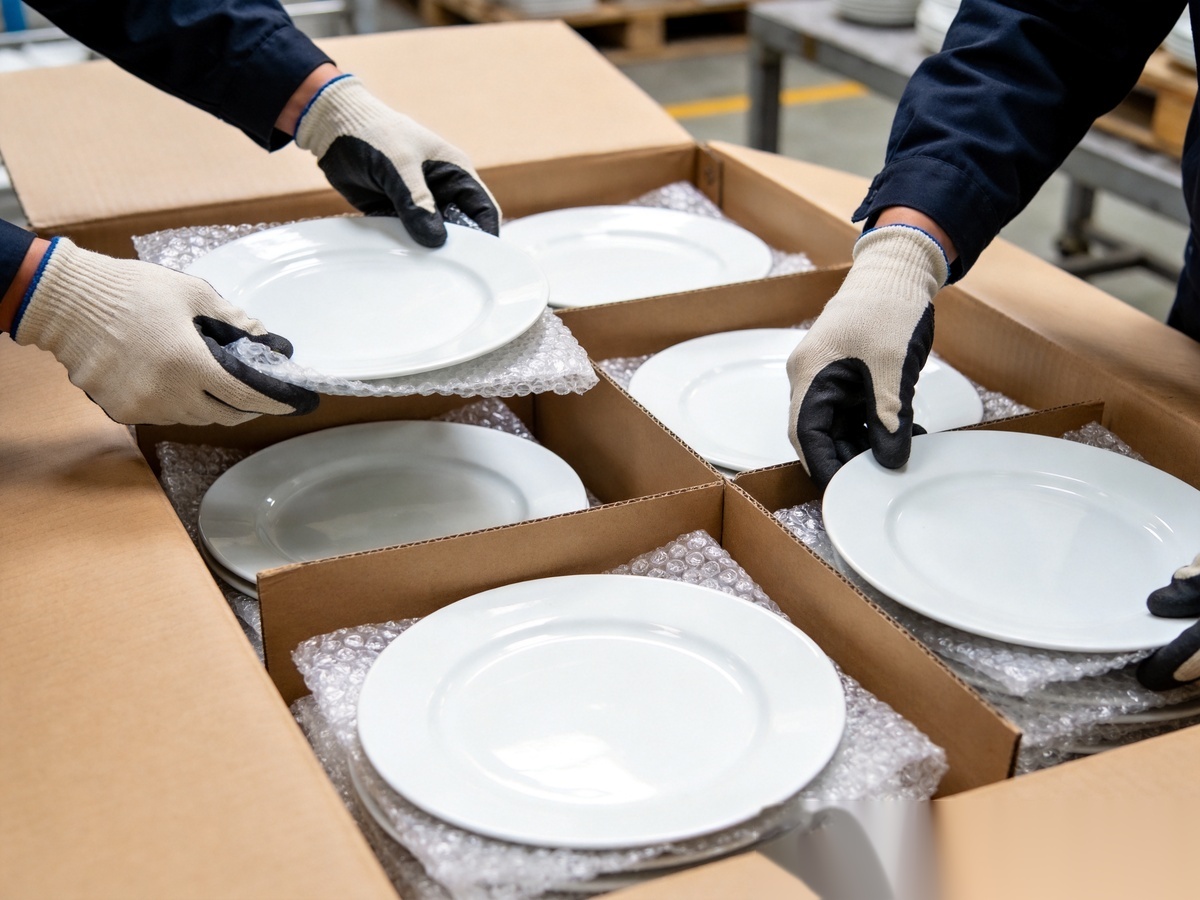
Yes. Professional export packaging for ceramics—including corrugated carton dividers, foam inserts, and palletization—adds approximately $0.10-0.30 per unit but reduces breakage rates from 5-8% to under 1%. The net effect is a significant reduction in total landed cost because the cost of replacing broken ceramics (including re-shipping) far exceeds the packaging investment.
Are there anti-dumping duties on Chinese ceramic tableware?
Yes, several markets impose anti-dumping duties on ceramic tableware from China. The EU applies duties ranging from 17% to 36.1% depending on the manufacturer, and countries like Brazil, Argentina, and India have similar measures. These duties are a major component of ceramic shipping costs for these markets and must be factored into landed cost calculations before placing orders.
What is the typical breakage rate for ceramic shipments, and how does it affect costs?
Industry-standard breakage rates for well-packed ceramic tableware in full container loads range from 1-3%. With poor packaging or LCL shipments, rates can reach 5-10%. Each percentage point of breakage directly increases your effective per-unit cost, making investment in quality packaging and appropriate insurance coverage essential for controlling total ceramic shipping costs.
Get Expert Guidance on Ceramic Sourcing and Shipping
Understanding ceramic shipping costs and choosing the right incoterm is just one piece of the sourcing puzzle. Whether you need help optimizing your procurement strategy, navigating export regulations, or finding reliable ceramic manufacturers, our team at CeraSupply is ready to help. Explore our sourcing guides for more insights, or reach out directly for a personalized consultation.
Contact us on WhatsApp for a free quote and shipping cost estimate — we handle everything from factory to your warehouse.