Ceramic Tableware Water Absorption: How to Verify a Declared Body Grade at Receipt
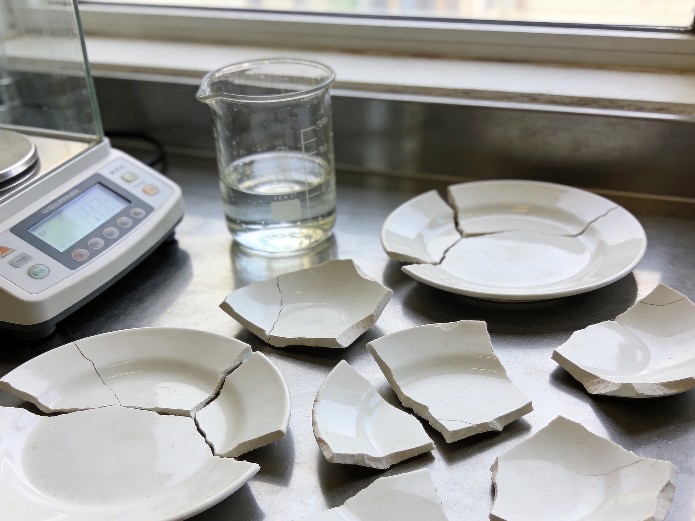
Ceramic tableware water absorption testing proves a declared body grade at receipt. Which standard governs tableware, and what a report must state.

Ceramic tableware water absorption testing proves a declared body grade at receipt. Which standard governs tableware, and what a report must state.

Structure ceramic tableware payment terms that protect your deposit, manage shipment risk, and secure quality holdbacks against defects.
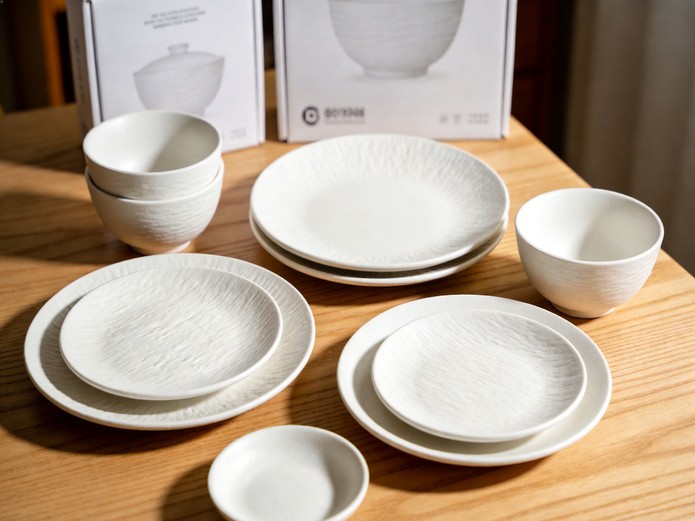
Learn how to build a private label ceramic tableware brand from China. Step-by-step guide covering supplier selection, MOQ, design workflow, and launch costs.

Ceramic tableware for cruise lines must survive salt air, motion, and commercial dishwashing. Learn marine-grade specs, galley storage, and sourcing strategies.
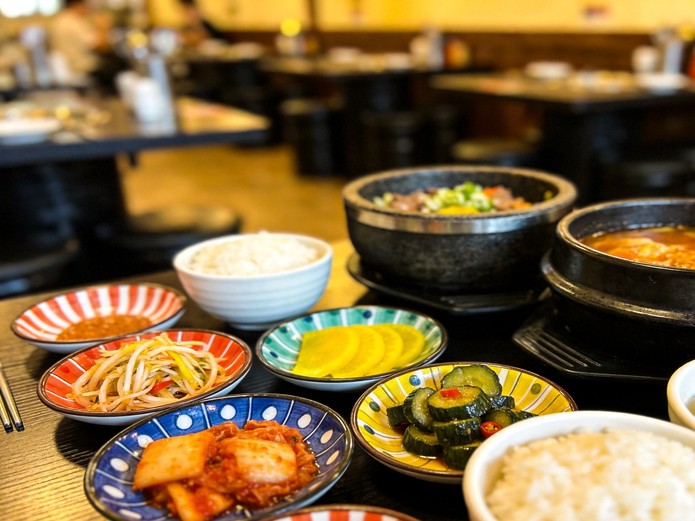
Source Korean restaurant ceramic tableware with confidence. Learn what dolsot bowls, banchan plates, and rice bowls to specify, plus thermal shock specs and MOQs.
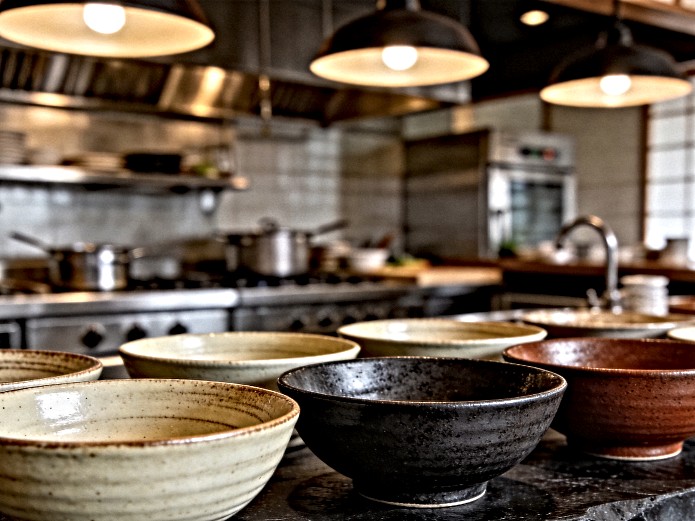
Ceramic ramen bowls must survive 200°F+ broth and stack 12+ high. This B2B guide covers sourcing specs, MOQ, glaze safety, and supplier vetting.
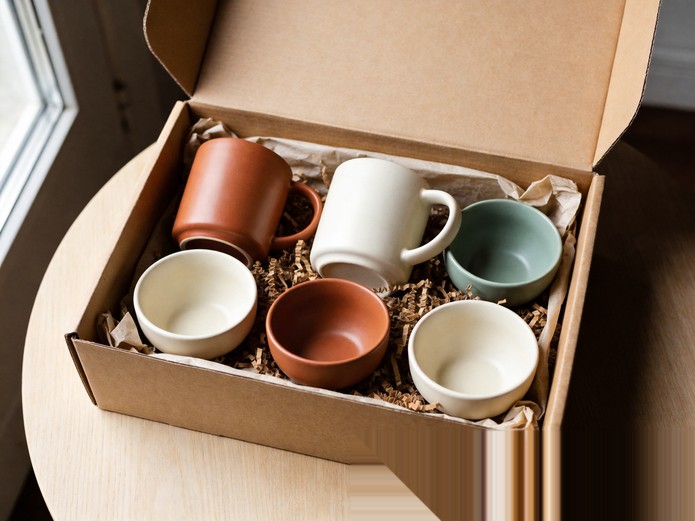
Ceramic tableware subscription boxes can support a $45-75 price point if you choose the right items, packaging, and supplier terms. Use this guide to plan MOQ, lead time, and packaging.

Use this Canton Fair ceramic vendor checklist to evaluate suppliers, spot traders, compare samples, and build a shortlist you can trust.
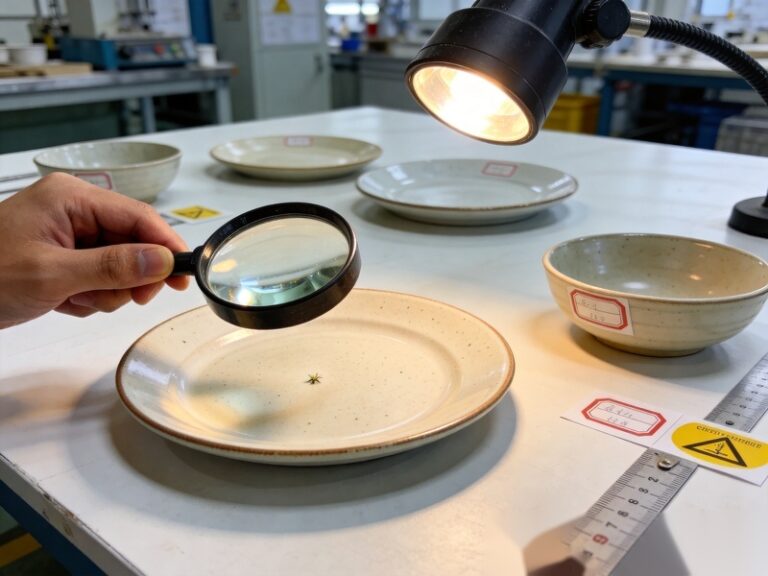
Ceramic defect classification is one of the most critical yet frequently misunderstood aspects of bulk tableware sourcing. When importing ceramic products at scale — whether you’re a distributor, hospitality chain, or e-commerce brand — the ability to systematically identify, classify,…