Ceramic tableware pricing is one of the most critical factors B2B buyers evaluate before placing bulk orders. Whether you’re sourcing dinnerware for a hotel chain, stocking a retail store, or building an e-commerce brand, understanding the true cost structure behind ceramic tableware imports can mean the difference between a profitable deal and a costly mistake. The price you see on a supplier’s quotation sheet is rarely the final landed cost—and the gap between the two is where experienced importers either save thousands or lose them.
In this comprehensive guide, we break down the three most common international trade terms—FOB, CIF, and DDP—as they apply specifically to ceramic tableware sourcing from China. You’ll learn exactly what each pricing model includes, where hidden costs lurk, and how to compare quotes on a true apples-to-apples basis. By the end, you’ll have a clear framework for negotiating better deals and protecting your margins.
Understanding Ceramic Tableware Pricing: The Three Cost Layers
Before diving into specific trade terms, it helps to think of ceramic tableware pricing as consisting of three distinct cost layers:
- Product cost — the factory’s manufacturing cost including raw materials, labor, glaze, decoration, and quality control
- Logistics cost — inland transportation, ocean freight, insurance, customs duties, and port handling fees
- Destination cost — import duties, local delivery, warehousing, and any last-mile distribution expenses
Each trade term (FOB, CIF, DDP) shifts responsibility for these layers between the buyer and the supplier. The key to smart sourcing is understanding which layers you can control more cost-effectively than your supplier—and which ones they handle better.
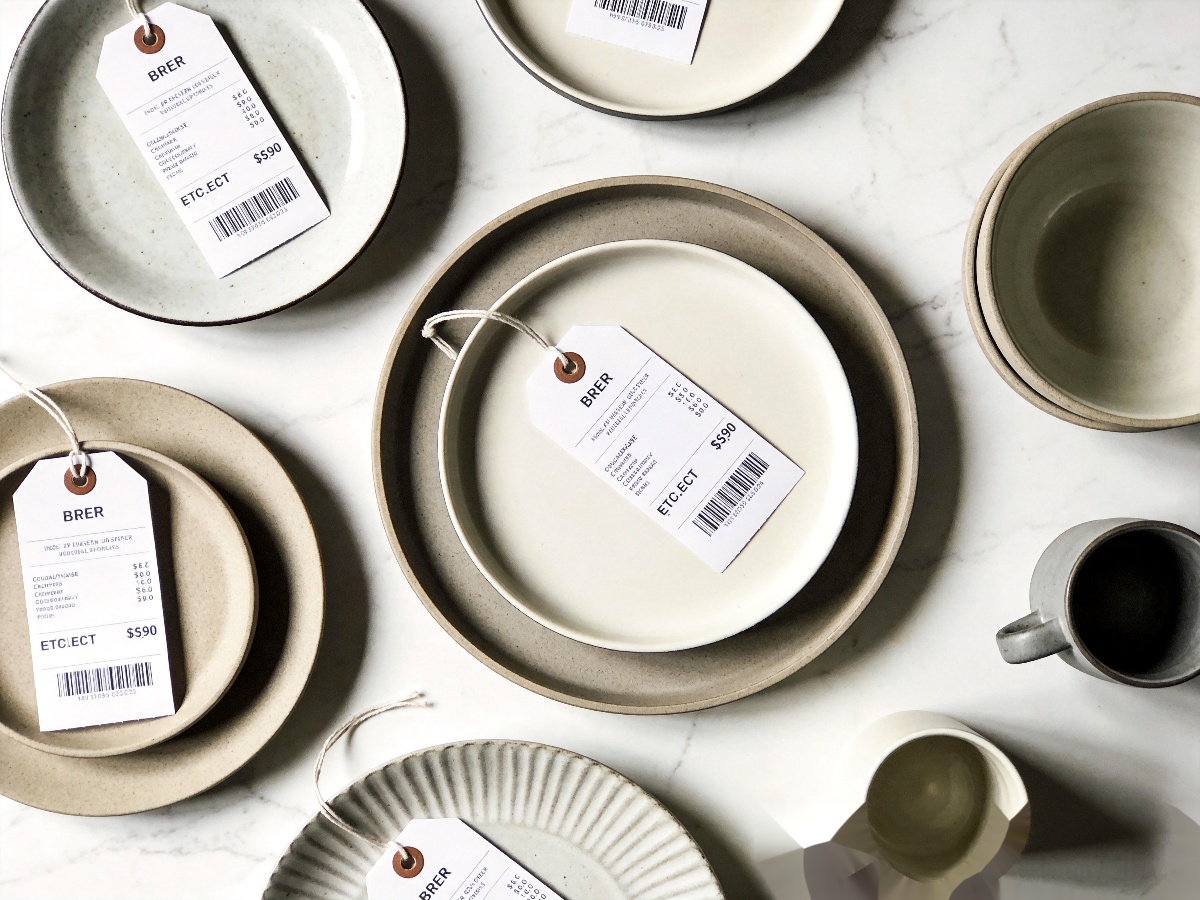
FOB (Free on Board): What Ceramic Tableware Pricing Looks Like at the Factory Gate
FOB is the most commonly quoted trade term for ceramic tableware exports from China. Under FOB terms, the supplier is responsible for all costs up to loading the goods onto the vessel at the designated port of shipment—typically Shenzhen, Guangzhou, Xiamen, or Shanghai depending on the factory’s location.
What FOB Ceramic Tableware Pricing Includes
- Manufacturing and packaging of ceramic products
- Quality inspection and compliance testing (FDA, LFGB if specified)
- Inland trucking from factory to port
- Export customs clearance and documentation
- Port handling charges (THC) at origin
- Loading onto the vessel
What FOB Does NOT Include
Once goods cross the ship’s rail, all remaining costs transfer to the buyer:
- Ocean freight charges to destination port
- Marine insurance
- Import duties and VAT at destination
- Local transportation from port to your warehouse
- Any customs brokerage fees at destination
Typical FOB price range for ceramic tableware: $0.50–$3.00 per piece for standard white porcelain, $2.00–$8.00 per piece for decorated stoneware, and $5.00–$15.00 per piece for premium bone china. These ranges vary significantly based on order volume, complexity, and the specific ceramic production region.
CIF (Cost, Insurance, and Freight): Ceramic Tableware Pricing with Shipping Included
CIF pricing bundles the product cost together with ocean freight and basic marine insurance to your designated destination port. For many first-time ceramic importers, CIF feels simpler because it reduces the number of parties you need to coordinate with. However, simplicity comes at a premium.
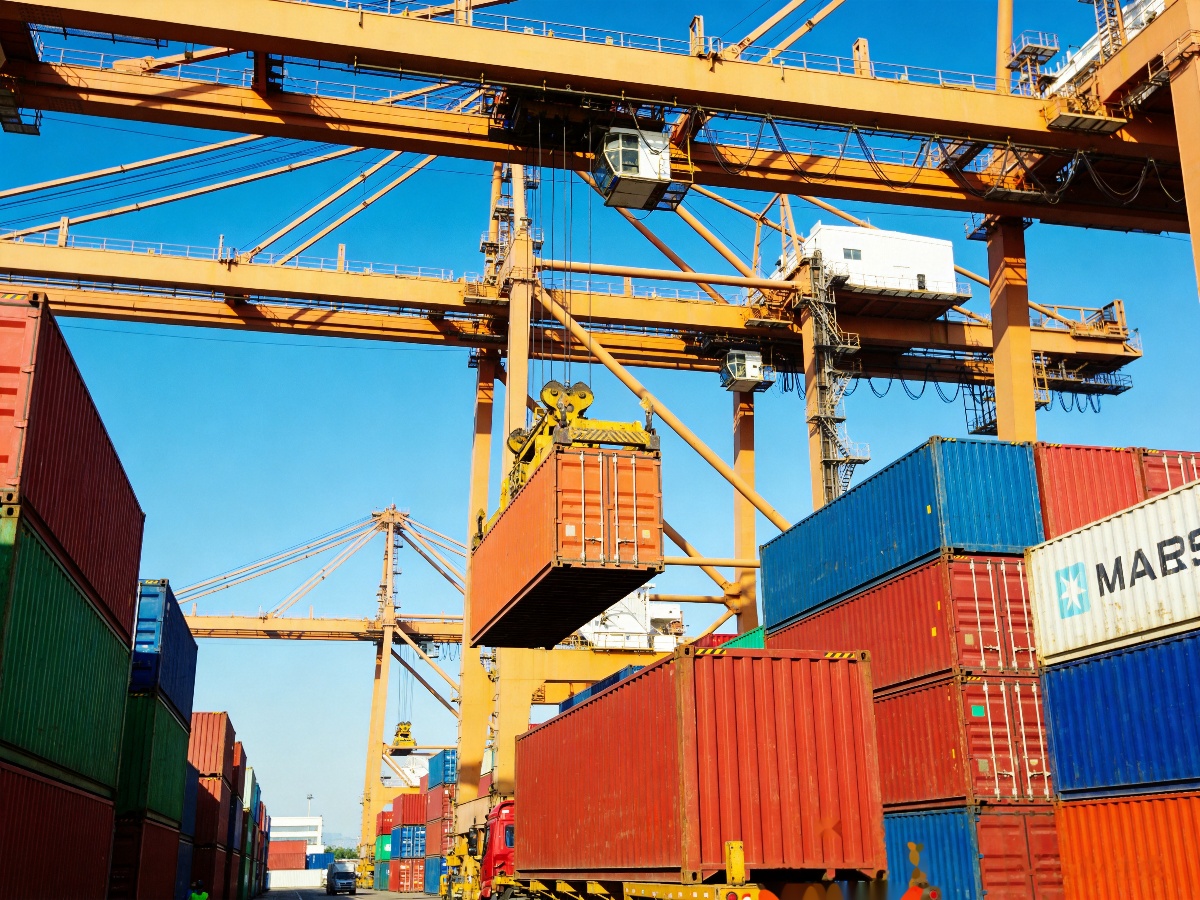
The Hidden Markup in CIF Ceramic Tableware Pricing
Suppliers typically add a 5–15% margin on top of actual freight costs when quoting CIF prices. Here’s why this matters for ceramic tableware pricing:
- Freight cost variability: Container rates from China to the US East Coast fluctuate between $2,500–$6,000 per 20ft container depending on the season. Your supplier locks in a rate and charges you a fixed CIF price—pocketing any difference when rates are low.
- Insurance limitations: CIF insurance typically covers only 110% of the CIF value under Institute Cargo Clauses (C), which is the most basic coverage. For fragile ceramics, you may want All Risks coverage, which you’d need to arrange separately anyway.
- Less transparency: You cannot easily verify whether the freight component of a CIF quote is fair without your own freight forwarder benchmark.
When CIF makes sense: If you’re ordering a single 20ft container (approximately 15,000–25,000 ceramic pieces) and don’t have established relationships with freight forwarders, CIF can be a reasonable starting point. Just request a detailed breakdown showing the FOB price and freight components separately.
DDP (Delivered Duty Paid): The All-Inclusive Ceramic Tableware Pricing Model
DDP represents the maximum level of supplier responsibility. Under DDP terms, the supplier handles everything from manufacturing to delivering the goods to your specified address—with all duties and taxes paid. For ceramic tableware buyers, this is the “no surprises” option, but also the most expensive.
DDP Ceramic Tableware Pricing Breakdown
- All FOB costs (manufacturing, inland transport, export clearance)
- Ocean or air freight to destination country
- Marine insurance (often better coverage than CIF)
- Import duties and VAT at destination
- Customs brokerage and clearance
- Last-mile delivery to your warehouse or fulfillment center
The cost premium: DDP pricing for ceramic tableware typically runs 25–40% higher than FOB pricing. This premium covers freight, duties, insurance, and the supplier’s margin on managing logistics. For a container of stoneware dinnerware quoted at $1.80/piece FOB, expect DDP pricing around $2.30–$2.50/piece delivered to a US or European warehouse.
When DDP Is Worth It for Ceramic Tableware Pricing
DDP can be the smart choice when:
- You’re a small or new business without import experience
- Your order volume is below one full container (LCL shipments)
- You need predictable per-unit costs for e-commerce margin calculations
- You’re testing a new market and want to minimize logistical complexity
Ceramic Tableware Pricing Comparison: FOB vs CIF vs DDP Side by Side
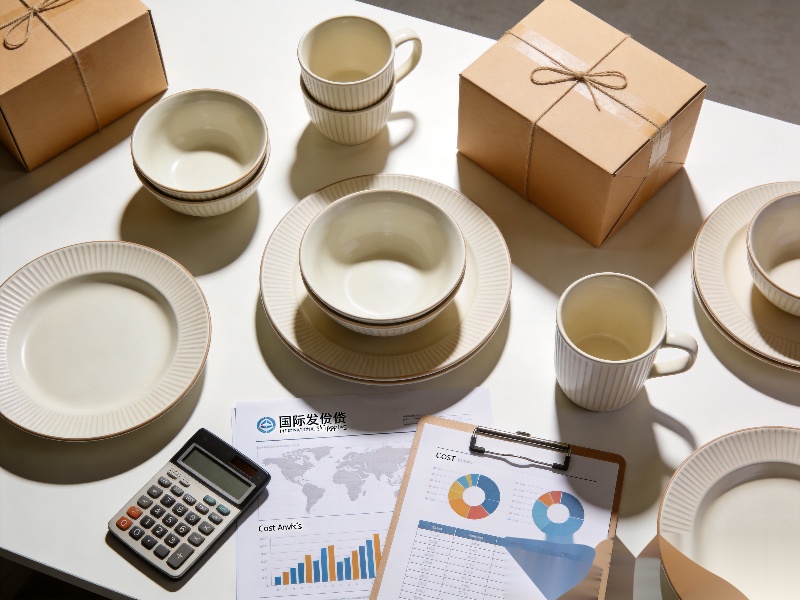
To make a fair comparison, let’s look at a real-world scenario: importing a 20ft container of 20,000 decorated ceramic mugs from Chaozhou to Los Angeles.
FOB Chaozhou: $1.20/piece x 20,000 = $24,000 product cost. Add $3,800 ocean freight + $380 insurance + $1,440 duty (6% rate) + $800 local delivery = $30,420 total ($1.52/piece landed)
CIF Los Angeles: $1.55/piece x 20,000 = $31,000 total ($1.55/piece). You still pay duty ($1,860) and local delivery ($800) = $33,660 all-in ($1.68/piece)
DDP Los Angeles warehouse: $1.95/piece x 20,000 = $39,000 total ($1.95/piece delivered). No additional costs.
In this example, FOB saves $3,240 compared to DDP and $8,580 compared to CIF all-in costs. However, FOB requires you to manage freight, insurance, and customs clearance yourself—or hire a freight forwarder to do it.
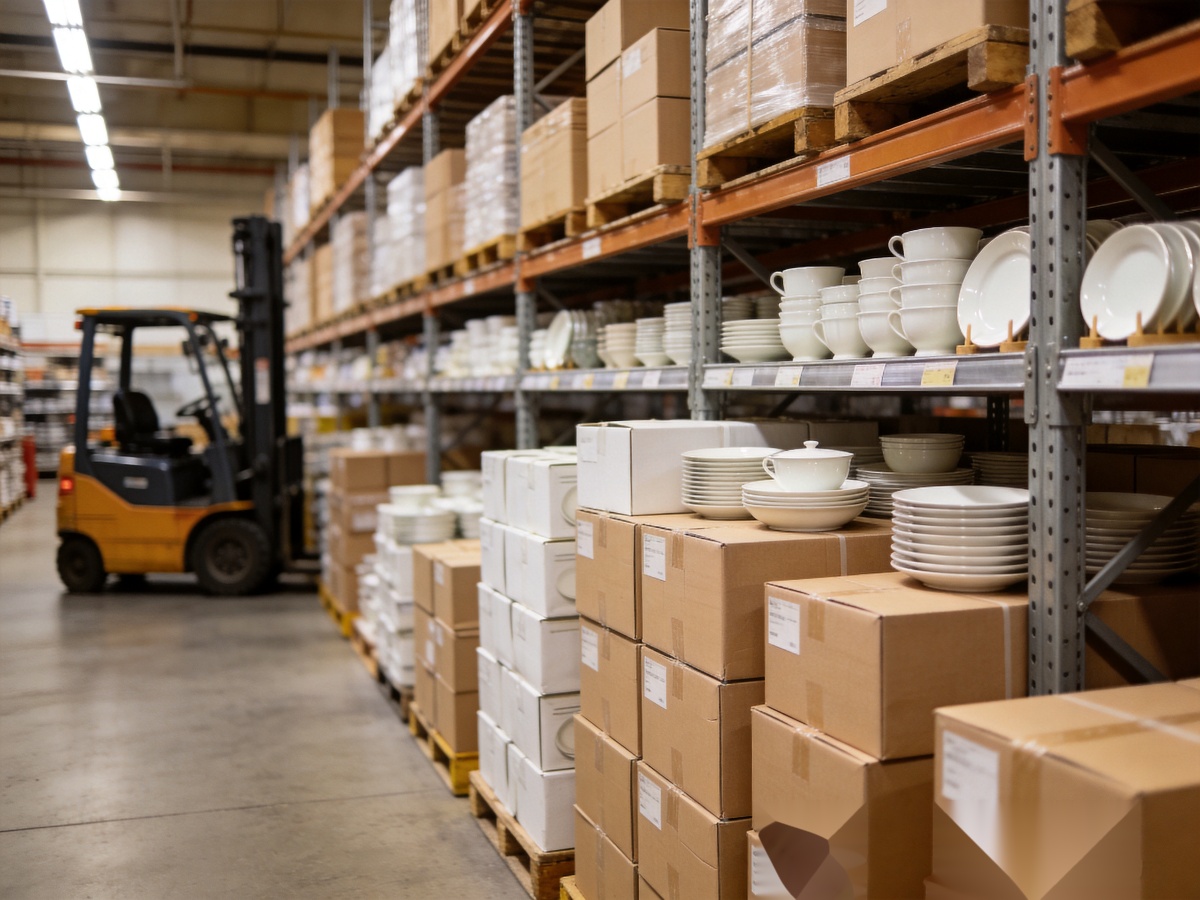
Hidden Costs That Affect Ceramic Tableware Pricing
Beyond the headline FOB/CIF/DDP numbers, several hidden costs frequently catch ceramic buyers off guard:
Breakage and Damage Allowance
Ceramic tableware is inherently fragile. Even with professional packaging, expect a 2–5% breakage rate in ocean transit. Smart buyers negotiate a breakage allowance into the ceramic tableware pricing calculation—either as a 3% quantity overage at no charge, or a 3% discount on the invoice to cover expected losses.
Mold and Tooling Fees
Custom shapes require new molds, typically costing $500–$3,000 per mold depending on complexity. These are one-time costs but significantly affect per-unit ceramic tableware pricing on smaller orders. For orders under 5,000 pieces, mold costs can add $0.10–$0.60 per piece.
Certification and Testing Fees
Market-specific certifications add to ceramic tableware pricing: FDA compliance testing costs $800–$2,000 per product line, LFGB (European food safety) testing runs $1,500–$3,500, and California Proposition 65 compliance may require additional heavy metal testing at $500–$1,000.
Seasonal Freight Surcharges
Ocean freight rates spike during peak shipping season (August–October) ahead of holiday inventory builds. A container that costs $3,000 to ship in March might cost $5,500 in September. Timing your orders strategically is a proven way to optimize ceramic tableware pricing.
How to Negotiate Better Ceramic Tableware Pricing with Chinese Suppliers
Armed with a clear understanding of cost structures, here are actionable strategies to improve your ceramic tableware pricing outcomes:
- Always request FOB pricing as your baseline. This gives you the purest comparison of manufacturing costs between suppliers, without freight markups clouding the picture.
- Get your own freight quotes. Work with at least two freight forwarders who specialize in China-to-your-market routes. Compare their rates against the supplier’s CIF offer to identify any markup.
- Negotiate volume tiers. Most ceramic factories offer 5–15% discounts when you increase from one container to two or three. Lock in annual volume commitments for better pricing.
- Consolidate orders across product lines. Ordering plates, bowls, and mugs from the same factory fills containers more efficiently and reduces per-piece logistics costs.
- Time your orders outside peak season. Place orders in Q1 (January–March) for the best factory capacity and freight rates. Production lead times are shorter, and shipping costs can be 30–40% lower.
For more insights on working directly with manufacturers, explore our guide on factory direct sourcing vs trading companies to understand which channel gives you better ceramic tableware pricing.
Frequently Asked Questions About Ceramic Tableware Pricing
What is the average ceramic tableware pricing for bulk wholesale orders from China?
Average FOB pricing ranges from $0.50–$3.00 per piece for standard porcelain, $2.00–$8.00 for decorated stoneware, and $5.00–$15.00 for premium bone china. Prices depend on order volume, design complexity, and the manufacturing region. Larger orders (50,000+ pieces) typically command 10–20% lower per-unit costs.
Is FOB or CIF better for ceramic tableware pricing on first-time orders?
For first-time importers, CIF is simpler but often 5–15% more expensive due to freight markups. If you’re comfortable working with a freight forwarder, FOB gives you better cost control and transparency. For very small orders (under 5,000 pieces), DDP may be the most practical option despite the higher per-unit cost.
How do import duties affect ceramic tableware pricing?
Import duties on ceramic tableware vary by destination: the US charges approximately 0–26% depending on the specific ceramic type and country of origin, the EU applies 3–12%, and the UK charges 0–12%. Additionally, anti-dumping duties may apply to certain Chinese ceramic products in some markets. Always verify the HS code classification and applicable duty rate before finalizing your landed cost calculation.
What order quantity gives the best ceramic tableware pricing per unit?
The sweet spot for most ceramic tableware orders is 10,000–30,000 pieces per design, which typically fills one to two 20ft containers. Below 5,000 pieces, fixed costs (molds, setup, minimum order surcharges) inflate per-unit pricing. Above 50,000 pieces, you unlock the deepest volume discounts, but also face higher inventory carrying costs and breakage risk.
How can I reduce ceramic tableware pricing without sacrificing quality?
Focus on three levers: standardize your designs to reduce mold and setup costs, consolidate orders to fill full containers and spread logistics costs, and build long-term supplier relationships to access preferred pricing tiers. Also consider sourcing from emerging ceramic production regions like Chaozhou or Liling, which often offer 15–25% lower manufacturing costs than Jingdezhen for commercial-grade tableware. Learn more about China’s ceramic production regions to find the best fit for your budget.
Take Control of Your Ceramic Tableware Pricing Today
Understanding the real cost structure behind ceramic tableware imports puts you in the driver’s seat. Whether you choose FOB for maximum cost control, CIF for convenience, or DDP for simplicity, the key is making that choice with full transparency into what you’re paying for—and what alternatives exist.
At CeraSupply, we provide transparent, itemized quotations that break down every cost component so you can make informed decisions. Whether you need 5,000 pieces or 500,000, our team helps you optimize ceramic tableware pricing without compromising on quality or compliance.
Get Your Free Ceramic Tableware Pricing Quote → Contact us today for a detailed FOB, CIF, or DDP quotation tailored to your specific requirements, destination market, and order volume.