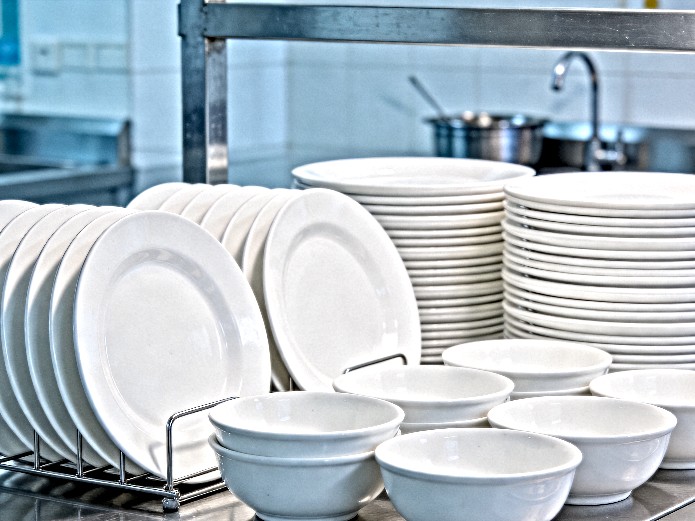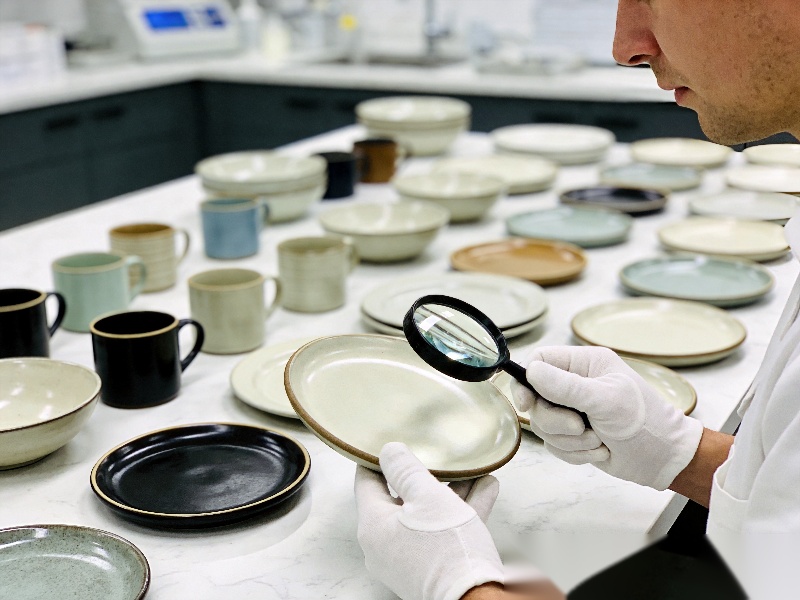
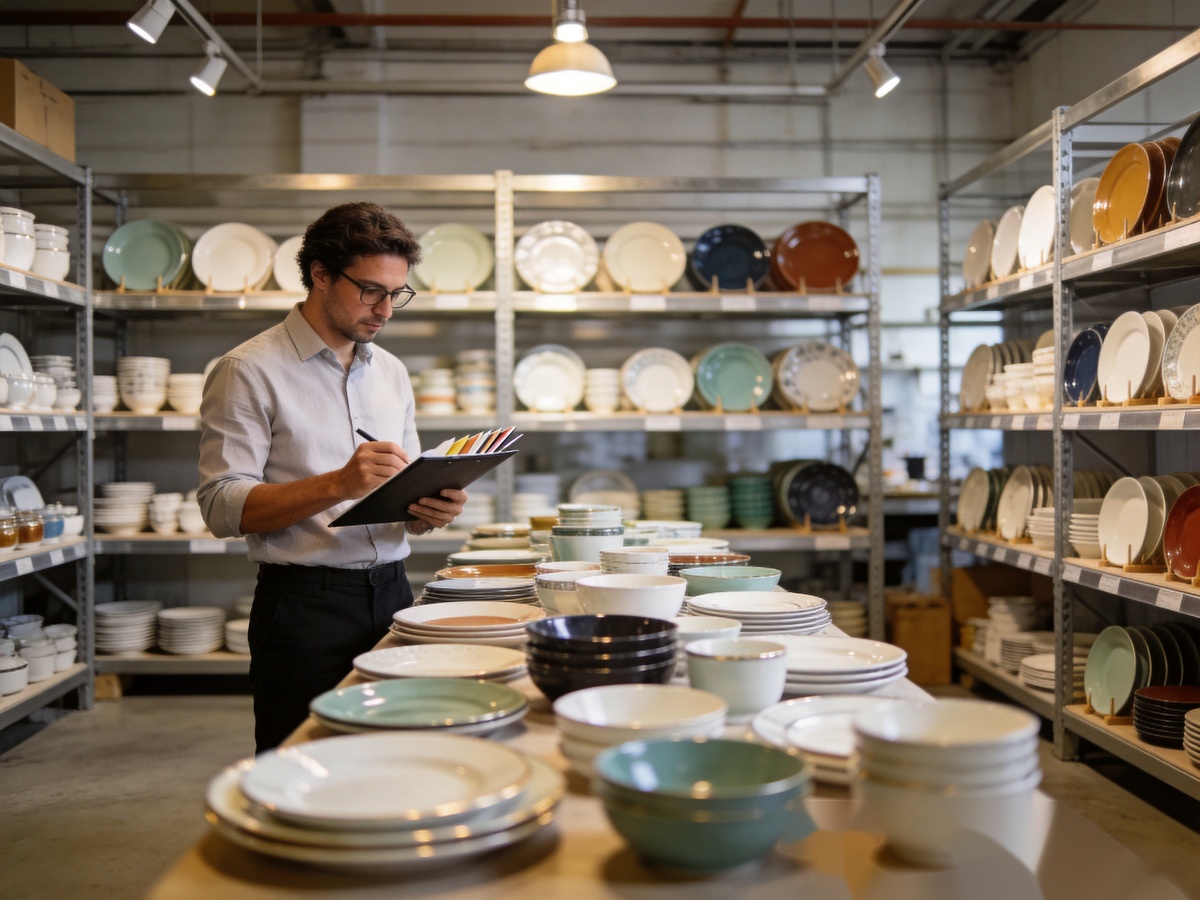
Ceramic sample evaluation is one of the most critical steps in the B2B tableware sourcing process, yet many importers treat it as an afterthought. When you are placing orders worth tens of thousands of dollars, the samples you receive from suppliers tell a story about their production capabilities, quality standards, and attention to detail. A thorough ceramic sample evaluation can save you from costly mistakes, rejected shipments, and damaged business relationships.
At CeraSupply, we have helped hundreds of B2B buyers navigate the sample evaluation process for ceramic tableware imports. In this comprehensive guide, we will walk you through every aspect of ceramic sample evaluation — from requesting samples to making data-driven decisions that protect your investment.
Why Ceramic Sample Evaluation Matters for B2B Buyers
The ceramic tableware industry operates on thin margins and tight tolerances. A slight variation in glaze thickness, firing temperature, or clay body composition can dramatically affect the final product appearance, durability, and food safety compliance. Ceramic sample evaluation gives you the opportunity to verify these parameters before committing to a bulk order.
Here is what makes ceramic sample evaluation essential:
- Risk mitigation: Identify quality issues before they become expensive problems in a full container shipment
- Supplier verification: Assess whether a factory can consistently produce to your specifications
- Market validation: Confirm that the product meets your target market expectations for finish, weight, and feel
- Compliance confirmation: Verify that materials meet FDA, LFGB, or other food safety standards
- Cost optimization: Compare samples from multiple suppliers to find the best value proposition
Types of Ceramic Samples in the Evaluation Process
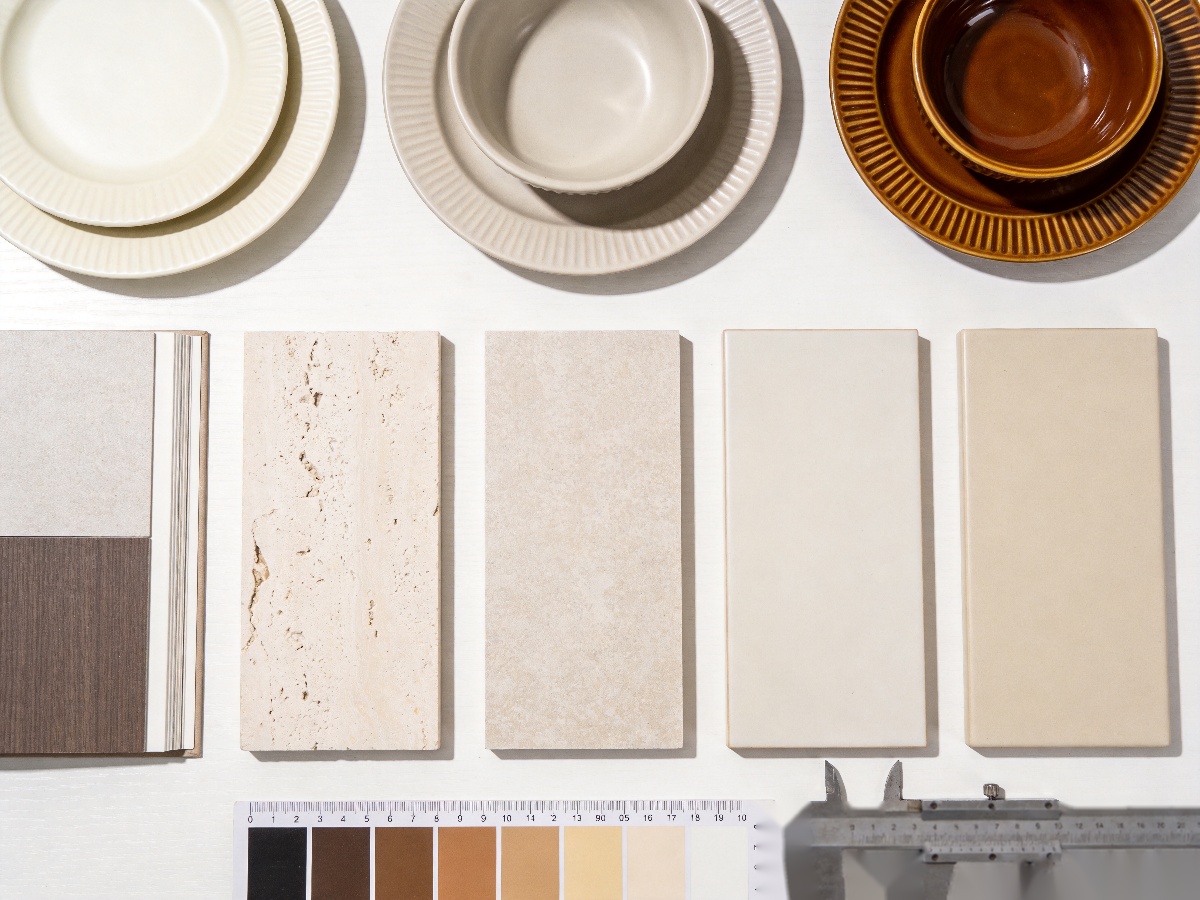
Understanding the different types of samples available is fundamental to effective ceramic sample evaluation. Each type serves a distinct purpose in the sourcing journey.
How to Request Ceramic Samples for Evaluation
The way you request samples sets the tone for the entire supplier relationship. A professional, detailed sample request demonstrates that you are a serious buyer and often results in better-quality samples and faster turnaround.
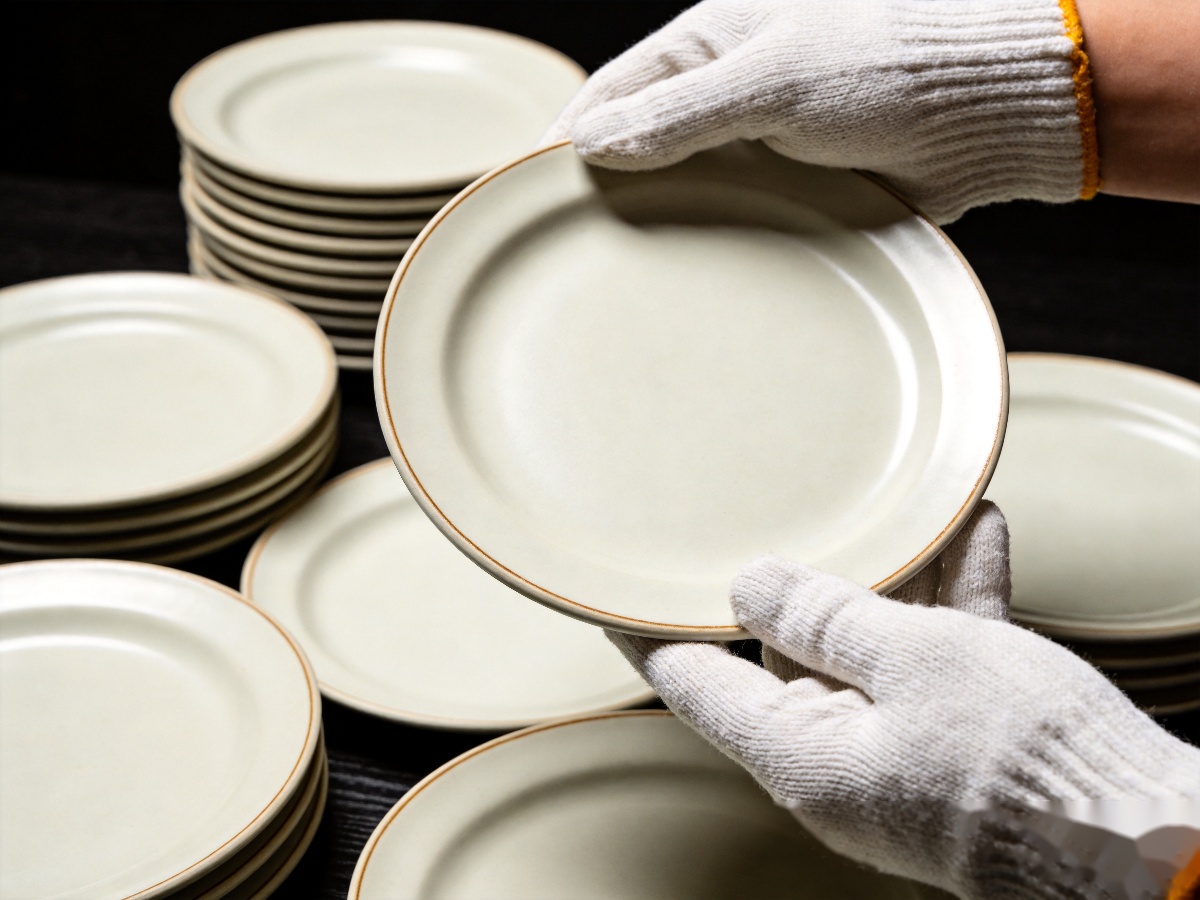
- Visual quality (25 percent): Glaze finish, color accuracy, decoration precision
- Physical specifications (20 percent): Dimensional accuracy, weight consistency
- Durability (20 percent): Chip resistance, thermal shock performance
- Compliance (15 percent): Food safety test results, certification availability
- Value (20 percent): Price per unit relative to quality delivered
Score each supplier samples on a 1 to 5 scale for each criterion. This data-driven approach removes subjective bias and makes the selection process transparent and defensible to stakeholders.
Common Mistakes in Ceramic Sample Evaluation
Even experienced buyers make errors during ceramic sample evaluation. Avoid these common pitfalls:
- Evaluating only one sample: A single piece may not represent production consistency. Always request 3 to 5 pieces per SKU.
- Ignoring packaging quality: How samples are packaged reveals how the factory handles bulk shipments.
- Skipping the foot ring: The unglazed bottom ring tells you about clay body quality and firing temperature.
- Not testing under real conditions: If the tableware will be used in a commercial dishwasher, test samples in one.
- Accepting golden samples: Some factories hand-select perfect samples. Ask for random production pieces instead.
- Forgetting to check lead time: Note how long samples take to arrive — this reflects the factory production scheduling capability.
Ceramic Sample Evaluation Cost Analysis
Understanding the true cost of ceramic sample evaluation helps justify the investment to stakeholders and plan your sourcing budget effectively.
- Standard product samples: Free to $10 per piece (most factories waive fees for serious buyers)
- Custom OEM samples: $50 to $200 per design, depending on complexity
- Express shipping (China to US/EU): $40 to $80 per parcel via DHL/FedEx
- Third-party lab testing (FDA/LFGB): $200 to $500 per sample set
- Internal evaluation labor: 2 to 4 hours per supplier for thorough assessment
Total ceramic sample evaluation cost for comparing 5 suppliers typically ranges from $800 to $2,500. Compare this against the potential loss of a defective container load ($15,000 to $50,000) and the investment becomes a no-brainer.
Frequently Asked Questions About Ceramic Sample Evaluation
How many ceramic samples should I request from each supplier?
Request at least 3 to 5 pieces per SKU for meaningful ceramic sample evaluation. This allows you to assess consistency across pieces and reserve some for destructive testing (thermal shock, chip resistance) while keeping others as reference samples for comparison.
Should I pay for ceramic samples or expect them for free?
Most reputable ceramic tableware factories provide standard product samples free of charge, especially if you demonstrate serious buying intent. Custom OEM/ODM samples typically carry a fee of $50 to $200 per design, which is often refundable against your first bulk order. Always offer to pay express shipping costs — this signals professionalism.
How long does a thorough ceramic sample evaluation take?
A basic visual and dimensional check takes about 30 minutes per sample. A comprehensive ceramic sample evaluation including durability testing (dishwasher cycles, thermal shock) requires 5 to 7 days per supplier due to the testing cycles involved. Plan your sourcing timeline accordingly.
What if the ceramic sample evaluation results differ from the bulk order quality?
This is known as the golden sample problem. Protect yourself by: (1) retaining approved samples as sealed reference pieces, (2) including a production must match approved sample clause in your purchase contract, and (3) conducting pre-shipment inspections on the actual bulk order. Learn more about quality control in our ceramic quality control checklist.
Can I use ceramic sample evaluation to negotiate better prices?
Absolutely. When your ceramic sample evaluation reveals that a supplier quality is comparable to a premium-priced competitor, you have strong leverage for price negotiation. Present your scoring matrix data to demonstrate that you have done your homework. Suppliers respect data-driven buyers and are more willing to offer competitive pricing.
Ready to Start Your Ceramic Sample Evaluation?
Ceramic sample evaluation is an investment that pays for itself many times over. By following the systematic approach outlined in this guide — from professional sample requests to structured scoring matrices — you will make smarter sourcing decisions and build stronger supplier relationships.
Whether you are sourcing ceramic tableware for the first time or looking to optimize your existing supply chain, CeraSupply is here to help. We provide high-quality samples, transparent pricing, and expert guidance throughout your sourcing journey. Browse our ceramic tableware collection or reach out to our team for a personalized consultation.