Custom ceramic tableware has become an essential investment for restaurants, hotels, cafes, and retail brands looking to differentiate themselves in a competitive market. Whether you need branded dinnerware for your hospitality business or personalized ceramic pieces for your retail line, understanding the customization process is key to getting exactly what you envision — on time and within budget.
In this comprehensive guide, we walk you through every stage of custom ceramic tableware production, from logo printing and color selection to mold development and final delivery. As a leading B2B ceramic tableware supplier, CeraSupply has helped hundreds of international buyers bring their custom ceramic tableware ideas to life.
Custom Ceramic Tableware Options: What Can You Personalize?
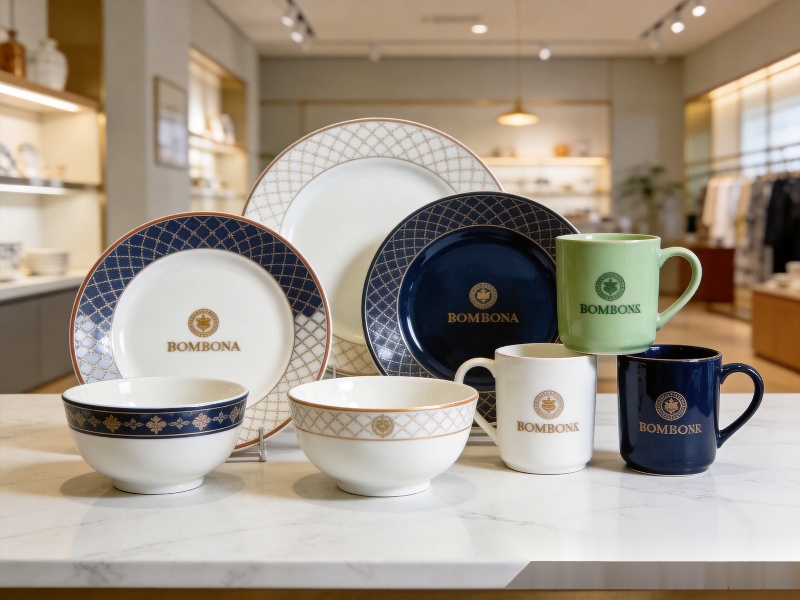
When ordering custom ceramic tableware, buyers have far more flexibility than most realize. The four primary customization dimensions are:
- Logo & branding: Print your company logo, brand name, or custom artwork on plates, bowls, mugs, and saucers using decal, screen printing, or laser engraving techniques.
- Color & glaze: Choose from hundreds of glaze colors in matte, glossy, satin, or reactive finishes. Custom Pantone color matching is available for brand-consistent tableware.
- Shape & size: Develop entirely new shapes — from oval platters to unique cup silhouettes — through custom mold making, or modify existing designs to your specifications.
- Packaging & labeling: Customize gift boxes, polyfoam inserts, hang tags, and shipping cartons with your brand identity for retail-ready presentation.
Each of these customization areas affects cost, lead time, and minimum order quantity (MOQ) differently. Understanding the trade-offs helps you make informed decisions early in the sourcing process.
Custom Ceramic Tableware Logo Printing: Methods Compared
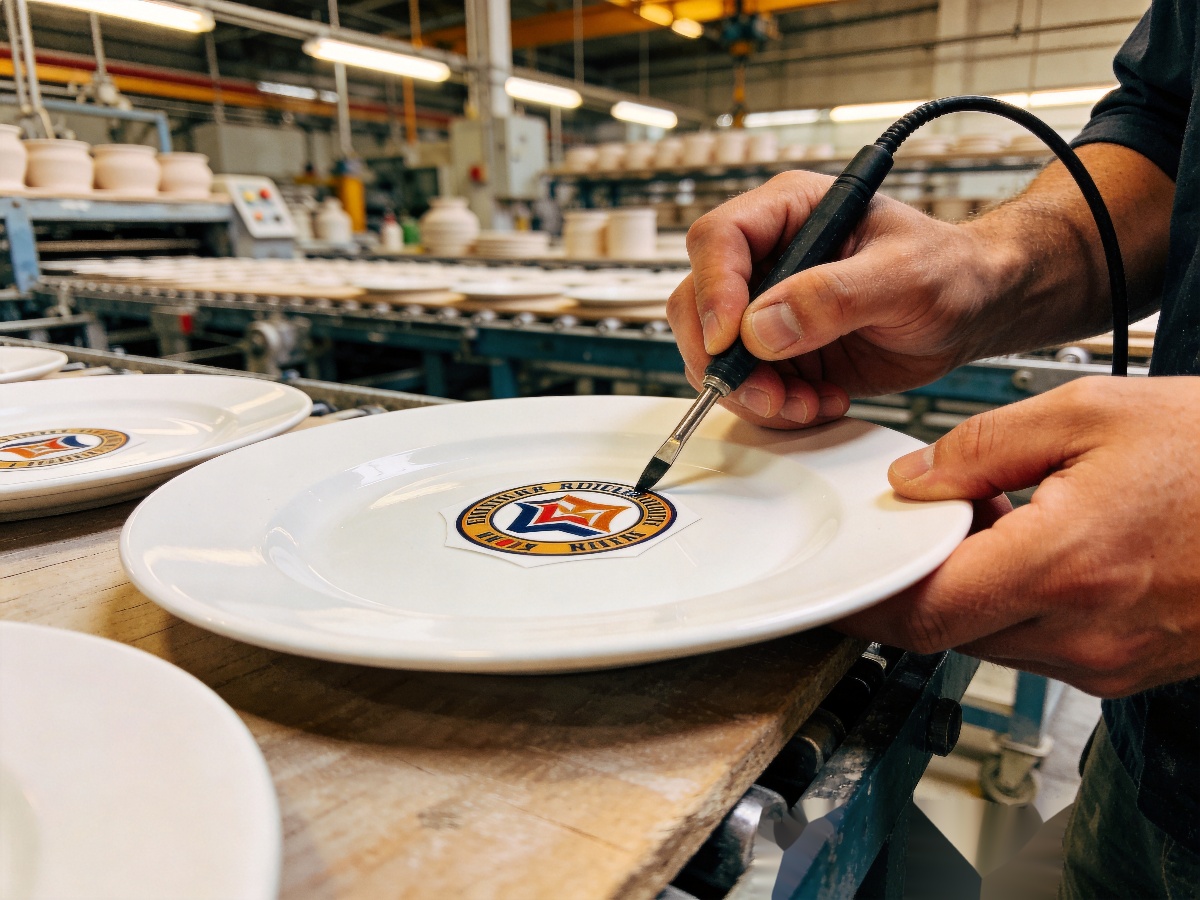
Logo application is the most popular customization request for custom ceramic tableware. There are three main techniques, each with distinct advantages:
1. Decal Printing (Water-Slide Decal)
The decal method involves printing your design onto special transfer paper, then applying it to the ceramic surface before firing. This technique supports full-color designs, fine details, and photographic-quality artwork. It is the most versatile option for custom ceramic tableware logos, especially when your design includes gradients or complex patterns.
Best for: Multi-color logos, detailed artwork, full-wrap designs
Cost: Moderate (setup fee + per-piece cost)
Durability: Excellent — dishwasher and microwave safe after firing
2. Screen Printing (Silk Screen)
Screen printing applies ink through a mesh stencil directly onto the ceramic surface. This method excels at single-color or two-color designs with bold, clean lines. It offers the lowest per-unit cost for high-volume custom ceramic tableware orders with simple logo designs.
Best for: Simple single-color logos, text-based designs, large runs
Cost: Lowest per-piece for bulk orders
Durability: Good — suitable for everyday commercial use
3. Laser Engraving
Laser engraving etches your design directly into the ceramic glaze using a high-powered laser beam. This creates a permanent, tactile mark that will never fade. While limited to monochrome results, laser engraving is ideal for premium custom ceramic tableware where a subtle, sophisticated branding effect is desired.
Best for: Premium brands, minimalist logos, permanent marking
Cost: Higher per-piece, no screen/setup needed
Durability: Permanent — will never wear off
Custom Ceramic Tableware Color and Glaze Customization
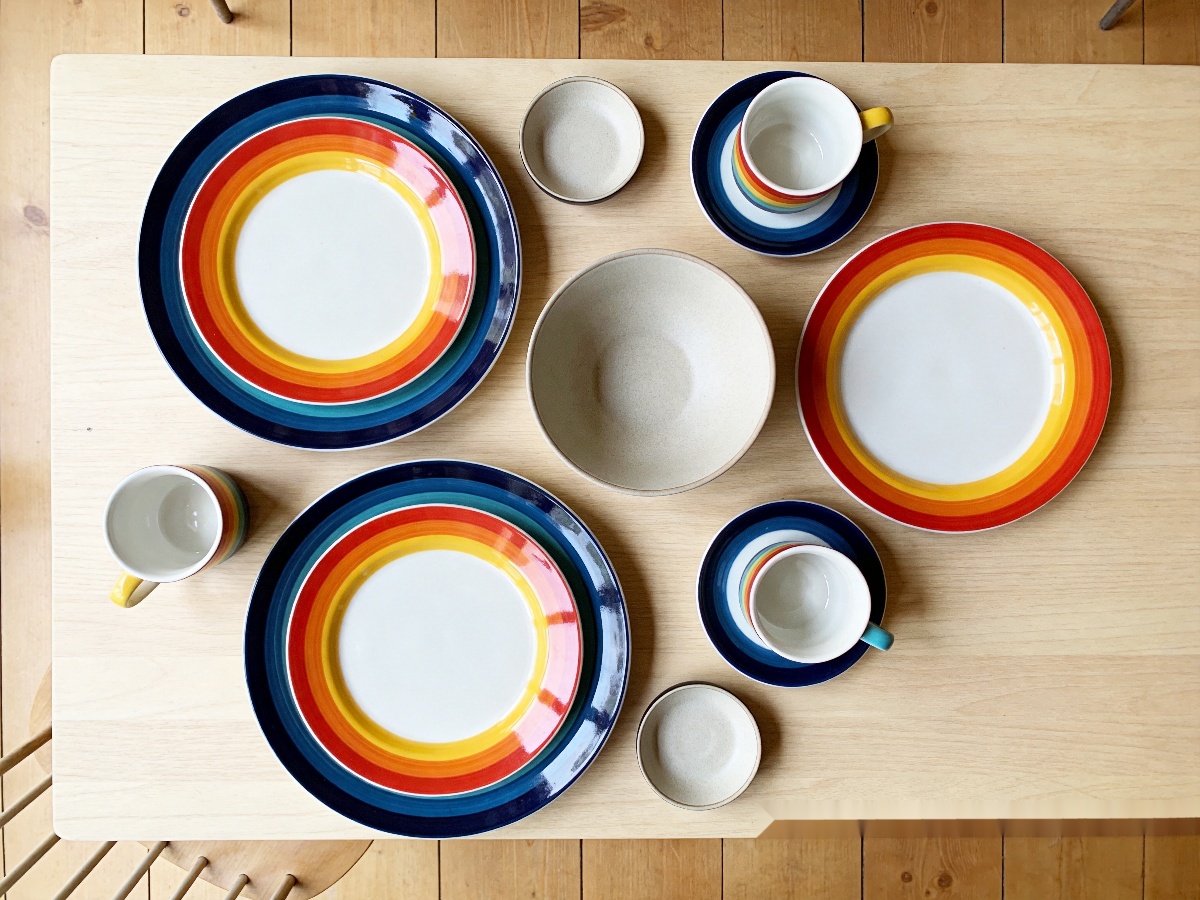
Color is where custom ceramic tableware truly comes alive. Modern ceramic factories offer an extensive palette of glaze options, allowing you to create tableware that perfectly matches your brand identity or interior design scheme.
Glaze Finish Options
- Glossy glaze: The most popular choice — shiny, easy to clean, and ideal for restaurant and hotel use. Reflects light beautifully in photographs.
- Matte glaze: A sophisticated, modern finish that reduces glare. Popular for artisan-style dinnerware and premium retail brands.
- Satin glaze: A semi-matte finish that offers the best of both worlds — subtle sheen with a soft tactile feel.
- Reactive glaze: Creates unique, organic patterns during firing. Each piece is slightly different, adding artisan character to custom ceramic tableware.
- Crackle glaze: Produces an intentional network of fine cracks for a vintage, antique aesthetic.
Pantone Color Matching
For brand-critical projects, factories can match your exact Pantone (PMS) color. The process involves creating custom glaze samples, firing test pieces, and comparing them against your Pantone reference under standardized lighting. Allow 7–10 days for Pantone matching before bulk production begins. Most custom ceramic tableware suppliers charge a small sampling fee for this service.
Custom Ceramic Tableware Design and Mold Development
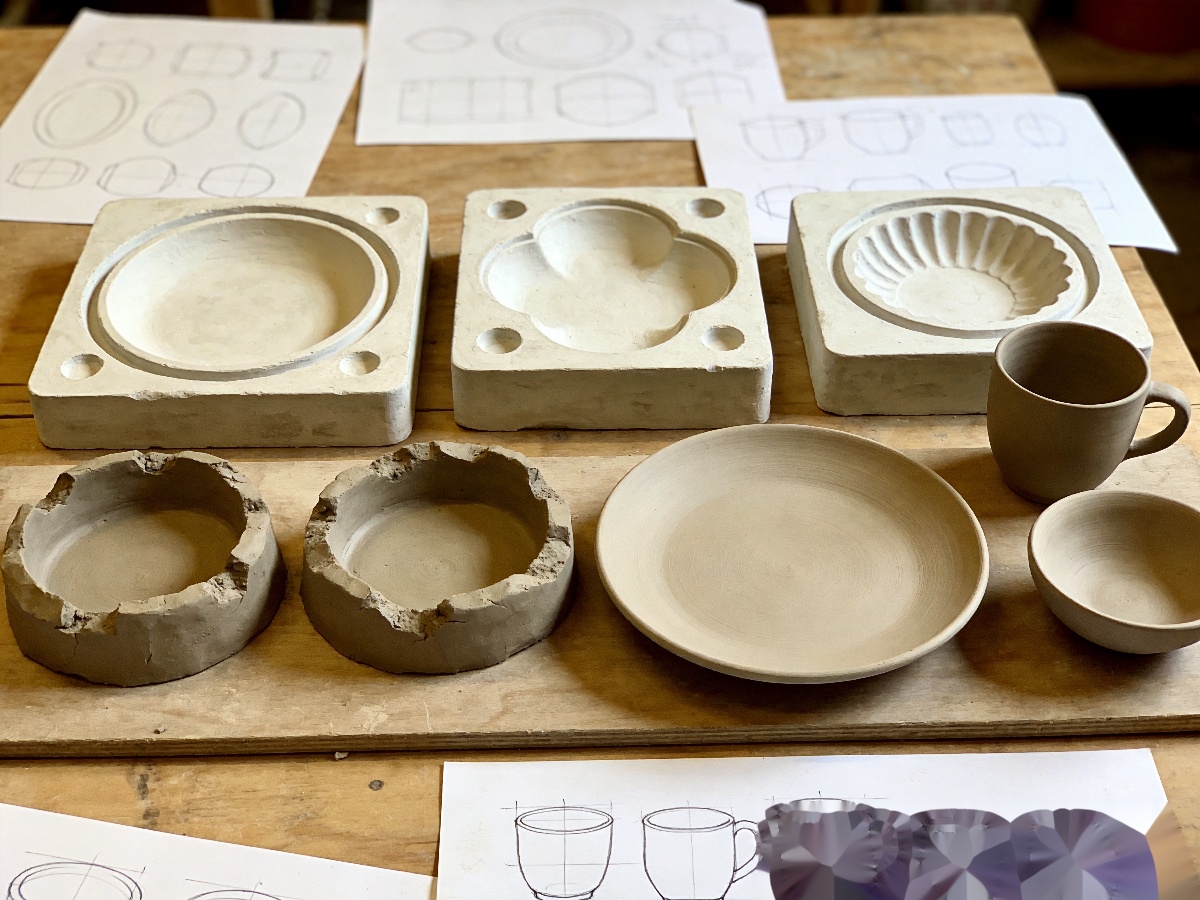
If your project requires a shape that doesn’t exist in the factory’s standard catalog, custom mold development is the solution. This is common for brands launching signature custom ceramic tableware lines with unique silhouettes.
The Mold Development Process
- Design brief: You provide sketches, reference images, or 3D CAD files showing the desired shape, dimensions, and proportions.
- 3D modeling: The factory’s design team creates a digital 3D model for your approval. Multiple revision rounds are typical.
- Prototype mold: A plaster or CNC-machined mold is produced from the approved 3D model.
- Sample production: Test pieces are cast, dried, bisque-fired, glazed, and final-fired. You receive 3–5 physical samples for evaluation.
- Approval & revision: After your feedback, minor adjustments to the mold are made. Once approved, production molds are created for mass manufacturing.
Mold development typically takes 15–25 days and costs between $200–$800 per mold, depending on complexity and size. For a complete custom ceramic tableware set (dinner plate, salad plate, bowl, mug, saucer), expect mold costs of $1,000–$3,500 total.
Custom Ceramic Tableware Production Process: Step by Step
Understanding the full production timeline helps you plan your procurement strategy. Here is the typical workflow for a custom ceramic tableware order:
- Design confirmation (3–5 days): Finalize all customization details — shapes, colors, logos, packaging. Sign off on digital proofs.
- Sample production (7–15 days): Factory produces pre-production samples with your exact specifications. Samples are shipped to you for physical evaluation.
- Sample approval & revisions (5–10 days): Review samples, request adjustments if needed, and give final approval.
- Mass production (25–40 days): Full production run including body forming, drying, bisque firing, glazing, decal application (if applicable), and final firing.
- Quality inspection (3–5 days): AQL sampling inspection, dimensional checks, visual sorting, and food safety testing.
- Packing & shipping (7–15 days): Custom packaging, palletizing, container loading, and ocean freight to your destination port.
Total lead time from order confirmation to delivery at port: approximately 50–90 days, depending on customization complexity, order volume, and shipping method. For a detailed breakdown of shipping options and costs, check our ceramic packaging and shipping guide.
Custom Ceramic Tableware MOQ, Lead Time, and Cost Factors
MOQ, lead time, and pricing for custom ceramic tableware depend on several variables:
Minimum Order Quantities
- Logo customization only: MOQ typically 500–1,000 pieces per design (using existing shapes).
- Color/glaze customization: MOQ usually 1,000–2,000 pieces per color.
- Full custom (new shape + color + logo): MOQ generally 2,000–5,000 pieces per SKU.
Cost Breakdown
Custom ceramic tableware pricing includes several components:
- Base unit price: Determined by material (bone china, porcelain, stoneware), size, and complexity of the shape.
- Logo setup fee: One-time cost of $50–$200 per design for decal or screen creation.
- Mold cost: One-time cost of $200–$800 per new shape (amortized across order volume).
- Custom color surcharge: 5–15% additional cost for Pantone-matched or specialty glazes.
- Packaging customization: $0.30–$2.00 per set for branded boxes and inserts.
For a complete cost analysis including FOB, CIF, and DDP pricing comparisons, refer to our ceramic tableware pricing breakdown.
Custom Ceramic Tableware Quality Assurance
Quality control is especially critical for custom ceramic tableware, as deviations in color, logo placement, or dimensional accuracy can affect your brand image. Key quality checkpoints include:
- Color consistency: Compare fired glaze samples against Pantone references under D65 standard lighting.
- Logo accuracy: Verify position, size, color, and sharpness of printed logos against approved artwork.
- Dimensional tolerance: Measure diameter, height, and weight against specifications (±2mm typical tolerance).
- Food safety compliance: Ensure all custom ceramic tableware meets FDA, LFGB, or destination market regulations for lead and cadmium release.
- Physical durability: Conduct thermal shock, microwave, and dishwasher cycle tests on random samples.
For a detailed quality inspection framework, review our ceramic quality control checklist.
Custom Ceramic Tableware FAQ
What is the typical MOQ for custom ceramic tableware with my logo?
For logo-only customization on existing shapes, MOQ is usually 500–1,000 pieces per design. If you also need custom colors, MOQ increases to 1,000–2,000 pieces. Full custom designs with new molds typically require 2,000–5,000 pieces per SKU.
How long does custom ceramic tableware production take from start to finish?
Total lead time is approximately 50–90 days, including sample approval, mass production, quality inspection, and shipping. Complex custom shapes or Pantone color matching can add 10–15 days to the timeline.
Can I get Pantone color matching for my custom ceramic tableware?
Yes, most ceramic factories offer Pantone (PMS) color matching. The factory creates custom glaze samples and fires test pieces for your approval. Allow 7–10 extra days for this process. A small sampling fee may apply.
Are custom ceramic tableware pieces dishwasher and microwave safe?
Yes. When logos are applied using decal or screen printing and fired at proper temperatures (above 800°C), they become permanent and dishwasher/microwave safe. Laser-engraved pieces are inherently permanent. Always request dishwasher cycle test reports from your supplier.
What file format do I need to provide for my custom logo?
Vector files in AI, EPS, or PDF format are preferred for the best print quality. High-resolution PNG (300 DPI, transparent background) is also acceptable. The factory will create print proofs from your artwork for your approval before production.
Start Your Custom Ceramic Tableware Project Today
Custom ceramic tableware is a powerful way to elevate your brand — whether you’re outfitting a hotel restaurant, launching a retail dinnerware line, or creating branded merchandise. From logo printing to full custom mold development, the possibilities are virtually limitless.
At CeraSupply, we specialize in helping B2B buyers navigate every step of the customization process — from initial design consultation to final delivery at your warehouse. Browse our ceramic tableware product catalog for inspiration, or explore more sourcing guides to plan your next procurement.
Ready to get started? Contact us on WhatsApp for a free quote on your custom ceramic tableware project. Our team will respond within 24 hours with pricing, samples, and a detailed production timeline.