Ceramic sourcing negotiation is one of the most critical skills any bulk tableware buyer must master. Whether you are importing ceramic dinnerware for a hotel chain, stocking a retail distribution network, or building a private-label brand, the terms you negotiate with your supplier directly determine your profit margins, delivery reliability, and long-term business resilience. Yet many B2B buyers approach ceramic sourcing negotiation unprepared — leaving significant savings on the table or, worse, locking themselves into unfavorable contracts.
This guide distills seven proven ceramic sourcing negotiation tactics that experienced importers use to secure better pricing, stronger quality guarantees, and more flexible terms from ceramic tableware manufacturers. Each tactic is grounded in real-world procurement scenarios and designed for buyers who place orders of 1,000+ pieces or more.
Ceramic Sourcing Negotiation Starts Before the First Conversation
The most successful ceramic sourcing negotiation outcomes are won before the buyer ever speaks to a supplier. Preparation is the foundation. Before requesting quotes, invest time in understanding the current market conditions for ceramic tableware — including raw material costs (clay, glaze components, feldspar), energy prices affecting kiln operations, and seasonal demand fluctuations that influence factory capacity.
- Research raw material indices: Track kaolin and feldspar pricing trends from major Chinese ceramic production regions like Jingdezhen, Chaozhou, and Dehua. When raw material costs are declining, you have strong leverage to negotiate lower unit prices.
- Study competitor sourcing patterns: Understand what other buyers in your market segment are ordering. This intelligence helps you position your volume and timing advantageously.
- Build a supplier shortlist: Evaluate at least 5–8 potential manufacturers using a structured supplier selection checklist before narrowing down to 2–3 for final negotiation.
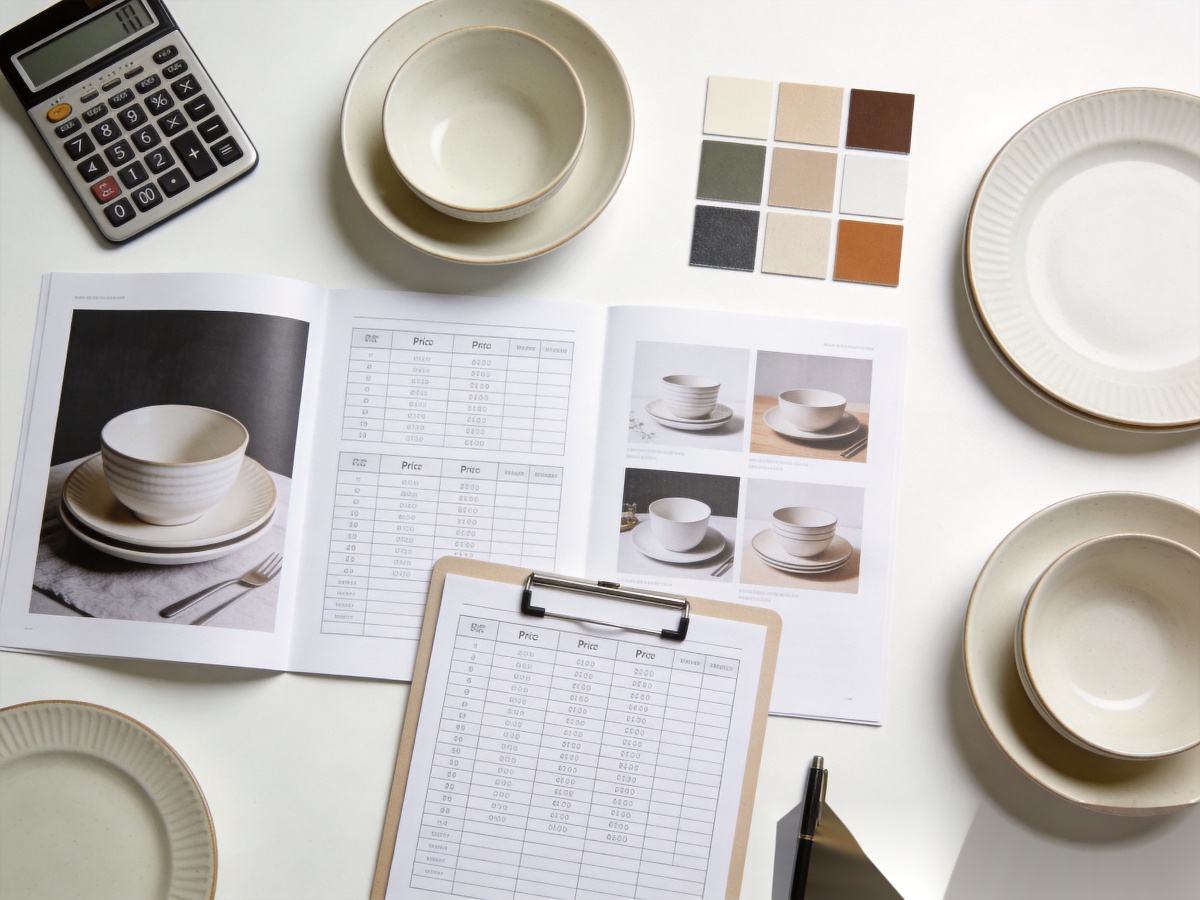
Thorough preparation also means knowing your own numbers inside and out. Calculate your target landed cost (including freight, duties, insurance, and warehousing) so you can work backward to determine the maximum FOB price you can pay while maintaining your margin requirements. A detailed ceramic pricing breakdown can help you benchmark quotes against industry standards.
Decoding Ceramic Pricing Structures for Smarter Ceramic Sourcing Negotiation
Ceramic tableware pricing is not a single number — it is a composite of multiple cost layers. Understanding this structure gives you precision in ceramic sourcing negotiation conversations and prevents suppliers from hiding margins in opaque line items.
Key Cost Components to Break Down
- Raw material cost: Clay body composition (bone china, porcelain, stoneware) determines 25–40% of the base price.
- Forming and molding: Complex shapes require expensive molds and more labor. Simple round plates are cheapest; irregular shapes add 15–30%.
- Glazing and decoration: Hand-painted designs, decals, or custom logos each carry different cost profiles. Request per-process pricing.
- Firing energy: Kiln temperature and duration vary by material type. Bone china requires higher temperatures and more energy.
- Quality control and sorting: Grade A/B/C sorting affects yield rates and pricing. Specify your acceptable grade and defect thresholds.
- Packaging: Standard export carton vs. gift box packaging can differ by $0.30–$1.50 per piece.
Ask every supplier to provide a transparent cost breakdown rather than a lump-sum quote. When you can see where costs sit, you can negotiate each component individually — which is far more effective than simply asking for “a better price.”
Build Your BATNA: The Strongest Leverage in Ceramic Sourcing Negotiation
BATNA — Best Alternative to a Negotiated Agreement — is the cornerstone of any effective ceramic sourcing negotiation strategy. In practical terms, it means never entering a negotiation with only one supplier option. When you have credible alternatives, your posture changes fundamentally: you negotiate from strength rather than necessity.
Build your BATNA by:
- Maintaining relationships with at least 3 qualified suppliers at all times, even if you primarily order from one. Periodic trial orders with backup suppliers keep your alternatives real and tested.
- Diversifying sourcing regions. If your primary suppliers are in Chaozhou, develop contacts in Dehua or Liling as alternatives. Different regions have different cost structures and specializations.
- Attending trade shows like the Canton Fair, Hong Kong Houseware Fair, and Ambiente to continuously expand your supplier network.
A strong BATNA does not mean threatening your current supplier. It means you genuinely have options — and suppliers can sense this. It changes the dynamic from adversarial to collaborative, because both parties know the relationship must deliver real value to continue.
Relationship-Driven Ceramic Sourcing Negotiation: Beyond Price Haggling
One of the most common mistakes in ceramic sourcing negotiation is treating it as a purely price-driven exercise. While cost matters, the most experienced buyers understand that long-term supplier relationships yield far greater returns than one-time price concessions.
Consider the total value equation:
- Priority production scheduling: Trusted buyers get their orders scheduled first during peak seasons, avoiding costly delays.
- Flexible MOQ adjustments: Suppliers who value your relationship will accommodate smaller trial orders or mixed-SKU containers that rigid pricing models would not allow.
- Proactive quality improvement: A supplier invested in your success will flag potential issues early and suggest design or material optimizations that reduce costs without sacrificing quality.
- Exclusive designs and early access: Strong relationships often grant access to new collections before they reach the broader market.
Invest in relationship-building activities: visit the factory in person (a factory audit serves both evaluation and relationship purposes), communicate consistently, pay invoices on time, and provide constructive feedback rather than punitive complaints. These actions compound over time into significant negotiation advantages.
Timing Your Ceramic Sourcing Negotiation for Maximum Advantage
Timing is an underutilized weapon in ceramic sourcing negotiation. The ceramic manufacturing industry operates on predictable seasonal cycles, and understanding these patterns allows you to negotiate when supplier motivation to close deals is highest.
Optimal Negotiation Windows
- Q1 (January–March): Post-Chinese New Year, factories are ramping up production and eager to fill their order books for the year. This is often the best window for negotiating annual supply agreements.
- Late Q2 (June): Before the summer slowdown, suppliers may offer concessions to maintain production line utilization.
- Post-Canton Fair (May and November): Suppliers returning from trade shows often have excess capacity from samples produced and are motivated to convert leads into confirmed orders.
- Year-end (November–December): Factories aiming to meet annual revenue targets may offer aggressive pricing on orders confirmed before December 31.
Conversely, avoid negotiating during peak demand periods (August–October) when factories are running at full capacity and have little incentive to offer discounts. A well-planned seasonal sourcing calendar helps you align your negotiation timeline with factory motivation cycles.
Using Quality Standards as Leverage in Ceramic Sourcing Negotiation
Quality is both a requirement and a negotiation lever. When you define precise quality standards upfront — including acceptable defect rates, glaze thickness specifications, thermal shock resistance thresholds, and food safety compliance — you create objective benchmarks that shape the entire negotiation.
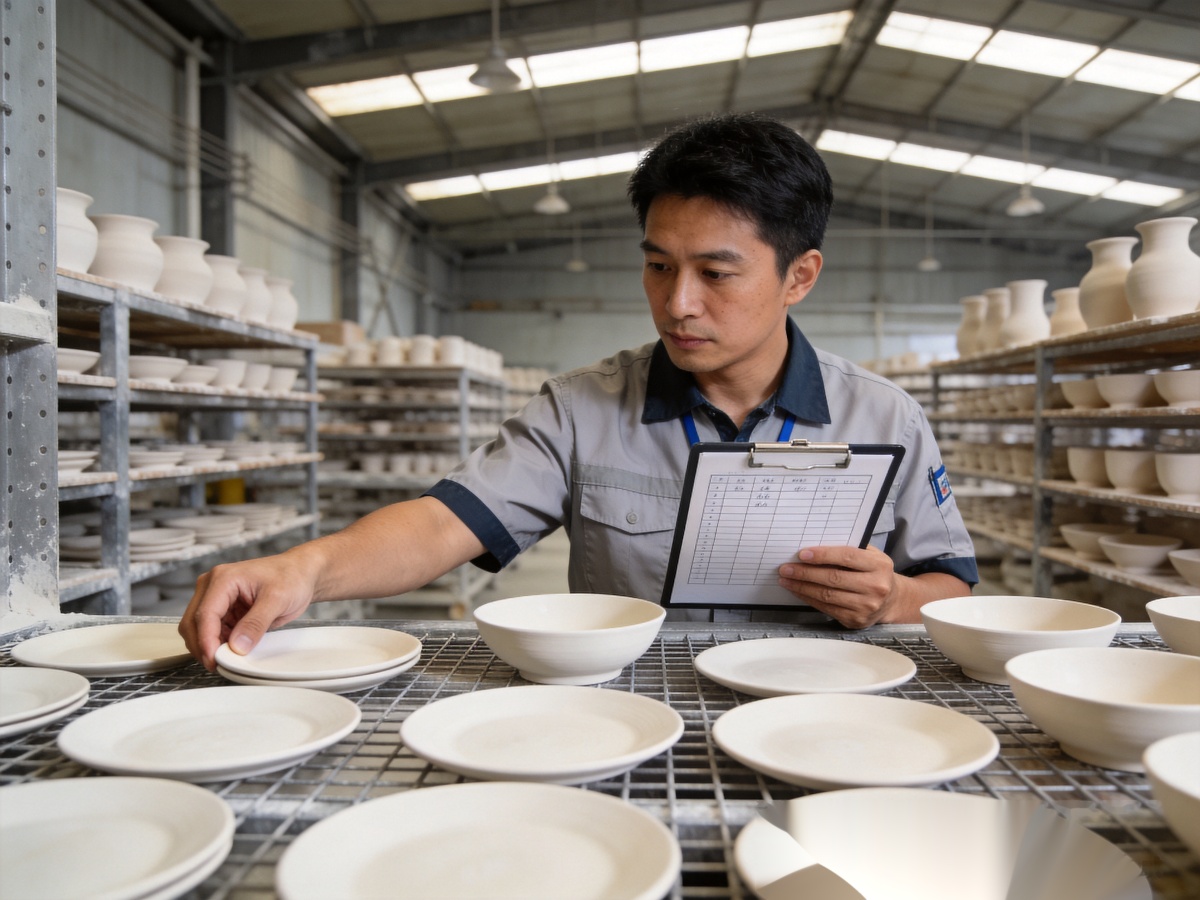
Here is how to use quality standards strategically:
- Specify measurable criteria: Instead of saying “high quality,” define “Grade A only, maximum 2% pinholes per 100 pieces, lead and cadmium migration below FDA limits.” This prevents suppliers from quoting based on lower-grade production and then charging upcharges for quality you expected as standard.
- Tie pricing to quality tiers: Request pricing for Grade A, B, and C separately. This reveals the supplier’s true quality cost structure and gives you negotiation flexibility — you might accept a small percentage of Grade B for non-customer-facing items.
- Include penalty clauses: Negotiate clear consequences for quality failures — replacement at supplier cost, partial refunds, or credit toward future orders. This protects your margins and signals that you are a serious, professional buyer.
- Reference certifications: Require compliance with relevant ceramic certification standards (FDA, LFGB, SGS) as a baseline, and use any gaps in the supplier’s certification portfolio as a negotiation point for price adjustments.
Overcoming Common Obstacles in Ceramic Sourcing Negotiation
Even well-prepared buyers encounter obstacles during ceramic sourcing negotiation. Here are the most common challenges and how to navigate them:
Challenge 1: Supplier Quotes Significantly Above Market Rate
This often happens when suppliers perceive a buyer as inexperienced or unlikely to comparison-shop. Counter this by demonstrating market knowledge: reference specific FOB price ranges you have seen, mention competing quotes (without revealing supplier names), and ask for a detailed cost breakdown that justifies the premium.
Challenge 2: Supplier Refuses to Lower MOQ
Minimum order quantities are often flexible, especially if you can offer something in return. Propose a trial order at a slightly higher unit price with a commitment to larger future volumes. Alternatively, consolidate multiple SKUs into one order to meet the MOQ while diversifying your product range. Understanding customization options can help you maximize value within MOQ constraints.
Challenge 3: Communication Gaps and Misunderstandings
Language barriers and cultural differences can derail negotiations. Always confirm key terms in writing — both in English and, if possible, in Chinese. Use clear, structured communication (numbered lists, tables, drawings with annotations) rather than lengthy prose emails. A bilingual sourcing agent can bridge critical gaps during complex negotiations.
Challenge 4: Supplier Delays After Agreement
Production delays are among the most costly negotiation failures. Protect yourself by including specific delivery milestones in the contract, with defined penalties for delays exceeding 14 days. Schedule mid-production inspections and request weekly progress reports. For comprehensive guidance on packaging and shipping logistics, plan these details before the order enters production.
Frequently Asked Questions About Ceramic Sourcing Negotiation
What is the typical price reduction achievable through ceramic sourcing negotiation?
Experienced buyers typically achieve 8–15% below initial quoted prices through structured negotiation. The exact reduction depends on order volume, market conditions, material costs, and the strength of your BATNA. First-time buyers working with a single supplier may see smaller reductions of 3–5%.
Should I negotiate in person or remotely?
For initial relationship-building and major contract negotiations, in-person visits are significantly more effective. Chinese business culture places high value on face-to-face interaction. For routine reorders and minor adjustments, remote negotiation via video call or email is acceptable and more efficient.
How do I handle multiple supplier quotes without revealing competitor pricing?
Never share one supplier’s exact quote with another — this erodes trust and can backfire. Instead, reference market ranges (“I have seen FOB prices in the $1.80–$2.20 range for this specification”) and ask the supplier to explain where they fall within that range. This demonstrates market knowledge without breaching confidentiality.
What payment terms should I negotiate for ceramic tableware orders?
Standard terms are 30% deposit upon order confirmation and 70% balance before shipment or against copy of Bill of Lading. For established relationships, negotiate 30/70 with payment 14–30 days after shipment (net terms). Letter of Credit (L/C) is recommended for orders exceeding $50,000 or when working with new suppliers.
How can I evaluate sample quality before committing to a large order?
Request pre-production samples and evaluate them systematically. A structured sample evaluation process should include visual inspection, dimensional measurement, glaze thickness testing, thermal shock resistance, and food safety verification. Only approve mass production after samples meet all specifications.
Ready to Negotiate Smarter Ceramic Sourcing Deals?
Effective ceramic sourcing negotiation is not about squeezing every last cent from your supplier — it is about building a procurement framework that delivers consistent value, reliable quality, and mutually beneficial terms. By preparing thoroughly, understanding cost structures, timing your approach, and investing in supplier relationships, you transform negotiation from a transactional exercise into a strategic advantage.
Whether you are sourcing porcelain dinnerware for a restaurant chain, stoneware for retail distribution, or custom ceramic products for private labeling, these seven tactics will help you secure better deals with greater confidence.
Ready to start? Contact CeraSupply today for a free consultation and competitive quote on bulk ceramic tableware orders. Our team of sourcing specialists will help you navigate the negotiation process and find the perfect products for your business.