When sourcing ceramic tableware in bulk, understanding ceramic material types is the single most important decision a B2B buyer will make. Whether you are supplying a hotel chain, stocking a retail store, or fulfilling an e-commerce order, the material you choose directly impacts product durability, cost structure, aesthetic appeal, and customer satisfaction. Yet many importers still struggle to distinguish between stoneware, porcelain, and bone china — three of the most widely traded ceramic categories in global markets.
In this guide, we break down each ceramic material type by composition, performance characteristics, pricing considerations, and ideal use cases. By the end, you will have a clear framework for selecting the right ceramic material types for your specific business needs.
What Are the Main Ceramic Material Types in Tableware?
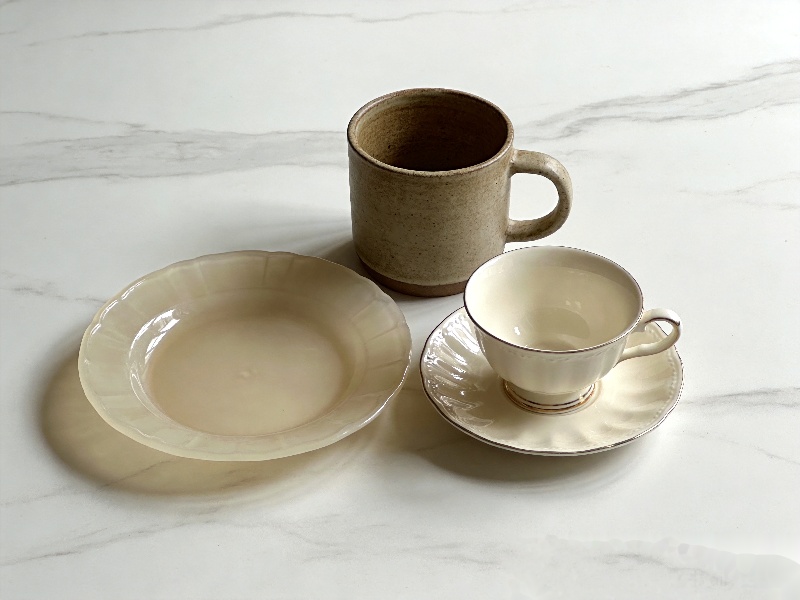
Ceramic tableware is broadly categorized into three primary material families, each defined by its raw material composition and firing process. The three main ceramic material types traded internationally are:
- Stoneware — A dense, opaque ceramic fired at 1,200–1,300°C, known for its rustic charm and exceptional durability.
- Porcelain — A vitrified, translucent ceramic fired at 1,280–1,400°C, prized for its refined white appearance and versatility.
- Bone China — A premium ceramic made with bone ash (typically 30–50%), fired at 1,200–1,300°C, renowned for its translucency, whiteness, and lightweight strength.
Each type serves distinct market segments, and understanding these differences is essential for buyers who want to match product offerings to their target customers. For a deeper look at how material choice affects long-term product performance, see our ceramic tableware durability testing guide.
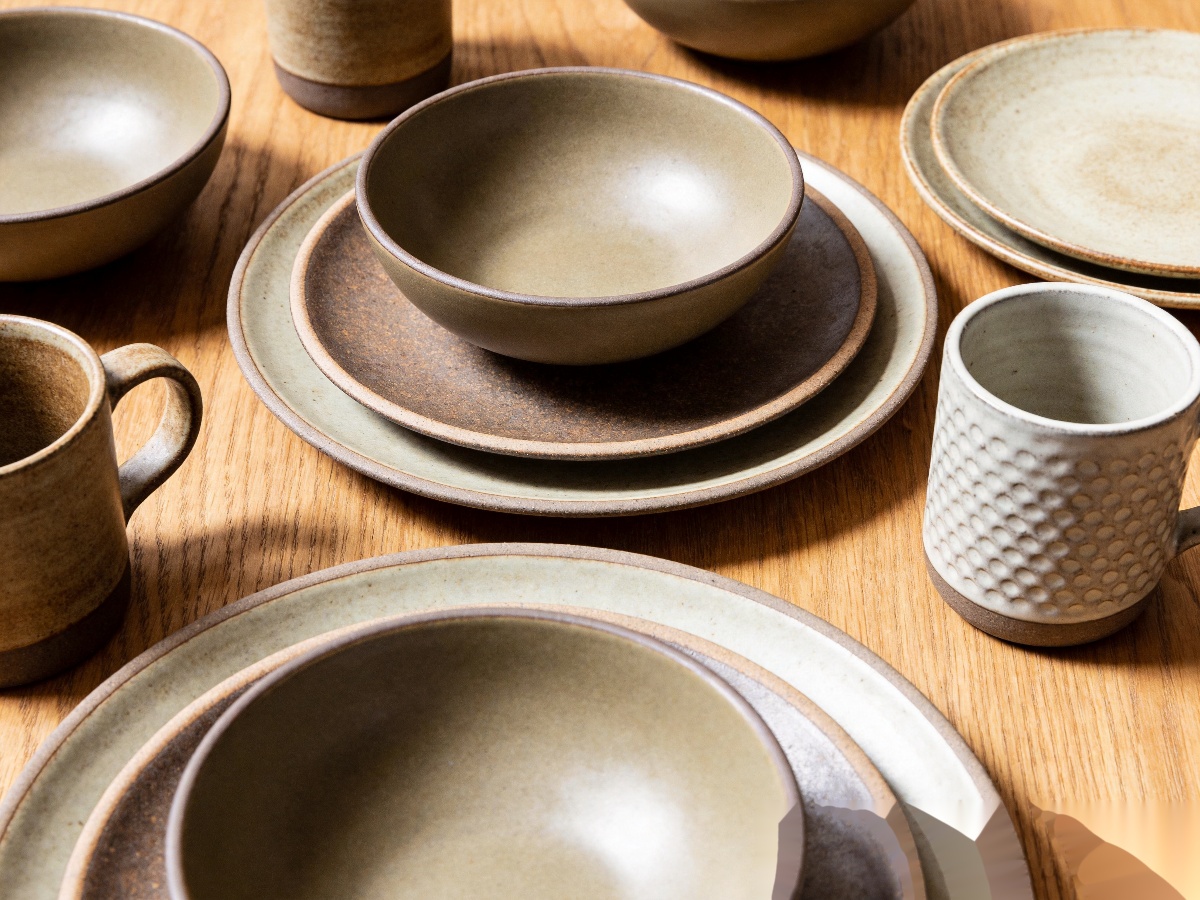
Stoneware: The Workhorse of Ceramic Material Types
Stoneware is the most commercially versatile of all ceramic material types, dominating the mid-range wholesale market. Made primarily from stoneware clay mixed with feldspar and quartz, it is fired at temperatures between 1,200°C and 1,300°C, resulting in a dense, non-porous body that resists chipping and cracking under daily use.
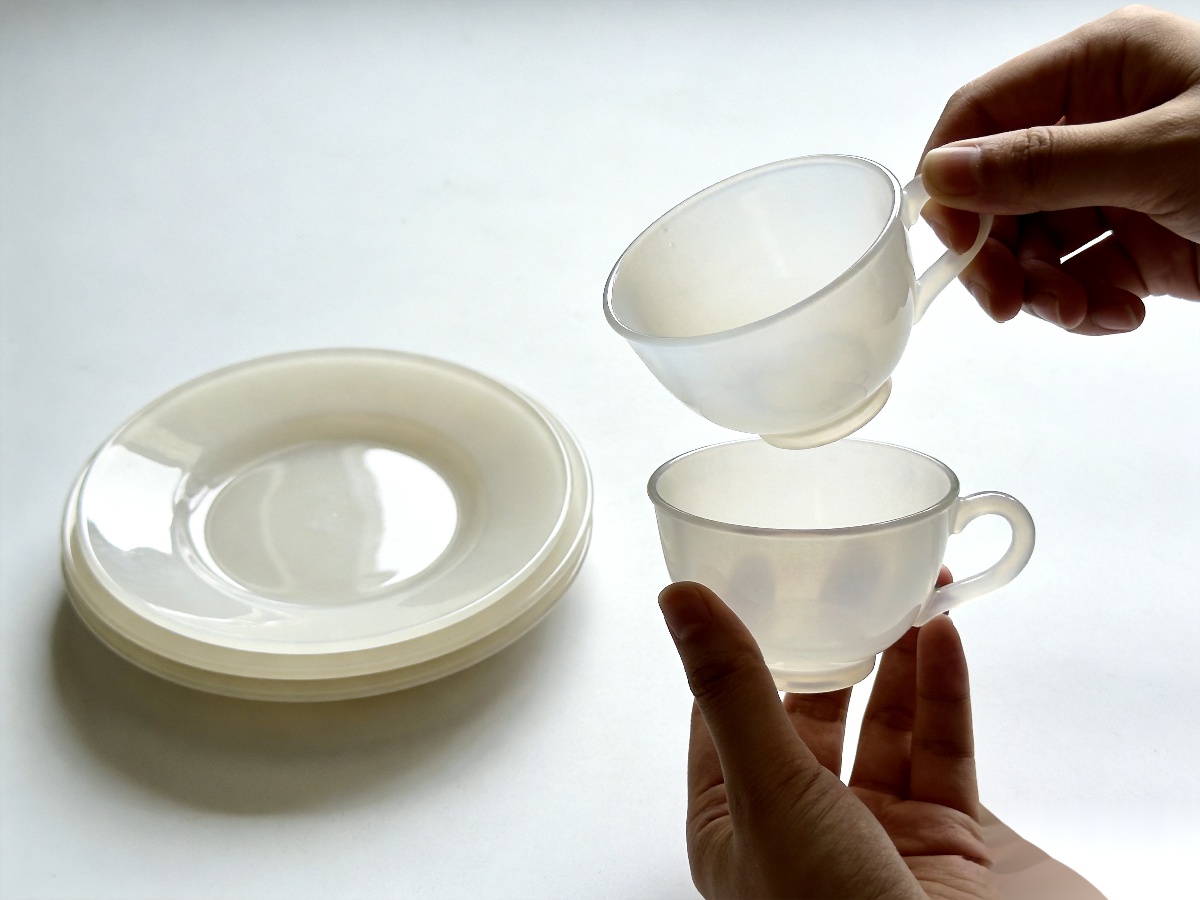
Porcelain: The Most Versatile Ceramic Material Type for Export
Porcelain is the most globally traded ceramic material type and for good reason. Composed of kaolin clay, feldspar, and quartz, porcelain is fired at temperatures exceeding 1,280°C, creating a fully vitrified body that is impermeable to water even without glazing. This vitrification process gives porcelain its signature translucency, bright white color, and glass-like surface finish.
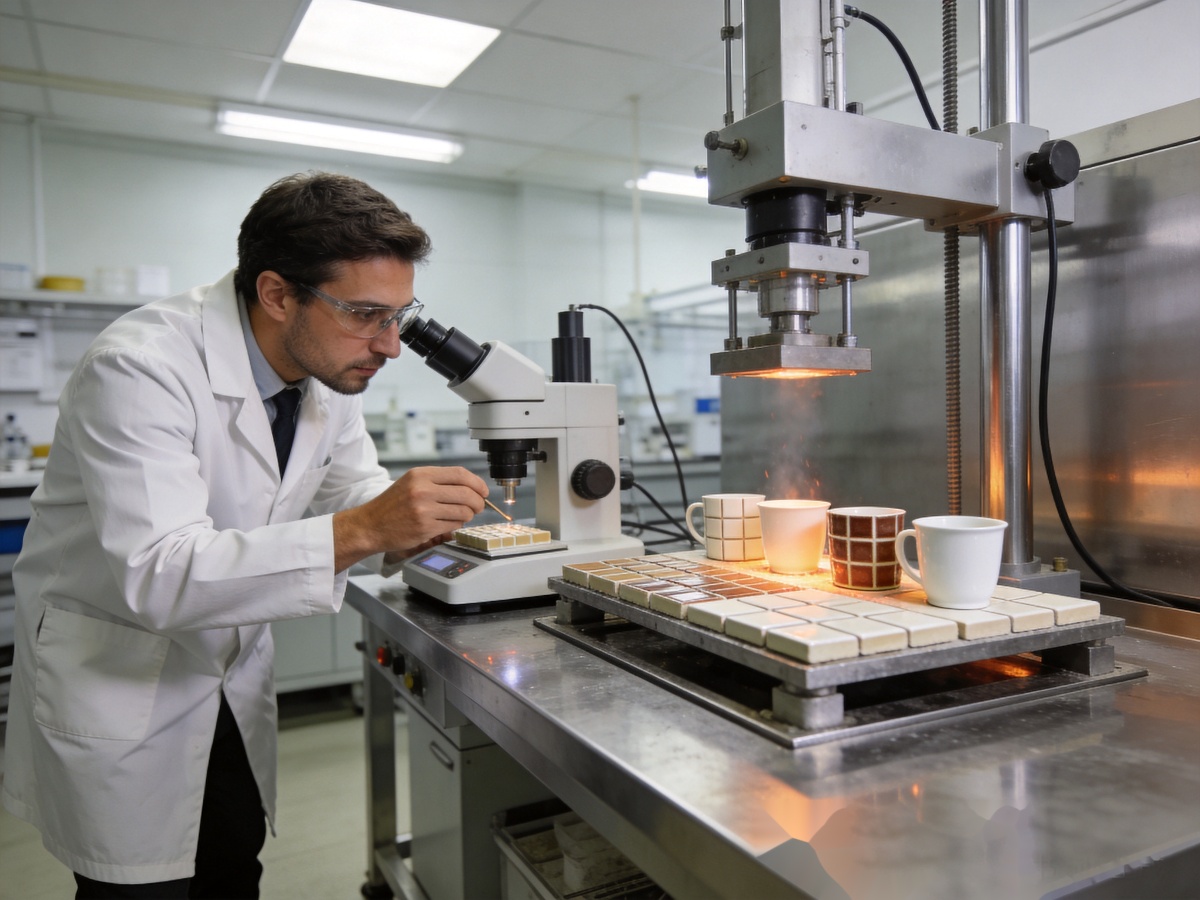
Ceramic Material Types Comparison: Stoneware vs Porcelain vs Bone China
Choosing the right ceramic material types for your business requires a side-by-side comparison of the properties that matter most to your end market. The table below summarizes the key differences across the dimensions that B2B buyers evaluate most frequently:
| Property | Stoneware | Porcelain | Bone China |
|---|---|---|---|
| Firing Temperature | 1,200–1,300°C | 1,280–1,400°C | 1,200–1,300°C |
| Weight | Heaviest | Medium | Lightest |
| Translucency | Opaque | Translucent | Highly translucent |
| Chip Resistance | High | High | Highest |
| Whiteness | Natural/earthy | Bright white | Warm ivory-white |
| Relative Cost (FOB) | Low | Medium | High |
| Best Market | Casual dining, retail | Hospitality, fine dining | Luxury, premium retail |
| Customization Ease | Excellent | Excellent | Good (premium finish) |
How to Choose the Right Ceramic Material Types for Your Business
The decision between stoneware, porcelain, and bone china should be driven by four key factors:
If your end customers value rustic aesthetics and durability — think farm-to-table restaurants and artisan retailers — stoneware is the strongest fit. For institutional buyers like hotels and catering companies, porcelain offers the professional look and commercial resilience they demand. Luxury retailers and gift brands should focus on bone china for its prestige factor and superior margin potential.
Stoneware provides the lowest entry cost and works well for volume-driven business models. Porcelain offers a middle ground with broad market appeal. Bone china commands the highest wholesale cost but enables premium retail pricing. For a detailed breakdown of how pricing structures differ across trade terms, refer to our ceramic pricing analysis covering FOB, CIF, and DDP.
While all three ceramic material types are suitable for daily use, the operating environment matters. High-volume commercial kitchens need the chip resistance of high-fired porcelain or bone china. Retail products that face shipping and handling stresses benefit from stoneware’s inherent toughness. Understanding ceramic glaze types and their impact on durability is equally important when evaluating material options.
Different ceramic material types have different manufacturing concentrations. Stoneware production is widely distributed, offering competitive pricing from multiple regions. High-grade porcelain production is concentrated in China’s major ceramic hubs such as Chaozhou, Dehua, and Jingdezhen. Bone china manufacturing is more limited, with quality production concentrated in fewer factories. Working directly with factories can significantly improve your pricing and quality control — learn more about factory direct sourcing advantages.
Ceramic Material Types FAQ: Answers for B2B Buyers
What is the difference between ceramic material types like stoneware and porcelain?
The primary difference lies in the clay composition and firing temperature. Stoneware uses stoneware clay fired at 1,200–1,300°C, producing a dense, opaque body. Porcelain uses kaolin clay fired at 1,280–1,400°C, creating a vitrified, translucent body that is whiter and lighter. Both are durable, but porcelain offers a more refined appearance while stoneware delivers a more rustic aesthetic at a lower price point.
Is bone china really made from bone?
Yes, authentic bone china contains 30–50% bone ash (calcium phosphate derived from cattle bone). This ingredient is what gives bone china its distinctive translucency, warm-white color, and exceptional strength-to-weight ratio. Reputable manufacturers will provide certification confirming the bone ash content and food safety compliance.
Which ceramic material types are best for dishwasher and microwave use?
All three major ceramic material types — stoneware, porcelain, and bone china — are generally microwave-safe and dishwasher-safe in their standard undecorated forms. However, pieces with metallic trim (gold or platinum rims) should not be microwaved. For commercial dishwasher environments, high-fired porcelain and bone china offer the best long-term resistance to glaze degradation.
How do I verify the material type when sourcing from overseas suppliers?
Request material composition certificates and conduct independent lab testing on samples. Key tests include water absorption rate (stoneware: less than 3%, porcelain: less than 0.5%, bone china: less than 0.1%), translucency assessment, and thermal shock testing. A comprehensive sample evaluation process is essential before committing to bulk orders.
Can I mix ceramic material types in a single order?
Most manufacturers specialize in one or two ceramic material types, so mixing stoneware and porcelain in one order usually requires coordinating with multiple factories or working with a sourcing agent who consolidates production. This is common practice for buyers who want to offer a diversified product range while maintaining consistent quality standards across categories.
Conclusion: Selecting Ceramic Material Types with Confidence
Understanding the differences between ceramic material types — stoneware, porcelain, and bone china — is foundational to building a profitable tableware business. Each material serves a distinct market position, carries different cost structures, and appeals to different customer segments. The right choice depends on your target market, budget parameters, and brand positioning.
Whether you need durable stoneware for a cafe chain, refined porcelain for hotel service, or luxurious bone china for premium retail, CeraSupply offers a comprehensive range of ceramic tableware across all material types. Our factory-direct model ensures competitive pricing, consistent quality, and full customization support.
Ready to explore the right ceramic material types for your next order? Contact us today for a free quote and let our team help you find the perfect material match for your business.