When sourcing ceramic tableware in bulk, the glaze is far more than a decorative finish — it defines the product’s durability, food safety compliance, visual appeal, and ultimately its market positioning. Understanding the major ceramic glaze types and their implications for food contact safety is essential for importers, distributors, and hospitality buyers who need to make informed purchasing decisions.
This guide breaks down the most common ceramic glaze types used in mass-produced tableware, explains how each type performs under food safety regulations, and provides actionable criteria for evaluating glaze quality before placing a bulk order.
What Are Ceramic Glaze Types and Why They Matter
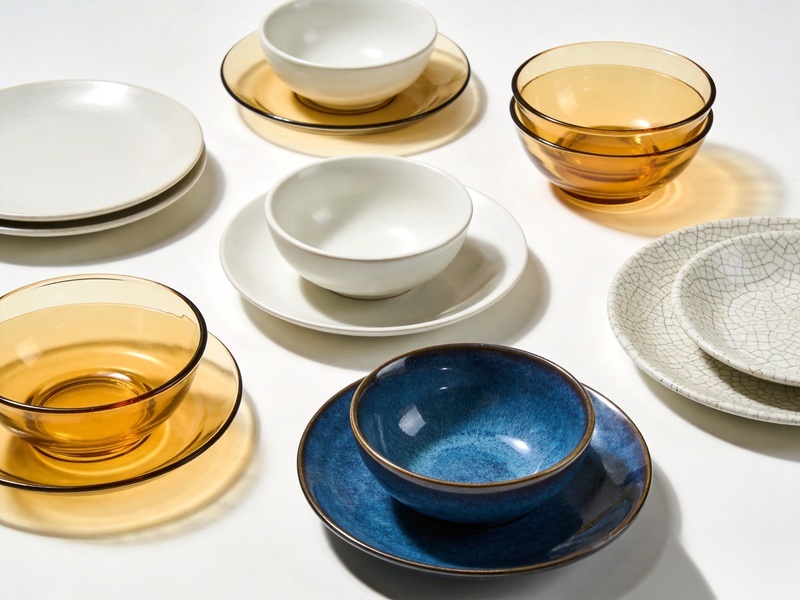
A ceramic glaze is a thin, glass-like coating applied to the surface of fired clay products. The glaze serves three critical functions: it makes the porous ceramic body impermeable to liquids, provides a smooth and easy-to-clean surface, and delivers the visual aesthetics that differentiate products in the marketplace.
For B2B buyers, the choice of ceramic glaze types directly impacts:
- Regulatory compliance — different glazes have varying levels of lead and cadmium release, which must meet FDA, LFGB, or EU Regulation 1935/2004 standards
- Durability in commercial use — some glazes withstand dishwasher cycles and metal utensil contact far better than others
- Cost structure — specialty glazes like reactive or crystalline types can add 15–40% to unit cost
- Brand positioning — the glaze finish signals quality tier and target market segment
The 6 Major Ceramic Glaze Types for Tableware
1. Transparent / Clear Glaze
Transparent glaze is the most fundamental ceramic glaze type in tableware production. It creates a glassy, see-through layer that reveals the clay body or underglaze decoration beneath. Clear glazes are widely used on both white porcelain and colored stoneware, offering excellent food safety properties since the vitrified surface is non-porous and chemically stable.
Best for: Everyday dinnerware, hotel whiteware, products with underglaze printing or decals.
2. Opaque / Colored Glaze
Opaque glazes contain opacifiers (typically tin oxide or zirconium silicate) that make the surface completely non-transparent. Color is achieved through metal oxide pigments — cobalt for blue, iron for brown and amber, copper for green. Among ceramic glaze types, opaque colored glazes offer the widest design versatility and are the standard choice for branded restaurant tableware.
Best for: Colored dinnerware lines, brand-specific tableware collections, promotional items.
3. Matte Glaze
Matte glazes produce a smooth, non-reflective surface by altering the silica-to-alumina ratio or by introducing crystallization during cooling. The tactile quality of matte finishes has made them increasingly popular in artisanal and premium tableware lines. However, some matte glazes can be slightly more porous than glossy variants, so food safety testing is particularly important for this ceramic glaze type.
Best for: Premium and artisan-style dinnerware, café tableware, contemporary homeware brands.
4. Reactive Glaze
Reactive glazes create unique, unpredictable color patterns through chemical interactions between glaze components during firing. Each piece emerges with slightly different coloring, giving products an organic, handcrafted character. This ceramic glaze type has surged in demand across Western markets over the past five years, particularly for mid-to-premium retail channels.
Best for: Premium retail dinnerware, specialty restaurant tableware, gift and lifestyle brands.
5. Crystalline Glaze
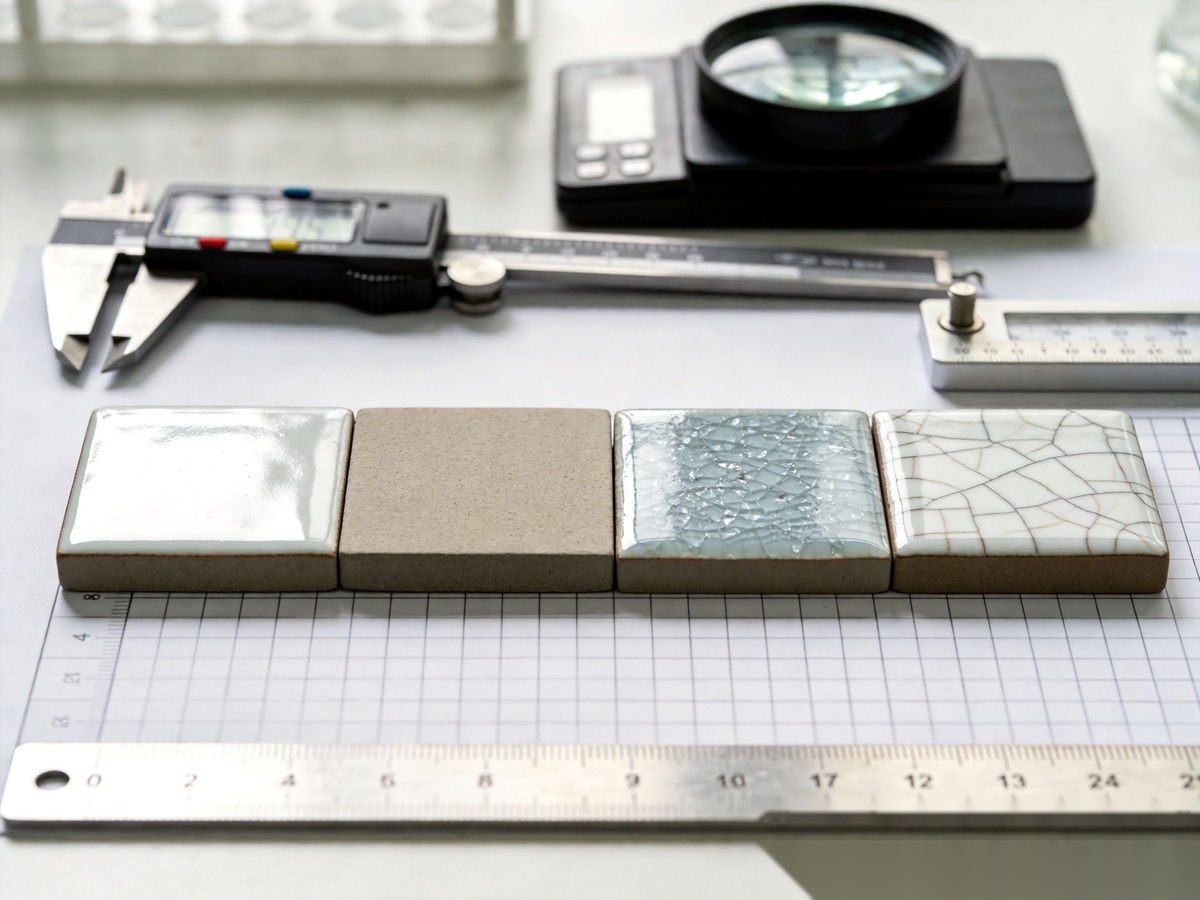
Crystalline glazes produce visible crystal formations on the surface through carefully controlled cooling cycles. The result is a striking, jewel-like pattern that makes each piece visually distinctive. Among ceramic glaze types, crystalline glazes are the most technically demanding to produce, requiring precise kiln temperature control and longer firing times. This translates to higher cost but also higher perceived value.
Best for: Luxury tableware, decorative accent pieces, limited-edition collections.
6. Salt Glaze
Salt glazing is a traditional technique where sodium chloride is introduced into the kiln during high-temperature firing, creating a characteristic pitted, orange-peel texture. While less common in modern mass production, salt glaze remains valued for heritage-style and rustic tableware lines. Modern food safety compliance for this ceramic glaze type requires careful monitoring of the vitrification level.
Best for: Rustic and heritage-style dinnerware, artisan brand collaborations, specialty hospitality venues.
Ceramic Glaze Types and Food Safety: What Buyers Must Know
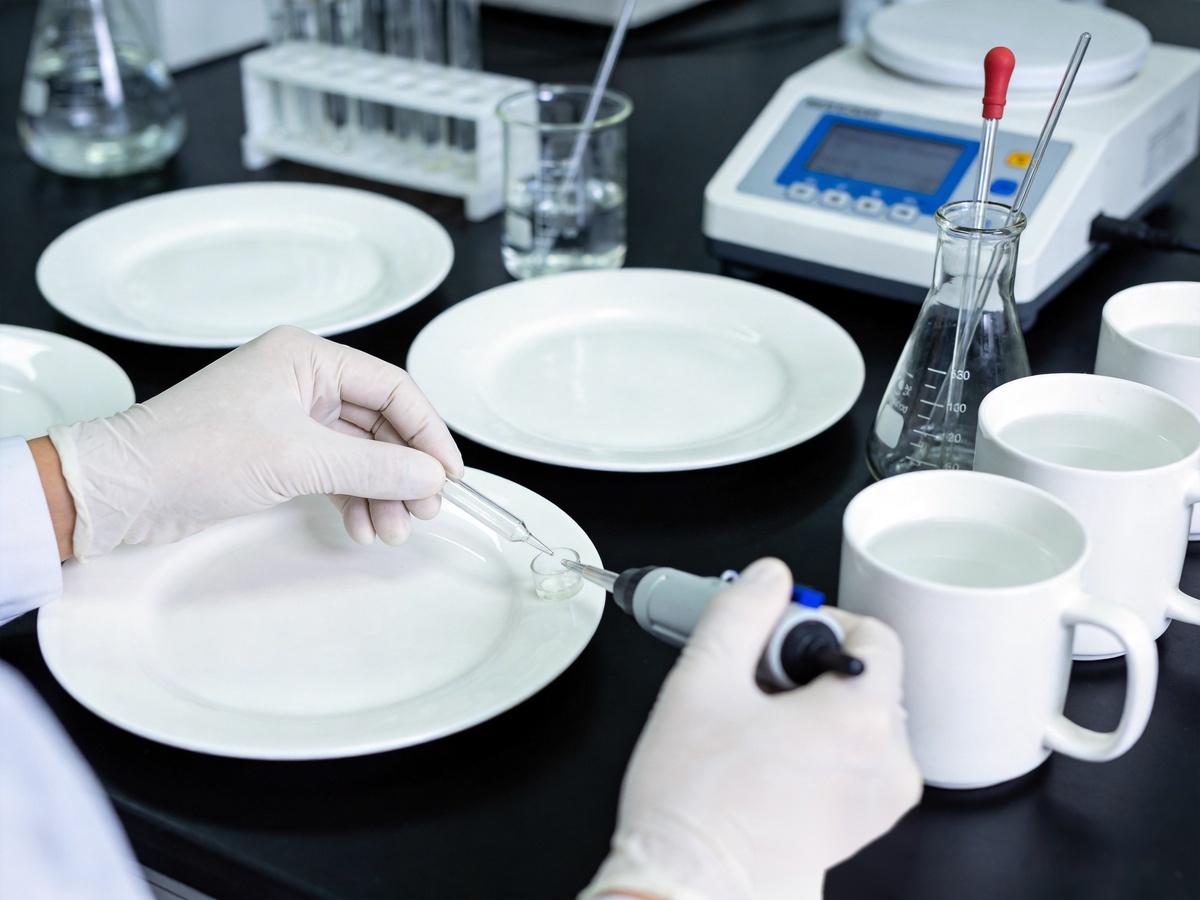
Food safety is the single most critical consideration when selecting ceramic glaze types for tableware intended for food contact. The primary concern is the potential migration of heavy metals — specifically lead and cadmium — from the glaze into food or beverages.
Lead and Cadmium Migration Limits
International food safety standards set strict limits on how much lead and cadmium can migrate from ceramic tableware:
- FDA (USA): Flatware — lead ≤ 3.0 mg/L, cadmium ≤ 0.50 mg/L; small hollowware — lead ≤ 2.0 mg/L, cadmium ≤ 0.50 mg/L
- EU Regulation 848/2018: Flatware — lead ≤ 4.0 mg/dm², cadmium ≤ 0.30 mg/dm²
- LFGB (Germany): Generally aligns with EU limits but applies more rigorous testing protocols for certain glaze types
- Proposition 65 (California): Requires additional labeling if lead exposure exceeds threshold levels
Which Ceramic Glaze Types Pose Higher Risk?
Not all ceramic glaze types carry the same level of food safety risk:
- Low risk: Clear glazes, modern opaque glazes using zirconium opacifiers, and properly formulated matte glazes from reputable manufacturers
- Medium risk: Colored glazes using traditional cadmium-based pigments (reds, oranges, yellows), decorative overglaze enamels
- Higher risk: Low-temperature earthenware glazes (below 1,000°C), artisan glazes with unknown formulations, crackle glazes where micro-cracks can harbor bacteria
Responsible manufacturers now use lead-free frit compositions and cadmium-free pigment alternatives. When evaluating suppliers, request their raw material safety data sheets (SDS) and third-party test reports from accredited laboratories such as SGS, TÜV, or Intertek. Learn more about the full ceramic certification process in our detailed guide.
How to Evaluate Ceramic Glaze Quality Before Placing a Bulk Order
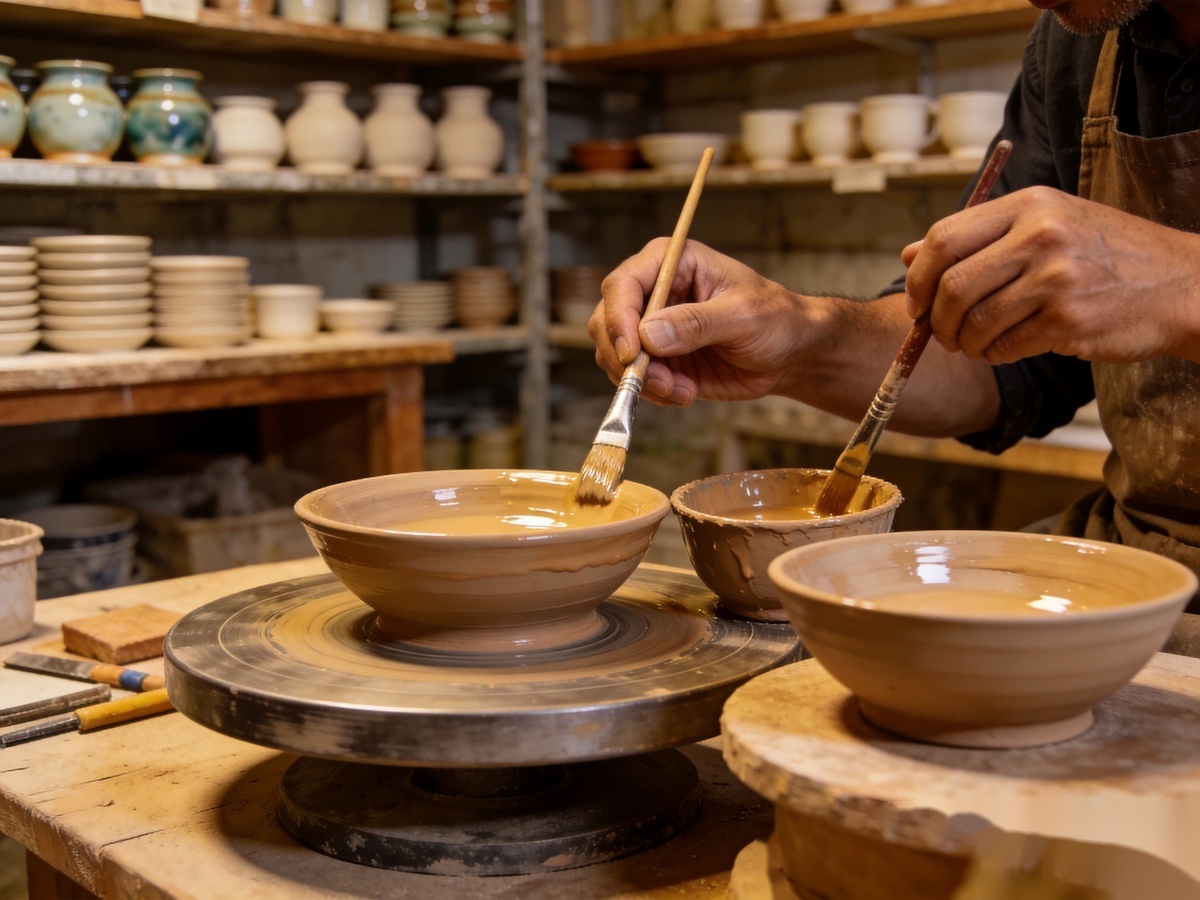
Evaluating ceramic glaze types requires both visual inspection and functional testing. Here is a systematic approach for B2B buyers:
Visual Inspection Criteria
- Surface uniformity: Check for pinholes, crawling, blistering, or uneven thickness across a sample batch of 20–50 pieces
- Color consistency: Compare pieces from different kiln batches — acceptable variation depends on the glaze type (reactive glazes inherently vary more)
- Edge coverage: Inspect rims and edges where glaze tends to thin out, leaving the clay body exposed
- Fit to body: Look for crazing (fine cracks) or shivering (glaze peeling), which indicate thermal expansion mismatch between glaze and clay
Functional Testing Requirements
- Dishwasher resistance: 100+ cycles at 65°C with no glaze degradation, color fading, or surface roughening
- Microwave safety: No sparking, cracking, or excessive heat absorption (note: metallic-accented glazes are not microwave-safe)
- Thermal shock resistance: Ability to withstand rapid temperature changes from freezer to oven without crazing
- Metal marking resistance: Resistance to grey marks from cutlery, tested by rubbing stainless steel utensils across the surface
- Water absorption: Below 0.5% for vitrified tableware (per ASTM C373 / ISO 10545-3)
For a comprehensive evaluation framework, refer to our ceramic quality control checklist that covers every stage from raw material through finished product inspection.
Ceramic Glaze Types: Cost Comparison and Lead Time Impact
Different ceramic glaze types affect not only the product’s appearance but also its cost structure and production timeline:
- Clear and standard opaque glazes: Baseline cost, 25–35 day production lead time. Most economical for large-volume orders exceeding 10,000 pieces
- Matte glazes: 5–10% cost premium due to additional processing requirements. Lead time extends by 3–5 days
- Reactive glazes: 15–30% cost premium. Higher reject rates (8–12% vs. 3–5% for standard glazes) due to color variation tolerance challenges. Add 5–7 days to lead time
- Crystalline glazes: 30–50% cost premium. Require specialized kilns with precise cooling control, limiting the number of qualified factories. Lead time adds 10–15 days
- Salt glazes: Variable cost depending on production scale. Often require artisan kilns, making them less suitable for orders above 5,000 pieces
Understanding these cost dynamics helps buyers build accurate landed-cost models. For a deeper analysis of total procurement costs including FOB pricing, logistics, and duty considerations, explore our guide on factory direct sourcing strategies.
Choosing the Right Ceramic Glaze Type for Your Market Segment
The optimal ceramic glaze type depends on your target market, distribution channel, and end-user requirements:
- Mass retail (Walmart, Amazon, discount chains): Clear or opaque colored glazes — prioritize cost efficiency and consistent quality
- Premium retail (Williams-Sonoma, Crate & Barrel): Reactive or matte glazes — prioritize visual differentiation and perceived craftsmanship
- Hospitality / HoReCa: Opaque or clear glazes with high durability ratings — prioritize dishwasher resistance, metal marking resistance, and chip resistance
- Luxury / boutique brands: Crystalline or specialty reactive glazes — prioritize uniqueness and artisanal storytelling
When sourcing from major Chinese ceramic production regions, note that different areas specialize in different glaze technologies — Dehua excels in white porcelain glazes, Chaozhou leads in colored and reactive glazes, while Jingdezhen remains the center for traditional artisan glazes including crystalline and salt glaze techniques.
Frequently Asked Questions About Ceramic Glaze Types
Are all ceramic glaze types food safe?
Not automatically. While most modern ceramic glaze types produced by reputable manufacturers are formulated to be food safe, compliance depends on proper formulation, adequate firing temperature, and verified low migration of heavy metals. Always require third-party testing certificates (SGS, TÜV, Intertek) for every glaze formulation before approving bulk production.
Can different ceramic glaze types be combined on the same product?
Yes, combining glaze types is common — for example, a clear interior glaze with a reactive exterior glaze. However, the factory must ensure thermal expansion compatibility between the different glazes to prevent crazing or shivering. Multi-glaze products typically add 10–20% to production costs.
Which ceramic glaze types are most durable for restaurant use?
For commercial hospitality environments, high-fired opaque or clear glazes on porcelain or vitrified stoneware bodies offer the best combination of durability, dishwasher resistance, and metal marking resistance. Matte and crystalline glazes, while visually appealing, tend to show wear more quickly under heavy commercial use.
How do I verify that a supplier’s ceramic glaze types meet food safety standards?
Request three things: (1) raw material Safety Data Sheets for all glaze components, (2) third-party migration test reports per your target market’s regulations (FDA for USA, EU 848/2018 for Europe), and (3) production samples from actual bulk runs — not just hand-made samples — for independent lab verification. Our factory audit checklist includes a dedicated glaze compliance verification section.
Do reactive ceramic glaze types have higher defect rates?
Yes, reactive glazes inherently produce more variation between pieces, which means a higher percentage of products may fall outside the acceptable color range. Expect reject rates of 8–12% compared to 3–5% for standard glazes. Work with your supplier to establish clear color tolerance ranges with physical reference samples before production begins.
Get Expert Guidance on Ceramic Glaze Selection
Choosing the right ceramic glaze types for your product line requires balancing aesthetics, food safety compliance, durability requirements, and cost targets. With over a decade of experience in ceramic tableware manufacturing and export, CeraSupply helps B2B buyers navigate these decisions with confidence — from glaze selection and sample development through to production, quality control, and shipping.
Contact us today for a free consultation and quote on your next ceramic tableware project. Browse our full blog archive for more sourcing insights.