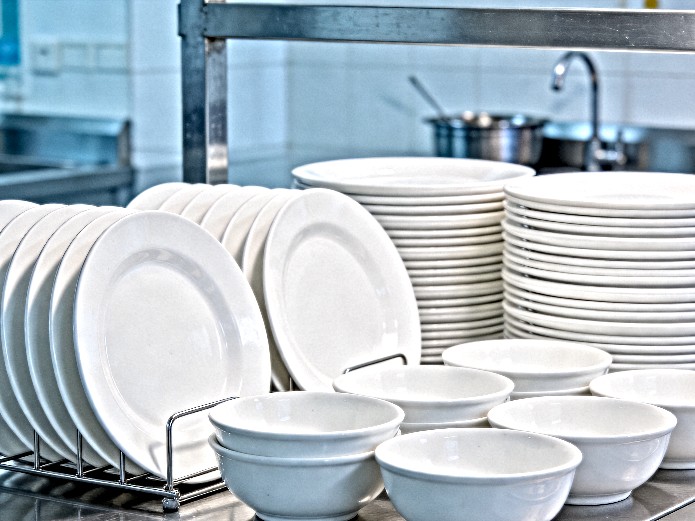
China ceramic regions represent the backbone of the global tableware supply chain. For B2B buyers, understanding which region produces what type of ceramic — and at what scale, quality, and price point — is the difference between a profitable sourcing decision and a costly mistake. This guide breaks down the four most important china ceramic regions that every importer and wholesale buyer should know: Jingdezhen, Chaozhou, Dehua, and Liling.
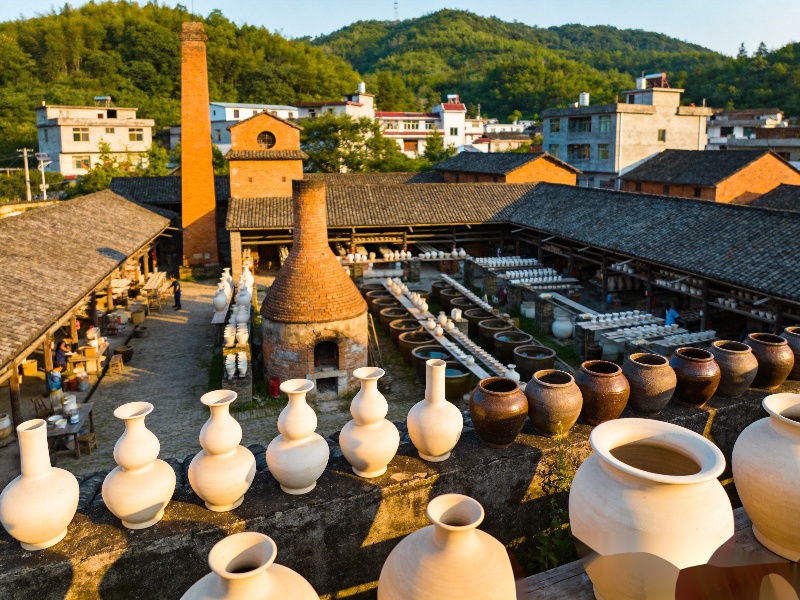
Each of these regions has evolved a distinct specialization over centuries of ceramic production. From hand-painted porcelain in Jingdezhen to mass-produced hotel ware in Chaozhou, the diversity of china ceramic regions gives international buyers unmatched flexibility in product selection, pricing, and customization options.
Why China Ceramic Regions Matter for B2B Buyers
Not all ceramics from China are created equal. The production capabilities, raw material quality, labor costs, and logistical advantages vary dramatically between regions. A buyer who understands china ceramic regions can:
- Match the right product type to the right manufacturing hub
- Negotiate better pricing by understanding regional cost structures
- Reduce quality risk by sourcing from regions with proven expertise
- Optimize shipping logistics based on geographic proximity to ports
- Access specialized craftsmanship unavailable elsewhere
Below, we examine each of the four major china ceramic regions in detail, covering their history, specialties, production capacity, and best-fit product categories for bulk buyers.
Jingdezhen: The Porcelain Capital of China Ceramic Regions
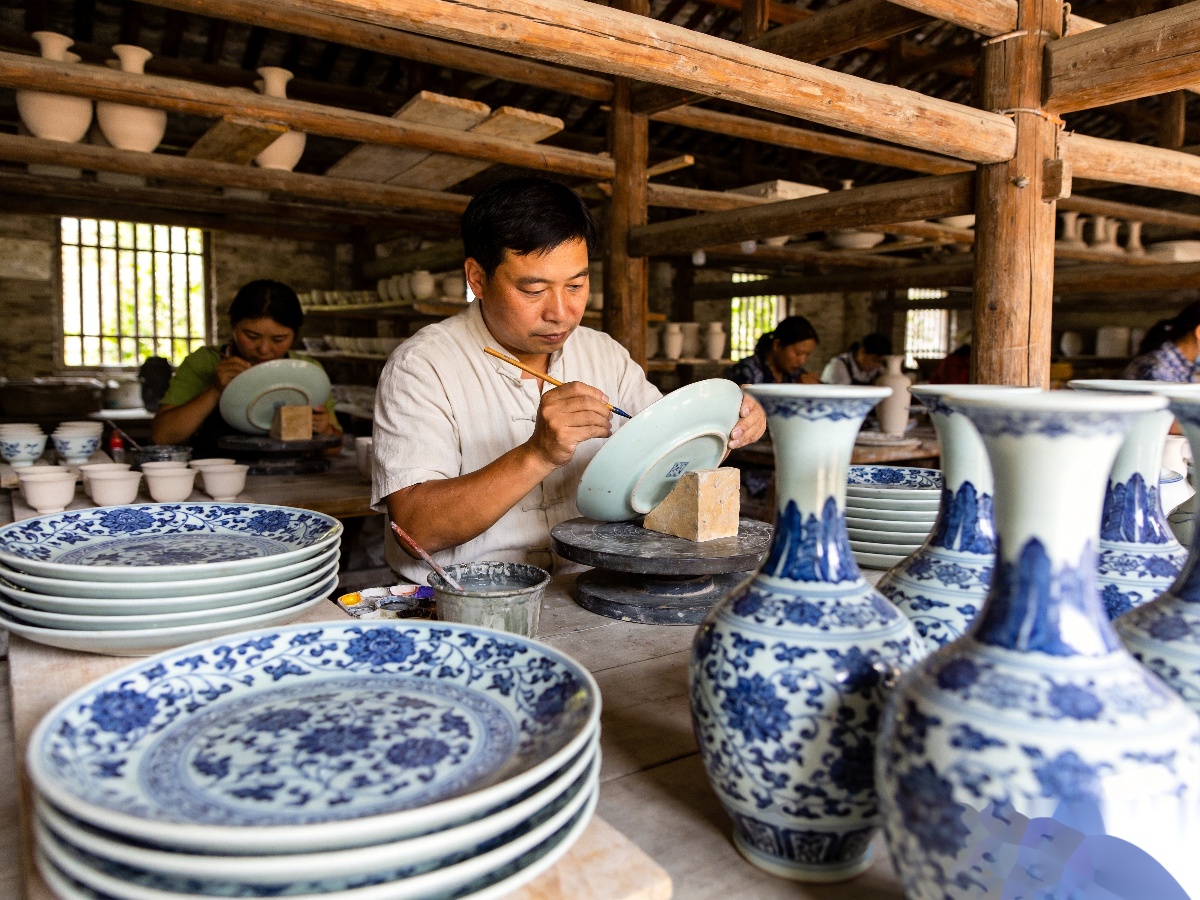
Jingdezhen, located in Jiangxi Province, is arguably the most famous of all china ceramic regions. Known as the “Porcelain Capital,” this city has been producing ceramics for over 1,700 years. During the Ming and Qing dynasties, Jingdezhen served as the imperial kiln site, producing the finest porcelain for the Chinese court.
Specialties and Strengths
- Blue-and-white porcelain (青花瓷): The signature product of Jingdezhen, featuring hand-painted cobalt designs under a transparent glaze
- Famille rose and famille verte: Overglaze enamel decoration techniques perfected over centuries
- High-end art ceramics: Decorative vases, sculptural pieces, and collector items
- Traditional tea sets: Gaiwan, teapots, and complete gongfu tea ceremony sets
Production Profile
Jingdezhen excels in artisanal and mid-volume production rather than mass manufacturing. Most workshops are small-to-medium enterprises with skilled artisans who specialize in hand decoration. This makes it the ideal source for premium, differentiated product lines where craftsmanship adds value.
Best for: Premium tableware lines, hand-painted collections, luxury gift sets, boutique hospitality brands, and art ceramic exports. Buyers seeking unique, story-driven products will find Jingdezhen unmatched among all china ceramic regions.
Considerations: Lead times are longer due to handcraft processes. MOQs tend to be lower than mass-production regions but unit prices are higher. Quality consistency requires careful supplier vetting — explore our product catalog for pre-vetted options.
Chaozhou: The Mass Production Powerhouse Among China Ceramic Regions
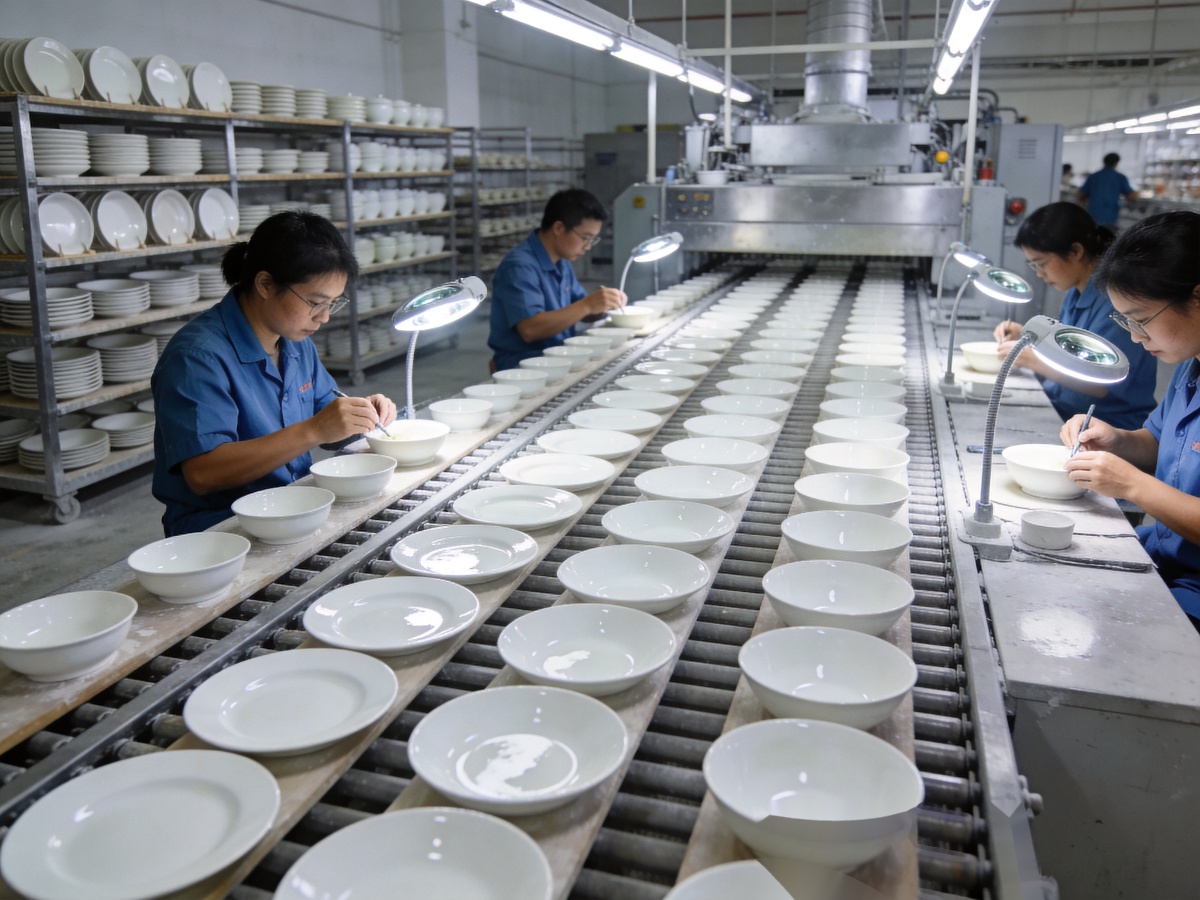
Chaozhou, in Guangdong Province, is the undisputed heavyweight when it comes to volume production. Among all china ceramic regions, Chaozhou accounts for the largest share of China’s ceramic tableware exports by unit volume. The city is home to thousands of ceramic factories ranging from mid-size operations to large-scale industrial complexes.
Specialties and Strengths
- Daily-use tableware: Plates, bowls, mugs, and saucers in standard white and decorated finishes
- Hotel and restaurant ware (HORECA): Heavy-duty, chip-resistant dinnerware designed for commercial use
- Sanitary ceramics: Basins, toilets, and bathroom accessories
- Gift and promotional mugs: Sublimation-ready blanks and custom-printed drinkware
Production Profile
Chaozhou’s strength lies in automated production lines with tunnel kilns running 24/7. Factories can produce tens of thousands of pieces daily, keeping unit costs extremely competitive. The region has invested heavily in modern equipment — isostatic pressing, automated glazing lines, and computer-controlled kilns ensure consistent quality at scale.
Best for: Large-volume orders, supermarket private label programs, hotel supply chains, promotional product distributors, and e-commerce sellers needing reliable, cost-effective sourcing. Chaozhou is the go-to among china ceramic regions for buyers who prioritize volume, price, and delivery speed.
Considerations: Proximity to Shenzhen and Guangzhou ports makes logistics efficient. MOQs are typically higher (often 3,000–5,000 pieces per SKU) but unit prices are the most competitive in the industry.
Dehua: The White Porcelain Specialist Among China Ceramic Regions
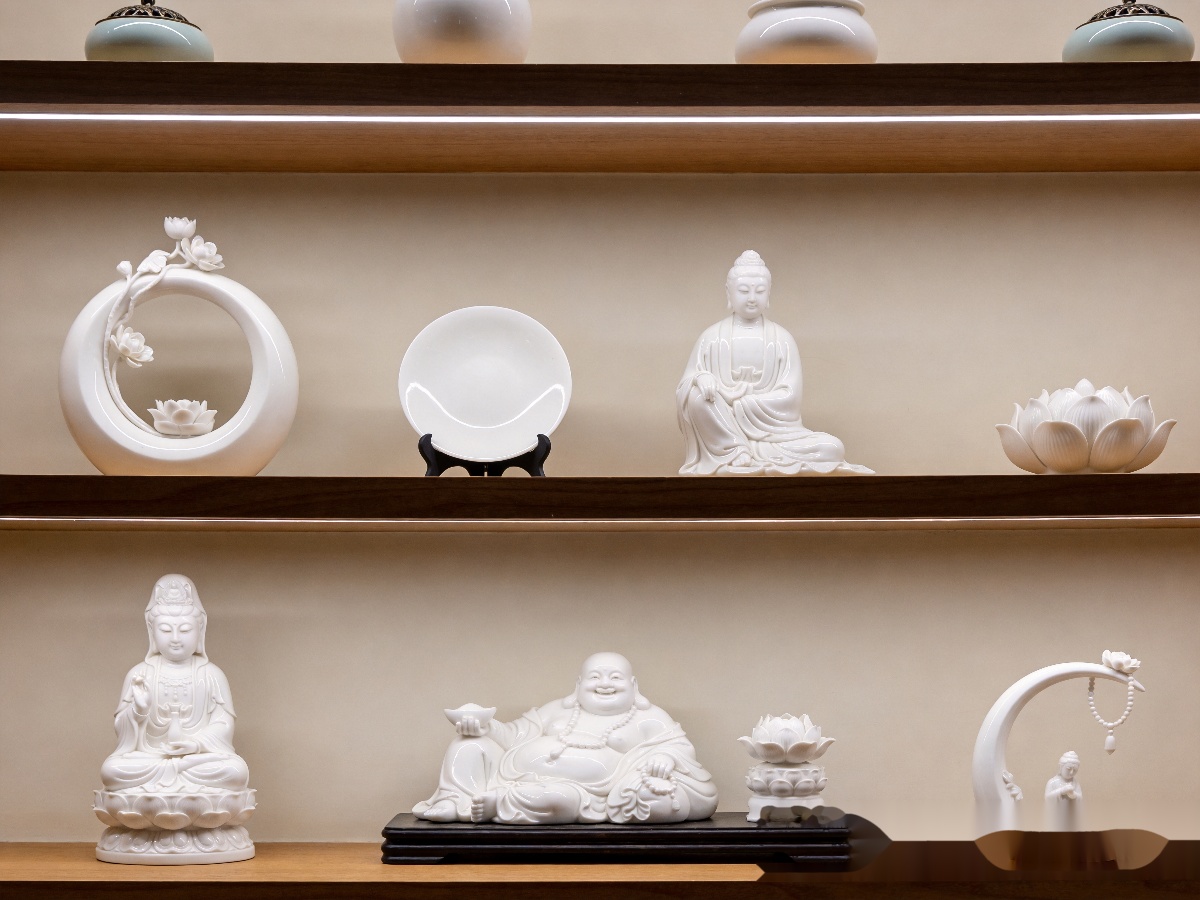
Dehua County in Fujian Province is world-renowned for its blanc de chine — a luminous white porcelain prized for its purity and translucency. Among china ceramic regions, Dehua occupies a unique niche: it combines artistic heritage with modern export manufacturing at a scale between Jingdezhen’s artisanal approach and Chaozhou’s mass production.
Specialties and Strengths
- White porcelain (Blanc de Chine): Pure white, translucent tableware and decorative items with a warm ivory undertone
- Religious and figurine sculptures: Buddhist, Christian, and decorative figurines exported worldwide
- Modern minimalist tableware: Clean, Scandinavian-compatible designs popular in European and North American markets
- Seasonal and holiday ceramics: Christmas, Easter, and holiday-themed decorative ware
Production Profile
Dehua’s factories blend slip casting and jiggering techniques with skilled hand-finishing. The region’s kaolin deposits produce clay with exceptionally low iron content, giving Dehua porcelain its characteristic pure white color. Many factories hold FDA, LFGB, and SGS certifications, making them export-ready for regulated markets.
Best for: Mid-to-premium white porcelain tableware, decorative gift items, seasonal product lines, and brands targeting the European and North American markets with minimalist aesthetics. Dehua’s position among china ceramic regions makes it ideal for buyers who want quality white porcelain without Jingdezhen’s artisanal price premium.
Considerations: Located inland from Xiamen port, shipping is convenient for export. Dehua offers a good balance of quality and price, with MOQs typically ranging from 1,000 to 3,000 pieces per design.
Liling: The Underdog Among China Ceramic Regions
Liling, in Hunan Province, is often overlooked by international buyers — but it shouldn’t be. This region has quietly become one of the most dynamic china ceramic regions, particularly for underglaze five-color porcelain and export-grade daily-use ceramics. Liling’s ceramics industry has grown rapidly with significant government investment in modern production infrastructure.
Specialties and Strengths
- Underglaze five-color porcelain: A Liling specialty featuring vibrant, food-safe decorations beneath a clear glaze — ideal for tableware
- Export-grade daily-use ceramics: Plates, bowls, and mugs produced at competitive prices with strong quality control
- High-tech ceramics: Advanced industrial ceramics for electronics and engineering applications
- Custom OEM production: Flexible factories willing to develop custom shapes, glazes, and decal designs
Production Profile
Liling’s factories benefit from newer equipment and lower labor costs compared to more established regions. The underglaze decoration technique is a significant food-safety advantage — because the pigments are sealed beneath the glaze, they cannot leach into food, making Liling products inherently compliant with FDA and EU food-contact regulations.
Best for: Buyers seeking cost-competitive tableware with strong food-safety credentials, colorful decorative tableware lines, and OEM customization. Liling is the emerging value play among china ceramic regions for buyers willing to look beyond the more well-known sourcing destinations.
Considerations: Inland location means longer transit to major ports (typically via Guangzhou or Shenzhen). However, this is offset by lower factory-gate prices. MOQs are flexible, often starting at 1,000 pieces for standard items.
Comparing China Ceramic Regions: A Quick Reference for Buyers
The following comparison helps B2B buyers quickly identify which of the four major china ceramic regions best fits their sourcing needs:
| Factor | Jingdezhen | Chaozhou | Dehua | Liling |
|---|---|---|---|---|
| Primary Specialty | Hand-painted porcelain | Mass-produced tableware | White porcelain | Underglaze five-color |
| Price Range | High | Low | Mid | Low-Mid |
| Typical MOQ | 500-2,000 pcs | 3,000-5,000 pcs | 1,000-3,000 pcs | 1,000-3,000 pcs |
| Lead Time | 45-60 days | 25-40 days | 30-45 days | 30-45 days |
| Nearest Port | Shanghai/Ningbo | Shenzhen/Guangzhou | Xiamen | Guangzhou/Shenzhen |
| Best For | Premium/artistic lines | Volume/commercial ware | White porcelain/gifts | Colorful/value tableware |
How to Choose the Right China Ceramic Regions for Your Business
Selecting the right sourcing region depends on several factors specific to your business model. Here is a decision framework:
- Define your product positioning: Premium boutique (Jingdezhen), mass market (Chaozhou), quality mid-range (Dehua), or value-with-design (Liling)
- Calculate your target landed cost: Factor in FOB price, shipping, duties, and insurance for each region’s nearest port
- Assess customization needs: Complex hand-decoration favors Jingdezhen; standard decal or solid-color orders suit Chaozhou and Liling
- Verify certification requirements: All four regions have certified factories, but Dehua and Liling tend to have more export-ready certifications per factory
- Plan factory visits: If possible, visit 2-3 factories in your target region. Check our sourcing guides for factory audit tips
FAQ: Common Questions About China Ceramic Regions
Q: Which china ceramic regions offers the lowest prices for bulk tableware?
Chaozhou generally offers the most competitive pricing for bulk daily-use tableware due to its highly automated production lines and proximity to shipping ports. Liling is a close second, with even lower factory-gate prices but slightly higher shipping costs due to its inland location.
Q: Can I source FDA-certified ceramics from all china ceramic regions?
Yes. All four major regions have factories with FDA, LFGB, and SGS certifications. However, certification is factory-specific, not region-specific. Always request current test reports and verify them with the issuing laboratory before placing orders.
Q: Is it better to source from one region or diversify across multiple china ceramic regions?
Diversification across regions reduces supply chain risk. For example, sourcing your premium line from Jingdezhen and your standard line from Chaozhou gives you product differentiation while spreading risk. Many successful importers maintain relationships with factories in 2-3 different china ceramic regions.
Q: How do I verify the quality of ceramics before placing a large order?
Always request samples first — ideally from 3-5 factories in your target region. Evaluate samples for chip resistance, glaze evenness, color consistency, and food-safety compliance. Third-party inspection services like SGS or Bureau Veritas can conduct pre-shipment inspections at the factory. Learn more about quality evaluation in our blog archive.
Q: What is the best time of year to visit china ceramic regions for sourcing?
The Canton Fair (April and October) is the best time to visit, as most major factories exhibit there. For dedicated factory visits, March-May and September-November offer comfortable weather and active production schedules. Avoid Chinese New Year (January-February) when factories shut down for 2-4 weeks.
Start Sourcing from China Ceramic Regions Today
Understanding china ceramic regions gives B2B buyers a decisive advantage in product selection, pricing negotiation, and supply chain management. Whether you need hand-painted luxury porcelain from Jingdezhen, high-volume commercial ware from Chaozhou, elegant white porcelain from Dehua, or vibrant underglaze designs from Liling — each region offers unique strengths that align with different business strategies.
Ready to start sourcing? Contact us on WhatsApp for a free consultation and quote. Our team can connect you with verified factories across all major china ceramic regions and help you build a reliable, cost-effective supply chain.
Explore our full range of ceramic tableware solutions on the CeraSupply product page, or browse more sourcing guides and industry insights.