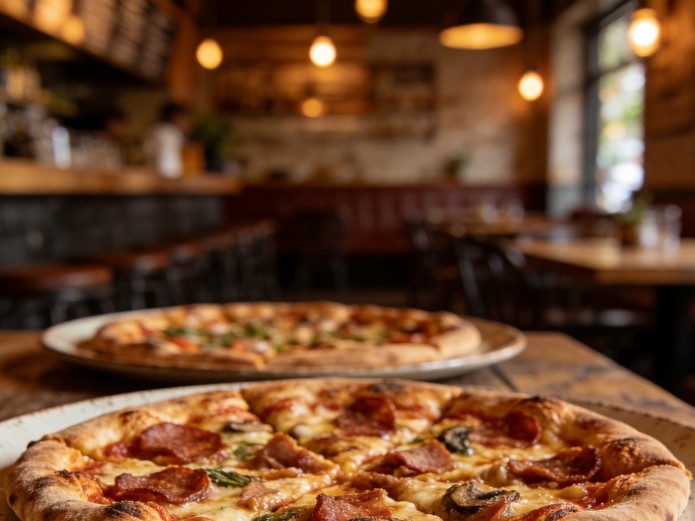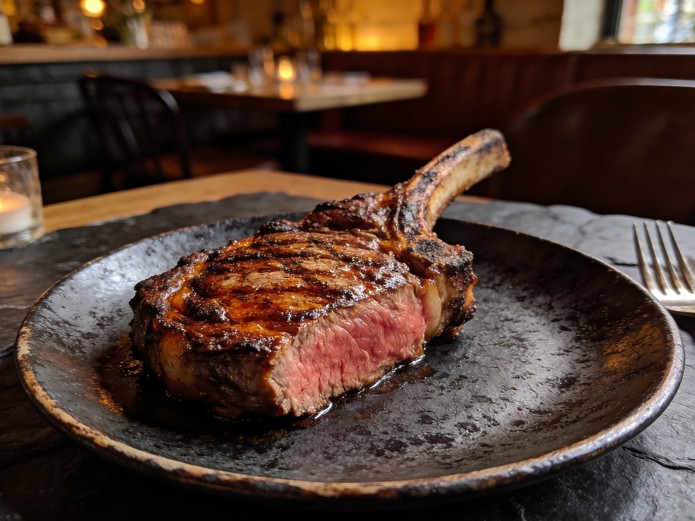
Steakhouse ceramic plates need thicker bodies and higher thermal mass than standard restaurant dinnerware because a 350g ribeye loses visible steam—and customer satisfaction—within 90 seconds on a thin plate. After ten years of sourcing ceramic for full-service restaurants, I have seen the same pattern repeat: operators buy standard 8mm commercial plates, serve sizzling steaks at 65°C, and watch guests complain that the meat is cold halfway through the meal. The problem is rarely the kitchen. It is the plate.
This guide covers the specifications that actually matter when sourcing steakhouse ceramic plates: thermal mass, body thickness, glaze heat tolerance, and weight-to-size ratios. You will get a decision table matched to different steakhouse concepts, a procurement checklist you can send directly to suppliers, and realistic cost and lead-time data based on current factory capacity in Chaozhou and Dehua.
Why Standard Dinnerware Fails in High-Heat Steakhouse Service
Most commercial-grade restaurant plates are 7–9mm thick and weigh 400–600g. They are designed for general-purpose service: pasta, salads, sandwiches, room-temperature proteins. When a steak comes off the grill at 60–70°C internal temperature and rests for three minutes, the surface temperature of the meat can still exceed 80°C. A thin plate cannot absorb and retain enough heat to slow the cooling curve.
The result is predictable. Within 60–90 seconds, the plate surface drops below 45°C. The steak, which radiates heat into the plate and the surrounding air, cools to lukewarm before the guest finishes the first third of the cut. In fine-dining steakhouses where checks average $80–150 per person, this is unacceptable.
Beyond temperature, standard plates also fail on durability. Repeated exposure to 80°C+ protein and occasional broiler finishing (plates warmed under salamanders) creates thermal stress at the glaze-body interface. Thin plates with high silica glazes develop hairline cracks within 6–12 months of daily steakhouse use. Replacement rates climb to 15–25% annually instead of the 5–8% typical for general-service dinnerware.
Thermal Mass and Heat Retention: The Core Specification
Thermal mass is the property that determines how long a plate stays warm. For steakhouse service, you want plates that act as passive heat reservoirs, not passive heat sinks. The key metric is specific heat capacity multiplied by mass. Ceramic stoneware has a specific heat capacity of roughly 0.8 J/g·K. A 1,200g plate therefore holds roughly twice the thermal energy of a 600g plate at the same preheat temperature.
In practical terms, here is what I specify when sourcing steakhouse ceramic plates:
- Pre-heat capability: Plates must withstand oven preheating to 120–150°C without glaze cracking or body warping. Not all commercial ceramics are rated for this.
- Target plate weight: 900g minimum for a 28cm dinner plate; 1,100g+ preferred for premium concepts.
- Body material: High-fired stoneware (1,200–1,280°C) or vitrified porcelain. Avoid earthenware entirely—it absorbs moisture and fails under thermal cycling.
- Surface temperature retention: After 5 minutes of holding a 65°C steak, the plate surface should still read above 40°C. [INTERNAL DATA REQUIRED: factory test protocol and measured data]
Some high-end steakhouses in the US and UAE now use plates with embedded induction-compatible metal layers or proprietary heat-retention cores. These are not standard ceramic and require separate sourcing channels. If you are sourcing from China, focus on mass and thickness first. Advanced thermal solutions add $8–15 per plate and extend lead times by 4–6 weeks.
Thickness, Weight, and Diameter: Sizing Steakhouse Ceramic Plates
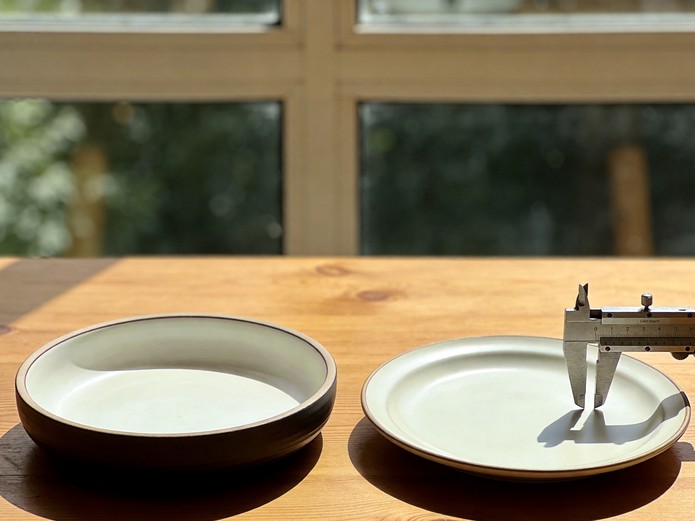
Thickness and weight are directly related, but they are not interchangeable. A wide, shallow plate can weigh 900g at only 8mm thickness because of its large surface area. That plate will not retain heat as well as a smaller, thicker plate of the same weight. You need to specify both dimensions together.
For steakhouse concepts, I use the following specification ranges:
- Dinner plate (main steak): 28–30cm diameter, 11–14mm body thickness, 900–1,200g weight. The extra thickness concentrates mass where the steak sits.
- Sharing platter (porterhouse, tomahawk): 32–36cm diameter, 10–12mm thickness, 1,300–1,600g. These are often rimmed or slightly dished to contain jus.
- Side plate (vegetables, potatoes): 20–22cm diameter, 9–11mm thickness, 450–600g. Can be standard commercial grade if not holding hot proteins.
- Appetizer plate: 18–20cm diameter, 8–10mm thickness, 350–500g. Standard commercial specifications are usually adequate.
One specification that buyers frequently miss is foot-ring height. A taller foot ring (12–18mm) creates an air gap between the hot plate and the table surface. This protects wood tables from scorching and reduces conductive heat loss. Specify foot-ring height in your purchase order. Most catalog sheets omit it.
Glaze Durability Under Searing Temperatures
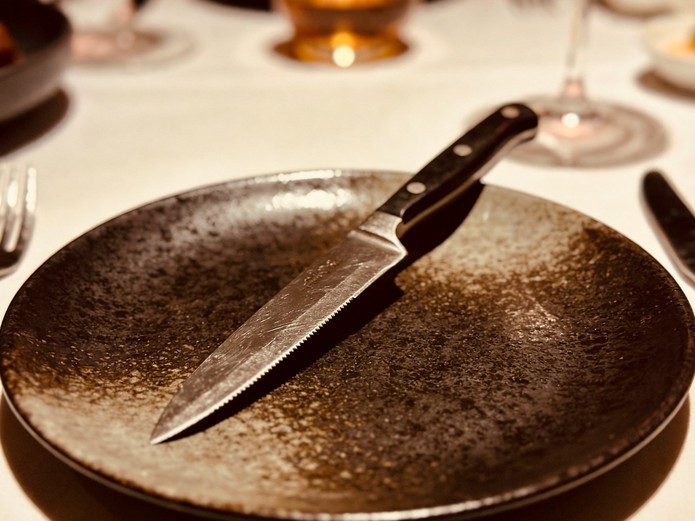
The glaze on a steakhouse plate takes more abuse than most buyers realize. High-temperature protein contact, acidic jus and red-wine reductions, metal utensil scraping, and rapid temperature shifts from preheat ovens to ambient dining rooms all stress the glaze layer.
Here is what to specify and verify:
- Glaze type: Matte or satin glazes generally outperform high-gloss glazes under thermal cycling. Gloss glazes with high lead content (even within FDA limits) are more prone to crazing when thermally stressed. [VERIFY BEFORE PUBLISHING]
- Metal-mark resistance: Steak knives leave gray streaks on soft glazes. Request ASTM C1027 or ISO 10545-16 abrasion resistance testing. A rating of 4 or higher is necessary for steakhouse service. [CERTIFICATE REQUIRED]
- Thermal shock rating: Specify compliance with ASTM C1525 or an internal protocol of 150°C to 20°C water quench without cracking. Not all stoneware passes this. Request test data before placing a deposit.
- Food-contact safety: FDA 21 CFR 175.300 and EU 1935/2004 compliance are baseline. For lead and cadmium, require test reports showing results below the detection limit, not just below the legal threshold. [VERIFY BEFORE PUBLISHING: reference FDA and EU limit values accurately]
A note on color: dark glazes—charcoal, slate, deep brown—are popular in modern steakhouses because they contrast with seared meat and reduce the visibility of utensil marks. However, dark glazes are harder to quality-control for consistency across batches. If you are ordering 2,000+ pieces, request a production sample from the middle of the kiln run, not just the first piece out.
Sourcing Decision Table: Plate Types by Steakhouse Concept
Not every steakhouse needs the same plate. A fast-casual grill chain with $18 entrees has different requirements from a $120-per-person dry-aged steakhouse. Use this table to match specifications to your concept.
| Concept Type | Plate Thickness | Weight (28cm) | Glaze Priority | Pre-Heat Required | Target FOB Price* |
|---|---|---|---|---|---|
| Premium fine-dining steakhouse | 13–14mm | 1,100–1,300g | Matte, metal-mark resistant | Yes, 120–150°C | $4.50–$7.00 |
| Casual grill / chop-house | 11–12mm | 900–1,100g | Satin, durable | Optional | $3.00–$4.50 |
| Fast-casual steak concept | 9–10mm | 700–900g | Standard commercial | No | $2.00–$3.00 |
| Hotel steak restaurant | 11–13mm | 950–1,200g | Metal-mark resistant | Yes | $3.50–$5.50 |
| BBQ / smokehouse | 12–14mm | 1,000–1,300g | Matte, rustic finish | Optional | $3.50–$5.00 |
*FOB prices are estimates based on Chaozhou factory quotes for orders of 1,500–3,000 pieces, single design, standard white or earth-tone glaze. Custom colors, embossed logos, or non-standard shapes add 15–30%. [INTERNAL DATA REQUIRED: current factory pricing validation]
The trade-off is straightforward: thicker, heavier plates cost more to produce, ship, and replace if broken. But they reduce food-return rates and extend replacement cycles. For a 120-seat steakhouse turning 1.5 times per night, the per-cover cost difference between a $3.00 plate and a $5.00 plate is roughly $0.02. If the better plate prevents even one returned steak per week, it pays for itself in under a month.
Three Common Mistakes When Ordering Steakhouse Plates
These are the errors I see most often when operators source steakhouse ceramic plates for the first time:
1. Specifying Only Diameter and Ignoring Thickness
A factory will quote you a 28cm plate at 8mm thickness if you do not specify otherwise. That plate is fine for a café. It is inadequate for a steakhouse. Always include thickness and minimum weight in your technical specification sheet.
2. Skipping Pre-Heat Testing on the Sample
Buyers often evaluate samples at room temperature. A plate that looks perfect on a conference table can crack the first time a sous chef runs it through a 150°C oven. Pre-heat your sample to 130°C, place a hot steak on it, and let it cool naturally. Repeat ten times. If the glaze shows hairlines, reject the sample and ask for a different body formulation.
3. Ordering Mixed Thicknesses Across the Table Setting
Some buyers source thick steak plates but pair them with thin side plates and bread plates from a different catalog. The visual mismatch is obvious to guests, and the thin plates crack faster when bussers stack them with the heavy steak plates. Source the full place setting from a single factory run with consistent body specifications.
Cost, Lead Time, and MOQ Expectations
Sourcing steakhouse ceramic plates from China follows the same timeline as general tableware, but the MOQ and mold costs differ because of the thicker body and higher kiln dwell time.
- MOQ: 1,000–1,500 pieces per design for standard shapes (round, rimmed round). Custom shapes or embossed patterns typically require 2,000–3,000 pieces. Some factories in Dehua accept 500-piece test orders for existing molds, but unit prices rise 20–30%.
- Mold cost: $300–$800 per mold for press-formed round plates. Slip-cast or complex shapes can reach $1,200–$2,500. Amortize this across your expected order volume.
- Lead time: 45–60 days for standard specifications with existing molds. Custom glazes or shapes add 2–3 weeks. Peak season (September–November before holiday shipping) can extend lead times by 10–15 days.
- Shipping: A 40-foot container holds approximately 8,000–10,000 dinner plates depending on thickness and packaging. Thicker steakhouse plates reduce piece count per container by 15–20% compared to standard plates. Factor this into your freight cost per piece.
- Payment terms: 30% deposit, 70% before shipment is standard. For orders above $15,000, some factories accept 30/40/30 splits with third-party inspection. [CASE STUDY REQUIRED: negotiation example]
If you are opening a new steakhouse and need plates within 8 weeks, your realistic option is to buy from a factory’s existing catalog with minor color customization. Full custom design requires 12–16 weeks minimum from first sketch to dock arrival.
Steakhouse Plate Procurement Checklist
Copy this checklist into your RFQ or send it directly to your shortlisted suppliers. Mark each item as confirmed before approving a sample.
| Check Item | Specification | Verified (Y/N) |
|---|---|---|
| Body material | High-fired stoneware or vitrified porcelain | ____ |
| Dinner plate thickness | 11–14mm (match concept type from table above) | ____ |
| Dinner plate weight (28cm) | 900–1,300g depending on concept | ____ |
| Foot-ring height | 12–18mm minimum | ____ |
| Glaze type | Matte or satin preferred; specify metal-mark resistance | ____ |
| Thermal shock test | 150°C to 20°C water quench, no cracks | ____ |
| Pre-heat rating | 120–150°C oven safe | ____ |
| Food-contact safety | FDA 21 CFR 175.300 + EU 1935/2004 compliant | ____ |
| Lead/cadmium test | Below detection limit (not just below legal limit) | ____ |
| Abrasion resistance | ASTM C1027 or ISO 10545-16, rating 4+ | ____ |
| Production sample | From middle of kiln run, not first piece | ____ |
| Place setting consistency | All pieces from same body batch | ____ |
| Packaging | Individual foam wrap + corrugated dividers | ____ |
| Defect rate acceptance | ≤2% AQL 2.5 or tighter | ____ |
Frequently Asked Questions
Can I use standard commercial plates if I pre-heat them?
Pre-heating helps, but standard 8mm plates still cool too quickly for steakhouse service. More importantly, many standard commercial plates are not rated for oven preheating to 120°C+. The glaze may craze or the body may warp after repeated thermal cycling. For steakhouses, specify plates designed for high-heat retention.
How much more do thick steakhouse plates cost to ship?
Thicker plates reduce container capacity by roughly 15–20%. For a full container load, this translates to approximately $0.15–$0.30 additional freight cost per plate, depending on the route and current rates. The increased durability and reduced replacement rate typically offset this within the first year.
Should I order plates with built-in heat retention technology?
Proprietary heat-retention cores and induction-compatible layers exist but add $8–15 per plate and extend lead times significantly. For most independent steakhouses and grill concepts, thick ceramic with proper preheating delivers sufficient performance at a fraction of the cost. Consider advanced technology only for ultra-premium concepts where plate cost is a small percentage of the check average.
What is the typical replacement rate for steakhouse plates?
With proper specifications, replacement rates should be 6–10% annually for high-use pieces (dinner plates, sharing platters). This is slightly higher than the 5–8% typical for general restaurant ceramics because of the thermal stress, but far lower than the 15–25% seen when operators use thin, inadequate plates. Side plates and appetizer plates usually match general-service replacement rates.
Can I get custom embossed logos on thick steakhouse plates?
Yes, but embossing on thick bodies requires deeper press molds, which increases mold cost by 30–50% and can slightly weaken the body at the embossed area. For steakhouse service, I recommend debossed (recessed) logos rather than raised embossing, as they are less prone to chipping under thermal stress. Minimum order for custom embossing is typically 2,000 pieces.
How do I verify a factory can actually produce thick plates consistently?
Request dimensional tolerance data from a recent production run: measure ten plates from the same batch and check thickness variation. A capable factory will hold ±1mm on body thickness. If the factory cannot provide this data, or if variation exceeds ±1.5mm, look elsewhere. Thickness consistency is critical for thermal performance.
Get steakhouse plate specifications and MOQ by style — send us your concept type, seating capacity, and target price range. We will match you to the right body specification and factory lead time.
Last updated: September 2026. Specifications and pricing reflect current factory conditions in Chaozhou and Dehua. Always verify test certificates and production samples before placing bulk orders.