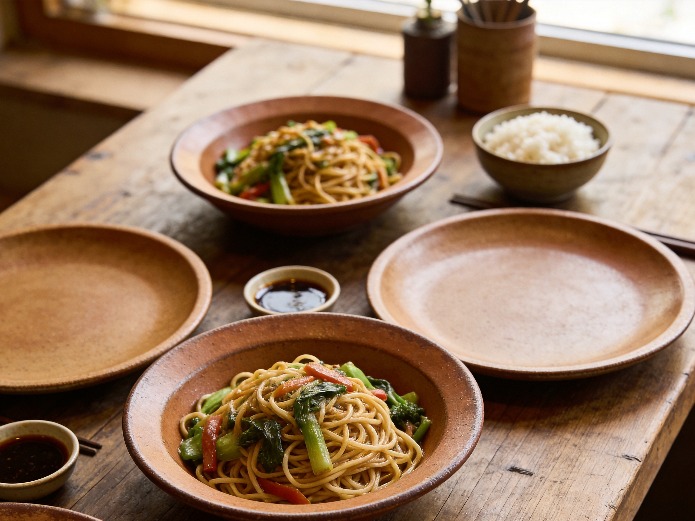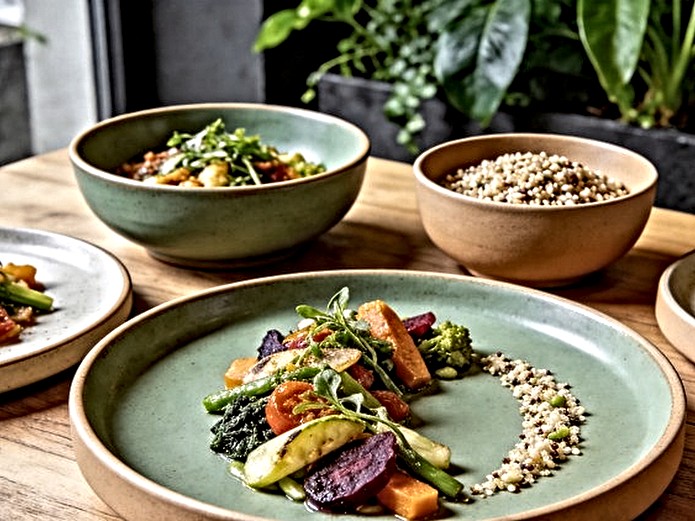
Plant-based restaurant ceramic tableware needs to balance earthy aesthetics with commercial-grade durability, because guests judge your values before they taste the food. The wrong plates can make a carefully plated quinoa bowl look like cafeteria food, while the right stoneware turns a simple vegetable carpaccio into an Instagram moment that drives reservations. This guide shows you how to source ceramic tableware that reinforces your plant-based brand identity without sacrificing the chip resistance and dishwasher safety your kitchen staff demands.
Why Plant-Based Concepts Need a Different Tableware Strategy
Standard white porcelain works for steakhouses and hotel banquet halls because it disappears visually and lets the protein dominate the plate. Plant-based restaurants face the opposite challenge: your food is already colorful and textured, but it can look flat or washed out against generic white china. More importantly, your tableware is part of the brand story. Diners choose plant-based concepts partly for the values alignment, and mismatched or overly industrial plates undermine that narrative.
The practical difference goes beyond looks. Plant-based menus serve more grain bowls, shared plates, and sauce-forward dishes than traditional restaurants. This means your bowls need deeper wells, your sharing plates need larger surface areas, and your saucers need to handle dressings that sit longer than meat juices. A steakhouse buys dinner plates. A plant-based concept needs a completely different shape portfolio.
Material Comparison for Plant-Based Dining Concepts
Not all ceramic materials communicate the same values or perform the same way under plant-based menu conditions. Here is a decision framework based on what we have seen work across independent vegan bistros and multi-location plant-based chains.
| Material | Aesthetic Fit | Durability | Weight | Typical MOQ | Lead Time | Best For |
|---|---|---|---|---|---|---|
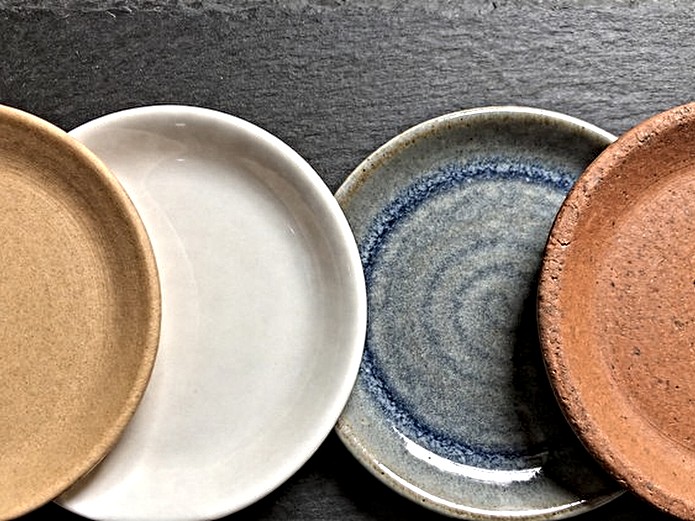
| Stoneware | Earthy, organic, matte finishes | High chip resistance | Medium-heavy | 500–1,000 pcs | 35–50 days | Casual plant-based cafes, bowl-focused menus |
| Porcelain | Clean, refined, glossy or matte | Moderate (thinner walls) | Light | 1,000–3,000 pcs | 45–60 days | Fine dining vegan concepts, tasting menus |
| Reactive Glaze Stoneware | Unique, artisanal, variable | High | Medium | 800–1,500 pcs | 40–55 days | Branded concepts wanting signature look |
| Earthenware | Rustic, terracotta tones | Low (porous, chips easily) | Medium | 300–800 pcs | 30–45 days | Decorative/service pieces only, not daily use |
Our recommendation for most plant-based restaurants is reactive glaze stoneware or matte stoneware in the 800–1,200 piece MOQ range. It gives you the earthy visual identity guests expect, survives commercial dishwashers, and costs less per piece than porcelain while allowing color customization that porcelain factories often resist for small runs.
Color Palettes and Glaze Finishes That Sell the Concept
The color choices for plant-based restaurants are not arbitrary decoration. They are part of the psychological contract you make with diners. Earth tones signal natural ingredients. Matte finishes suggest handmade care. Cool grays and sage greens evoke freshness without competing with the food.
Based on what we have seen across successful plant-based openings in North America and Europe, here are the palette strategies that work:
- Warm neutrals (sand, oatmeal, terracotta): Universal appeal, works across breakfast, lunch, and dinner menus. Photographs well under warm restaurant lighting. Hides minor staining from turmeric, beet, and tomato-based sauces better than white.
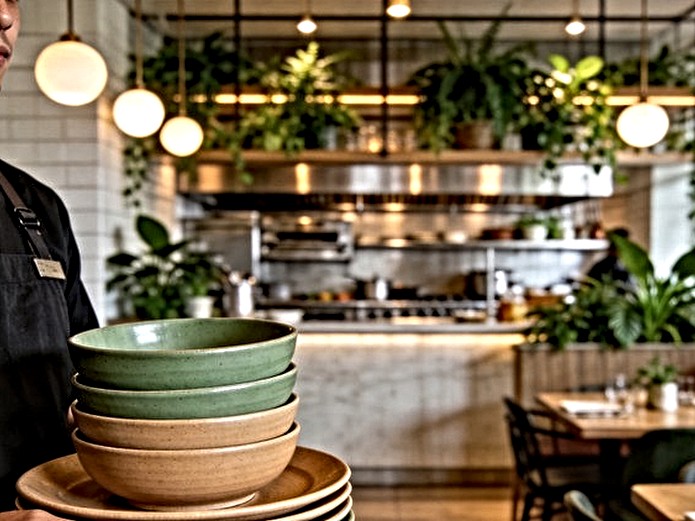
- Sage and moss greens: Directly reinforces the plant-based narrative. Use as accent colors on rim treatments or interior glazes rather than full plate coverage to avoid making green salads disappear visually.
- Charcoal and slate: Creates contrast for light-colored dishes like cauliflower steaks, coconut curries, and tofu preparations. Particularly effective for evening service and mood-lit dining rooms.
- Cream and ivory: A softer alternative to bright white. Still provides contrast for colorful vegetables but feels warmer and more natural than hotel-grade porcelain.
Avoid high-gloss pure white unless you are running a clinical, minimalist concept. It works for some fine dining vegan tasting menus, but for casual plant-based concepts it reads as generic and undermines the natural positioning.
Plate Shapes and Sizes for Vegetable-Forward Menus
Plant-based menus require a different plate geometry than meat-centric concepts. Grain bowls need containment. Shared mezze plates need surface area. Desserts in plant-based concepts often feature layered textures that benefit from shallow, wide bowls rather than flat plates.
Here is the shape portfolio we recommend for a full-service plant-based restaurant:
- Bowls (7–8 inch diameter, 2.5–3 inch depth): Your workhorse. Grain bowls, noodle soups, curry bowls, breakfast acai and smoothie bowls. The depth prevents sauce migration and keeps hot food warm longer.
- Shallow pasta bowls (9–10 inch diameter, 1.5 inch depth): Perfect for composed salads, pasta dishes, and anything with a sauce pool. The slight rim contains liquid while the wide surface shows off ingredients.
- Sharing platters (12–14 inch): Plant-based menus rely heavily on shared plates and tasting sequences. A large communal platter in earth tones turns a spread of hummus, roasted vegetables, and flatbread into a visual centerpiece.
- Small plates and saucers (5–6 inch): For appetizers, sides, and condiment service. Plant-based tasting menus often use 6–8 small courses; you need proportionate plateware.
- Dessert bowls (5 inch, 2 inch depth): Plant-based desserts like chia puddings, coconut mousses, and fruit compotes look better in bowls than on flat plates.
One practical note: avoid overly wide rimmed plates for saucy dishes. Plant-based sauces tend to be thinner than cream or butter-based reductions, and they migrate faster. A moderate rim with a slight depression in the center performs better than a flat plate with a decorative wide edge.
MOQ, Lead Time, and Budget Planning for Small-Batch Orders
Most plant-based restaurants opening their first location are ordering 150–400 covers, not the 1,000+ covers a hotel or steakhouse might need. This creates a tension: factories prefer larger MOQs, but your capital is limited and your storage space is probably minimal.
Here is how to structure your first order without overcommitting:
- Negotiate mixed-SKU MOQs: Instead of committing to 1,000 units of one bowl, ask for 1,000 units total across 4–5 SKUs. Most Chaozhou and Dehua factories accept this if the glazes are consistent across the line. This is standard practice for restaurant openings and factories expect the request.
- Order 1.5x your seat count for bowls, 1.2x for plates: Bowls break more often and are used for more menu items. Plates have more substitution flexibility. This ratio has held steady across the plant-based openings we have supported.
- Plan for a restock at 60 days: Do not try to buy 18 months of inventory upfront. Order what you need for launch plus a small buffer, then reorder once you know which items move fastest. Your cash flow will thank you.
- Budget $2.80–$5.50 per piece for stoneware, $4.50–$8.00 for custom-glaze porcelain: These are FOB Chaozhou ranges for commercial-grade, dishwasher-safe pieces in the 500–1,500 unit MOQ band. Prices below $2.20 usually indicate shortcut firing temperatures or thinner walls that will not survive commercial use.
Lead times for custom colors or reactive glazes run 45–60 days from deposit to FOB port. Stock colors in standard shapes can ship in 25–35 days. If you are opening in a seasonal market, place your order 75 days before your target opening date to account for shipping and customs clearance.
Quality and Safety Standards for Food-Contact Ceramics
Plant-based restaurants often attract health-conscious diners who ask detailed questions about materials and safety. Your tableware needs to meet the same standards as any commercial food-service ceramic, but the scrutiny may be higher because your brand promises purity and naturalness.
The standards you need to verify with any supplier:
- FDA Compliance (21 CFR 170-189): Required for US market entry. Specifically, verify compliance with lead and cadmium extractability limits for ceramic food-contact articles. [VERIFY BEFORE PUBLISHING: Current FDA limits for flatware are 3.0 micrograms/mL for lead and 0.50 micrograms/mL for cadmium; consult FDA CPG Sec. 545.400 for latest thresholds.]
- California Proposition 65: If you distribute or sell in California, your ceramics must meet Prop 65 warning requirements or test below safe harbor levels for lead and cadmium. [VERIFY BEFORE PUBLISHING]
- LFGB Compliance (EU Regulation 1935/2004): Required for European markets. Covers overall migration limits and specific migration limits for heavy metals from ceramic materials into food. [VERIFY BEFORE PUBLISHING]
- Dishwasher Safety: Not a legal standard, but a practical requirement. Ask your supplier for dishwasher cycle test data or plan to run your own 500-cycle test before full deployment. Glazes that craze or fade after 200 cycles will embarrass your brand.
Request test reports from your supplier before placing the production order. SGS, Bureau Veritas, and Intertek reports are the most commonly accepted. Do not accept a generic factory certificate; ask for batch-specific test data tied to the glaze formulation you are ordering.
Packaging and Sustainability Credentials
For plant-based restaurants, packaging matters almost as much as the product. A supplier who wraps your earth-tone stoneware in single-use plastic and foam undermines the story you are trying to tell.
Specify the following in your purchase order:
- Recycled cardboard dividers instead of foam inserts. Most factories can accommodate this with a 2–3 week lead time extension.
- Paper-based cushioning for fragile rim pieces. Kraft paper wrapping is standard in eco-conscious supply chains and costs roughly the same as plastic bubble wrap at factory-direct volumes.
- Palletized shipping with reusable corner protectors: Reduces breakage in transit and gives you reusable warehouse supplies.
- Packaging material disclosure: Ask your supplier to list all packaging materials used. Some factories use chemical-treated wood pallets that may not meet ISPM-15 standards for international shipping.
Breakage rates for well-packed ceramic shipments from Chaozhou to US West Coast ports typically run 1.5–3.0%. For plant-based restaurants ordering smaller volumes, even one broken platter in a 200-piece order is noticeable. Build a 3% contingency into your cover count.
Common Mistakes When Buying Ceramic Tableware for Vegan Concepts
We have seen these errors repeat across plant-based restaurant openings. Avoiding them will save you money and reputation:
Mistake 1: Choosing Earthenware for Daily Service
Earthenware looks rustic and natural, which fits the plant-based aesthetic perfectly. But it is porous, absorbs stains and odors, and chips under commercial handling. We have seen vegan bistros replace their entire earthenware set within eight months. Use earthenware for bread service, condiment dishes, or decorative pieces only. Daily tableware must be vitrified stoneware or porcelain.
Mistake 2: Ordering Colors Without Testing Under Your Lighting
A sage green plate that looks perfect under factory fluorescent lights can appear muddy under warm LED restaurant lighting. Always request physical samples and view them in your actual dining room during service hours before committing to a full order. The cost of a sample set is negligible compared to replacing 400 plates that photograph badly.
Mistake 3: Ignoring the Weight-to-Stacking Ratio
Thick stoneware bowls look substantial and feel premium, but if your servers carry four at a time, excessive weight slows service and increases drop risk. Test the ergonomics. A 300-gram bowl is manageable. A 500-gram bowl is not, especially when stacked four high. Specify target weights in your technical requirements document.
Plant-Based Restaurant Tableware Procurement Checklist
Use this checklist when evaluating suppliers or reviewing samples. Save it and send it to every factory you contact.
- Sample matches the color reference under restaurant lighting conditions
- Glaze passes 500-cycle dishwasher test without crazing, fading, or staining
- Lead and cadmium test reports provided for the specific glaze batch
- Weight per piece specified and tested for server ergonomics
- Mixed-SKU MOQ accepted across 4+ shapes with consistent glaze
- Packaging uses recycled cardboard dividers, no foam or single-use plastic
- Factory provides production timeline with milestones from deposit to FOB
- Defect rate warranty specified (target: under 2% for A-grade)
- Restock lead time confirmed for repeat orders of the same SKU
- Custom logo or rim treatment possible within the quoted MOQ
Cost, Quality, and Timeline Trade-Offs
You cannot optimize all three variables simultaneously. Here is how to think about the trade-offs:
If budget is tight: Choose stock-color stoneware in standard shapes from a Chaozhou factory. You sacrifice color uniqueness but get commercial-grade durability at $2.50–$3.50 per piece with 30-day lead times. Add visual distinction through plating technique rather than custom tableware.
If timeline is tight: Buy from a domestic wholesaler who stocks commercial-grade stoneware in earth tones. You will pay 40–60% more per piece and have limited customization, but you can receive inventory in 7–14 days. This is a reasonable bridge strategy while you wait for your custom factory order.
If brand differentiation is critical: Invest in custom reactive glaze development with a Dehua or Jingdezhen factory. Budget 60–75 days and $4.50–$7.00 per piece, but you will own a visual signature that competitors cannot replicate. This makes sense for concepts planning 3+ locations where the tableware becomes part of the brand asset.
FAQ
What is the minimum order for custom-colored stoneware?
Most Chaozhou factories accept custom color stoneware at 800–1,200 pieces per SKU. Some will negotiate mixed-SKU orders totaling 1,000–1,500 pieces across 3–5 shapes if the glaze is consistent. For reactive glazes or hand-applied finishes, expect 1,500–2,000 pieces minimum.
Can plant-based restaurants use the same tableware as conventional restaurants?
Technically yes, but visually it is a missed opportunity. White hotel-grade porcelain works fine functionally, but it does not reinforce the natural, sustainable positioning that drives plant-based dining choices. The tableware should feel like a deliberate design decision, not a default procurement choice.
How long does ceramic tableware last in a plant-based restaurant?
Commercial-grade stoneware lasts 3–5 years with normal use and proper dishwasher handling. Reactive glazes may show minor surface variation over time, which some operators consider character. Porcelain lasts longer but chips more visibly because the body color contrasts with the glaze. Plan to replace 15–20% of your inventory annually due to breakage and wear.
Are matte glazes safe for acidic plant-based sauces?
Matte glazes from reputable factories are fully vitrified and food-safe. The concern is with under-fired or improperly formulated matte glazes that remain slightly porous. Verify with your supplier that the matte glaze meets FDA or LFGB standards for acid contact. Request a specific test for acetic acid migration if your menu features heavy vinegar, citrus, or tomato-based sauces. [VERIFY BEFORE PUBLISHING]
Should I order samples before placing a full production order?
Absolutely. Order 2–3 sample sets from each shortlisted factory. Test them in your actual kitchen and dining room for at least two weeks. Run them through your dishwasher, stack them in your storage, and photograph your actual menu items on them. The $200–$400 you spend on samples will prevent a $4,000–$8,000 mistake.
How do I handle restocking when individual pieces break?
Keep a running inventory of breakage by SKU and reorder when any single item drops below 80% of your target cover count. Most factories can restock individual SKUs in 25–35 days if the glaze is a standard color. For custom colors, confirm restock MOQs before placing your initial order; some factories require 500-piece minimums for restocks even if your original order was mixed-SKU.
Your tableware is the first thing guests touch when they sit down. For plant-based restaurants, it is also a statement about your values. If you are opening a new concept or refreshing an existing one, we can review your design direction and confirm feasibility, MOQ, and timeline before you commit to production.
Submit your design for feasibility review — we typically respond within 48 hours with material recommendations, sample timelines, and MOQ options.