


Wine bar ceramic tableware must balance elegance with the practical demands of tasting flights, cheese pairings, and small-plate service. Unlike standard restaurant ware built around full dinner service, wine bar ceramics need compact footprints, neutral palettes that do not compete with wine color, and shapes that work on narrow tasting counters and high-top tables. This guide covers the piece types, material specs, and sourcing decisions that separate reliable wine bar suppliers from generalist vendors who simply shrink their restaurant lines.
Most wine bars operate with limited back-of-house space. Every plate, bowl, and board must earn its shelf space. The ceramics also face a unique wear pattern: frequent contact with acidic foods (cheeses, cured meats, pickled vegetables), repeated wiping between seatings, and handling by guests who may not treat delicate pieces carefully. Understanding these constraints before you source prevents the common trap of buying beautiful pieces that crack under real service conditions.
What Makes Wine Bar Ceramic Tableware Different from Standard Restaurant Ware
Standard restaurant ceramic tableware is designed around three-course meals with generous plate diameters, deep bowls for pasta or soup, and wide rims for sauce presentation. Wine bar service flips that model. Guests receive multiple small items across a session, often sharing across the table. The ceramics must accommodate this rhythm without cluttering limited surface area.
Three differences drive procurement decisions:
- Footprint: Wine bar tables and tasting counters are typically 24–30 inches in diameter. A 12-inch dinner plate consumes half the usable space. Wine bar plates usually run 6–8 inches, with boards and trays sized to hold 3–5 tasting items without crowding.
- Acid resistance: Cheese, charcuterie, and pickled accompaniments are acidic or fatty. Glazes that hold up to tomato sauce may etch or stain under prolonged contact with aged cheese oils or vinegar-based preserves.
- Temperature stability: Tasting rooms in wine-growing regions experience wide temperature swings. Ceramics stored in cold cellars and brought into warm tasting rooms must resist thermal shock from rapid temperature changes.
These constraints mean you cannot simply order from a standard restaurant catalog and expect optimal results. A supplier who understands wine bar service will offer piece types, glaze formulations, and stacking profiles specifically developed for this segment.
Essential Piece Types for Wine Bars and Tasting Rooms
Wine bar ceramic tableware breaks down into six core categories. Not every venue needs all six, but most operate with at least four. The table below maps piece types to typical use cases, diameter ranges, and recommended minimum order quantities for a first purchase.
| Piece Type | Typical Use | Diameter / Size | Recommended First MOQ | Est. Unit FOB Price |
|---|---|---|---|---|
| Tasting plate | Individual cheese or charcuterie portions | 6–7 in / 15–18 cm | 120–240 pcs | $1.80–$3.50 |
| Cheese board / slate-style platter | Shared cheese or charcuterie presentations | 10–12 in / 25–30 cm | 60–120 pcs | $4.50–$8.00 |
| Small bowl (dip / olive) | Olives, nuts, tapenade, jam | 3.5–4.5 in / 9–11 cm | 120–240 pcs | $1.20–$2.40 |
| Bread plate | Baguette slices, crackers, bread service | 5–6 in / 13–15 cm | 120–240 pcs | $1.50–$2.80 |
| Tasting flight tray (ceramic base) | Holds 3–5 tasting glasses plus small bites | 14–16 in / 35–40 cm | 40–80 pcs | $7.00–$14.00 |
| Dessert plate | Chocolate, tart, or cheese-cake pairings | 6–7 in / 15–18 cm | 80–160 pcs | $1.80–$3.20 |
Note: FOB prices are estimates based on mid-2026 white-body porcelain with standard commercial glaze. Custom colors, embossed logos, or reactive glazes add 15–40 percent. Prices vary by factory location and order volume. [VERIFY BEFORE PUBLISHING]

The tasting plate is the workhorse of most wine bars. It sees the highest turnover and the most abuse. Prioritize durability here over visual flair. The cheese board, by contrast, is your presentation piece. Guests photograph shared boards. Investing in a distinctive glaze or edge detail on this piece type pays marketing dividends.
Tasting flight trays with ceramic bases are a specialized category. Some suppliers offer ceramic trays with built-in glass holders; others sell ceramic bases designed to pair with standard flight boards. Clarify which configuration a supplier offers before sampling. Mixed-material trays often have different MOQ and lead time requirements than pure ceramic pieces.
Material and Glaze Specifications That Matter
Wine bar ceramic tableware spends more time in contact with acidic and fatty foods than standard restaurant ware. The glaze formulation is not a cosmetic afterthought. It is the primary barrier between the ceramic body and the substances that will stain or degrade it.
Three glaze properties deserve attention during supplier evaluation:
- Acid resistance (ISO 6486-1 or ASTM C738): Tests measure lead and cadmium leaching under acidic contact. For wine bar service, request acid-resistance test data specifically, not just general food-contact compliance. [VERIFY BEFORE PUBLISHING]
- Stain resistance to oil-based contact: Aged cheeses and cured meats leave oil residues that can penetrate micro-cracks in poorly formulated glazes. Matte glazes are particularly vulnerable. Request oil-stain test reports or run your own 48-hour aged cheddar contact test on samples.
- Thermal shock resistance: Ceramics moved from cold storage to warm service areas must withstand temperature differentials of 80–120°C without cracking. Look for thermal shock test data or specify bodies with low thermal expansion coefficients (under 4.0 × 10⁻⁶/°C for porcelain). [VERIFY BEFORE PUBLISHING]
Body material choice also matters. High-alumina porcelain offers the best combination of strength, low porosity, and thermal stability for wine bar service. Stoneware is acceptable for cheese boards and presentation pieces that see gentler handling, but porcelain is the safer default for high-turnover tasting plates and small bowls.
Color selection has practical implications beyond aesthetics. Dark glazes (navy, charcoal, forest green) hide wine stains and food residue between seatings. Light glazes (cream, soft white) show wine color more attractively in photography but require more frequent inspection. A common strategy is dark glazes for back-bar service pieces and light glazes for guest-facing presentation boards.
Sizing and Stacking for Tight Storage Spaces
Wine bar back-of-house areas are notoriously cramped. A stack of 50 standard dinner plates might occupy 18 inches of shelf height. The same count of wine bar tasting plates, if poorly designed, can still consume 12–14 inches. Every inch matters.
Stacking efficiency depends on three design factors:
- Foot ring height: A shallow foot ring (under 4 mm) allows plates to nest more tightly. Deep foot rings create air gaps that multiply across a tall stack.
- Rim profile: Flat or slightly downturned rims stack more efficiently than upturned or rolled rims. Rolled rims add 2–3 mm per piece.
- Body wall thickness: Thinner walls (3.5–4.5 mm for porcelain) reduce stack height without sacrificing strength if the body is high-quality.
Before placing a bulk order, request a stack height sample. Ask the supplier to send five pieces of each type and measure the stack height yourself. A difference of 2 mm per piece becomes 100 mm across a 50-piece stack. That is the difference between fitting on an existing shelf and needing a new storage solution.
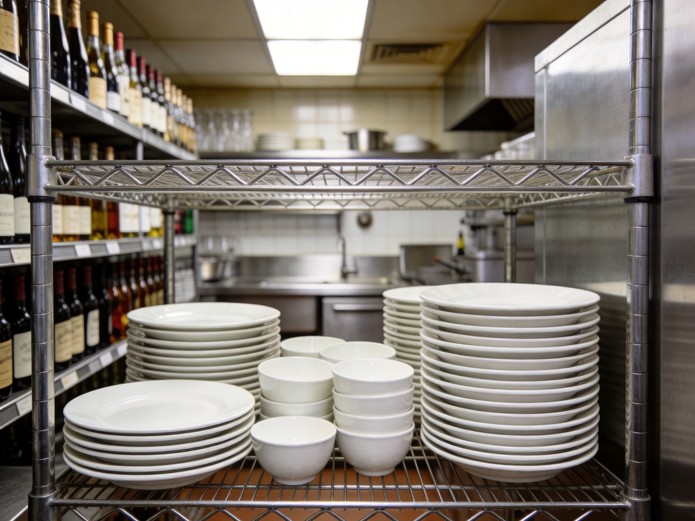
Our stackable ceramic tableware guide covers universal stacking principles in more detail. For wine bars specifically, prioritize suppliers who offer mixed-piece storage recommendations. Some factories design tasting plates, bread plates, and small bowls to share compatible diameters, allowing nested storage that saves 20–30 percent of shelf space compared to mismatched sets.
MOQ, Lead Time, and Pricing for Wine Bar Orders
Wine bar orders are smaller than full-restaurant fit-outs but more complex than simple reorders. A typical first order for a 60-seat wine bar includes four to six piece types in quantities of 80–200 each. This puts the order in a middle zone: large enough to negotiate pricing, but small enough that some factories impose higher per-piece rates or refuse the order entirely.
Here is the trade-off landscape you will encounter:
| Decision | Lower Cost Option | Higher Cost Option | Quality / Risk Trade-off |
|---|---|---|---|
| Order size vs. per-piece price | Combine with another venue or accept higher per-piece rate | Hit factory MOQ (often 500+ per SKU) | Combining orders adds coordination overhead. Missing MOQ adds 10–25% to unit cost. |
| Standard vs. custom glaze | Use factory stock glaze colors | Custom color matching to brand | Stock glazes ship faster (4–6 weeks) and cost less. Custom glazes add 3–4 weeks and $200–$500 in color-development fees. [VERIFY BEFORE PUBLISHING] |
| Single vs. mixed shipment | Consolidate all pieces into one shipment | Split shipment by piece type | Consolidation reduces freight cost but delays delivery if one piece type is back-ordered. Split shipments cost more but let you open sooner. |
| Air vs. sea freight | Sea freight (30–45 days) | Air freight (7–12 days) | Sea freight saves 60–70% on shipping for ceramic weight. Air freight is only viable for urgent sample orders or opening-stock shortages. |
Lead times for wine bar ceramic tableware typically run 6–10 weeks from order confirmation to ex-factory, assuming stock glazes and no custom molds. Add 3–4 weeks for custom color development and 2–3 weeks for sea freight to major ports. Plan your first order 14–16 weeks before opening. Reorders of existing SKUs typically ship in 4–6 weeks if the factory maintains your glaze recipe on file.
Payment terms for first orders from new buyers usually run 30 percent deposit, 70 percent against copy of B/L. Repeat customers with 12+ months of payment history can often negotiate 30-day open terms or letter-of-credit arrangements. Avoid suppliers who demand 100 percent upfront for first orders. That structure removes your leverage if quality issues arise.
Common Sourcing Mistakes Wine Bar Buyers Make
After ten years of sourcing ceramic tableware for hospitality clients, I see the same errors repeat across wine bar openings. These three mistakes are the most expensive:
Mistake 1: Ordering Plates That Are Too Large for the Tables
A 10-inch plate looks elegant in a catalog photograph. On a 26-inch high-top table shared by two guests with wine glasses, bread plates, and shared boards, it leaves no room for elbow clearance. Measure your actual table surfaces before ordering. Subtract 4 inches for wine glass base clearance and 2 inches for shared board space. The remaining diameter is your maximum practical plate size. For most wine bars, that number is 7 inches or less.
Mistake 2: Choosing Matte Glazes for High-Turnover Pieces
Matte glazes photograph beautifully and feel premium in the hand. They also stain more easily than glossy glazes, show knife marks from bread service, and require more aggressive scrubbing that accelerates surface wear. For tasting plates and small bowls that turn three to four times per evening, specify glossy or satin glazes with a minimum 110-degree gloss reading. Reserve matte finishes for low-turnover presentation pieces like cheese boards.
Mistake 3: Ignoring the Weight-to-Fragility Ratio
Lightweight ceramics are easier for staff to carry in volume but often indicate thinner walls and lower impact resistance. Heavy ceramics feel premium but tire servers during busy shifts and increase shipping costs. The sweet spot for wine bar tasting plates is 280–380 grams per piece for 6.5-inch porcelain plates. Request weight specifications with your sample order and test drop resistance from counter height onto a hard floor. [FACTORY PHOTO REQUIRED]
Pre-Delivery Quality Checklist
Use this checklist during sample evaluation and again during pre-shipment inspection. Do not skip the sample stage. Wine bar ceramics have unique requirements that standard restaurant QA checklists miss.
| Check | Method | Pass Standard |
|---|---|---|
| Dimensional accuracy | Measure 10 random pieces with calipers | All within ±2 mm of specification |
| Stack height consistency | Stack 20 pieces, measure total height | Variation under 5 mm across the stack |
| Glaze coverage completeness | Visual inspection under bright light | No bare spots, pinholes, or thin areas on food-contact surfaces |
| Acid resistance spot test | Apply lemon juice, leave 4 hours, wipe | No visible etching, dulling, or color change |
| Oil stain resistance | Apply olive oil, leave 24 hours, wash | No residual stain or darkening after standard washing |
| Thermal shock spot test | Move from freezer (-18°C) to hot water (85°C) | No cracks, crazing, or audible pings after 3 cycles |
| Drop test | Drop from 90 cm onto concrete or tile | No chips or cracks on 8 of 10 pieces |
| Foot ring flatness | Place on glass surface, check wobble | No visible rocking on flat surface |
| Edge smoothness | Run finger along rim and foot ring | No sharp edges, burrs, or glaze drips |
If a sample fails any of these checks, address the issue before placing the production order. Do not accept verbal assurances that “the production batch will be better.” Suppliers who cannot produce acceptable samples rarely improve at scale.
For larger orders, consider hiring a third-party inspector to run this checklist at the factory before shipment. The inspection fee (typically $250–$400 per man-day) is cheap insurance against receiving a container of pieces that do not meet your service requirements. [CERTIFICATE REQUIRED]
FAQ
Can I use standard restaurant plates for a wine bar?
You can, but you will compromise on table space and service efficiency. Standard 9–10 inch dinner plates crowd wine bar tables and force guests to rearrange glasses and shared boards repeatedly. Wine bar-specific pieces are sized for small-plate service and designed to stack in tight storage. The modest premium (often 10–15 percent) pays back in faster table turns and fewer broken pieces.
How often should wine bar ceramic tableware be replaced?
High-turnover tasting plates and small bowls typically last 18–24 months in daily service before visible wear affects presentation. Cheese boards and presentation pieces, handled more gently, often last 3–4 years. Track breakage rates monthly. When breakage exceeds 3 percent of inventory per month, it is time to reorder. [INTERNAL DATA REQUIRED]
What is the minimum viable order for a new wine bar?
A 50-seat wine bar needs approximately 2.5 turns of core pieces per seating. That translates to 125–150 tasting plates, 80–100 small bowls, 60–80 bread plates, and 40–60 cheese boards for opening stock. Add 20 percent buffer for breakage during the first three months. Most factories will accept a combined order of 400–500 total pieces across multiple SKUs even if individual SKU MOQs are higher.
Should I source wine bar ceramics from the same factory as my glassware?
Generally no. Ceramic and glass manufacturing require completely different equipment, kilns, and expertise. A factory that excels at hand-blown wine glasses is unlikely to produce competitive ceramic tableware, and vice versa. The exception is mixed-material tasting flight trays. Some wood-and-ceramic tray suppliers also source glass holders. In that case, confirm which partner factory produces the ceramic component.
Do wine bar ceramics need special certifications beyond standard food contact?
Standard FDA or EU food-contact compliance covers the baseline requirement. Some jurisdictions with strict health codes (California Prop 65, specific European member states) may require additional lead and cadmium test documentation. If you operate in or ship to these markets, request test reports that specifically name your target jurisdiction. Generic “ISO-compliant” statements are not sufficient for import clearance in regulated markets. [VERIFY BEFORE PUBLISHING]
How do I handle custom branding on wine bar ceramics?
Embossed logos on the foot ring or underside of plates are the most durable branding method for high-turnover pieces. They survive dishwashing and daily handling without wear. Printed or decal logos on the glaze surface fade or chip within months in commercial service. Budget $150–$300 for embossing die creation and a 7–10 day addition to lead time. [VERIFY BEFORE PUBLISHING] For full custom design services, see our OEM and ODM capabilities.
Need help selecting the right wine bar ceramic tableware for your tasting room? Request a sample set with tasting plates, cheese boards, and small bowls in the glazes and sizes that match your service style. We ship evaluation sets to wine bars and tasting rooms worldwide.


