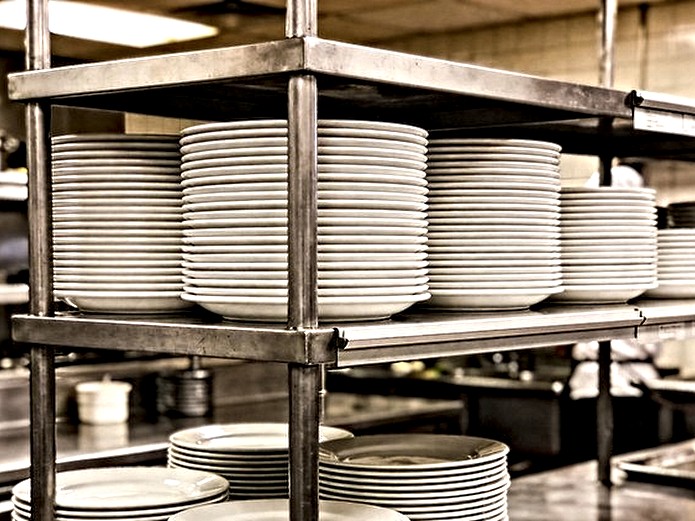
Stackable ceramic tableware can reduce your commercial kitchen shelf space by up to 40 percent while cutting edge-chip damage from poorly designed plates. If you run a restaurant, hotel, or catering operation, you have probably lost plates to careless stacking or run out of dry-storage room during a busy season. This guide shows you what to look for in stackable ceramic tableware, how foot ring design affects stability, and how to test plates before committing to a bulk order.
Why Stackability Matters More Than You Think
Most buyers evaluate ceramic plate sizes by glaze finish, weight, and price. Stackability rarely makes the checklist, yet it determines how much space you need, how fast your staff can set tables, and how many plates you replace each quarter due to edge chips.
A standard 10-inch dinner plate with a flat base sits directly on the plate below it. When you stack ten of these, the weight of the top nine plates presses down on the bottom one. If the foot ring is shallow or poorly centered, the rim of the lower plate carries the load. Over time, micro-fractures form around the rim, leading to visible chips and cracks. Stackable ceramic tableware solves this by transferring weight through the foot ring to the center of the plate below, keeping rim contact minimal.
Here is what poor stackability costs you in real terms:
- Storage space: A non-stackable plate needs roughly 15-20 mm of vertical shelf space per piece. A well-designed stackable plate reduces that to 8-12 mm, effectively doubling your shelf capacity.
- Replacement rate: Plates that chip at the rim need replacement every 12-18 months in high-volume settings. Stackable designs can extend that to 24-36 months.
- Labor time: Staff spend less time restocking and rearranging unstable towers of plates.
Foot Ring Design: The Engineering Behind Stable Stacking
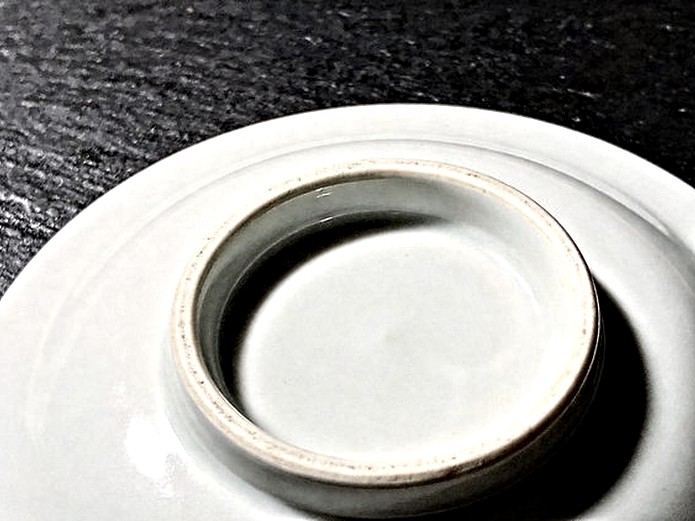
The foot ring is the raised ceramic band on the underside of a plate. Its diameter, height, and surface flatness control how securely one plate nests inside another. Not all foot rings are created equal, and small differences change stack stability dramatically.
Foot ring diameter: A foot ring that is too narrow creates a high center of gravity. A tower of plates with narrow foot rings wobbles and topples easily. For a 10-inch dinner plate, a foot ring diameter of 5.5 to 6.5 inches provides the best balance between stability and usable surface area. For salad plates (7-8 inches), 4 to 4.5 inches works well.
Foot ring height: The height of the foot ring determines how much the plate above clears the plate below. A height of 4-6 mm is typical for commercial stackable ceramic tableware. Less than 3 mm and the glaze surfaces may touch, risking scratches. More than 7 mm and the stack becomes too tall for standard kitchen shelving.
Surface flatness: The bottom of the foot ring must be flat and smooth. A wavy or uneven foot ring creates point-contact pressure that can crack the glaze of the plate below. When you inspect samples, place a plate on a flat surface and press down on opposite edges. If it rocks, the foot ring is uneven.
Glaze coverage: Some manufacturers glaze the entire underside of the plate, including the foot ring. Others leave the foot ring unglazed (biscuit). Unglazed foot rings provide better friction and reduce sliding, but they absorb moisture in dishwashing and can leave marks on the plate below. Glazed foot rings look cleaner but may be slippery when wet. For commercial kitchens with conveyor dishwashers, a partially glazed foot ring with a rough biscuit contact strip often works best.
How Many Plates Can You Actually Stack?
The safe stack height depends on plate size, foot ring design, and the surface you are stacking on. Here is a practical reference table based on common commercial ceramic tableware specifications:
| Plate Type | Diameter | Safe Stack Height | Vertical Space per Plate |
|---|---|---|---|
| Dinner plate, standard flat base | 10-11 in | 8-10 pieces | 15-20 mm |
| Dinner plate, stackable foot ring | 10-11 in | 15-20 pieces | 8-12 mm |
| Salad plate, stackable | 7-8 in | 20-25 pieces | 6-10 mm |
| Soup bowl, stackable | 6-7 in | 12-15 pieces | 18-25 mm |
| Dessert plate, stackable | 6-7 in | 25-30 pieces | 5-8 mm |
These numbers assume stacking on a flat, stable shelf. If your storage area has wire shelving or uneven surfaces, reduce the stack height by 20-30 percent. For transport, such as moving plates from dishwashing to the line, never stack more than 8-10 pieces regardless of design. Vibration and motion multiply the risk of edge contact.
Edge Protection: Preventing Chips During Storage and Transport
Even with excellent foot ring design, plates can chip if the rim design does not protect the edge. There are three common rim styles in commercial ceramic tableware, and each offers a different level of edge protection:
Rolled rim: The edge curls slightly downward and inward. This is the most chip-resistant style because the rim thickness is greatest at the point of contact. Rolled rims also feel comfortable in the hand during service. The trade-off is a slightly heavier plate and a rim that can pool liquid during plating.
Flat rim: The edge is a straight 90-degree cut. Flat rims look modern and clean, but the edge is thin and vulnerable to chipping. Flat-rim plates should only be stacked with separators or at very low heights (under 6 pieces). If you prefer the flat-rim look for presentation, consider keeping a separate set for display and a rolled-rim set for daily service.
Beaded rim: A small raised bead runs around the outer edge. This creates a contact point that lifts the main rim surface away from the plate below. Beaded rims offer a middle ground between rolled and flat: better chip resistance than flat, lighter than rolled, and they work well with stackable foot ring designs.
When evaluating samples, run your finger along the rim. A sharp or thin edge will chip within months in a commercial setting. A rounded or thickened edge will last significantly longer, even when staff handle plates quickly.
Stackable Ceramic Tableware by Restaurant Type
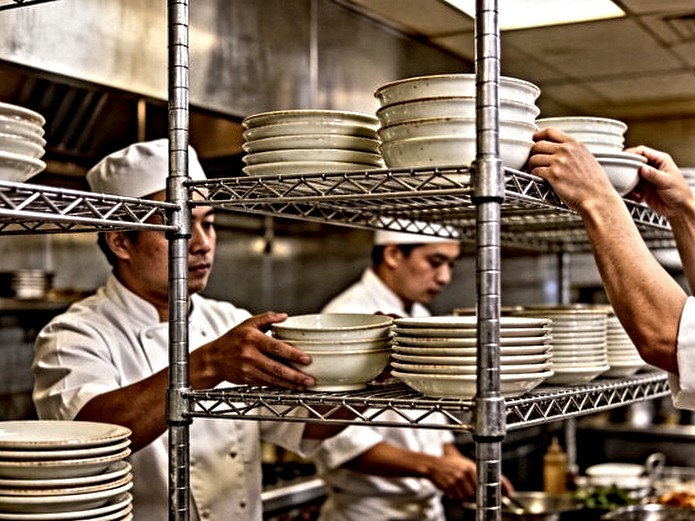
Different operations place different demands on stackable ceramic tableware. Here is how to match stackability features to your specific environment:
Fast-casual and quick-service restaurants: Speed matters more than presentation finesse. Choose plates with deep foot rings (5-6 mm) and rolled rims that can survive rapid stacking by hourly staff. Prioritize stack height over weight. A stackable 10-inch plate that nests to 10 mm per piece lets you store 50 plates in the same shelf space that holds 25 standard plates. See our fast casual ceramic tableware guide for more on high-volume sourcing.
Fine dining: Presentation is paramount, so you may prefer flat or minimally rolled rims. In this case, stackability becomes a storage-only feature. Use lower stack heights (6-8 pieces) with felt or silicone separators between plates. The foot ring still matters because it prevents the base of one plate from scratching the glaze of another. Read our fine dining ceramic tableware guide for presentation-focused options.
Catering and banquet operations: You transport plates between kitchen and venue repeatedly. Choose stackable ceramic tableware with wide foot rings (6+ inches for dinner plates) and beaded rims. The wide base prevents tipping during transport, and the bead protects edges when plates shift in transit boxes. Our catering ceramic tableware guide covers transport and volume sourcing in detail.
Hotels with room service: Space is tight in room-service pantries. Stackable designs that reduce vertical space by 40 percent free up room for other items. Look for plates with glazed foot rings that will not leave moisture marks on carpeted tray surfaces. See our hotel tableware guide for hospitality-specific recommendations.
Testing Stackability: A Buyer’s Field Checklist
Before you place a bulk order, test the samples yourself. Factory claims about stackability do not always match real-world performance. Use this checklist during your sample evaluation:
- Stack 15 plates on a flat surface. Does the tower lean or wobble? A slight lean after 10 plates indicates poor foot ring centering.
- Press down on the top plate with moderate force (about 5 kg). Do any lower plates make a grinding or clicking sound? That sound means rim-to-rim contact.
- Slide the top plate horizontally while the stack is under light pressure. If it moves easily, the foot ring is too smooth or too narrow.
- Examine the underside of the bottom plate after 24 hours under a full stack. Are there glaze marks, scratches, or pressure rings? Any damage here will worsen with repeated use.
- Run a dry cloth over the rim of the bottom plate. Does it catch on sharp points? Micro-chips start at these contact points.
- Measure the total height of a 10-plate stack and divide by 10. Compare this to your current plates. A reduction of 30 percent or more is a meaningful improvement.
Request samples of at least two competing designs and run the same tests side by side. The differences become obvious quickly, and the data gives you leverage in price negotiations.
Cost Trade-Offs: Stackable vs. Standard Design
Stackable ceramic tableware usually costs 5-15 percent more per piece than standard flat-base plates. The mold is more complex, the foot ring requires additional forming time, and quality control is stricter. Whether the premium pays off depends on your operating conditions.
| Factor | Standard Flat-Base Plate | Stackable Foot-Ring Plate |
|---|---|---|
| Unit price | Baseline | +5-15% |
| Shelf space per 100 plates | 1.5-2.0 m linear | 0.8-1.2 m linear |
| Replacement cycle (high volume) | 12-18 months | 24-36 months |
| Edge chip rate (annual) | 8-12% of inventory | 3-5% of inventory |
| Transport damage (catering) | Higher | Lower |
| Staff handling speed | Slower (unstable stacks) | Faster (stable towers) |
If you operate in a city where commercial kitchen rent is high, the shelf-space savings alone can justify the premium within a single year. If you are a rural catering company with ample storage, the benefit is mainly in reduced replacement rates and faster setup times at events.
One common mistake is ordering stackable plates without checking whether they fit your existing shelving. A plate that stacks to 10 mm per piece is worthless if your shelf spacing is fixed at 200 mm and you cannot fit an extra row. Measure your shelves before you order.
Another cost factor is MOQ. Stackable designs sometimes require a separate mold, which means the factory may ask for a higher minimum order or a mold fee for custom shapes. Standard round plates usually have the lowest MOQ because factories keep the molds in regular rotation. If you need a custom diameter or rim profile, budget for a one-time mold development cost and plan your production timeline accordingly. For custom ceramic tableware options, confirm whether the factory has an existing stackable mold in your size before committing to new tooling.
Request Our Stackable Plate Specification Sheet
If you are ready to source stackable ceramic tableware for your operation, we can provide a detailed specification sheet with foot ring dimensions, stack height ratings, and MOQ by plate size. Contact our team to request the stackable plate specification sheet for your product category.
FAQ
Do stackable plates look different from regular plates when served?
Not if the design is done well. The foot ring is on the underside and invisible to diners. The only visible difference may be a slightly thicker rim on rolled-edge designs, which most guests do not notice.
Can all ceramic materials be made stackable?
Stoneware and porcelain both work well. Bone china is lighter and more delicate, so deep foot rings can make thin walls prone to cracking during firing. If you prefer bone china, ask for a shallow foot ring (2-3 mm) and keep stack heights conservative.
How do I clean stackable plates without damaging the foot ring?
Standard commercial dishwasher cycles are fine. Avoid stacking wet plates immediately after washing; the moisture trapped between glazes can cause suction that makes separation difficult and increases slip risk. Let plates air-dry for 10-15 minutes before restacking.
Will stackable plates work in my existing plate warmers?
Check the clearance. Stackable plates with deep foot rings may sit slightly higher in the warmer rack. If your warmer has fixed dividers, measure a sample plate before ordering in bulk. Most modern warmers with adjustable racks accommodate both styles.
Can I mix stackable and non-stackable plates in the same order?
Yes, and many buyers do. Use stackable plates for high-volume items like dinner and salad plates, and standard plates for specialty serveware that sits on display rather than in tall stacks. Just make sure your staff can tell them apart to avoid unstable mixed stacks.
What is the typical MOQ for stackable ceramic tableware?
For standard round plates using existing factory molds, MOQ is usually 500-1,000 pieces per size. For custom diameters, rim profiles, or glaze colors, expect 2,000-3,000 pieces or a mold fee. Always confirm whether the factory counts the total order across multiple sizes or requires a per-size minimum.