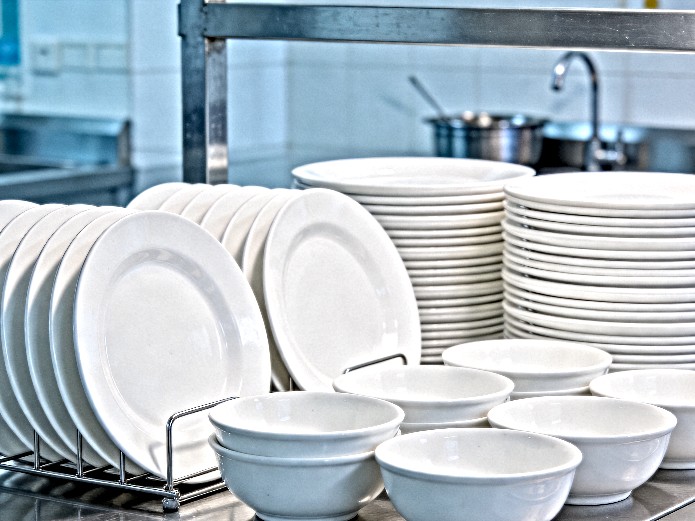
Ceramic factory audit is one of the most critical steps in the B2B tableware sourcing process. Whether you are importing ceramic plates, bowls, mugs, or full dinnerware sets, visiting and evaluating a factory before placing a bulk order can save thousands of dollars in defects, delays, and compliance issues. A thorough ceramic factory audit helps buyers verify production capacity, quality control systems, certification compliance, and ethical manufacturing practices — all of which directly impact your bottom line and brand reputation.
Yet many importers and procurement managers skip this step, relying on samples and certificates alone. The reality is that a well-executed ceramic factory audit reveals far more than any document can: actual working conditions, real production workflows, equipment maintenance standards, and the factory’s genuine commitment to quality. This comprehensive guide provides a step-by-step ceramic factory audit checklist designed specifically for B2B tableware buyers, wholesalers, and hospitality procurement teams.
Why a Ceramic Factory Audit Is Essential for Bulk Buyers
A ceramic factory audit serves as your first line of defense against supplier risk. When sourcing tableware in bulk — typically 5,000 to 100,000+ pieces per order — even a small defect rate can translate into significant financial loss. Here is why a proper ceramic factory audit should be non-negotiable:
- Quality verification: Confirm that the factory’s actual production standards match their marketing claims and sample quality.
- Capacity assessment: Ensure the factory can handle your order volume within the required timeline without subcontracting to unknown third parties.
- Compliance validation: Verify certifications (FDA, LFGB, SGS, ISO) are current, properly implemented, and not just displayed on the wall.
- Cost transparency: Understand the real cost structure and identify areas where pricing can be negotiated without compromising quality.
- Risk mitigation: Identify potential red flags — from poor warehouse management to inadequate kiln temperature controls — before they affect your order.
For buyers evaluating multiple suppliers, a ceramic factory audit also provides a standardized framework for comparison. Rather than relying on gut feeling or sales presentations, you get objective data to make informed decisions. Explore our sourcing guides for more strategies on supplier evaluation.
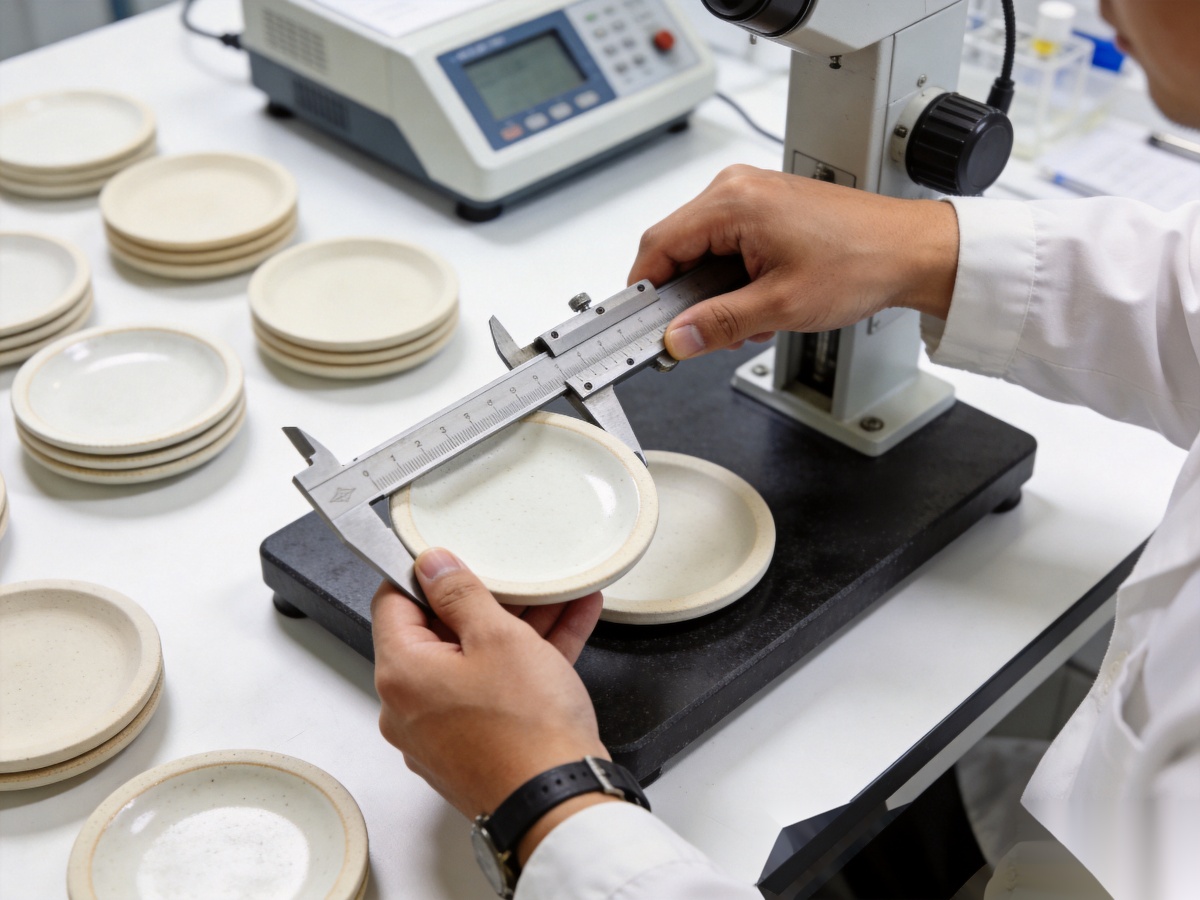
Pre-Audit Preparation: What to Research Before Your Ceramic Factory Audit
An effective ceramic factory audit starts long before you step foot on the factory floor. Pre-audit research saves time and helps you ask the right questions. Here is what you should prepare:
Company Background Check
- Business registration and export license verification
- Years in operation and ownership structure
- Key clients and export markets (ask for references)
- Online reputation — trade platform reviews, industry forums, social media presence
- Any history of disputes, recalls, or quality complaints
Production Capability Review
- Product catalog — does the factory specialize in your required product type?
- Monthly production capacity versus your order requirements
- Equipment list — kilns, glazing lines, printing machines, packaging systems
- Whether production is done in-house or partially outsourced
Documentation Request
Before visiting, request the following documents to review in advance:
- Factory layout plan and organizational chart
- Quality management system documentation (ISO 9001 or equivalent)
- Recent test reports from accredited third-party labs (SGS, Bureau Veritas, Intertek)
- Food contact safety certificates for target markets (FDA, LFGB, EU Regulation 1935/2004)
- Environmental compliance certificates and waste management procedures
- Worker safety and labor compliance documentation
The Complete Ceramic Factory Audit Checklist
The following ceramic factory audit checklist covers every critical area from raw materials to finished goods. Use it as a scoring framework during your visit — rate each section from 1 (poor) to 5 (excellent) for objective supplier comparison.
1. Raw Material Management
The quality of ceramic tableware begins with raw materials. During your ceramic factory audit, inspect:
- Clay and body material sourcing: Are raw materials sourced from certified suppliers? Is there a documented incoming material inspection process?
- Storage conditions: Raw materials should be stored in dry, covered areas, separated by type, with clear labeling and FIFO (First In, First Out) management.
- Material testing: Does the factory test incoming clay bodies for composition, shrinkage rate, and firing temperature compatibility?
- Glaze and pigment storage: Glazes should be stored in sealed containers with batch numbers and expiration dates. Heavy metal content (lead, cadmium) documentation must be available.
- Traceability: Can the factory trace any finished product back to its raw material batch? This is critical for quality investigations.
2. Production Line and Equipment
A well-maintained production line is the backbone of consistent ceramic quality. Key areas to evaluate:
- Forming equipment: Check whether the factory uses jiggering, slip casting, or isostatic pressing. Equipment age and maintenance records matter.
- Drying process: Controlled drying rooms with regulated temperature and humidity prevent cracking and warping before firing.
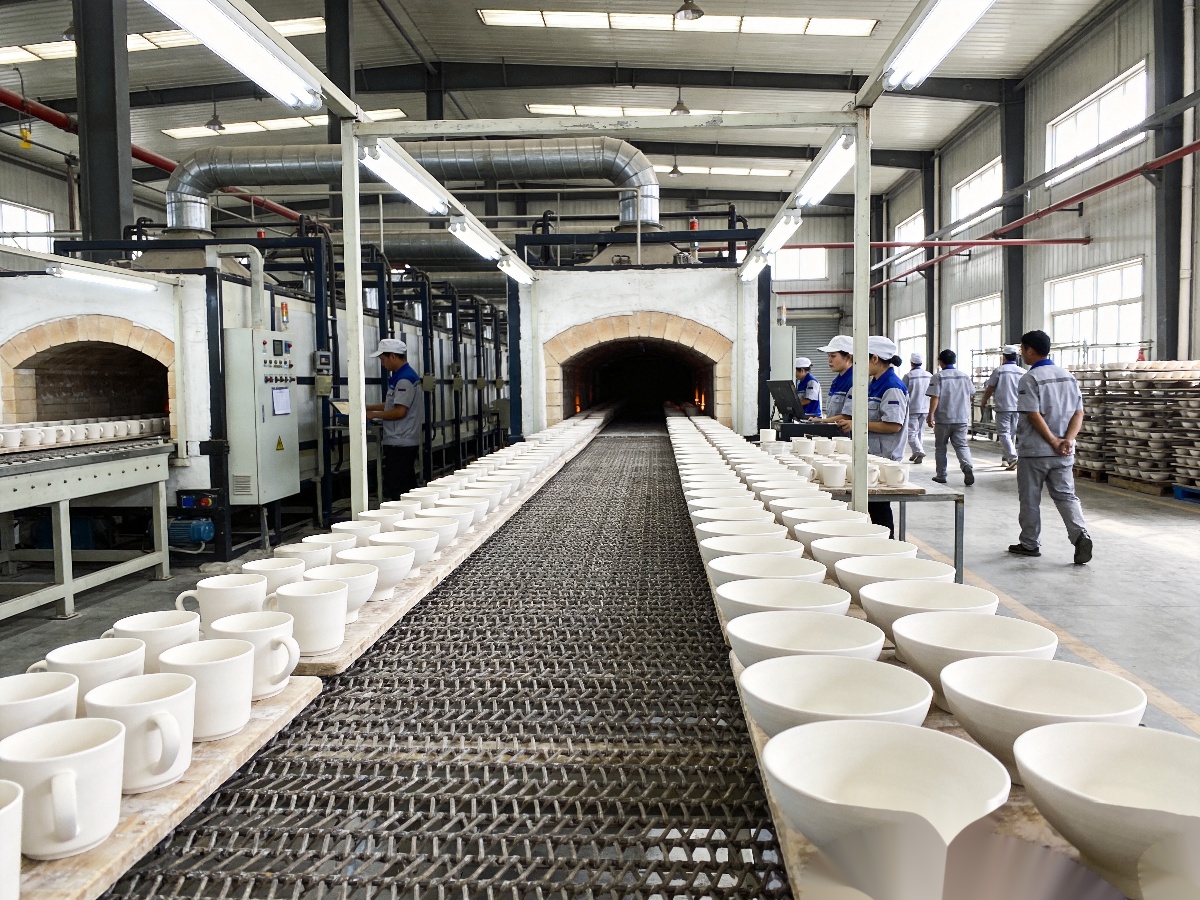
- Kiln systems: Tunnel kilns, shuttle kilns, or roller kilns — verify temperature uniformity, firing curves, and fuel type (gas vs. electric). Ask for temperature logs.
- Glazing line: Automated glazing systems produce more consistent coating thickness than manual dipping. Check glaze thickness measurement tools.
- Decoration and printing: For custom designs, evaluate decal application accuracy, screen printing quality, or digital printing capabilities.
- Production capacity utilization: A factory running at 60-80% capacity typically maintains better quality control than one at 100% or above.
3. Quality Control System
The quality control department is where a ceramic factory audit delivers the most value. Evaluate these critical QC elements:
- Incoming Quality Control (IQC): Raw material inspection procedures, sampling plans, and rejection criteria.
- In-Process Quality Control (IPQC): Checks at each production stage — forming, drying, bisque firing, glazing, glaze firing, decoration.
- Final Quality Control (FQC): Finished product inspection including dimensional accuracy, surface defects, color consistency, and functional testing.
- AQL sampling: Does the factory follow Acceptable Quality Level standards? What AQL level do they use for different defect categories?
- Testing equipment: Check for thermal shock testers, lead/cadmium leaching test kits, dishwasher resistance testers, and microwave safety testing equipment.
- Defect documentation: Review defect tracking records. What is the typical defect rate? How are defective items handled — reworked, downgraded, or destroyed?
4. Packaging and Warehouse Management
Poor packaging can destroy months of careful production work. During your ceramic factory audit, assess:
- Inner packaging: Individual wrapping (foam, bubble wrap, or paper dividers) for each piece to prevent contact damage during transit.
- Carton quality: 5-ply or 7-ply corrugated boxes with proper weight ratings for the products being shipped.
- Palletizing: Cartons should be stacked on fumigated pallets with shrink wrap and corner protectors.
- Container loading plan: Does the factory have a documented loading plan? How do they maximize space while minimizing breakage risk?
- Warehouse conditions: Finished goods should be stored in clean, dry, elevated areas away from direct sunlight and moisture.
- Inventory management: FIFO system, clear labeling, and separation between different orders and products.
5. Certifications and Compliance
Certification verification is a cornerstone of any ceramic factory audit. Do not just accept certificates at face value:
- Certificate authenticity: Verify certificate numbers directly with the issuing body (SGS, TUV, Intertek, Bureau Veritas).
- Scope coverage: Ensure the certificate covers the specific product types you are ordering — a certificate for mugs does not cover plates.
- Currency: Check expiration dates. Certificates older than 12 months may not reflect current standards.
- Market-specific compliance: FDA for the US, LFGB for Germany, EU Regulation 1935/2004 for Europe, AS/NZS 4371 for Australia. Know your target market requirements.
- Environmental and social compliance: ISO 14001, BSCI, SEDEX, or equivalent — increasingly important for major retail buyers.
6. Workforce and Management
The people behind the production matter as much as the equipment:
- Staff training: Are production workers trained in quality standards? Is there a documented training program?
- Worker turnover: High turnover often correlates with inconsistent quality. Ask about average employee tenure.
- Management structure: Clear reporting lines between production, QC, and sales departments prevent communication breakdowns.
- Labor conditions: Working hours, safety equipment, ventilation (especially in glazing and kiln areas), and compliance with local labor laws.
- Communication capability: English-speaking sales and QC staff reduce miscommunication risk on specifications and order changes.
Scoring Your Ceramic Factory Audit Results
After completing the ceramic factory audit, compile your scores into a standardized evaluation matrix. Here is a recommended scoring framework:
- Raw Materials (20%): Sourcing quality, storage, testing, traceability
- Production Line (25%): Equipment condition, capacity, technology level
- Quality Control (25%): QC systems, testing equipment, defect rates
- Packaging & Warehouse (15%): Packing standards, storage, loading plans
- Certifications (10%): Validity, scope, market coverage
- Management & Workforce (5%): Training, communication, labor conditions
A total weighted score above 80% generally indicates a reliable supplier. Scores between 60-80% suggest the factory is workable but requires closer monitoring. Below 60% warrants serious consideration of alternatives. For more on evaluating suppliers, check our complete sourcing guides and product catalog.
Ceramic Factory Audit Red Flags: When to Walk Away
Not every factory visit ends with a purchase order. Here are critical red flags that should give you pause during a ceramic factory audit:
- Restricted access: If the factory refuses to show certain production areas, warehouses, or QC labs, there is likely something to hide.
- No in-house QC: Factories that outsource all quality testing cannot guarantee consistency or react quickly to issues.
- Expired or fabricated certificates: Always verify independently. Fake certificates are more common than you might think.
- Excessive subcontracting: If the factory is primarily a trading operation that outsources production, you lose quality control and price transparency.
- Poor housekeeping: Dirty production areas, disorganized warehouses, and unmaintained equipment indicate systemic management problems.
- Pressure tactics: High-pressure sales tactics, reluctance to provide references, or urgency to close deals quickly are warning signs.
Post-Audit Follow-Up: Turning Your Ceramic Factory Audit Into Action
The ceramic factory audit does not end when you leave the factory. Post-audit actions are equally important:
- Write the audit report within 48 hours while observations are fresh. Include photos, measurements, and specific findings.
- Send a formal audit summary to the factory, noting areas that need improvement and requesting a corrective action plan with deadlines.
- Compare multiple factories using your standardized scoring matrix to identify the best-fit supplier for your needs.
- Plan a follow-up audit — ideally unannounced — to verify that corrective actions have been implemented.
- Establish ongoing monitoring through pre-shipment inspections, random sampling, and periodic re-audits (at least annually).
FAQ: Ceramic Factory Audit Questions Answered
How long does a ceramic factory audit typically take?
A comprehensive ceramic factory audit typically requires 1-2 full days. Day one covers production lines, equipment, and quality control systems. Day two focuses on warehouse, packaging, certifications, management interviews, and document review. Rushing an audit in half a day often means missing critical details.
Should I hire a third-party inspection company for my ceramic factory audit?
For first-time supplier evaluations, hiring a professional third-party inspection service (such as SGS, Bureau Veritas, or AsiaInspection) is highly recommended. They provide standardized reports and have trained auditors who know what to look for. However, for repeat orders and established relationships, conducting your own ceramic factory audit periodically provides valuable direct insight.
What is the typical cost of a ceramic factory audit in China?
Third-party factory audits in China typically cost $300-$800 per day, depending on the inspection company and scope. If you travel personally, factor in flight, hotel, and local transportation costs. Many buyers find that the audit cost is a fraction of the potential losses from a bad order — making it one of the highest-ROI activities in the sourcing process.
How often should I re-audit a ceramic factory?
Best practice is to conduct a full ceramic factory audit at least once per year, with pre-shipment inspections on every major order. If the factory has undergone management changes, equipment upgrades, or if you have experienced quality issues, an immediate re-audit is warranted regardless of schedule.
Can I conduct a ceramic factory audit remotely?
Remote audits via video call can provide a preliminary assessment, especially when travel is not feasible. However, they cannot replace an in-person ceramic factory audit. Remote audits miss sensory details — smells, sounds, temperature, the general feel of the operation — that often reveal more than what is shown on camera. Use remote audits for initial screening, but always follow up with an on-site visit before committing to large orders.
Ready to Source with Confidence?
A thorough ceramic factory audit transforms your sourcing from a gamble into a strategic decision. By systematically evaluating every aspect of a supplier’s operation — from raw materials to workforce management — you build a foundation for long-term partnerships based on verified quality, not marketing promises.
At CeraSupply, we welcome factory audits and transparent evaluations. Our production facility meets international quality standards, and we are proud to demonstrate our capabilities firsthand. Contact us today to schedule a factory visit or request a free quote for your ceramic tableware project.