Ceramic tableware design trends are evolving faster than ever in 2026, driven by shifting consumer preferences, sustainability demands, and the rise of experiential dining. For B2B buyers — whether you supply hotels, restaurants, retail brands, or e-commerce platforms — staying ahead of these ceramic tableware design trends is not just about aesthetics. It directly impacts inventory turnover, margin potential, and long-term supplier relationships.
In this comprehensive guide, we break down the most impactful ceramic tableware design trends for 2026, explain why each trend matters from a procurement perspective, and provide actionable sourcing strategies to help you capitalize on them. Whether you are placing your first bulk order or optimizing an established supply chain, understanding these ceramic tableware design trends will give you a decisive competitive edge.
Why Ceramic Tableware Design Trends Matter for B2B Buyers
Many bulk buyers treat design trends as a concern only for retail merchandisers or interior designers. In reality, ceramic tableware design trends have a direct and measurable impact on B2B procurement outcomes:
- Inventory velocity: Products aligned with current ceramic tableware design trends sell 30–50% faster than outdated styles, reducing warehouse holding costs.
- Pricing leverage: Trend-aligned collections command 15–25% higher FOB prices but also support higher retail markups, improving margins across the supply chain.
- Customer retention: Hospitality clients and retailers actively seek suppliers who proactively offer trend-forward ceramic tableware design options.
- Order predictability: Understanding ceramic tableware design trends allows buyers to forecast demand more accurately and negotiate better production slots with factories.
Ignoring ceramic tableware design trends means risking dead stock, losing accounts to more forward-thinking competitors, and missing the pricing premiums that trend-aware products command in wholesale markets.
Top Ceramic Tableware Design Trends for 2026
Based on trade show observations, retailer purchasing data, and factory production patterns across China’s major ceramic regions, here are the ceramic tableware design trends that will dominate bulk orders in 2026.
1. Minimalist and Scandinavian-Inspired Ceramics
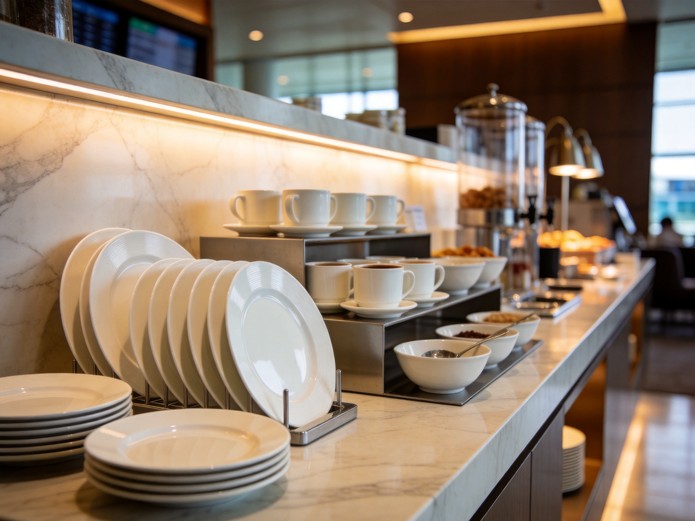
The clean-line aesthetic continues to be one of the strongest ceramic tableware design trends in 2026. Scandinavian-inspired dinnerware — characterized by simple geometric forms, matte finishes, and muted neutral palettes — remains the top seller across European, North American, and Japanese markets.
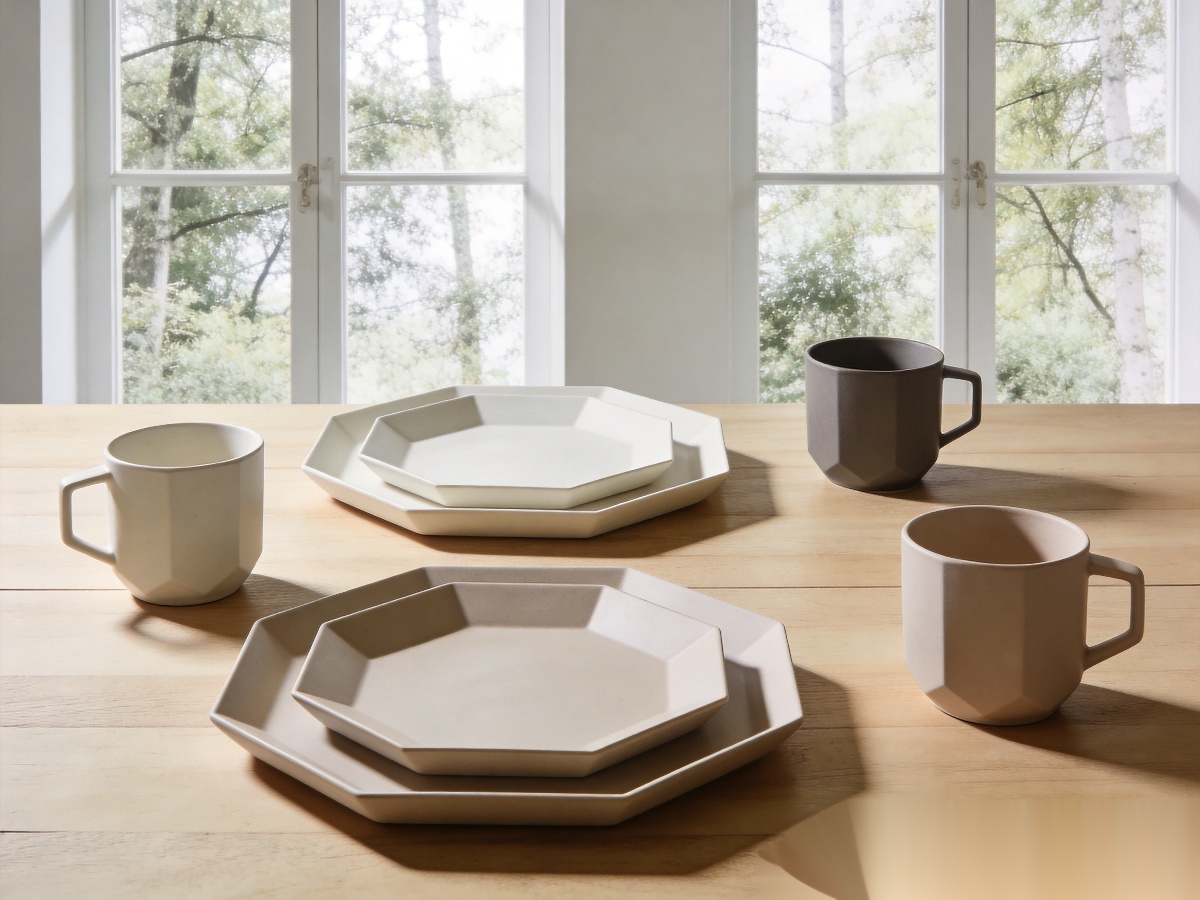
Key characteristics driving bulk demand include:
- Matte white, light grey, and soft beige glazes with subtle texture variations
- Rimless plate designs and gently curved bowl profiles
- Uniform stacking geometry for commercial dishwasher compatibility
- Lightweight stoneware bodies that reduce shipping weight by 10–15%
For B2B buyers, minimalist ceramic tableware design trends translate into versatile SKUs that serve multiple end markets. A single well-designed minimalist collection can be sold to hotel chains, restaurant groups, and retail brands simultaneously, maximizing order volume per mold investment.
2. Nature-Inspired Organic Textures and Glazes
Organic and nature-inspired finishes represent one of the fastest-growing ceramic tableware design trends. Consumers increasingly want tableware that feels handcrafted and connected to natural materials — even in mass-produced commercial settings.
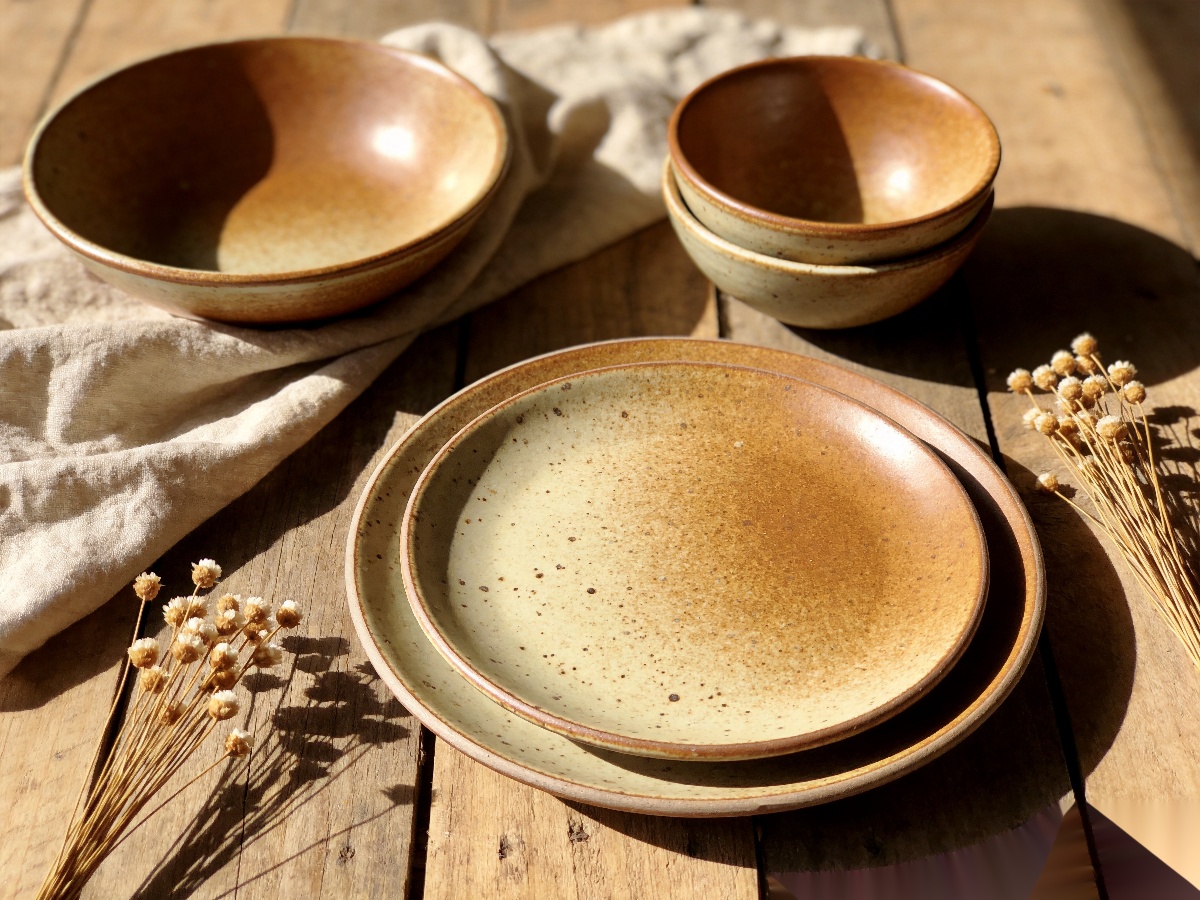
This ceramic tableware design trend manifests in several production techniques:
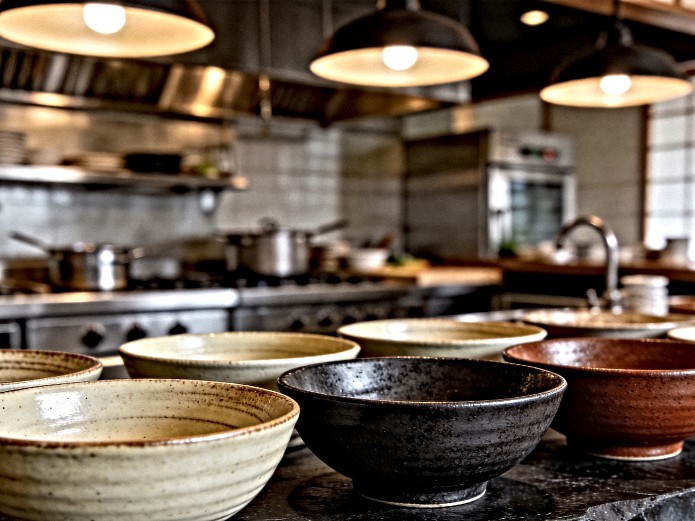
- Speckled clay bodies: Using iron-rich or grog-added clay to create visible texture without additional glaze steps
- Raw-edge and unglazed rims: Exposing the natural clay body on plate edges for an artisan feel
- Wood-ash and stone glazes: Mineral-based glazes that mimic natural stone surfaces
- Earth-tone palettes: Terracotta, sage green, warm sand, and deep clay brown dominate color selections
From a sourcing perspective, nature-inspired ceramic tableware design trends offer a unique advantage: the intentional "imperfections" in organic textures allow for slightly wider QC tolerances on surface finish, potentially reducing rejection rates by 5–8% compared to high-gloss uniform glazes.
3. Artisan and Handcrafted Finishes at Scale
The demand for artisan-look ceramic tableware continues to grow, but B2B buyers need these products at industrial volumes and consistent pricing. This is one of the ceramic tableware design trends where Chinese manufacturers have made remarkable progress, developing semi-handcrafted production methods that deliver the artisan aesthetic at scale.
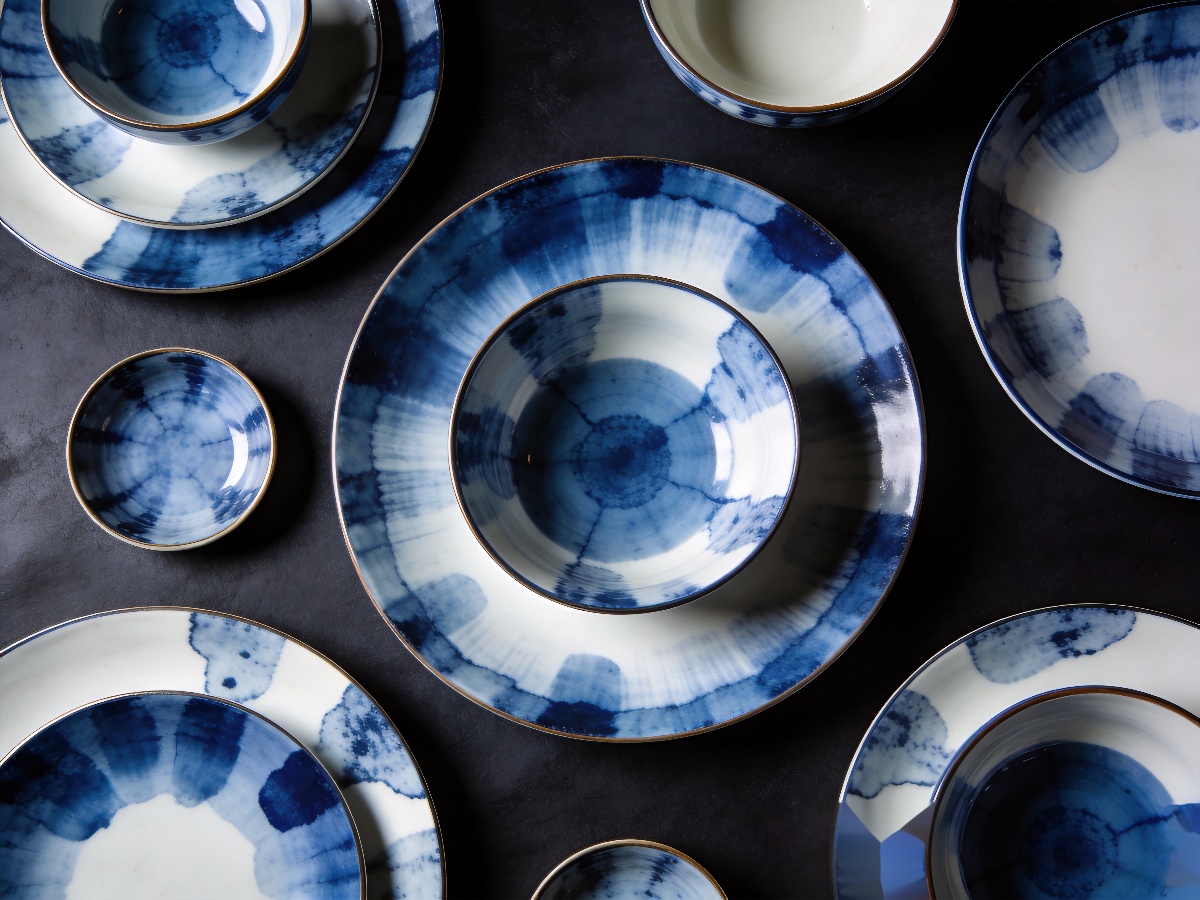
Factory techniques enabling artisan ceramic tableware design trends at bulk scale include:
- Reactive glazes: Chemical formulations that create unique, varied patterns during firing — each piece looks different while using the same glaze application process
- Hand-painted accent lines: Strategic application of brush strokes on rim edges or interior surfaces, performed by trained workers in 3–5 seconds per piece
- Stamp-impressed textures: Using custom molds with organic patterns that mimic hand-thrown pottery marks
- Layered dipping techniques: Multiple glaze dips that create depth and variation without manual painting
Buyers sourcing artisan-style ceramic tableware design trends should request sample sets of at least 20 pieces to evaluate the range of variation. Consistent "controlled randomness" is the hallmark of a skilled factory in this category. Explore our ceramic product catalog to see artisan collections available for bulk orders.
4. Warm Earthy Color Palettes and Tonal Gradations
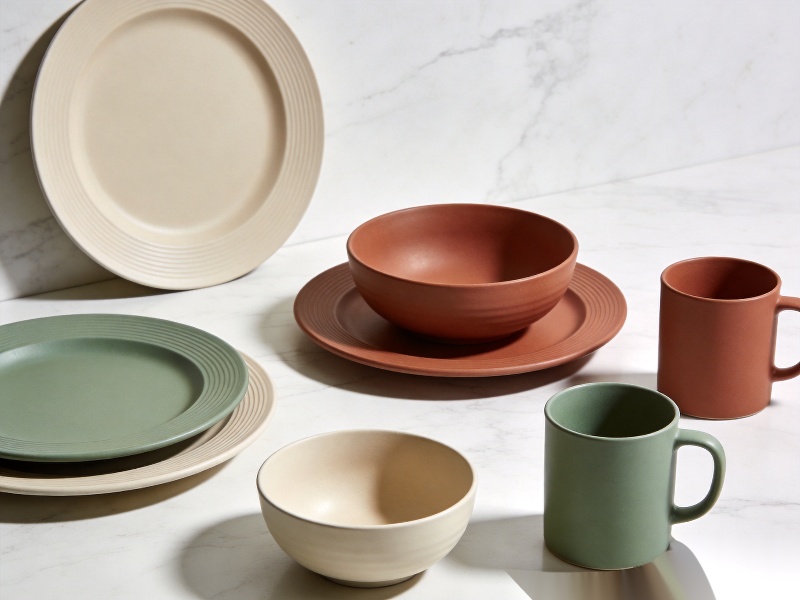
Color is always among the most visible ceramic tableware design trends, and 2026 is firmly in the era of warm earth tones. The cool greys and stark whites that dominated 2020–2023 have given way to richer, warmer hues:
- Terracotta and rust: Deep, warm oranges that pair well with Mediterranean and fusion cuisine branding
- Sage and olive green: Nature-linked greens that work across casual and fine dining segments
- Warm sand and cream: Replacing pure white as the "neutral base" in many tableware collections
- Tonal gradations: Collections where the same hue shifts from light to dark across different pieces (e.g., cream plate, sand bowl, terracotta mug)
For bulk buyers, tonal gradation collections represent an excellent ceramic tableware design trend to invest in. They encourage multi-piece purchases (higher basket value) while sharing the same glaze chemistry, simplifying factory production and reducing color-matching QC complexity.
5. Reactive and Specialty Glazes
Among the more technically interesting ceramic tableware design trends, reactive glazes continue to gain market share. These glazes use special mineral compositions that produce unpredictable crystallization, color pooling, and surface variation during kiln firing.
From a B2B procurement standpoint, reactive glaze ceramic tableware design trends present both opportunity and risk:
- Opportunity: Premium pricing (typically 20–40% above standard glazes), strong consumer appeal, and high differentiation
- Risk: Wider color variation between batches requires more sophisticated QC protocols and experienced factory partners
- Best practice: Always order pre-production samples from the actual production kiln, not just lab samples, as reactive glazes behave differently at scale
For detailed guidance on evaluating glaze quality and safety standards, our ceramic glaze types and food safety guide covers everything B2B buyers need to know.
How Ceramic Tableware Design Trends Influence Bulk Purchasing Decisions
Understanding ceramic tableware design trends is only valuable when translated into concrete procurement actions. Here is how trend awareness should shape your bulk purchasing strategy:
Mold Investment Timing
New ceramic tableware design trends often require new mold development. Lead times for custom molds range from 25–45 days, so buyers who identify trends early can have production-ready molds before peak ordering seasons. The best window for mold investment is typically Q4 of the preceding year, ensuring samples are ready for spring trade shows and summer production runs.
Glaze Library Development
Smart buyers work with factories to build a "glaze library" — a curated collection of tested glaze formulations aligned with ceramic tableware design trends. This reduces sample development time from weeks to days when new orders require trend-aligned finishes. A well-maintained glaze library typically contains 30–50 proven formulations across matte, glossy, reactive, and specialty categories.
Inventory Diversification
Rather than committing entire orders to a single design direction, trend-aware buyers allocate inventory across multiple ceramic tableware design trends. A recommended split for 2026:
- 40% minimalist/Scandinavian (stable, high-volume base)
- 25% nature-inspired organic (growing segment)
- 20% artisan/handcrafted finishes (premium segment)
- 15% reactive/specialty glazes (differentiation play)
Sourcing Ceramic Tableware Design Trends from China
China remains the global epicenter for ceramic tableware production, and its factories are often 6–12 months ahead of international markets in adopting ceramic tableware design trends. The key sourcing regions each have different strengths when it comes to trend execution:
- Chaozhou: Leading in high-volume production of minimalist and modern designs with advanced automated glazing lines
- Jingdezhen: Unmatched for artisan and handcrafted finishes, particularly hand-painted and traditional techniques adapted for contemporary aesthetics
- Dehua: Specializes in white porcelain and minimalist forms with excellent translucency, ideal for Scandinavian-inspired collections
- Liling: Strong in reactive and underglaze color techniques, well-suited for nature-inspired and artisan ceramic tableware design trends
For a detailed breakdown of each region’s capabilities and how to match them to your product requirements, see our complete guide to China’s ceramic production regions.
When sourcing trend-driven ceramic tableware, consider these best practices:
- Attend factory showrooms in person or via virtual tour — the newest ceramic tableware design trends are often displayed in factory showrooms months before they appear at international trade fairs
- Request trend boards from your supplier — established factories maintain their own trend research and can present upcoming designs aligned with global market directions
- Invest in sample rounds before committing to bulk — ceramic tableware design trends can look different in production versus concept images; always validate with physical samples
- Negotiate mold exclusivity — if you are investing in trend-specific molds, secure at least 12-month exclusivity to protect your market position
For more on evaluating and selecting the right manufacturing partner, our ceramic factory audit guide provides a comprehensive evaluation framework.
Ceramic Tableware Design Trends FAQ
Q1: How far in advance should B2B buyers plan for ceramic tableware design trends?
Ideally, 9–12 months ahead. Mold development takes 25–45 days, sample approval another 2–3 weeks, and production lead times range from 30–60 days. Buyers who identify ceramic tableware design trends early and begin the sampling process well ahead of the selling season secure better pricing and production slots.
Q2: Are ceramic tableware design trends different across regions?
Yes. European markets tend to favor minimalist and nature-inspired ceramic tableware design trends, while North American buyers show stronger demand for artisan and reactive glaze finishes. Middle Eastern markets often prefer richer colors and ornate patterns. Always align your ceramic tableware design trend selections with your target market’s preferences.
Q3: How do ceramic tableware design trends affect MOQ requirements?
Trend-specific designs may carry slightly higher MOQs (typically 10–20% above standard products) due to custom mold and glaze development costs. However, many factories offer shared mold programs for popular ceramic tableware design trends, allowing buyers to access trending designs at standard MOQs of 500–1,000 pieces per SKU.
Q4: Can existing ceramic tableware collections be updated to match new design trends?
Absolutely. The most cost-effective approach to following ceramic tableware design trends is updating glazes and decorative techniques on existing mold bodies. A single plate shape can be refreshed with a new reactive glaze, an organic rim texture, or hand-painted accents — keeping your catalog current without the investment of new molds.
Q5: What certifications should trend-driven ceramic tableware meet?
Regardless of design trends, all ceramic tableware for food contact must meet applicable safety standards: FDA compliance for the US market, LFGB for Europe, and relevant local regulations. New ceramic tableware design trends involving reactive or specialty glazes should undergo additional heavy metal leaching tests, as unique glaze chemistries may require separate certification. Learn more in our ceramic certification standards guide.
Partner with CeraSupply for Trend-Forward Ceramic Tableware
At CeraSupply, we stay at the forefront of ceramic tableware design trends to ensure our B2B partners always have access to the styles their customers will want next. Our factory network across China’s top ceramic regions gives you direct access to the latest minimalist, nature-inspired, artisan, and reactive glaze collections — all at competitive bulk pricing.
Whether you need 500 pieces or 50,000, our team handles everything from trend-aligned design development to quality control and export logistics. Browse our full product range or explore more insights in our ceramic sourcing blog.
Ready to source ceramic tableware design trends for your next collection? Get a free quote on WhatsApp — our team responds within 24 hours.