Ceramic tableware for Mexican restaurants needs to handle more than everyday service — it must survive molcajete grinding, comal heating, and the colorful, heavy-glazed aesthetic that defines the dining experience. Most commercial ceramic suppliers stock plain white porcelain, but Mexican and cantina concepts need pieces that carry cultural authenticity while meeting FDA food-contact standards and commercial dishwasher cycles.
This guide breaks down what to look for when sourcing Mexican restaurant ceramic tableware, from traditional Talavera and barro styles to modern commercial alternatives. You will get supplier evaluation criteria, realistic MOQ and lead-time expectations, and a printable checklist you can use on your next factory visit or video call.
What Makes Mexican Restaurant Ceramic Tableware Different
Unlike standard hospitality dinnerware, Mexican restaurant ceramics serve functional and cultural purposes simultaneously. A molcajete is not just a serving bowl — it is used tableside to grind salsas and guacamole. A comal is not decorative; it arrives at the table still warm from the tortilla press. These pieces must withstand thermal shock, abrasive use, and repeated washing without losing their visual character.
The glaze chemistry matters too. Traditional Talavera uses lead-based glazes for color brilliance, which is acceptable for decorative pieces but unsafe for food contact in the United States, Canada, and the European Union [VERIFY BEFORE PUBLISHING]. Food-safe Talavera-style alternatives use lead-free glazes that replicate the visual effect while passing FDA 21 CFR 175.300 and California Proposition 65 requirements.
Key Ceramic Styles for Mexican and Cantina Concepts
When buyers search for ceramic tableware for Mexican restaurants, they usually need one or more of these three style categories. Each has different sourcing requirements, price points, and durability profiles.
Talavera-Style Dinnerware
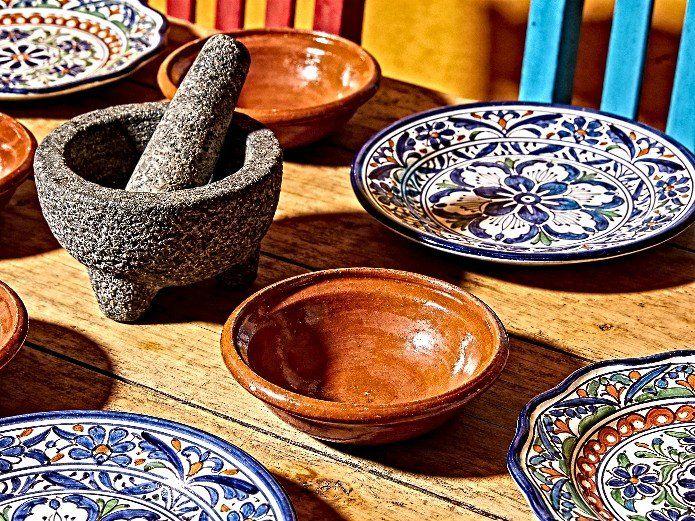
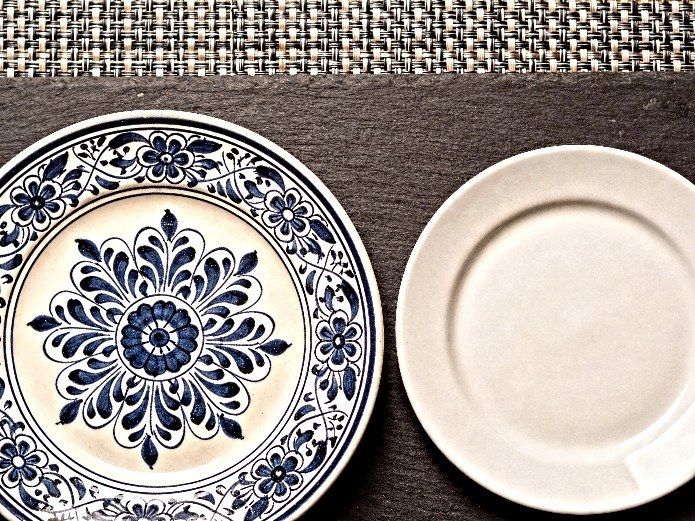
Talavera ceramics are characterized by hand-painted cobalt blue, green, yellow, and orange patterns on a white tin-glaze base. Authentic Talavera de Puebla is produced only in Puebla, Mexico, and carries a DO (Denomination of Origin) mark. For commercial restaurant use, most buyers source Talavera-style pieces from Chinese manufacturers who replicate the visual style at volume scale.
Commercial Talavera-style plates typically use decal transfer rather than hand-painting, which keeps per-unit costs down but requires careful quality control to ensure decal alignment and edge adhesion. MOQs for custom Talavera-style patterns usually start at 1,000–2,000 pieces per design, with new mold development adding 15–25 days to the lead time.
Barro (Terracotta) Serveware
Barro refers to unglazed or partially glazed terracotta pottery — the reddish-brown clay pieces used for beans, rice, and rustic presentations. Barro is porous, which means it absorbs moisture and can harbor bacteria if not properly sealed. Food-service-grade barro must be glazed on the interior surface or treated with a food-safe sealant.
Barro pieces are heavier than porcelain and chip more easily. They work best for static presentations rather than high-turnover dishware. If your concept uses barro for beans, mole, or carnitas service, plan on a 20–30% higher replacement rate compared to glazed stoneware [INTERNAL DATA REQUIRED].
Molcajete and Specialized Serveware
The molcajete (volcanic stone mortar) and its ceramic equivalents are tableside tools, not just plates. Ceramic molcajetes are lighter than volcanic stone and easier to ship, but they must withstand direct contact with acidic ingredients like lime and tomatoes without glaze degradation. Look for high-fired stoneware (1,200°C+) with an acid-resistant interior glaze.
Cost-Quality-Durability Trade-Offs by Material
Not every Mexican restaurant needs hand-painted Talavera. Fast-casual taquerias and food halls have different durability and budget requirements than fine-dining Mexican concepts. The table below compares the three most common material choices for Mexican restaurant ceramic tableware.
| Material | Best For | Approx. Cost per Piece | Dishwasher Safe | Typical Lifespan | Customization Options |
|---|---|---|---|---|---|
| Talavera-Style Stoneware | Full-service restaurants, cantinas | $3.50–$6.00 | Yes (lead-free glaze) | 2–4 years | Decal patterns, custom rim colors |
| Commercial White Porcelain | Fast-casual, high-volume concepts | $1.80–$3.20 | Yes | 3–5 years | Limited — plain or simple banding |
| Barro / Terracotta | Rustic presentation, static service | $2.50–$4.50 | No (hand wash recommended) | 1–2 years | Unglazed exterior, custom shapes |
The trade-off is straightforward: Talavera-style pieces cost more upfront and replace faster, but they reinforce brand identity and justify higher menu prices. Commercial porcelain lasts longer and costs less, but it does not deliver the visual authenticity that distinguishes a Mexican concept from a generic casual restaurant. Barro creates the strongest rustic impression but requires the most operational care.
Sourcing Specs: MOQ, Lead Times, and Customization
Before you contact suppliers, know the numbers that define feasibility. Here is what realistic sourcing looks like for ceramic tableware for Mexican restaurants at commercial scale.
Minimum Order Quantities
- Talavera-style custom decals: 1,000–2,000 pieces per pattern, or 3,000–5,000 pieces for a mixed SKU set
- Barro custom shapes: 500–1,000 pieces per mold
- Molcajete ceramic equivalents: 800–1,500 pieces per size
- Off-the-shelf catalog patterns: 300–500 pieces per SKU, often with lower totals if mixed across a product line
If your first order is below these thresholds, expect to pay a 15–25% premium per piece or accept a supplier’s existing catalog design rather than a custom pattern.
Lead Times
- Sample production: 10–15 days for existing molds; 20–30 days for new mold development
- Bulk production: 35–55 days after sample approval, depending on kiln capacity and seasonal demand
- Peak season surcharge: Chinese New Year (January–February) and pre-Christmas (September–October) can add 10–20 days
- Shipping: Sea freight adds 25–40 days; air freight is 5–8 days but rarely cost-effective for ceramics
Customization Capabilities
Most Chinese ceramic manufacturers serving the hospitality market can handle decal customization, rim color changes, and logo embossing. Hand-painted Talavera-style work is rare at volume; if you need true hand-painting, you will likely work with smaller studios in Mexico or specialty workshops, where MOQs are lower but per-unit costs are 3–5x higher.
For commercial-scale Mexican restaurant concepts, the practical approach is to source Talavera-style decals from Chinese manufacturers and reserve hand-painted accent pieces (serving bowls, specialty plates) for smaller studio orders that create focal points without blowing the budget.
A Practical Checklist for Evaluating Mexican Ceramic Suppliers
Use this checklist during factory audits, video calls, or when evaluating sample shipments. Print it, score each supplier, and compare results before placing your first order.
| Check Item | Pass / Fail | Notes |
|---|---|---|
| Can produce Talavera-style decals with lead-free glaze certification? | ___ | Request test report for FDA 21 CFR 175.300 compliance |
| Mold library includes molcajete, comal, or deep-serve bowl shapes? | ___ | New mold adds 15–25 days and $[FACTORY DATA REQUIRED] cost |
| Decal alignment tolerance specified and demonstrated on samples? | ___ | ±1.5 mm is acceptable for commercial-grade pieces |
| Thermal shock testing data available (quench from 180°C to 20°C water)? | ___ | Pass rate should exceed 95% for commercial use |
| Packaging uses egg-crate or molded pulp with corner protectors? | ___ | Ceramic breakage in transit is the #1 cost surprise |
| MOQ and price list provided in writing with validity date? | ___ | Verbal quotes change; get it in the email or PI |
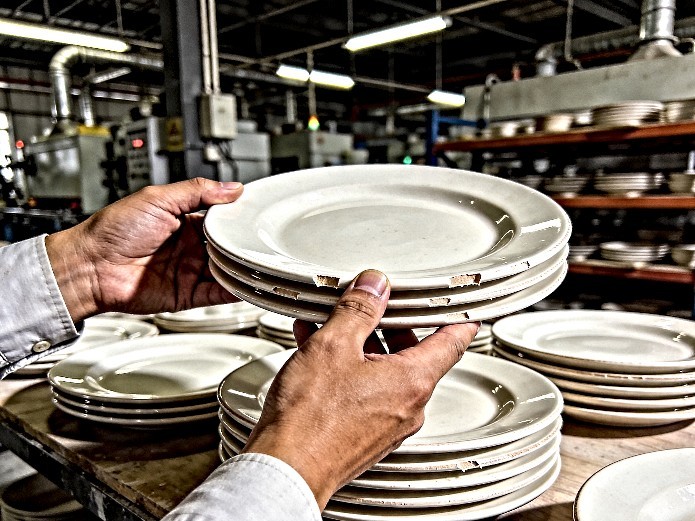
| Production photos or video from recent kiln batch available? | ___ | Stock photos do not prove current capability |
| Defect classification and acceptance standard documented? | ___ | Reference AQL 2.5 or your internal standard |
Score each supplier out of 8. Any supplier scoring below 6 should be removed from your shortlist. The two highest-scoring suppliers should receive sample orders before you commit to bulk production.
Common Mistakes When Sourcing Mexican-Style Tableware
These three mistakes show up repeatedly in buyer feedback and quality disputes. Avoiding them will save you time, money, and the operational headache of replacing defective inventory.
Mistake 1: Ordering Decorative Talavera for Food Service
Decorative Talavera plates — the kind sold in gift shops and tourist markets — often use lead-based glazes that are not food-safe. If you order these for restaurant use without verifying glaze composition, you risk FDA violations, customer health issues, and potential liability. Always request a food-contact test report before placing any order for Talavera-style pieces.
Mistake 2: Ignoring Thermal Shock Ratings
Mexican restaurant service involves extreme temperature swings: comals arrive hot, molcajetes hold warm salsas, and dishes move from hot kitchen to cold prep area. Ceramic that is not rated for thermal shock will craze, crack, or shatter within weeks of service. Ask for thermal shock test data — not just glaze hardness — before committing to a supplier.
Mistake 3: Skipping the Sample-to-Bulk Comparison
Sample quality and bulk quality are not the same. A factory may hand-pick the best pieces for your sample shipment, then deliver bulk goods with wider color variation, decal misalignment, or edge chipping. The only way to protect yourself is to specify acceptance criteria in your purchase order and conduct a pre-shipment inspection (PSI) before the goods leave the factory.
Three Actionable Recommendations for Your Next Order
Based on ten years of sourcing ceramic tableware for Mexican restaurants and cantinas, here are three moves that consistently deliver better outcomes:
- Split your order between two suppliers. Use one supplier for high-volume SKUs (dinner plates, bowls) and a second for specialty pieces (molcajetes, custom accent plates). This reduces single-supplier risk and lets you negotiate harder on the high-volume items.
- Order 10% more than your calculated need. Ceramic breakage, sample losses, and display needs always consume more inventory than planned. A 10% buffer prevents emergency reorders at premium pricing.
- Request production photos from the kiln unload, not just the packing line. Kiln unload photos show glaze quality, color consistency, and warping before pieces are sorted and packed. This is the most honest view of bulk quality you will get from a factory.
Frequently Asked Questions
Can Talavera-style ceramics be dishwasher-safe?
Yes, if they use lead-free glazes fired at temperatures above 1,180°C. Lower-fired pieces with softer glazes will fade and craze under commercial dishwasher chemicals and heat cycles. Request dishwasher durability test data before ordering for high-volume concepts.
What is the typical replacement cycle for Mexican restaurant ceramic tableware?
Glazed stoneware in full-service Mexican restaurants typically lasts 2–4 years before color fading, edge chipping, and glaze crazing make replacement necessary. Fast-casual concepts with higher turnover see 1.5–3 year cycles. Barro pieces replace faster, often within 12–18 months.
Is it better to source Mexican-style ceramics from Mexico or China?
For volume commercial orders (1,000+ pieces), Chinese manufacturers offer lower per-unit costs, consistent quality, and faster bulk production. Mexican studios produce more authentic hand-painted work but at 3–5x the cost and with longer lead times. Most restaurant chains use Chinese suppliers for standard pieces and Mexican studios for limited accent collections.
How do I verify food-safety compliance for imported Mexican ceramics?
Request a third-party test report from a recognized laboratory (SGS, Intertek, or Bureau Veritas) showing compliance with FDA 21 CFR 175.300 for ceramic glazes in contact with food. For EU markets, request compliance with Regulation (EC) No 1935/2004 [VERIFY BEFORE PUBLISHING]. Do not rely on a supplier’s self-declaration.
Can I get custom shapes like molcajete or comal from standard ceramic suppliers?
Most Chinese hospitality ceramic suppliers do not stock molcajete or comal molds as standard SKUs. You will need to provide a physical sample or detailed 3D drawing for mold development. Budget 20–30 days and $[FACTORY DATA REQUIRED] for new mold creation, plus minimum order quantities of 800–1,500 pieces per size.
What packaging should I specify for ceramic tableware shipped by sea?
Specify molded pulp or corrugated egg-crate inserts with corner protectors, packed in double-wall corrugated cartons with a maximum 15 kg gross weight per carton. Palletize with stretch wrap and corner boards. Breakage rates above 3% should trigger a supplier credit or replacement per your purchase agreement.
Ready to Source Ceramic Tableware for Your Mexican Restaurant?
Sourcing ceramic tableware for Mexican restaurants requires balancing cultural authenticity with commercial durability. The right supplier will understand both the visual requirements of a cantina concept and the operational realities of a working kitchen. Start with the checklist above, request samples from at least two suppliers, and verify food-safety documentation before placing any bulk order.
If you are planning a new Mexican restaurant opening or a rebrand of an existing cantina concept, request our Mexican restaurant tableware catalog to see current Talavera-style patterns, barro shapes, and molcajete options available for commercial orders. We can also review your design brief and advise on mold feasibility, glaze compatibility, and realistic production timelines.