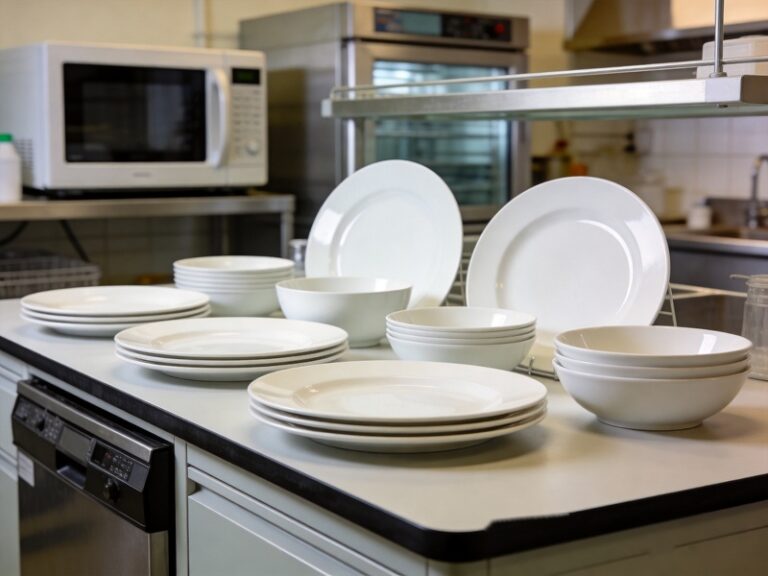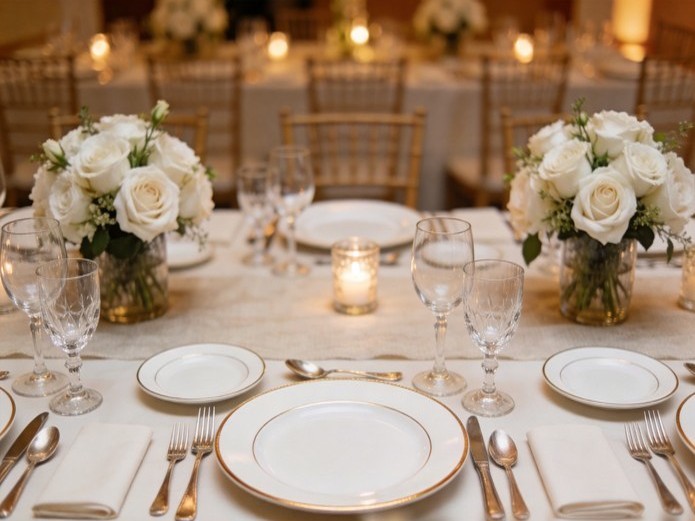
wedding rental ceramic tableware set with gold-rimmed plates arranged on a decorated wedding reception table for event rental businesses

Ceramic Tableware for Wedding & Event Rental: A B2B Buyer’s Guide

Event rental ceramics require far greater flexural strength and glaze hardness than standard restaurant tableware to survive repeated transport, dynamic stacking, and high-alkaline commercial washing. This guide presents an operational framework for sourcing wedding rental ceramic tableware: from evaluating budget, mid-market, and luxury tiers to calculating true cost-per-rental over product lifespans. Master a 12-point pre-delivery inspection checklist, execute 50-cycle wash tests, and establish transport packaging protocols to reduce annual replacement rates by half.
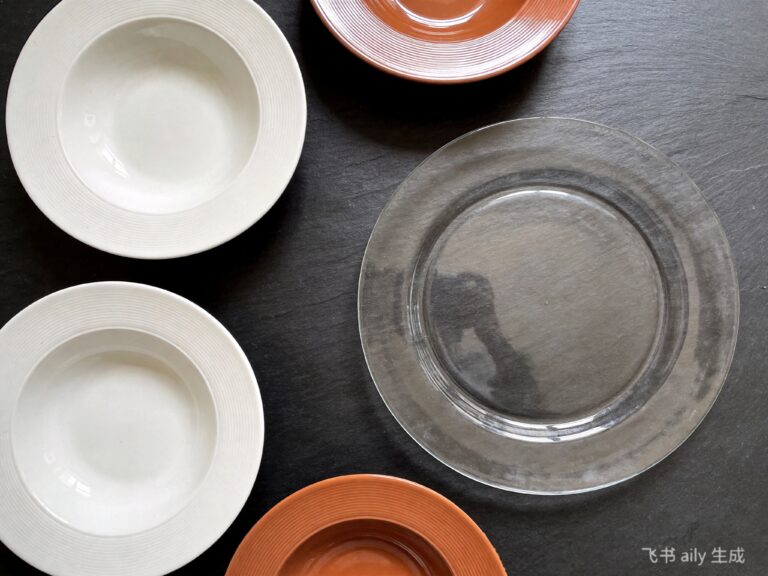

Commercial tableware comparison showing ceramic, melamine, and tempered glass plates side by side.

Ceramic vs Melamine vs Glass Tableware: A Cost-Per-Use Analysis for Commercial Buyers

Selecting the right material requires a thorough commercial tableware material comparison based on lifetime cost per use rather than initial unit price[cite: 1, 2]. This guide breaks down Ceramic, Melamine, and Tempered Glass across key operational metrics—including commercial dishwasher durability, thermal shock resistance, food safety standards (FDA, NSF, EU 10/2011), and sourcing terms (MOQs and lead times)[cite: 1]. Use our 3-tier decision framework to optimize your tableware selection for restaurants, hotels, and catering operations[cite: 1].

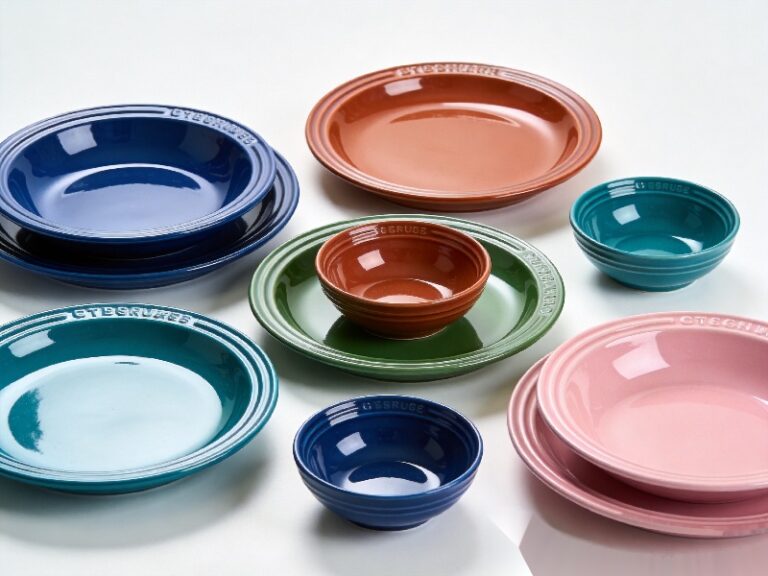
ceramic color fastness testing on glazed tableware

Ceramic Color Fastness: Fade Resistance Testing & Standards for B2B Tableware Buyers

Ceramic color fastness is a crucial quality attribute for B2B tableware buyers in hospitality, retail, and e-commerce. This comprehensive guide details key lab testing methods—including dishwasher resistance (DIN EN 12875-1), UV light exposure (ISO 105-B02), chemical stability, and ASTM C1027 abrasion resistance. Learn how to interpret Delta E values, evaluate manufacturing factors like firing temperatures (1250°C–1320°C), ensure compliance with EU/US export standards, and conduct effective factory audits to secure high-durability ceramic inventory.