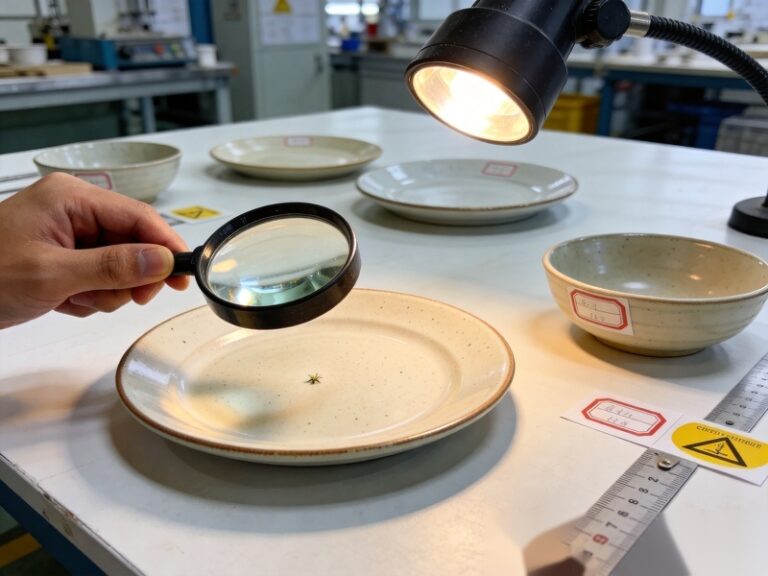
Ceramic Defect Classification and Acceptance Standards: A Complete Guide for B2B Tableware Buyers
Ceramic defect classification is one of the most critical yet frequently misunderstood aspects of bulk…

Ceramic defect classification is one of the most critical yet frequently misunderstood aspects of bulk…
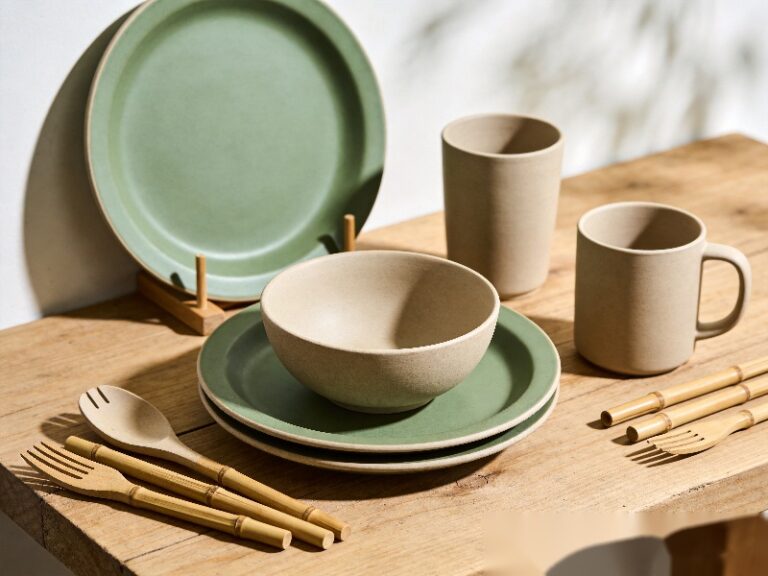
Sustainable ceramic tableware has evolved into a mandatory procurement standard for global B2B buyers across retail, hospitality, and e-commerce. This comprehensive guide breaks down eco-friendly ceramic manufacturing innovations—from energy-efficient roller kilns and water recycling to zero-waste production and lead-free glazes. Discover key international certifications (ISO 14001, EU Ecolabel), navigate regional environmental compliance (EU CBAM, US Prop 65), and implement a 4-step sourcing framework to secure sustainable inventory within a ±3% cost margin.
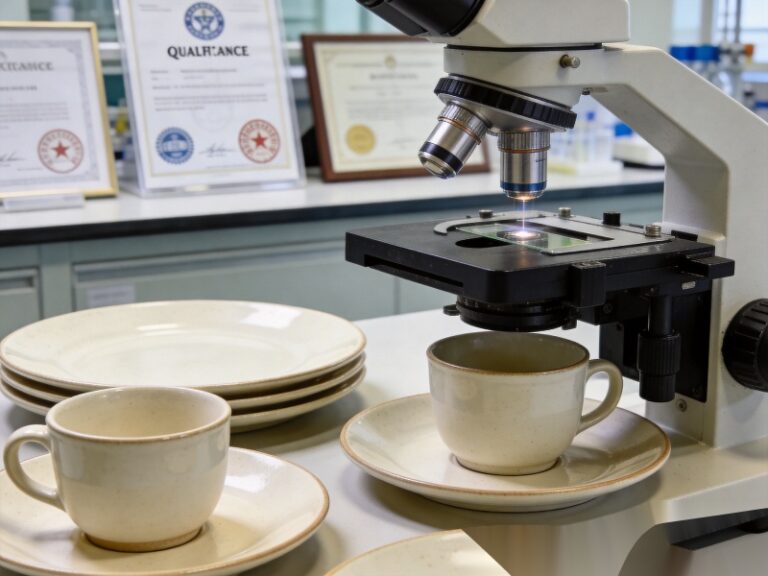
Ceramic certification standards are mandatory for B2B buyers importing tableware into regulated international markets. This comprehensive guide covers essential food-contact safety regulations, comparing FDA lead and cadmium limits with Germany's stricter LFGB standards and EU directives. Learn SGS third-party testing protocols, analyze certification costs ($200–$900) and timelines, and establish a 4-step compliance program to eliminate customs risks and ensure seamless market access.
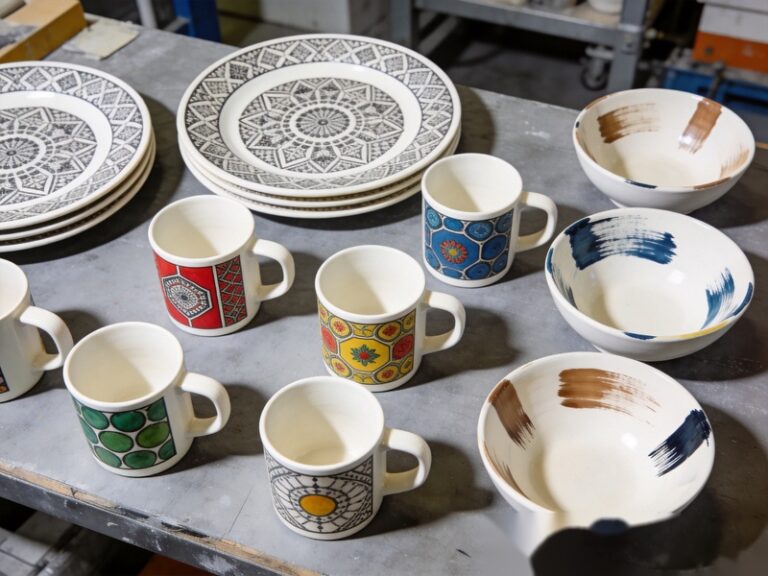
Selecting the right ceramic decoration techniques directly impacts unit costs, lead times, design reproducibility, and dishwasher durability for B2B tableware buyers. This comprehensive guide analyzes the 3 primary decoration methods—Screen Printing, Decal Application, and Hand-Painting—comparing them across setup fees, per-unit economics, and production scalability[cite: 1, 2]. Learn how to align decoration choices with order volumes and brand positioning, ensure FDA/LFGB compliance, and choose the optimal technique for private-label or hospitality supply chains[cite: 1, 2].
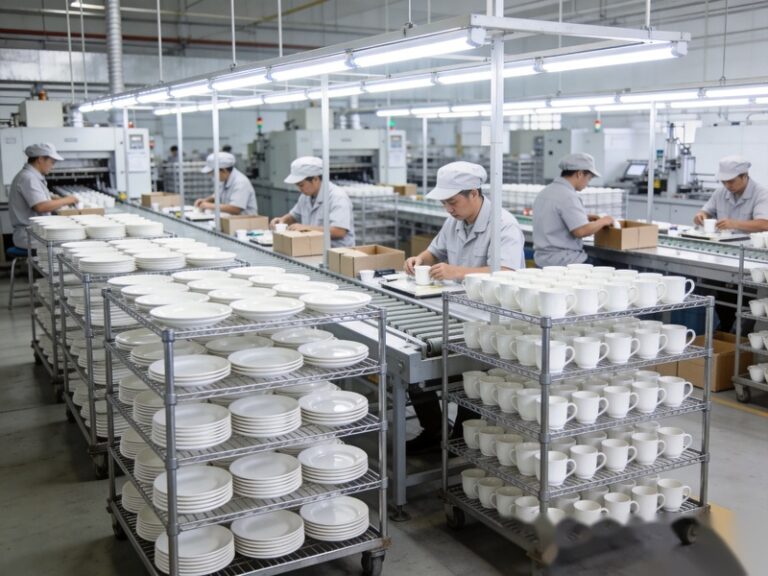
Accurate ceramic production lead time planning is essential for B2B tableware buyers to optimize inventory, lower landed costs, and protect supply chain reliability. This comprehensive guide details the 7 core production stages (ranging from 30 to 90 days), evaluates key delay factors—such as seasonal volume surges and Chinese New Year shutdowns—and outlines 6 actionable strategies to compress lead times without sacrificing quality. Master backward-scheduling frameworks and risk management protocols for seamless sourcing from China.

China ceramic regions produce over 70% of the world's tableware, making regional selection a critical driver of sourcing profitability. This comprehensive guide breaks down the four major manufacturing hubs—Jingdezhen (hand-painted luxury), Chaozhou (mass-production powerhouse), Dehua (blanc de chine white porcelain), and Liling (underglaze value porcelain). Compare pricing, MOQs, lead times, and port proximity to match your product specs with the right industrial cluster for maximum supply chain efficiency.