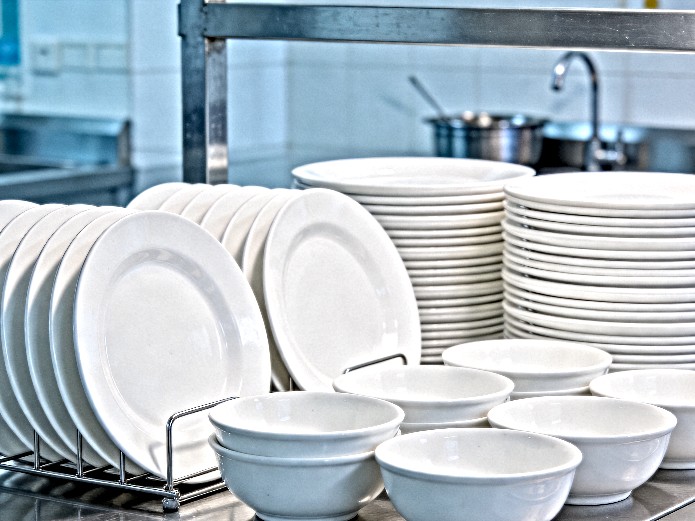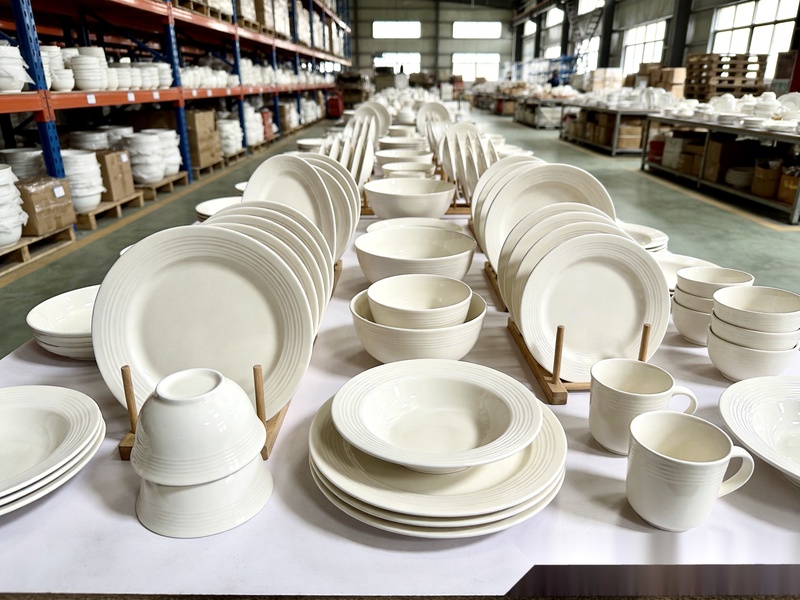
Ceramic tableware wholesale purchasing from China represents one of the most lucrative opportunities for B2B buyers worldwide. With China producing over 70% of the global ceramic tableware supply, understanding how to navigate this market effectively is essential for importers, distributors, and hospitality procurement teams looking to source high-quality products at competitive prices.
This comprehensive guide covers everything you need to know about ceramic tableware wholesale sourcing — from material selection and pricing structures to quality assurance and logistics. Whether you are placing your first bulk order or optimizing an established supply chain, this guide provides actionable insights to help you make smarter purchasing decisions.
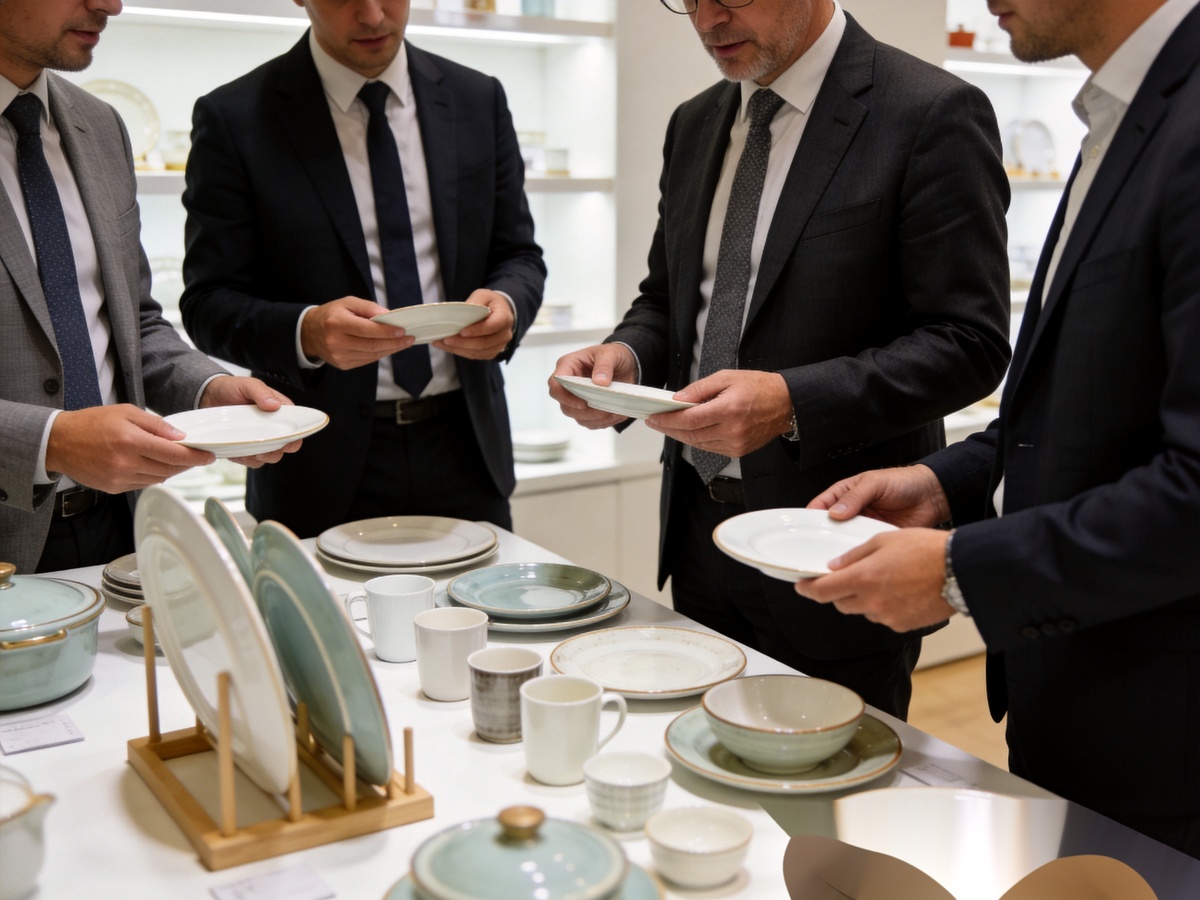
Why Ceramic Tableware Wholesale from China Dominates the Global Market
China’s ceramic tableware wholesale industry has evolved into the world’s most comprehensive supply ecosystem. Several structural advantages make it the preferred sourcing destination for international buyers:
- Unmatched production scale — China operates thousands of ceramic factories across major production clusters, enabling massive output capacity that no other country can match
- Complete supply chain integration — from raw material mining to finished goods packaging, every step of the ceramic production process is available domestically
- Competitive labor and energy costs — despite rising wages, Chinese ceramic manufacturers maintain significant cost advantages over European and Japanese producers
- Design and customization flexibility — Chinese factories offer extensive OEM/ODM services, from custom glazes to bespoke shapes, at reasonable MOQs
- Export infrastructure — decades of international trade experience mean Chinese ceramic exporters are well-versed in compliance, documentation, and logistics
The four major ceramic production regions — Jingdezhen, Chaozhou, Dehua, and Liling — each specialize in different product categories and price points. For a detailed breakdown of these regions, see our guide on China’s top ceramic production regions.
Understanding Ceramic Tableware Wholesale Product Categories
Before placing a ceramic tableware wholesale order, buyers must understand the three primary material categories available. Each type serves different market segments and price points:
Porcelain Tableware
Porcelain is the most versatile and widely traded ceramic tableware wholesale product. Fired at temperatures above 1280°C, porcelain offers exceptional hardness, translucency, and chip resistance. It is the standard choice for premium hospitality, fine dining, and retail brands. Wholesale porcelain typically ranges from $0.50 to $5.00 per piece depending on quality, decoration complexity, and order volume.
Stoneware Tableware
Stoneware has gained tremendous popularity in the ceramic tableware wholesale market, driven by the global trend toward rustic, artisanal aesthetics. Fired at 1150–1280°C, stoneware is durable but slightly more porous than porcelain. It excels in casual dining, café settings, and lifestyle brands. Wholesale stoneware pricing typically ranges from $0.80 to $4.00 per piece.
Bone China Tableware
Bone china occupies the premium tier of the ceramic tableware wholesale market. Made with bone ash (minimum 30%), it offers exceptional whiteness, translucency, and lightweight elegance. It commands higher wholesale prices ($2.00–$10.00+ per piece) but delivers superior margins for luxury retailers and five-star hospitality procurement. For a comprehensive comparison, read our ceramic material types guide.
Ceramic Tableware Wholesale Pricing: What B2B Buyers Should Expect
Understanding ceramic tableware wholesale pricing requires looking beyond the per-unit FOB price. The true landed cost includes multiple variables that directly impact your profit margins:
Unit Price Factors
- Material grade — porcelain, stoneware, and bone china have different base costs
- Decoration complexity — plain white is cheapest; hand-painted or multi-color decal adds $0.30–$2.00 per piece
- Order volume — most factories offer tiered pricing with meaningful discounts at 5,000, 10,000, and 20,000+ pieces
- Custom molds and shapes — standard catalog items require no tooling fees; custom shapes may add $500–$3,000 in mold costs
- Quality tier — Grade A (premium) vs Grade B (commercial) pricing can differ by 20–40%
Total Landed Cost Breakdown
Smart B2B buyers calculate the total landed cost, not just the factory price. A typical ceramic tableware wholesale order includes:
- FOB factory price — the base manufacturing cost
- Inland transportation — factory to port ($0.02–$0.08 per piece)
- Ocean freight — varies by destination; $1,500–$4,000 per 20ft container
- Insurance — typically 0.3–0.5% of cargo value
- Import duties — ranges from 0% to 26% depending on the importing country
- Customs clearance and port fees — $200–$600 per shipment
- Last-mile delivery — port to warehouse costs
For a deeper analysis of how different Incoterms affect your bottom line, check our ceramic pricing breakdown guide.
Ceramic Tableware Wholesale Quality Standards and Certifications
Quality assurance is the most critical aspect of ceramic tableware wholesale purchasing. International buyers must ensure that products comply with their destination market’s safety and quality regulations:
- FDA compliance (USA) — lead and cadmium leaching limits per FDA 21 CFR; required for all tableware entering the US market
- EU Regulation 84/500/EEC — European limits on heavy metal migration from ceramic articles
- LFGB (Germany) — stricter than EU standards; often required for the German and Northern European markets
- California Proposition 65 — additional lead/cadmium restrictions for products sold in California
- SGS / Intertek / TÜV test reports — third-party verification that provides buyer confidence
When evaluating ceramic tableware wholesale suppliers, always request current test reports from accredited laboratories. Certificates older than 12 months may not reflect current production standards. For detailed certification requirements, refer to our ceramic certification standards guide.
Ceramic Tableware Wholesale MOQ and Order Planning Strategies
Minimum Order Quantity (MOQ) is one of the most common concerns in ceramic tableware wholesale transactions. Understanding typical MOQ structures helps buyers plan effectively:
Typical MOQ Ranges
- Standard catalog items: 500–2,000 pieces per design
- Custom colors or glazes: 1,000–3,000 pieces per color
- Custom shapes or molds: 2,000–5,000 pieces per design
- Full custom OEM projects: 3,000–10,000 pieces minimum
Strategies for Managing MOQ
New buyers or those testing new markets can employ several strategies to work within MOQ constraints:
- Start with catalog items — select from existing designs to minimize MOQ requirements and reduce lead time
- Consolidate orders — combine multiple SKUs into one container to meet factory total volume thresholds
- Negotiate trial orders — many factories accept 50–70% of standard MOQ for first-time buyers as a relationship-building gesture
- Plan seasonal consolidation — combine Q3 and Q4 orders to achieve better volume pricing
- Partner with sourcing agents — agents can aggregate orders from multiple buyers to meet factory minimums
Ceramic Tableware Wholesale Logistics: Shipping and Packaging
Ceramic products are inherently fragile, making logistics one of the highest-risk aspects of ceramic tableware wholesale purchasing. Proper packaging and shipping planning are essential to minimize breakage and financial loss:
Packaging Standards for Bulk Orders
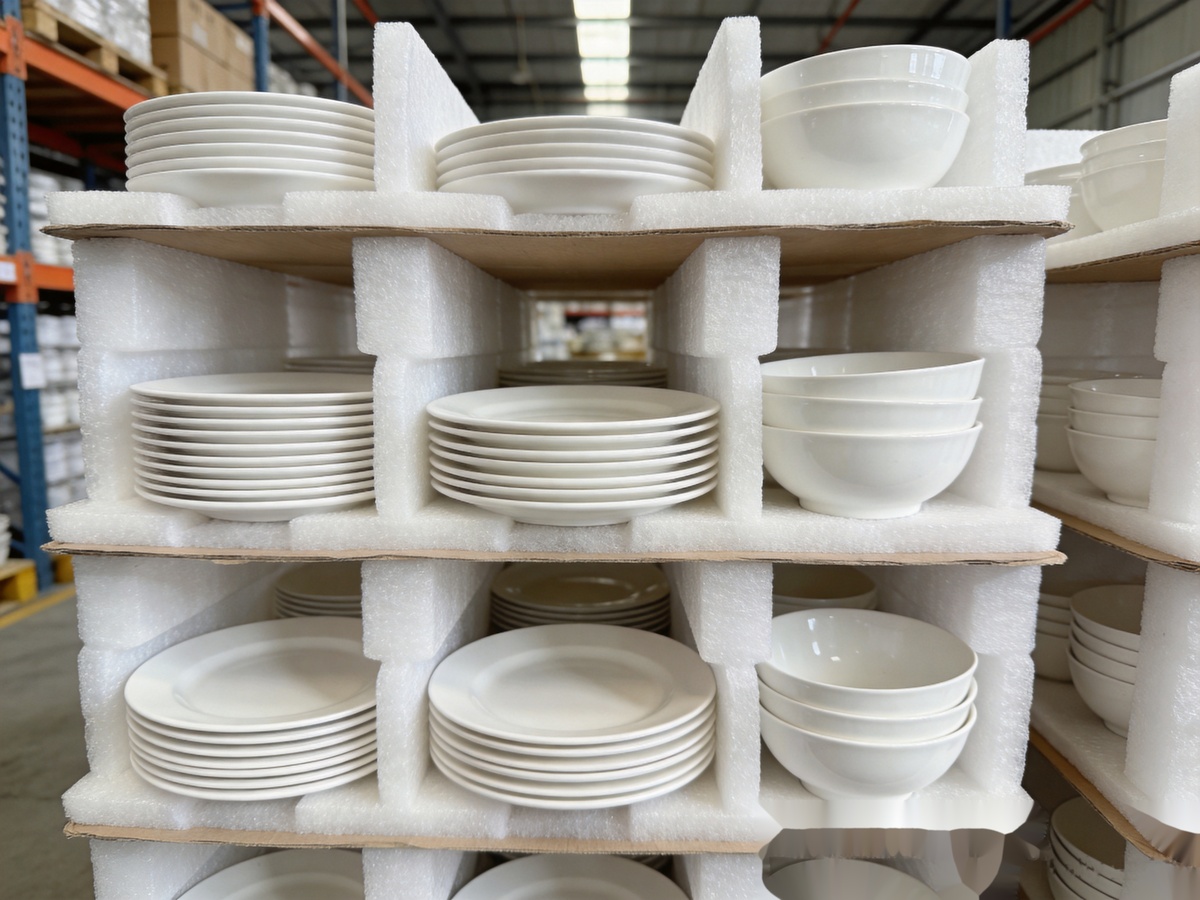
- Inner packaging — each piece individually wrapped in foam net, bubble wrap, or EPE foam
- Divider protection — cardboard or foam dividers between stacked items
- Master carton — 5-layer or 7-layer corrugated carton with adequate cushioning
- Palletization — cartons secured on pallets with stretch wrap for container loading
- Container loading — tight loading pattern with airbags or dunnage to prevent movement during transit
Shipping Options and Lead Times
Most ceramic tableware wholesale orders ship via ocean freight. Typical transit times include:
- China to US West Coast: 15–20 days
- China to US East Coast: 25–35 days
- China to EU ports: 28–40 days
- China to Middle East: 15–25 days
- China to Australia: 12–18 days
Factor in 7–10 days for production completion, pre-shipment inspection, customs clearance at origin, and container loading. For comprehensive shipping guidance, read our ceramic shipping costs and Incoterms guide.
How to Find and Verify Reliable Ceramic Tableware Wholesale Suppliers
Identifying trustworthy suppliers is the foundation of successful ceramic tableware wholesale purchasing. Here is a proven verification framework:
- Factory verification — confirm business license, export license, and ISO certification through official government databases
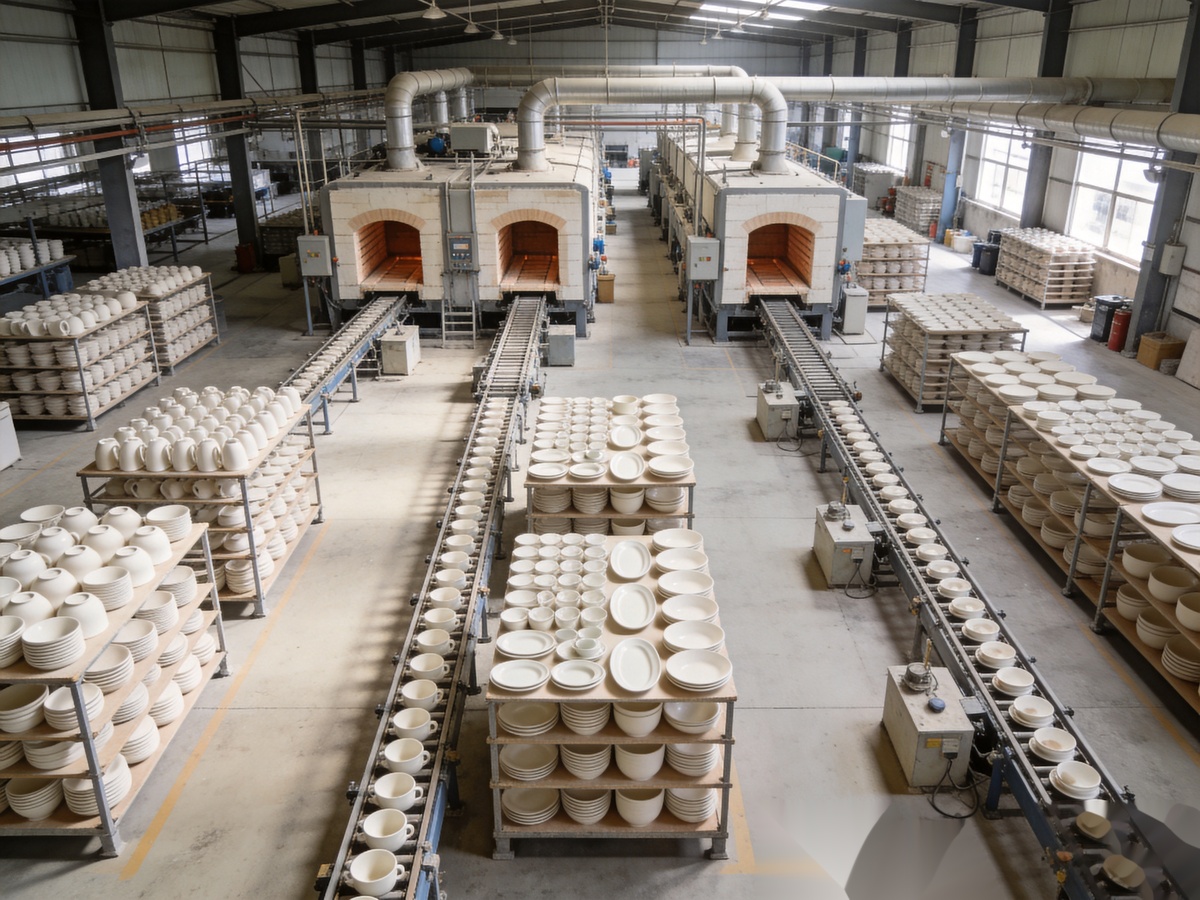
- Production capacity audit — verify kiln count, daily output, and quality control processes through on-site visits or third-party audits
- Sample evaluation — order samples from 3–5 shortlisted factories and compare quality, packaging, and lead time performance
- Reference checks — ask for references from buyers in your target market and verify their experience
- Communication assessment — evaluate response time, English proficiency, and willingness to provide detailed specifications
- Financial stability — check credit reports, years in operation, and any legal disputes through platforms like Qichacha or Tianyancha
For a structured evaluation template, check our ceramic factory audit checklist — it covers 50+ inspection points across production, quality, and compliance.
Common Mistakes to Avoid in Ceramic Tableware Wholesale Purchasing
Even experienced buyers make costly mistakes when sourcing ceramic tableware wholesale. Avoid these common pitfalls:
- Skipping pre-shipment inspection — never assume production quality matches samples; always conduct independent QC before goods leave the factory
- Ignoring packaging specifications — vague packaging requirements lead to breakage rates of 5–15%; detailed specs keep it under 2%
- Chasing the lowest price — abnormally low prices often indicate inferior materials, poor glaze quality, or skipped safety testing
- Not verifying certifications — accepting self-declared compliance without third-party test reports creates legal liability
- Overlooking currency risk — exchange rate fluctuations can erase thin margins; consider hedging strategies for large orders
- Underestimating lead time — Chinese New Year, Golden Week, and Canton Fair periods can add 3–6 weeks to production schedules
Frequently Asked Questions About Ceramic Tableware Wholesale
What is the typical lead time for a ceramic tableware wholesale order from China?
Standard catalog items typically require 25–35 days for production. Custom designs with new molds or unique glazes may need 40–60 days. Add 7–10 days for quality inspection, packaging, and export documentation. Always plan 8–12 weeks from order to delivery for international shipments.
How do I ensure food safety compliance when importing ceramic tableware wholesale?
Require your supplier to provide current test reports from accredited laboratories (SGS, Intertek, TÜV, or Bureau Veritas) that cover lead and cadmium leaching limits for your destination market. For the US, this means FDA 21 CFR compliance; for Europe, EU 84/500/EEC and its amendments. Request test reports before every major shipment, not just the initial order.
What is the average breakage rate for ceramic tableware wholesale shipments?
With proper packaging and professional loading, breakage rates should be below 2–3%. If your breakage consistently exceeds 5%, the issue is likely inadequate packaging specifications or poor container loading practices. Work with your supplier to establish detailed packaging standards and conduct loading supervision for the first few shipments.
Can I mix different products in one ceramic tableware wholesale order?
Yes, most Chinese ceramic manufacturers accept mixed orders. However, each individual SKU may still have its own MOQ requirement. The key is to negotiate a total container MOQ rather than per-item MOQ. A typical 20ft container holds approximately 15,000–25,000 pieces depending on product size and packaging.
How do I protect my brand design when sourcing ceramic tableware wholesale from China?
Sign a Non-Disclosure Agreement (NDA) and Non-Compete Agreement before sharing proprietary designs. Register your designs with Chinese intellectual property authorities. Use factory-specific molds that remain your property. Conduct periodic market monitoring to detect unauthorized production. Working with established, reputable manufacturers significantly reduces IP risk.
Start Your Ceramic Tableware Wholesale Journey with CeraSupply
Sourcing ceramic tableware wholesale from China doesn’t have to be complicated. With the right knowledge, supplier verification process, and quality control systems in place, B2B buyers can build reliable, cost-effective supply chains that deliver consistent quality and healthy margins.
At CeraSupply, we specialize in connecting international B2B buyers with verified Chinese ceramic manufacturers. Whether you need porcelain, stoneware, or bone china — standard catalog items or fully custom designs — our team handles quality control, logistics, and compliance so you can focus on growing your business.
Get a free quote today — tell us your requirements and receive competitive pricing within 24 hours. Explore our full product catalog and sourcing guides for more insights.