Seafood restaurant ceramic tableware isn’t standard dinnerware with a nautical decal. If you serve oysters, crudo, or whole fish, your plates do more than hold food — they control temperature, resist acid corrosion, and present fragile proteins in their best light. The wrong glaze or shape turns a $40 seafood tower into a leaky mess on a white tablecloth.
This guide breaks down what seafood-specific ceramic tableware actually costs, which shapes matter for your menu, and how to vet suppliers for durability claims. By the end, you will have a checklist to place your first order without overbuying or under-specifying.
Why Seafood Service Demands Specialized Ceramic Tableware
Standard restaurant-grade porcelain works for most cuisines. Seafood is the exception for three reasons:
- Acidic contact: Lemon wedges, mignonette, vinegar-based sauces, and tomato broths sit directly on the glaze surface for 15–45 minutes per service. Low-fired glazes with high lead or cadmium content leach under sustained acid exposure [VERIFY BEFORE PUBLISHING].
- Temperature swing: Raw bar items ship on crushed ice. The ceramic sits at 2–4°C for the entire meal. When bussed back to a 65°C dishwasher, the plate experiences a 60°C thermal shock in under two minutes.
- Wet-hand handling: Servers carrying shellfish platters from raw bar to table have damp hands. Glossy, untextured rims slide. A dropped oyster plate costs you the plate, the food, and potentially the tablecloth.
These three factors mean your dinnerware selection needs material and design criteria that a generic “commercial-grade” label does not guarantee.
Essential Ceramic Shapes for Seafood Restaurants
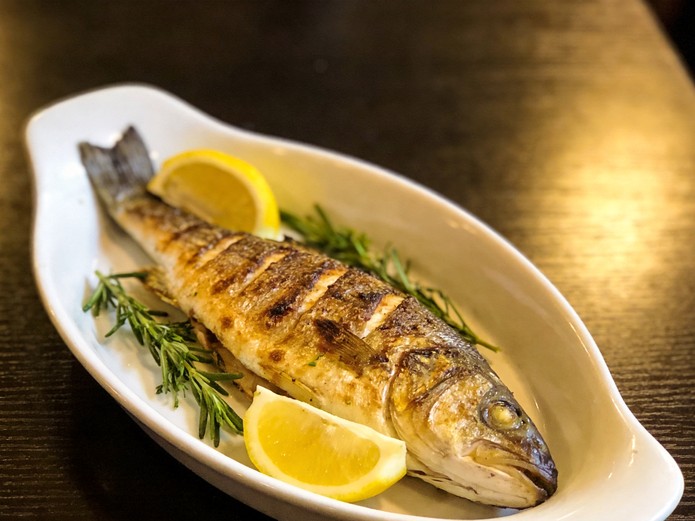
Not every seafood restaurant needs every shape. Match your menu to your order:
| Shape | Typical Size | Best For | Material Note | MOQ (Custom) |
|---|---|---|---|---|
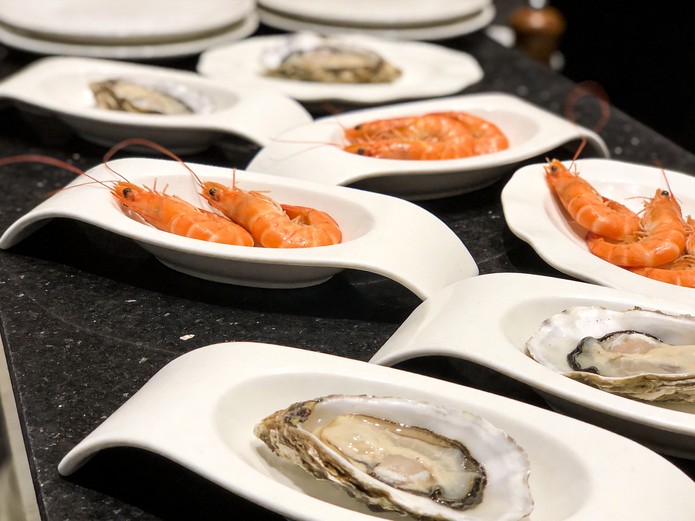
| Oyster / shellfish plate | 20–26 cm, with concave wells | Raw oysters, clams, mussels | High-fire stoneware or porcelain; well depth 8–12 mm | 500–1,000 pcs |
| Fish platter / long plate | 30–40 cm × 15–20 cm | Whole roasted fish, fillets | Thick-walled (6–8 mm) for heat retention | 300–500 pcs |
| Seafood tower tier | 25–30 cm diameter, stackable | Lobster, crab, shrimp towers | Reinforced rim; weight-bearing base | 200–400 sets |
| Sauce / butter dish | 8–10 cm diameter | Mignonette, drawn butter, aioli | Glaze must resist vinegar pH < 3.0 | 1,000+ pcs |
| Crudo / sashimi plate | 18–22 cm, flat or gently curved | Raw fish, carpaccio, tartare | Light color (white/cream) for color contrast | 500–1,000 pcs |
| Paella / seafood pan | 26–32 cm, shallow with handles | Paella, cioppino, bouillabaisse | Oven-safe to 250°C; handle reinforcement | 300–500 pcs |
One practical rule: if you serve oysters daily, order oyster plates first. Everything else can be phased in over two to three reorder cycles. Starting with six shapes at once ties up capital and storage space before you know which sizes your kitchen actually reaches for.
Glaze and Material Selection for Acidic and Cold Service
The glaze is where most seafood ceramic failures start. Here is what to specify:
Fire Temperature and Body Type
- High-fire stoneware (1,200–1,300°C): Dense, low porosity. Acid from citrus and vinegar cannot penetrate the body. Best balance of durability and cost for high-volume seafood service.
- Porcelain (1,300–1,400°C): Fully vitrified, non-porous. Premium option for fine-dining seafood restaurants where presentation weight matters. Costs 20–35% more than stoneware at equivalent MOQ.
- Avoid earthenware and low-fire ceramics: Porous bodies absorb moisture and acid. After 6–12 months of dishwasher cycling, low-fire plates develop hairline cracks and surface pitting.
Glaze Chemistry for Acid Resistance
Ask your supplier for glaze test data against:
- 4% acetic acid exposure (simulates vinegar-based sauces) for 24 hours at 22°C [VERIFY BEFORE PUBLISHING]
- Citric acid exposure (simulates lemon/lime contact) at pH 2.5 for 16 hours
- Lead and cadmium migration limits per FDA 21 CFR 175.300 and EU Regulation 1935/2004 [VERIFY BEFORE PUBLISHING]
If the supplier cannot provide these test results, treat it as a red flag. Reputable ceramic manufacturers for foodservice have this data on file.
Color and Finish for Seafood Presentation
White and off-white glazes dominate seafood service for a reason: they provide maximum color contrast against pink shrimp, red tuna, and green herbs. Matte white is the safest choice for photography and real-world presentation. Dark glazes (slate, navy) look elegant but obscure the food — fine for ambiance-focused concepts, risky for menu photography.
If you are building a custom-branded collection, specify the glaze color with a Pantone or RAL reference. Natural light shifts ceramic glaze color more than it shifts printed paper — always request a physical glaze chip under your restaurant’s actual lighting before approving production.
Durability Factors: Dishwashers, Salt, and Thermal Shock
Seafood restaurants cycle plates faster than almost any other concept. A plate might see three services per day — raw bar lunch, dinner tasting, and late-night bar menu. That is 90+ cycles per month. Here is what survives:
Dishwasher Compatibility
Commercial dishwashers run at 65–75°C with alkaline detergents (pH 11–13). Over time, this strips poorly bonded glazes. Specify:
- Glaze adhesion rating of ASTM C501 Grade 4 or higher [VERIFY BEFORE PUBLISHING]
- Minimum 500-cycle dishwasher test with no visible glaze degradation [FACTORY TEST REQUIRED]
- No metallic luster or iridescent glazes on high-wear surfaces — these degrade fastest in alkaline wash
Salt and Brine Exposure
Seafood service involves salt, seaweed brine, and shellfish liquor. Salt crystals left to dry on a glazed surface can etch micro-pits over 12–18 months. Two mitigations:
- Specify a glaze with > 5% zircon opacifier content — this increases surface hardness and salt resistance [VERIFY BEFORE PUBLISHING]
- Train staff to rinse plates promptly after shellfish service, before dishwashing
Thermal Shock Resistance
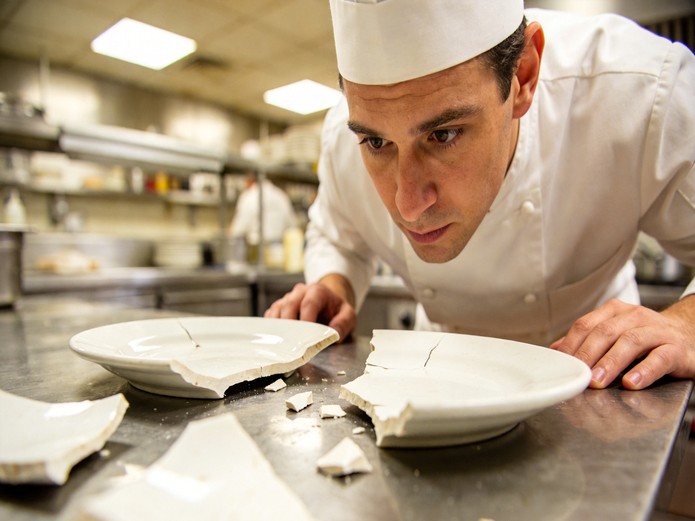
The ice-to-dishwasher jump is brutal. High-fire stoneware and porcelain both handle it, but thickness matters. Plates under 5 mm wall thickness crack under repeated thermal shock. Specify 6–8 mm for seafood service pieces that will see ice beds or oven-to-table transitions.
For a deeper technical breakdown, see our ceramic thermal shock resistance guide.
MOQs, Lead Times, and Pricing for Seafood-Specific Ceramics
Seafood shapes — especially oyster plates with molded wells and seafood towers with stackable tiers — carry higher MOQs than standard round plates. Here is the realistic landscape:
| Order Type | MOQ | Lead Time | Price Range (FOB) | Best For |
|---|---|---|---|---|
| Standard shapes (round, oval) | 500–1,000 pcs | 30–45 days | $1.80–$3.50 / pc | First orders, known designs |
| Custom oyster plates | 1,000–2,000 pcs | 45–60 days | $3.50–$6.00 / pc | Branded raw bar concepts |
| Seafood tower sets | 200–400 sets | 45–60 days | $12–$25 / set | High-end seafood houses |
| Custom glaze color | 3,000+ pcs (across shapes) | +7–14 days | +10–15% glaze surcharge | Brand-matched collections |
| Mold development (new shape) | 3,000+ pcs commitment | 60–90 days | $800–$2,500 mold fee | Proprietary designs |
Cost-quality-lead time trade-off: Standard shapes from a catalog are your fastest and cheapest path — 30 days, $2–$3 per plate. Custom shapes with your logo embossed add 30 days and roughly double the unit cost but create brand differentiation that guests photograph and remember. If you are opening your first seafood restaurant, start with catalog shapes. Reserve custom mold investment for your second location or a proven menu concept.
For timing your orders around peak seasons, refer to our ceramic tableware reorder strategy.
Common Mistakes When Ordering Seafood Restaurant Ceramics
These three errors show up in almost every first-time seafood ceramic order we review:
Mistake 1: Ignoring Glaze Acid Resistance
A buyer orders beautiful matte-black plates for a crudo bar. Six months later, the glaze surface shows etching where lemon wedges sat. The plates are structurally fine but visually degraded. The fix: always request acid-resistance test data before approving glaze samples. If the supplier hesitates, find one that does not.
Mistake 2: Ordering Fish Platters That Do Not Fit the Pass
A 40 cm fish platter looks stunning in the supplier’s showroom. In your kitchen, it does not fit the dish rack, the dishwasher rack, or the shelf above the pass. Measure your equipment before ordering. The practical maximum for most commercial kitchens is 34–36 cm for long plates.
Mistake 3: Buying All Shapes at Once
A new seafood restaurant orders oyster plates, fish platters, tower tiers, sauce dishes, crudo plates, and paella pans in the first shipment. Three months later, the kitchen uses the oyster plates and fish platters daily. The tower tiers sit unused because the menu changed. The sauce dishes are too small for the actual portion size. Start with two to three shapes that match your opening menu. Add shapes based on actual usage data, not aspiration.
A Practical Tool: Seafood Ceramic Coverage Calculator
Use this formula to estimate how many pieces you need for each shape:
Required Pieces = (Covers Per Day × Turnover × Safety Buffer) ÷ Wash Cycle Capacity
Example: You serve 80 covers per day, turn tables twice (160 total), and want a 1.5× safety buffer. Your dishwasher handles 40 plates per cycle. You need (160 × 1.5) ÷ 40 = 6 complete sets in circulation. Add 20% for breakage reserve: 6 × 1.2 = 7.2 → round up to 8 sets per shape.
Copy this framework into a spreadsheet. Replace the numbers with your actual covers, turnover, and wash capacity. The result tells you exactly how many pieces to order — no guessing, no overstock.
Your Pre-Order Checklist for Seafood Ceramic Tableware
- [ ] Menu mapped to shapes — every ordered shape has at least one menu item that uses it
- [ ] Kitchen equipment measured — plates fit dishwasher racks, shelves, and pass width
- [ ] Glaze acid-resistance test data received from supplier
- [ ] Lead and cadmium migration certificates reviewed (FDA / EU compliant)
- [ ] Physical glaze chip approved under actual restaurant lighting
- [ ] Thermal shock test confirmed for ice-to-dishwasher temperature range
- [ ] MOQ and lead time confirmed in writing
- [ ] Breakage rate assumption set (recommend 8–12% annually for seafood service)
- [ ] Storage space allocated before shipment arrives
- [ ] Reorder trigger defined (e.g., when stock drops to 1.5× daily usage)
Print this checklist and work through it with your chef and supplier before signing any purchase order. Every unchecked box is a surprise waiting to arrive in a shipping container.
FAQ
Can I use the same ceramic plates for hot seafood and cold raw bar items?
Yes, if the ceramic is high-fire stoneware or porcelain rated for thermal shock. The issue is not the temperature itself but the speed of change. Pre-warm plates for hot service in a low oven (60°C). For cold service, chill plates in a refrigerator for 20 minutes before plating. Do not move plates directly from ice to oven or vice versa.
How long does seafood-grade ceramic glaze last in commercial use?
With proper high-fire glaze and commercial dishwasher use, expect 2–3 years of full service before visible glaze degradation. Acid-resistant glazes last longer in seafood environments than standard glazes. Replace plates when you see glaze crazing (fine surface cracks), as these harbor bacteria and acid.
What is the minimum viable order for a new seafood restaurant?
For a 60-seat seafood restaurant, start with 1,000–1,500 pieces total across two to three shapes: round dinner plates (600 pcs), oyster plates (300 pcs), and fish platters (200 pcs). This covers your opening inventory plus a 3-month breakage buffer. Reorder based on actual usage after 60 days of service.
Should I choose white or colored glaze for seafood presentation?
White or cream is the industry standard for seafood because it maximizes color contrast. If your brand uses a signature color, limit it to the rim or exterior. Keep the food-contact surface white or light-colored so that seafood colors — pink, red, orange, green — remain vivid under dining room lighting.
How do I verify a supplier’s acid-resistance claims?
Request third-party test reports from SGS, Intertek, or Bureau Veritas showing 24-hour acetic acid exposure results [VERIFY BEFORE PUBLISHING]. If the supplier only offers internal lab data, ask for the test method reference (e.g., ISO 6486-1 or equivalent). A supplier that cannot produce either is not ready for seafood-service contracts.
Are seafood tower tiers worth the cost?
Only if seafood towers are a core menu item. Tower sets cost 3–5× more per cover than standard plating and require dedicated storage. For restaurants that sell 10+ towers per night, the presentation justifies the cost. For concepts where towers are occasional, serve on large oval platters instead.
Ready to source ceramic tableware built for seafood service? Request our seafood service ceramic catalogue — we will match your menu to the right shapes, glazes, and order quantities.