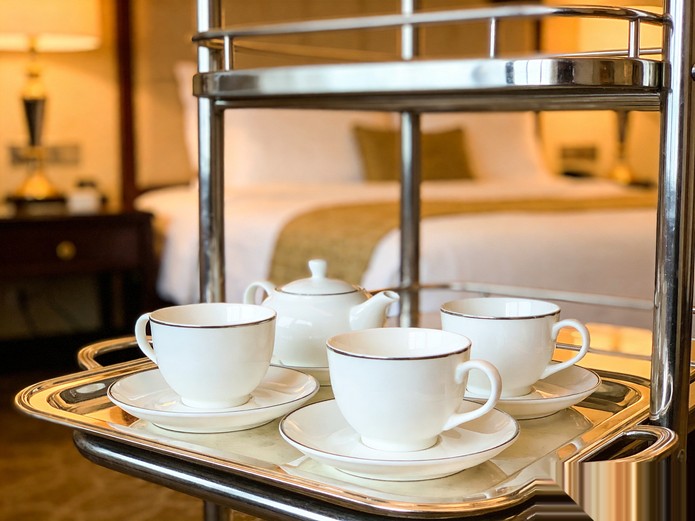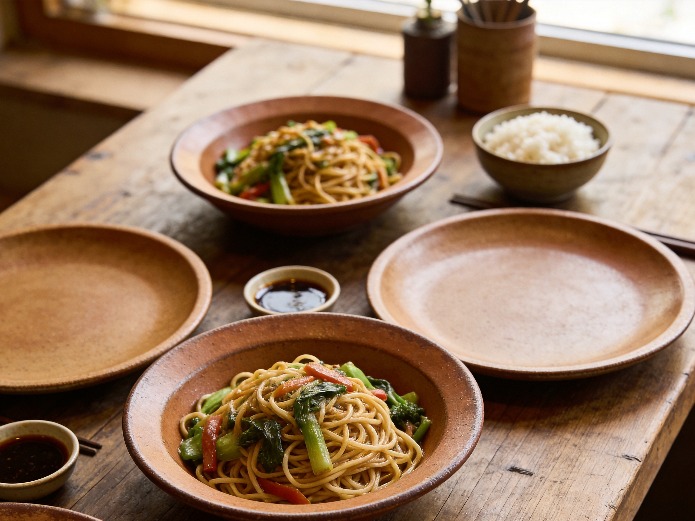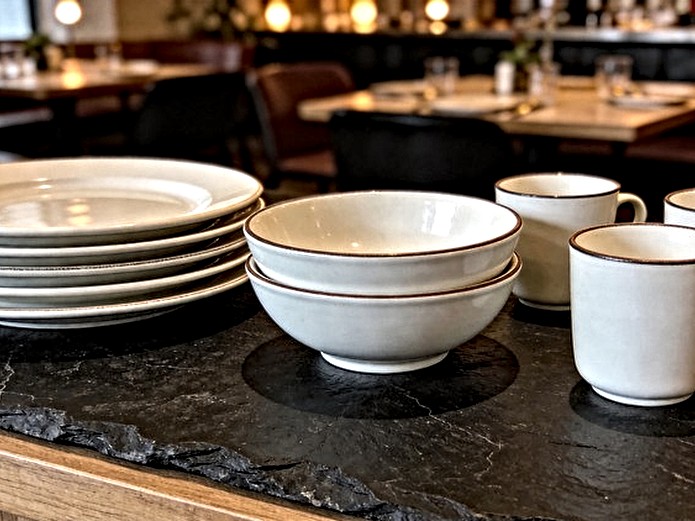
A ceramic tableware collection built over three years outperforms a one-time bulk purchase in every metric that matters to hospitality buyers: budget control, brand consistency, and operational flexibility. The most successful restaurant groups and hotel chains we work with phase their tabletop investments deliberately—starting with core dinnerware in year one, adding signature accent pieces in year two, and introducing seasonal rotation and backup stock in year three. This phased approach lets you lock in supplier relationships early, test guest response before committing to large volumes, and spread capital expenditure across multiple budget cycles. In this roadmap, you will get a year-by-year procurement plan with specific product categories, realistic budget ranges, MOQ expectations, and a supplier coordination checklist you can use immediately.
Why Build a Ceramic Tableware Collection in Phases?
Restaurants and hotels that buy everything at once usually face one of three problems: they over-order styles guests do not respond to, they underestimate breakage rates and run out of stock, or they lock themselves into a single aesthetic that becomes dated. Phasing your ceramic tableware collection solves all three.
Year one establishes your visual identity with durable, versatile foundation pieces. Year two tests market response with smaller batches of accent and signature items. Year three optimizes based on actual usage data—adding seasonal rotation, replenishing high-wear items, and retiring underperformers. Each phase gives you a natural checkpoint to evaluate supplier performance, adjust quality standards, and renegotiate terms before the next commitment.
From a cash flow perspective, spreading a $50,000–$150,000 tabletop investment across 36 months is far more manageable than a single capital event. It also aligns with typical hotel renovation cycles and restaurant refresh schedules, making budget approval easier with finance teams.
Year 1: Foundation Pieces That Define Your Brand
Your first-year purchase should cover 80% of daily service needs with pieces that are hard-wearing, dishwasher-safe, and stylistically neutral enough to outlast trend cycles. Think of this as your “workhorse” layer.
Recommended First-Year Product Mix
- Dinner plates (10.5–11 inch): 60% of plate inventory
- Salad/dessert plates (7–8 inch): 25% of plate inventory
- Soup/pasta bowls (8–9 inch, 20–24 oz): core bowl assortment
- Cups and saucers or mugs: 2.5x cover count for turnover
- Shared service platters and bowls: 1 per 4–6 covers
For material, mid-range stoneware or durable porcelain with underglaze decoration offers the best durability-to-cost ratio for high-turnover service. Avoid reactive glazes in year one—they show wear faster and complicate future replacement matching. If you are sourcing for a cafe or coffee program, the cafe ceramic tableware sourcing guide covers mug shapes and cup durability in more detail.
Typical specifications for year one: MOQ per item 500–1,000 pieces; production lead time 45–60 days; order cycle aligned with peak/off-peak season to avoid storage congestion. Packaging should use individual foam wrap with 5-ply master cartons—standard for ocean freight but worth specifying in writing before production starts. For a deeper look at lead time planning, see our ceramic production lead times breakdown.
Year 2: Expansion and Signature Items
With twelve months of guest feedback and breakage data, year two is when you add personality to your ceramic tableware collection. This is also when you negotiate better terms—suppliers now see you as a repeat customer, not a one-off inquiry.
Second-Year Additions
- Accent plates with custom rim colors or debossed logos
- Specialty serveware: tagines, paella pans, individual casseroles
- Bread and butter plates for fine-dining extensions
- Alternative mug shapes or handleless cups for coffee programs
- Statement presentation pieces for high-margin menu items
Year two orders typically run 30–50% smaller per SKU than year one because you are testing response. This is where MOQ flexibility matters most. A supplier willing to do 300-piece runs for accent items is more valuable than one with the lowest price on 1,000-piece orders. For tactics on negotiating minimums, read our ceramic MOQ strategy guide. Lead times for custom colors or shapes may extend to 60–75 days if new molds are required.
Quality expectations should tighten in year two. Request batch glaze consistency reports and dimensional tolerance checks. If you added custom colors, insist on color fastness documentation. Our custom color matching for private label ceramics article explains how to set color standards and approve glaze samples. [VERIFY BEFORE PUBLISHING: Reference ASTM C373 for water absorption thresholds relevant to dishwasher durability.]
Year 3: Refinement, Seasonal Rotation, and Replenishment
By year three, you know exactly which pieces move to the dish pit three times a night and which ones sit in storage. This phase is about optimization, not expansion.
Third-Year Priorities
- Replenish high-wear foundation pieces (plates and bowls with highest breakage rates)
- Add seasonal rotation: lighter colors for spring/summer, richer tones for fall/winter
- Retire underperforming SKUs and consolidate to fewer, proven suppliers
- Establish a 10–15% backup stock buffer for critical items
- Negotiate annual blanket orders with scheduled releases to lock pricing
Seasonal rotation sounds like a luxury, but in practice it refreshes guest perception without a full rebrand. A hotel F&B director we advised swapped ivory dinnerware for warm sandstone tones each autumn—guest satisfaction scores for “ambiance” rose measurably. [CASE STUDY REQUIRED: Verify and replace with internal case study data.]
Year three is also when you should formalize your quality acceptance standards. After two years of use, you know what level of crazing, glaze variation, and dimensional drift is acceptable. Document this in writing and attach it to every purchase order going forward.
Budget Allocation Across Three Years
The table below shows a typical budget split for a 120-seat restaurant or 80-room boutique hotel building a complete ceramic tableware collection. Adjust percentages based on your cover count, service style, and local labor costs.
| Phase | Budget Share | Estimated Range | Primary Focus | Typical Order Size |
|---|---|---|---|---|
| Year 1 | 50% | $25,000–$75,000 | Foundation pieces, high-volume SKUs | 1,000–3,000 pcs total |
| Year 2 | 30% | $15,000–$45,000 | Accent items, signature serveware | 300–1,500 pcs total |
| Year 3 | 20% | $10,000–$30,000 | Replenishment, seasonal rotation | 500–1,200 pcs total |
The 50/30/20 split reflects a simple reality: foundation pieces cost more because you are buying volume, while later phases spread smaller amounts across more SKUs. Hotels with multiple F&B outlets may need to scale the total budget proportionally.
Common Mistakes When Building a Collection
After advising dozens of hospitality buyers on their ceramic tableware collection strategy, we see the same errors repeat. Avoid these three:
Mistake 1: Buying the Full Collection from Renderings
3D renderings and sample boards look cohesive. Real ceramics under restaurant lighting do not always match. Always run a 30-day live test with at least 50 pieces of each SKU before placing the full order. The cost of a small pre-production run is negligible compared to writing off 1,000 mismatched plates.
Mistake 2: Ignoring Replacement Compatibility
That limited-edition glaze color looks stunning now. Will the supplier still produce it in 18 months when you need replacements? If not, you are building a collection with a shelf life. For foundation pieces, stick to glazes and shapes the supplier lists as “standard catalog” items, or negotiate a two-year availability guarantee in your contract.
Mistake 3: Treating All Suppliers the Same
Foundation pieces need volume suppliers with consistent kiln scheduling. Signature accent pieces may come from smaller studios with better design flexibility but longer lead times. Using one supplier for everything usually means compromising on either price or design. Segment your supplier base by product type and volume.
Supplier Coordination Checklist
Use this checklist before each annual order phase. Print it, share it with your procurement team, and confirm every item with your supplier in writing.
- □ Glaze color reference approved and archived (Pantone or physical sample)
- □ Dimensional tolerance specified (±2 mm for plates, ±3 mm for bowls)
- □ MOQ and price breaks documented for each SKU
- □ Production lead time confirmed with penalty clause for delays >14 days
- □ Packaging spec approved: individual wrap, carton strength, pallet configuration
- □ Quality acceptance criteria defined (defect categories A/B/C with rejection thresholds)
- □ Pre-shipment inspection agreed (AQL 2.5 or in-house QC visit)
- □ Replacement availability guaranteed for 24 months minimum
- □ Shipping terms confirmed (FOB, CIF, or DDP with named port)
- □ Sample retention: 3 pieces per SKU kept as future quality reference
The Collection Planning Scorecard
Copy this scorecard into a spreadsheet. Rate each potential SKU on a 1–5 scale before adding it to your ceramic tableware collection. Only items scoring 16 or higher (out of 20) make the cut.
| Criteria | Weight | Score (1–5) | Notes |
|---|---|---|---|
| Durability under daily dishwasher use | x3 | Test with 50+ industrial cycles | |
| Visual consistency across large batches | x2 | Check glaze variation tolerance | |
| Supplier MOQ flexibility | x2 | Lower is better for test orders | |
| Replacement availability (24+ months) | x2 | Confirm in writing | |
| Cost per cover | x1 | Include freight and duty | |
| Weighted Total (max 20) | Cutoff: 16+ |
Cost, Quality, and Lead Time Trade-offs at Each Phase
Every phase of your ceramic tableware collection involves trade-offs. Understanding them upfront prevents mid-project surprises.
Year 1 (Foundation): Prioritize durability and cost efficiency over design novelty. Standard shapes and glazes from high-volume suppliers give you the best price per piece and the shortest lead times. The trade-off is limited customization. If you need branded rims or custom colors, expect 15–25% higher unit costs and 2–3 extra weeks of production time.
Year 2 (Expansion): Here you balance design distinction against order size. Smaller MOQs mean higher per-piece costs—sometimes 30–50% above foundation-piece pricing. The solution is to negotiate volume commitments across multiple SKUs rather than per-SKU minimums. Lead times stretch because custom molds or hand-applied decoration add steps. Plan 60–75 days instead of 45.
Year 3 (Refinement): Your focus shifts to supply security. A reliable supplier with consistent 45-day turnaround is worth more than a 10% price discount from an unproven factory. Seasonal rotation items add inventory complexity, so factor in warehouse space and stock management costs. The trade-off is operational simplicity versus guest perception—seasonal pieces improve ambiance but require disciplined inventory rotation.
Frequently Asked Questions
How many pieces do I need for a 100-seat restaurant?
A full-service restaurant needs roughly 2.5x cover count for plates and bowls, and 3x for cups and glasses. For 100 seats, plan 250 dinner plates, 250 salad plates, 250 bowls, and 300 cups or mugs. Add 15% buffer for breakage within the first year.
Can I mix stoneware and porcelain in the same collection?
Yes, if the visual weight and glaze tones coordinate. Many successful collections use porcelain for fine-dining presentations and stoneware for casual service. The key is ensuring both materials share a consistent color palette and rim profile so they look intentional, not accidental.
What is a realistic annual breakage rate?
Commercial ceramic tableware typically sees 10–20% annual breakage in high-turnover casual dining, and 5–10% in fine dining where handling is gentler. These figures assume industrial dishwasher use and standard stacking. Factor breakage into your year-three replenishment budget.
Should I order everything from one supplier or split across multiple?
For foundation pieces, a single high-volume supplier simplifies quality control and freight consolidation. For accent and signature items, a second supplier with stronger design capabilities is often worth the added coordination. Two suppliers is manageable; more than three usually creates logistics headaches without proportional benefit.
How do I handle quality disputes if a batch arrives defective?
Document defects with photos and a written report within 48 hours of unloading. Reference the acceptance criteria in your purchase order. For defect rates above your agreed threshold (typically 2–5% for minor defects, 0% for critical safety defects), request replacement or credit. Pre-shipment inspection by a third party reduces dispute frequency significantly.
When should I start planning year two if year one is still in production?
Begin year two planning when year one reaches 50% delivery. This gives you time to evaluate initial quality, collect staff feedback, and design accent pieces with lead times in mind. Starting earlier risks designing around assumptions; starting later compresses your timeline unnecessarily.
Start Your Collection With a Clear Timeline
A well-planned ceramic tableware collection turns tabletop procurement from a reactive expense into a strategic asset. By phasing your investment across three years, you control cash flow, test designs with real guests, and build supplier relationships that improve pricing and responsiveness over time. Use the budget table, checklist, and scorecard in this guide to structure your next conversation with your procurement team—and your supplier.
Ready to start building your collection? Browse our ceramic tableware catalog to see foundation pieces, accent serveware, and customization options. For branded rims, debossed logos, or fully custom shapes, explore our OEM and ODM customization services. Hotel and restaurant groups looking for coordinated hospitality sets can also reference our hotel ceramic tableware buying guide for room-service and banquet-specific recommendations.
Get a production schedule estimate for your year-one foundation order and lock in lead times before your next busy season.